Asian shopping streets showcase the feel of the cities through their shops, restaurants, and crowds.
Here we present main shopping streets in Asian cities that mix traditional shops with modern retail. In Singapore, Orchard Road stretches over several miles and has department stores, international brands, and local shops. Nanjing Road in Shanghai is one of the busiest shopping streets in China and gets hundreds of thousands of visitors each day. In Tokyo, Takeshita Street attracts a younger crowd with fashion stores and accessories, while Dotonbori in Osaka is famous for its restaurants and bright signs.
Other streets in this collection show different features of their cities. Jonker Street in Malaysia has old-style shops and antique stores. Petaling Street in Kuala Lumpur works as a Chinatown market with textiles and electronics. In Bangkok, Khao San Road is popular with international travelers with hostels, restaurants, and travel agencies. The collection goes from Dubai to Russia, passing through Israel, showing the variety of shopping streets in Asia, from traditional markets to modern shopping districts.
Asian shopping streets showcase the feel of the cities through their shops, restaurants, and crowds.
Here we present main shopping streets in Asian cities that mix traditional shops with modern retail. In Singapore, Orchard Road stretches over several miles and has department stores, international brands, and local shops. Nanjing Road in Shanghai is one of the busiest shopping streets in China and gets hundreds of thousands of visitors each day. In Tokyo, Takeshita Street attracts a younger crowd with fashion stores and accessories, while Dotonbori in Osaka is famous for its restaurants and bright signs.
Other streets in this collection show different features of their cities. Jonker Street in Malaysia has old-style shops and antique stores. Petaling Street in Kuala Lumpur works as a Chinatown market with textiles and electronics. In Bangkok, Khao San Road is popular with international travelers with hostels, restaurants, and travel agencies. The collection goes from Dubai to Russia, passing through Israel, showing the variety of shopping streets in Asia, from traditional markets to modern shopping districts.
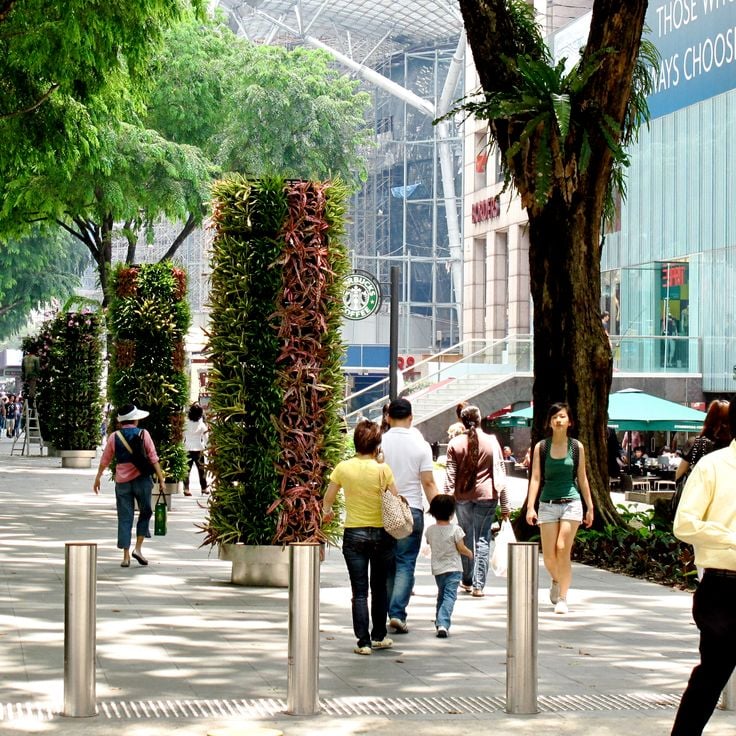
This 1.4-mile (2.2-kilometer) street in Singapore contains more than 25 shopping malls and six department stores featuring international brands. Orchard Road serves as one of the city's primary retail corridors and demonstrates Singapore's role as a regional commercial hub. Modern shops, hotels and dining establishments line this main street, drawing both residents and visitors. The street connects traditional trading functions with contemporary urban development.
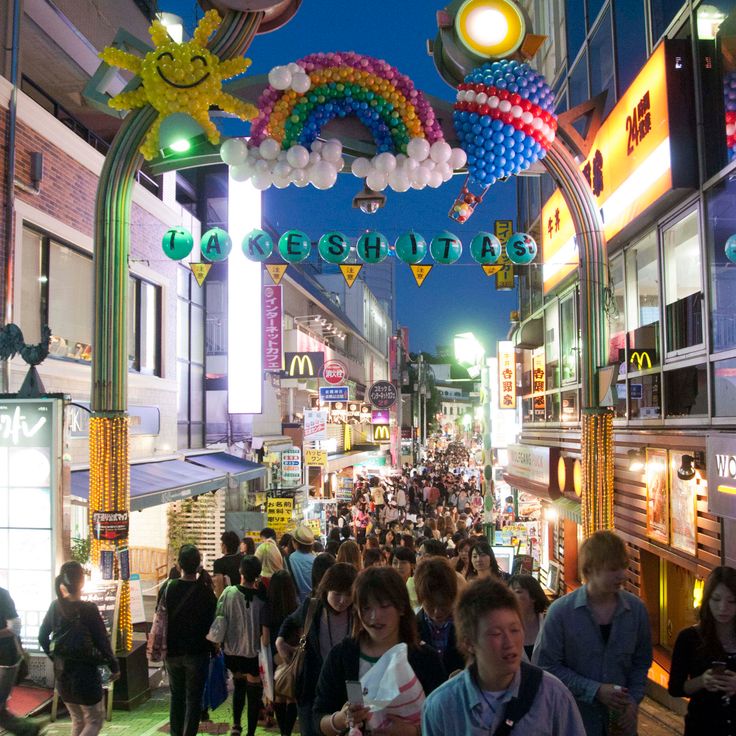
This 400-meter street in Harajuku district forms a central trading point for Japanese youth fashion, accessories and street food. Takeshita Street connects traditional commerce structures with contemporary retail concepts, displaying characteristic features of Tokyo neighborhood architecture. Shops and stalls line both sides of the pedestrian zone, which draws thousands of daily visitors seeking fashion items and local specialties. This central trading point in Asia's largest metropolis reflects regional retail culture and urban development patterns.
This street in Shanghai extends 3.4 miles (5.5 kilometers) and connects modern stores with traditional shops and restaurants serving Chinese cuisine. Nanjing Road functions as a central trading axis of the city and shows the development of retail in China. Visitors find international brands alongside local businesses, while the street reflects Shanghai's commercial history from early trading periods to the present day.
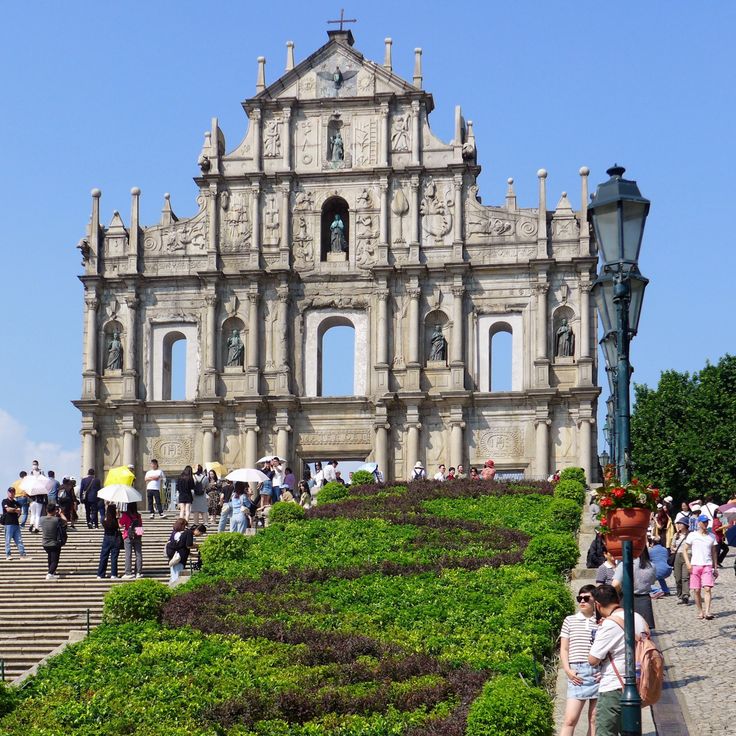
This cobblestone street leads to religious remains from the Portuguese colonial period, including stone walls dating from 1602. Paul Street connects Macau's main trading thoroughfares and markets with historic sites that document Portuguese influence in the region. The street serves as an approach to architectural evidence of the colonial past and demonstrates the merging of European and Asian trading traditions. Visitors find local shops and dining establishments along the route that underscore the commercial significance of the surrounding area.
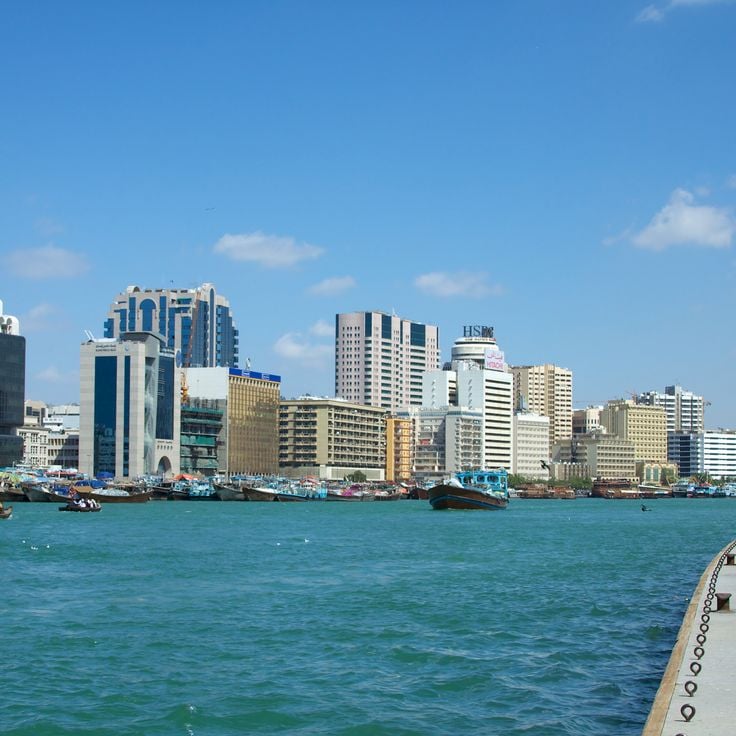
This canal forms the central trade route between Deira and Bur Dubai, illustrating the early commercial development of Dubai. Fishermen and merchants transport goods using traditional wooden boats called abras, which have crossed the canal for over a century. The waterway continues to serve as a link between the historic souks on both banks, where textiles, spices and gold are traded. The promenade along the canal connects residential neighborhoods with commercial areas, showing how Dubai integrates its trading traditions with its modern urban development.
This street in old Bangkok has drawn travelers from around the world since the 1980s, combining traditional commerce with modern retail. Khao San Road spans a compact section and offers accommodations across price ranges, restaurants serving Thai and international cuisine, and numerous street vendors. At night it transforms into a market selling clothing, souvenirs and food. The street functions as a central trading point where international travelers and local merchants meet and conduct business, displaying characteristics typical of Asian commercial districts that serve both residents and visitors.
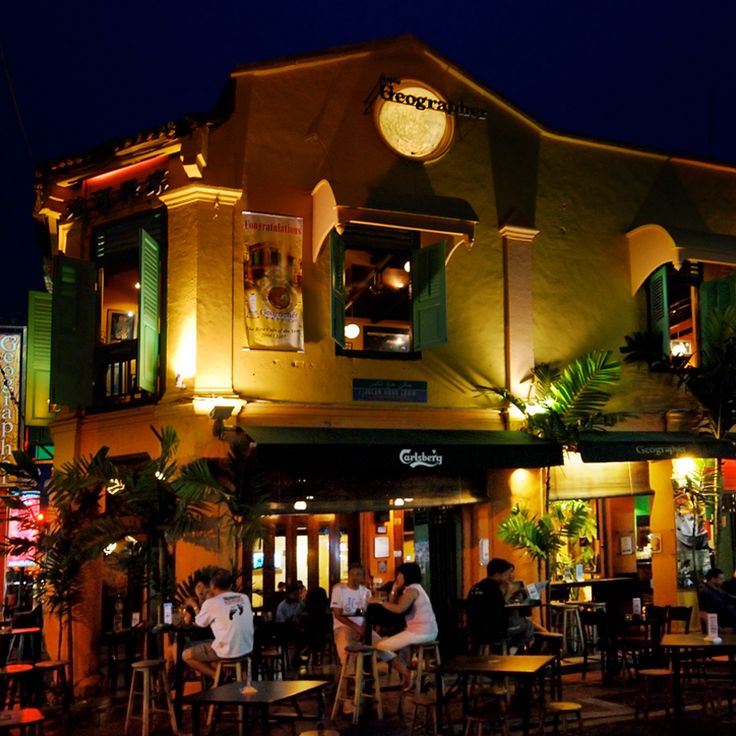
This street combines Chinese trading traditions with Dutch colonial architecture, forming a central marketplace in Malaysia. Jonker Street contains antique shops, restaurants and evening markets that have preserved the region's commercial heritage for generations. The buildings along the street display architectural elements from the Dutch colonial period, while the shops offer traditional Chinese goods and regional specialties. The night markets transform the street into an active trading point that brings together local vendors and visitors.
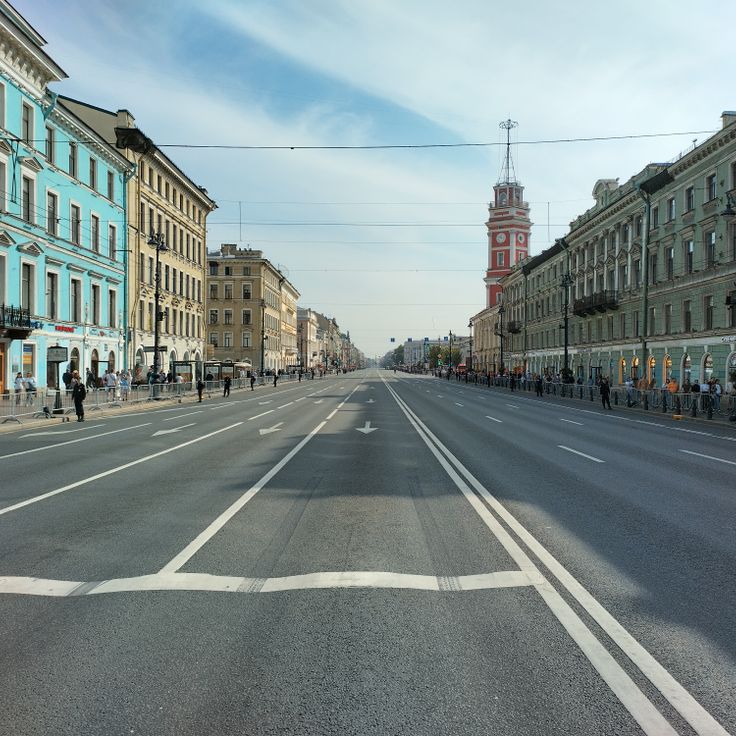
This main thoroughfare extends for 2.8 miles through the historic center of Saint Petersburg, connecting the Admiralty building to the Alexander Nevsky Monastery. Nevsky Prospect was laid out in the eighteenth century and evolved into a central commercial axis for the city. Shops, restaurants and cafes line the wide street, flanked by buildings from various periods. Several metro stations provide access along the boulevard, which can be walked end to end in roughly 45 minutes.
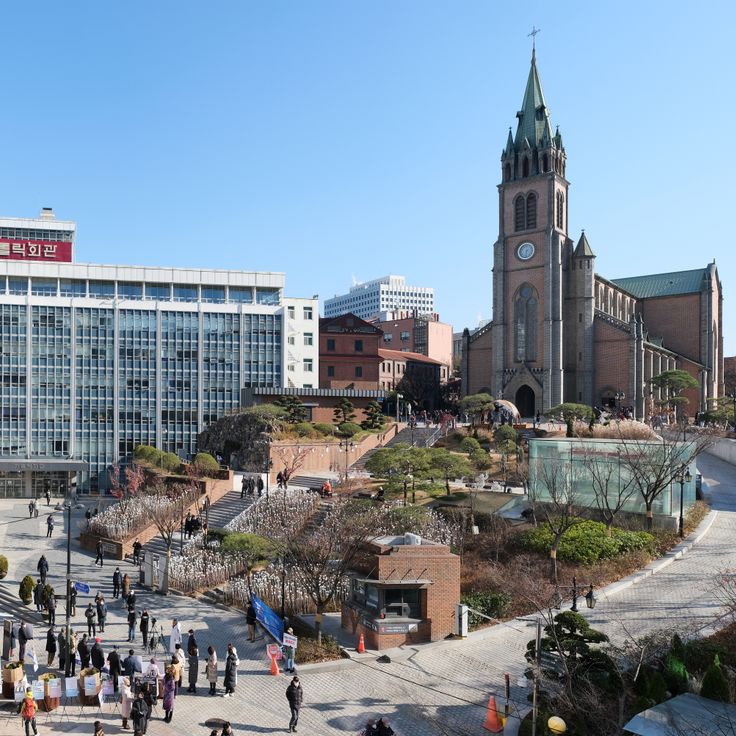
This district stands among the central trading points across Asia. Myeongdong combines fashion brands, cosmetic stores and street vendors with modern shopping centers and traditional Korean restaurants. The area draws locals and visitors daily who navigate the lanes of international retailers and local food stalls. The densely packed streets show Seoul's commercial development, while small restaurants serve Korean cuisine. Myeongdong functions as a retail hub between older business districts and newer developments in the South Korean capital.
This street runs 100 meters through central Siem Reap and concentrates dozens of restaurants, bars and nightclubs along its length. Pub Street developed into the city's primary nightlife district and draws both visitors and residents from late afternoon onward. Vendors line the pedestrian zone offering food and drinks while live music spills from the establishments. The street sits a short walk from the Old Market and provides a contrast to the traditional trading centers found across the region.
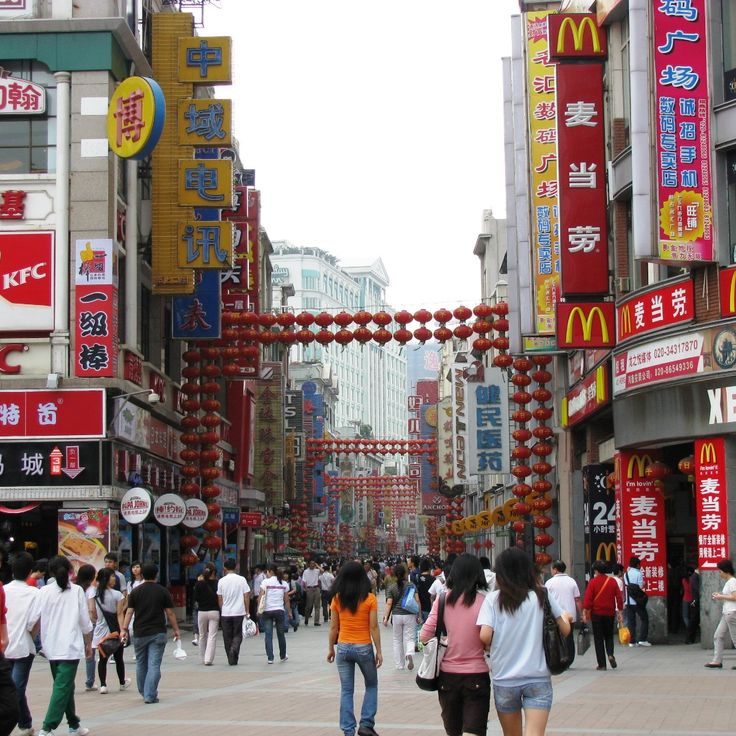
This pedestrian street extends for 1,100 meters (0.7 miles) through the historic center of Guangzhou, displaying traditional Lingnan architecture along its entire length. Shangxiajiu Pedestrian Street contains more than 300 shops and restaurants offering local goods and Cantonese cuisine. The district ranks among the principal trading streets of the city, combining traditional sales methods with contemporary retail. The buildings demonstrate characteristic features of regional construction, including narrow facades and decorative stonework. The street serves as a commercial center for textiles, jade and regional specialties.
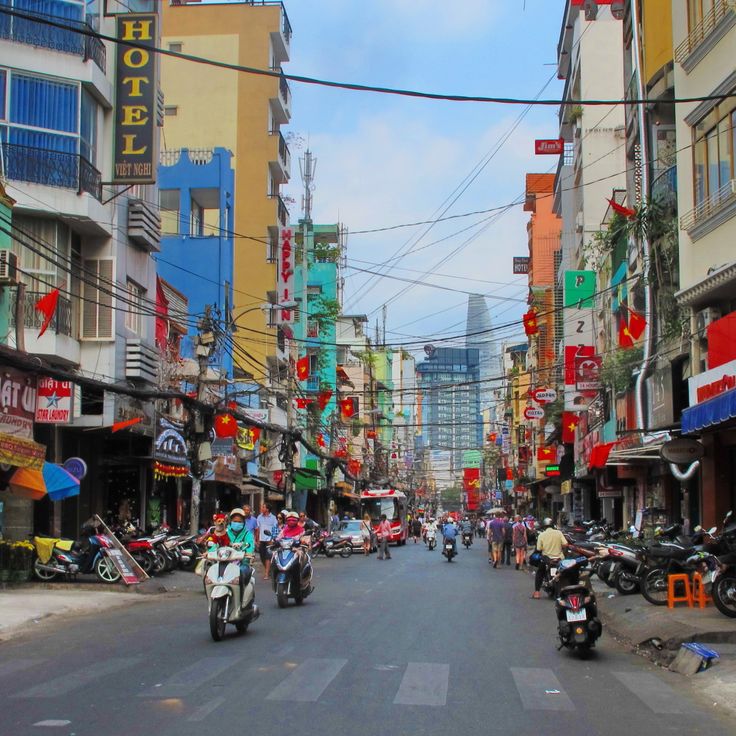
This street stretches 500 meters (1,640 feet) through central Ho Chi Minh City and represents one of Asia's central trading points that combine traditional commerce with modern retail. Bui Vien Street concentrates budget hotels, restaurants and street stalls within a compact area and serves as a focal point for international travelers. The street displays typical Vietnamese urban architecture with multistory buildings housing accommodations, food establishments and shops. The area functions as a practical base for visitors seeking lodging and dining options in close proximity.
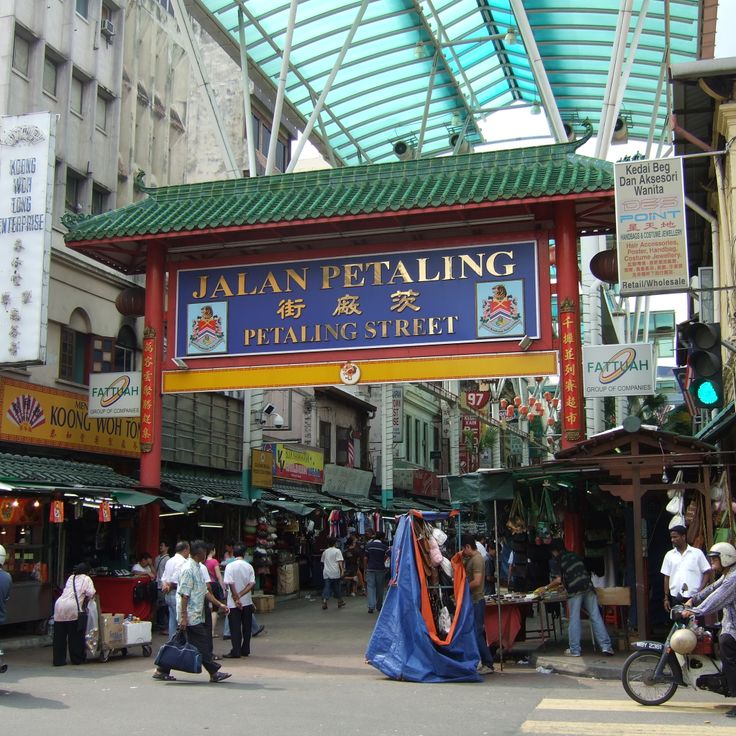
This street in Kuala Lumpur's Chinese quarter serves as a central trading point where Petaling Street presents itself as a traditional market area. Numerous restaurants, food stalls and street vendors line the lanes, offering local specialties. The area combines traditional commerce with modern retail and displays the characteristic architecture of the historic Chinatown district. Petaling Street has functioned as an important trading hub for generations and ranks among the significant commercial streets across Asia, where regional characteristics and commercial activities concentrate.
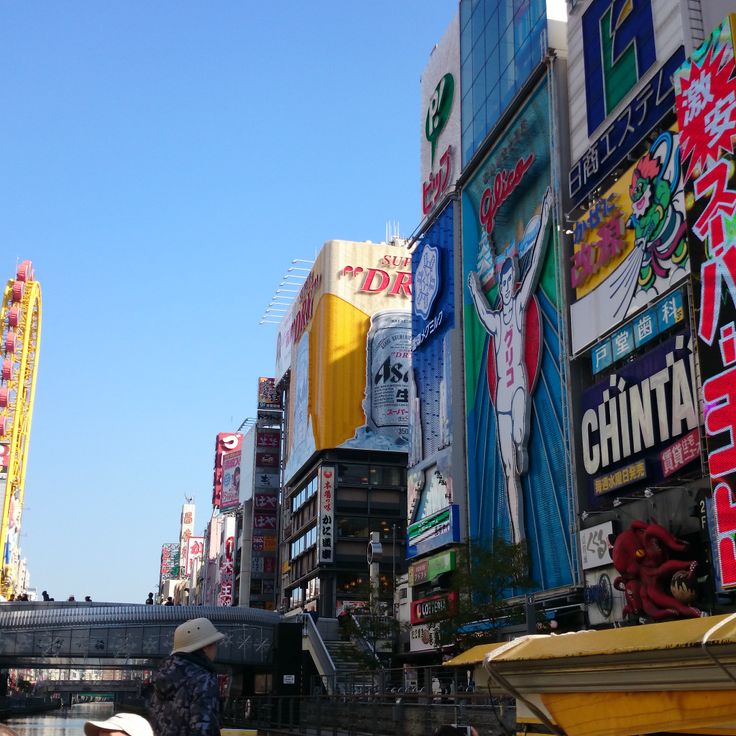
This shopping street in Osaka combines traditional restaurants with modern entertainment venues along a central canal. Dotombori displays the characteristic neon signs and mechanical advertising figures of Japanese dining and entertainment districts. The area merges theatrical traditions of bunraku and kabuki with contemporary karaoke bars and clubs. Architecture ranges from historic theater buildings to multistory commercial structures. Dotombori functions as a commercial and entertainment center that documents Osaka's trading development since the Edo period.
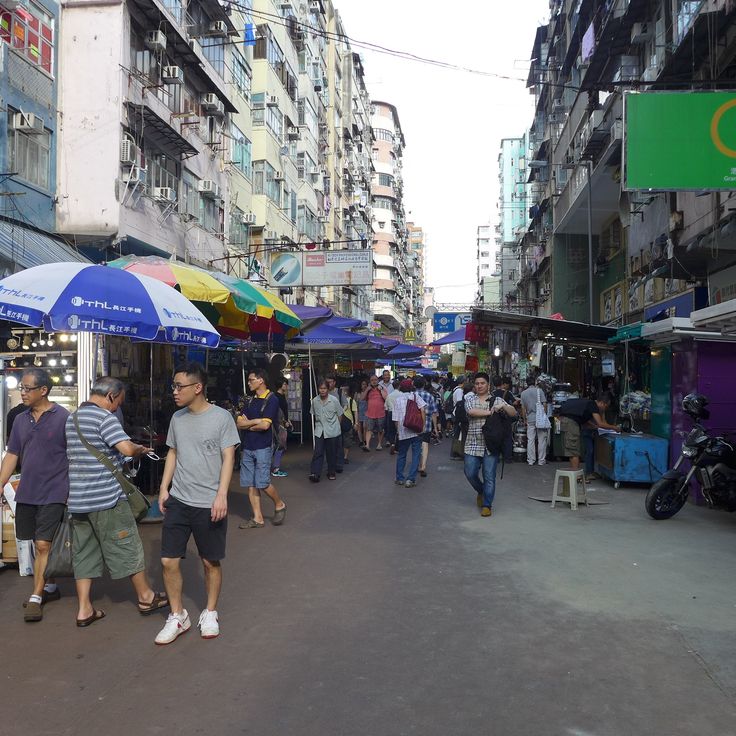
This street extends across 400 meters and gathers electronics vendors and stalls in Hong Kong. Apliu Street offers new and used devices at competitive prices and connects traditional trade with technical products typical of Asian trading centers. Shoppers find components, cables, adapters and various electronic items sold by local merchants here.
This 1.4-mile (2.2-kilometer) street in Singapore contains more than 25 shopping malls and six department stores featuring international brands. Orchard Road serves as one of the city's primary retail corridors and demonstrates Singapore's role as a regional commercial hub. Modern shops, hotels and dining establishments line this main street, drawing both residents and visitors. The street connects traditional trading functions with contemporary urban development.
This 400-meter street in Harajuku district forms a central trading point for Japanese youth fashion, accessories and street food. Takeshita Street connects traditional commerce structures with contemporary retail concepts, displaying characteristic features of Tokyo neighborhood architecture. Shops and stalls line both sides of the pedestrian zone, which draws thousands of daily visitors seeking fashion items and local specialties. This central trading point in Asia's largest metropolis reflects regional retail culture and urban development patterns.
This street in Shanghai extends 3.4 miles (5.5 kilometers) and connects modern stores with traditional shops and restaurants serving Chinese cuisine. Nanjing Road functions as a central trading axis of the city and shows the development of retail in China. Visitors find international brands alongside local businesses, while the street reflects Shanghai's commercial history from early trading periods to the present day.
This cobblestone street leads to religious remains from the Portuguese colonial period, including stone walls dating from 1602. Paul Street connects Macau's main trading thoroughfares and markets with historic sites that document Portuguese influence in the region. The street serves as an approach to architectural evidence of the colonial past and demonstrates the merging of European and Asian trading traditions. Visitors find local shops and dining establishments along the route that underscore the commercial significance of the surrounding area.
This canal forms the central trade route between Deira and Bur Dubai, illustrating the early commercial development of Dubai. Fishermen and merchants transport goods using traditional wooden boats called abras, which have crossed the canal for over a century. The waterway continues to serve as a link between the historic souks on both banks, where textiles, spices and gold are traded. The promenade along the canal connects residential neighborhoods with commercial areas, showing how Dubai integrates its trading traditions with its modern urban development.
This street in old Bangkok has drawn travelers from around the world since the 1980s, combining traditional commerce with modern retail. Khao San Road spans a compact section and offers accommodations across price ranges, restaurants serving Thai and international cuisine, and numerous street vendors. At night it transforms into a market selling clothing, souvenirs and food. The street functions as a central trading point where international travelers and local merchants meet and conduct business, displaying characteristics typical of Asian commercial districts that serve both residents and visitors.
This street combines Chinese trading traditions with Dutch colonial architecture, forming a central marketplace in Malaysia. Jonker Street contains antique shops, restaurants and evening markets that have preserved the region's commercial heritage for generations. The buildings along the street display architectural elements from the Dutch colonial period, while the shops offer traditional Chinese goods and regional specialties. The night markets transform the street into an active trading point that brings together local vendors and visitors.
This main thoroughfare extends for 2.8 miles through the historic center of Saint Petersburg, connecting the Admiralty building to the Alexander Nevsky Monastery. Nevsky Prospect was laid out in the eighteenth century and evolved into a central commercial axis for the city. Shops, restaurants and cafes line the wide street, flanked by buildings from various periods. Several metro stations provide access along the boulevard, which can be walked end to end in roughly 45 minutes.
This district stands among the central trading points across Asia. Myeongdong combines fashion brands, cosmetic stores and street vendors with modern shopping centers and traditional Korean restaurants. The area draws locals and visitors daily who navigate the lanes of international retailers and local food stalls. The densely packed streets show Seoul's commercial development, while small restaurants serve Korean cuisine. Myeongdong functions as a retail hub between older business districts and newer developments in the South Korean capital.
This street runs 100 meters through central Siem Reap and concentrates dozens of restaurants, bars and nightclubs along its length. Pub Street developed into the city's primary nightlife district and draws both visitors and residents from late afternoon onward. Vendors line the pedestrian zone offering food and drinks while live music spills from the establishments. The street sits a short walk from the Old Market and provides a contrast to the traditional trading centers found across the region.
This pedestrian street extends for 1,100 meters (0.7 miles) through the historic center of Guangzhou, displaying traditional Lingnan architecture along its entire length. Shangxiajiu Pedestrian Street contains more than 300 shops and restaurants offering local goods and Cantonese cuisine. The district ranks among the principal trading streets of the city, combining traditional sales methods with contemporary retail. The buildings demonstrate characteristic features of regional construction, including narrow facades and decorative stonework. The street serves as a commercial center for textiles, jade and regional specialties.
This street stretches 500 meters (1,640 feet) through central Ho Chi Minh City and represents one of Asia's central trading points that combine traditional commerce with modern retail. Bui Vien Street concentrates budget hotels, restaurants and street stalls within a compact area and serves as a focal point for international travelers. The street displays typical Vietnamese urban architecture with multistory buildings housing accommodations, food establishments and shops. The area functions as a practical base for visitors seeking lodging and dining options in close proximity.
This street in Kuala Lumpur's Chinese quarter serves as a central trading point where Petaling Street presents itself as a traditional market area. Numerous restaurants, food stalls and street vendors line the lanes, offering local specialties. The area combines traditional commerce with modern retail and displays the characteristic architecture of the historic Chinatown district. Petaling Street has functioned as an important trading hub for generations and ranks among the significant commercial streets across Asia, where regional characteristics and commercial activities concentrate.
This shopping street in Osaka combines traditional restaurants with modern entertainment venues along a central canal. Dotombori displays the characteristic neon signs and mechanical advertising figures of Japanese dining and entertainment districts. The area merges theatrical traditions of bunraku and kabuki with contemporary karaoke bars and clubs. Architecture ranges from historic theater buildings to multistory commercial structures. Dotombori functions as a commercial and entertainment center that documents Osaka's trading development since the Edo period.
This street extends across 400 meters and gathers electronics vendors and stalls in Hong Kong. Apliu Street offers new and used devices at competitive prices and connects traditional trade with technical products typical of Asian trading centers. Shoppers find components, cables, adapters and various electronic items sold by local merchants here.
This 1.4-mile (2.2-kilometer) street in Singapore contains more than 25 shopping malls and six department stores featuring international brands. Orchard Road serves as one of the city's primary retail corridors and demonstrates Singapore's role as a regional commercial hub. Modern shops, hotels and dining establishments line this main street, drawing both residents and visitors. The street connects traditional trading functions with contemporary urban development.
This 400-meter street in Harajuku district forms a central trading point for Japanese youth fashion, accessories and street food. Takeshita Street connects traditional commerce structures with contemporary retail concepts, displaying characteristic features of Tokyo neighborhood architecture. Shops and stalls line both sides of the pedestrian zone, which draws thousands of daily visitors seeking fashion items and local specialties. This central trading point in Asia's largest metropolis reflects regional retail culture and urban development patterns.
This street in Shanghai extends 3.4 miles (5.5 kilometers) and connects modern stores with traditional shops and restaurants serving Chinese cuisine. Nanjing Road functions as a central trading axis of the city and shows the development of retail in China. Visitors find international brands alongside local businesses, while the street reflects Shanghai's commercial history from early trading periods to the present day.
This cobblestone street leads to religious remains from the Portuguese colonial period, including stone walls dating from 1602. Paul Street connects Macau's main trading thoroughfares and markets with historic sites that document Portuguese influence in the region. The street serves as an approach to architectural evidence of the colonial past and demonstrates the merging of European and Asian trading traditions. Visitors find local shops and dining establishments along the route that underscore the commercial significance of the surrounding area.
This canal forms the central trade route between Deira and Bur Dubai, illustrating the early commercial development of Dubai. Fishermen and merchants transport goods using traditional wooden boats called abras, which have crossed the canal for over a century. The waterway continues to serve as a link between the historic souks on both banks, where textiles, spices and gold are traded. The promenade along the canal connects residential neighborhoods with commercial areas, showing how Dubai integrates its trading traditions with its modern urban development.
This street in old Bangkok has drawn travelers from around the world since the 1980s, combining traditional commerce with modern retail. Khao San Road spans a compact section and offers accommodations across price ranges, restaurants serving Thai and international cuisine, and numerous street vendors. At night it transforms into a market selling clothing, souvenirs and food. The street functions as a central trading point where international travelers and local merchants meet and conduct business, displaying characteristics typical of Asian commercial districts that serve both residents and visitors.
This street combines Chinese trading traditions with Dutch colonial architecture, forming a central marketplace in Malaysia. Jonker Street contains antique shops, restaurants and evening markets that have preserved the region's commercial heritage for generations. The buildings along the street display architectural elements from the Dutch colonial period, while the shops offer traditional Chinese goods and regional specialties. The night markets transform the street into an active trading point that brings together local vendors and visitors.
This main thoroughfare extends for 2.8 miles through the historic center of Saint Petersburg, connecting the Admiralty building to the Alexander Nevsky Monastery. Nevsky Prospect was laid out in the eighteenth century and evolved into a central commercial axis for the city. Shops, restaurants and cafes line the wide street, flanked by buildings from various periods. Several metro stations provide access along the boulevard, which can be walked end to end in roughly 45 minutes.
This district stands among the central trading points across Asia. Myeongdong combines fashion brands, cosmetic stores and street vendors with modern shopping centers and traditional Korean restaurants. The area draws locals and visitors daily who navigate the lanes of international retailers and local food stalls. The densely packed streets show Seoul's commercial development, while small restaurants serve Korean cuisine. Myeongdong functions as a retail hub between older business districts and newer developments in the South Korean capital.
This street runs 100 meters through central Siem Reap and concentrates dozens of restaurants, bars and nightclubs along its length. Pub Street developed into the city's primary nightlife district and draws both visitors and residents from late afternoon onward. Vendors line the pedestrian zone offering food and drinks while live music spills from the establishments. The street sits a short walk from the Old Market and provides a contrast to the traditional trading centers found across the region.
This pedestrian street extends for 1,100 meters (0.7 miles) through the historic center of Guangzhou, displaying traditional Lingnan architecture along its entire length. Shangxiajiu Pedestrian Street contains more than 300 shops and restaurants offering local goods and Cantonese cuisine. The district ranks among the principal trading streets of the city, combining traditional sales methods with contemporary retail. The buildings demonstrate characteristic features of regional construction, including narrow facades and decorative stonework. The street serves as a commercial center for textiles, jade and regional specialties.
This street stretches 500 meters (1,640 feet) through central Ho Chi Minh City and represents one of Asia's central trading points that combine traditional commerce with modern retail. Bui Vien Street concentrates budget hotels, restaurants and street stalls within a compact area and serves as a focal point for international travelers. The street displays typical Vietnamese urban architecture with multistory buildings housing accommodations, food establishments and shops. The area functions as a practical base for visitors seeking lodging and dining options in close proximity.
This street in Kuala Lumpur's Chinese quarter serves as a central trading point where Petaling Street presents itself as a traditional market area. Numerous restaurants, food stalls and street vendors line the lanes, offering local specialties. The area combines traditional commerce with modern retail and displays the characteristic architecture of the historic Chinatown district. Petaling Street has functioned as an important trading hub for generations and ranks among the significant commercial streets across Asia, where regional characteristics and commercial activities concentrate.
This shopping street in Osaka combines traditional restaurants with modern entertainment venues along a central canal. Dotombori displays the characteristic neon signs and mechanical advertising figures of Japanese dining and entertainment districts. The area merges theatrical traditions of bunraku and kabuki with contemporary karaoke bars and clubs. Architecture ranges from historic theater buildings to multistory commercial structures. Dotombori functions as a commercial and entertainment center that documents Osaka's trading development since the Edo period.
This street extends across 400 meters and gathers electronics vendors and stalls in Hong Kong. Apliu Street offers new and used devices at competitive prices and connects traditional trade with technical products typical of Asian trading centers. Shoppers find components, cables, adapters and various electronic items sold by local merchants here.
Each shopping street shows the spirit of its city and how residents shop and meet. They are more than stores; they are places where you see how people work, eat, and socialize. Bring a small bag and comfortable shoes. Also, carry cash because many small sellers do not take cards.