See the monuments around you in AROpen chests in the app
Around Us is built for your phone — point your camera at the streets and discover the monuments and places around you in augmented reality.Around Us is built for your phone — chests unlock when you walk, explore and capture nearby places.
Tokyo offers photographers a wide range of subjects, from centuries-old temples to modern skyscrapers and maintained gardens. The city combines traditional Japanese architecture with contemporary urban design, creating environments that shift throughout the day. Sites like Senso-ji Temple in Taito and Meiji Shrine in Shibuya present religious structures amid urban settings, while Tokyo Skytree in Sumida and Tokyo Tower in Minato provide elevated city views.
The city's different districts showcase varied aspects of Japanese culture. Harajuku and Akihabara Electric Town in Chiyoda represent modern youth culture and technology, while Omoide Yokocho in Shinjuku offers a glimpse of postwar dining alleys. Parks including Shinjuku Gyoen National Garden, Yoyogi Park, and Chidorigafuchi Park provide seasonal photo opportunities, particularly during cherry blossom season. Shibuya Crossing demonstrates urban movement, Nakameguro Canal offers waterway perspectives, and locations like Hamarikyu Gardens and Imperial Palace East Gardens show traditional Japanese landscaping. From the observation decks of Roppongi Hills Mori Tower and Tokyo Metropolitan Government Building to the street scenes of Takeshita Street and Ginza District, Tokyo serves different photographic interests.
Tokyo offers photographers a wide range of subjects, from centuries-old temples to modern skyscrapers and maintained gardens. The city combines traditional Japanese architecture with contemporary urban design, creating environments that shift throughout the day. Sites like Senso-ji Temple in Taito and Meiji Shrine in Shibuya present religious structures amid urban settings, while Tokyo Skytree in Sumida and Tokyo Tower in Minato provide elevated city views.
The city's different districts showcase varied aspects of Japanese culture. Harajuku and Akihabara Electric Town in Chiyoda represent modern youth culture and technology, while Omoide Yokocho in Shinjuku offers a glimpse of postwar dining alleys. Parks including Shinjuku Gyoen National Garden, Yoyogi Park, and Chidorigafuchi Park provide seasonal photo opportunities, particularly during cherry blossom season. Shibuya Crossing demonstrates urban movement, Nakameguro Canal offers waterway perspectives, and locations like Hamarikyu Gardens and Imperial Palace East Gardens show traditional Japanese landscaping. From the observation decks of Roppongi Hills Mori Tower and Tokyo Metropolitan Government Building to the street scenes of Takeshita Street and Ginza District, Tokyo serves different photographic interests.
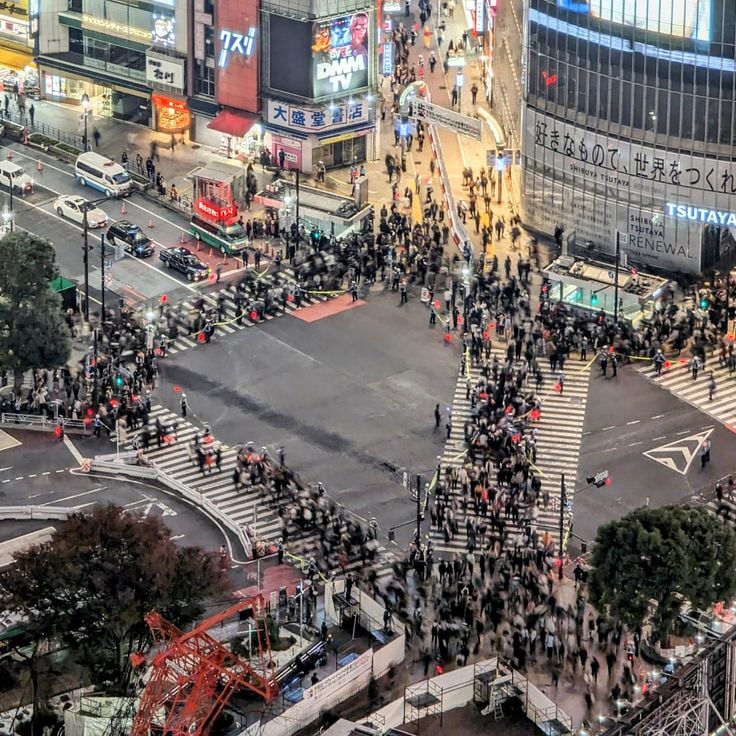
This pedestrian intersection accommodates up to 2500 people crossing simultaneously during peak hours. Shibuya Crossing connects surrounding districts through five large zebra crossings and provides opportunities to photograph the rhythm of urban life in Tokyo. The elevated viewpoints in adjacent buildings offer perspectives of the intersecting foot traffic patterns during signal changes.
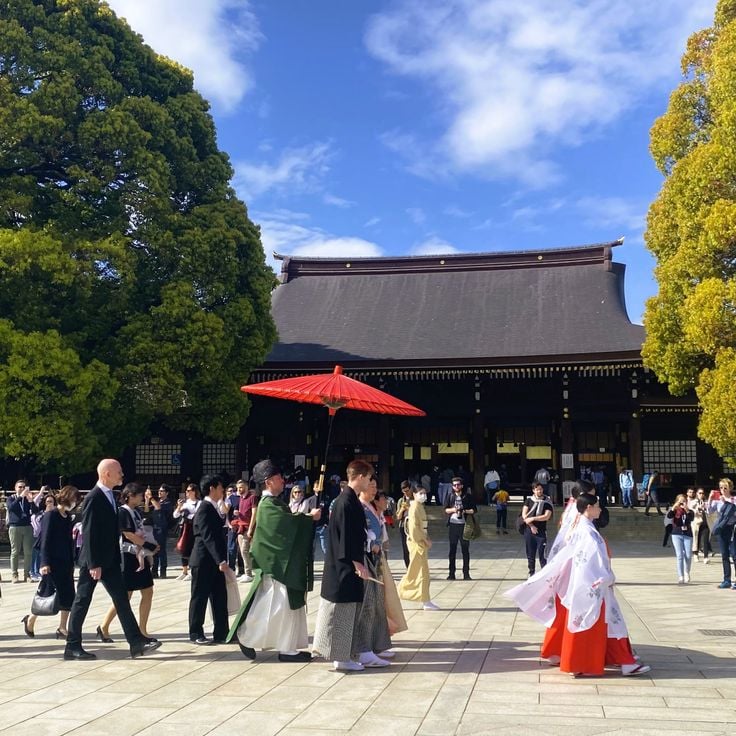
This Shinto shrine offers diverse opportunities to photograph traditional Japanese architecture and natural settings within its 170-acre (70-hectare) forest of 120000 trees. The 40-foot (12-meter) wooden torii gate at the entrance provides a commanding foreground element for compositions, while the gravel pathways and shrine buildings present quiet scenes within the metropolis. The contrast between the centuries-old structures and the surrounding modern city adds an essential spiritual dimension to Tokyo's photographic possibilities.
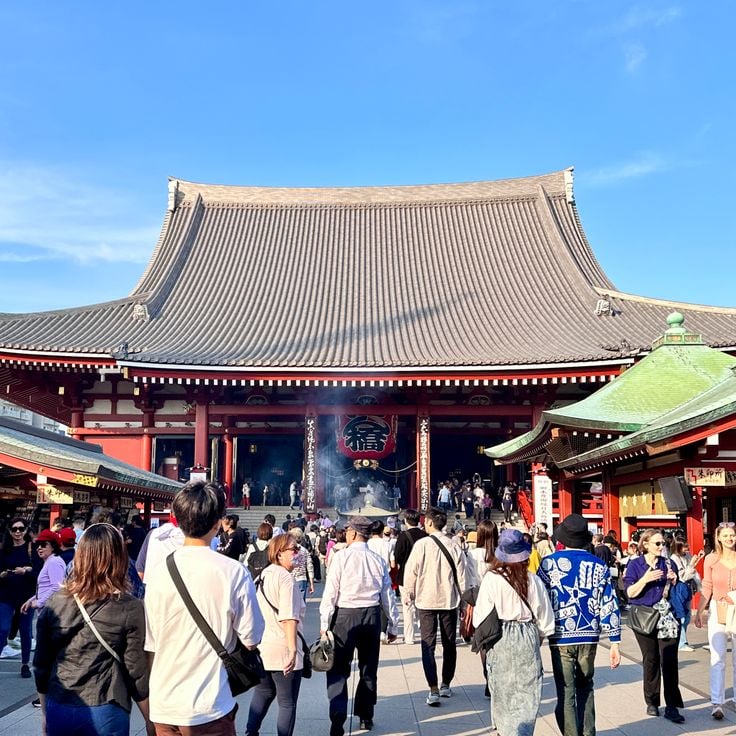
This Buddhist temple in Asakusa stands as one of Tokyo's oldest, founded in 645. The Nakamise-dori, a shopping street stretching about 660 feet (200 meters), connects the Kaminarimon Gate to the main hall. The five-story pagoda rises approximately 174 feet (53 meters) and serves as a prominent structure within the temple complex.
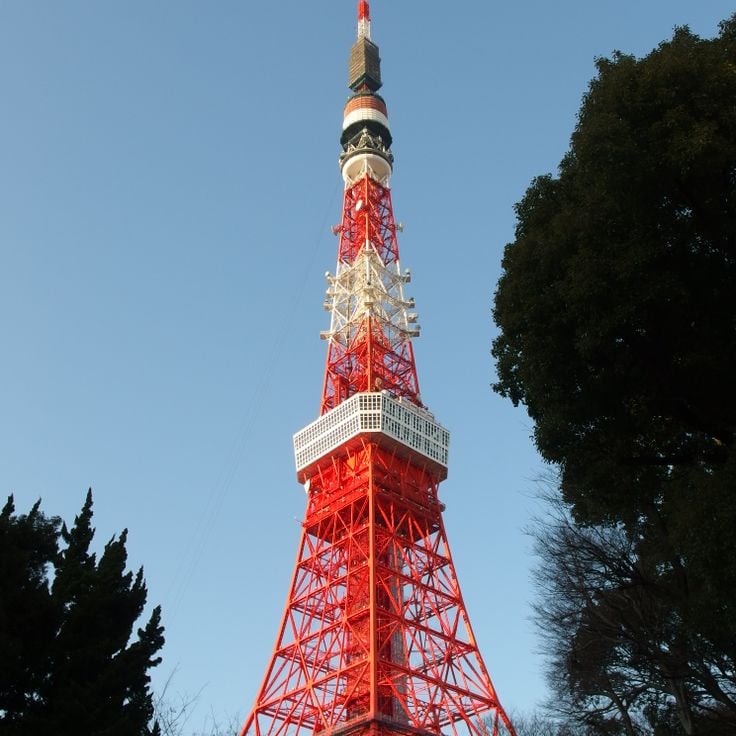
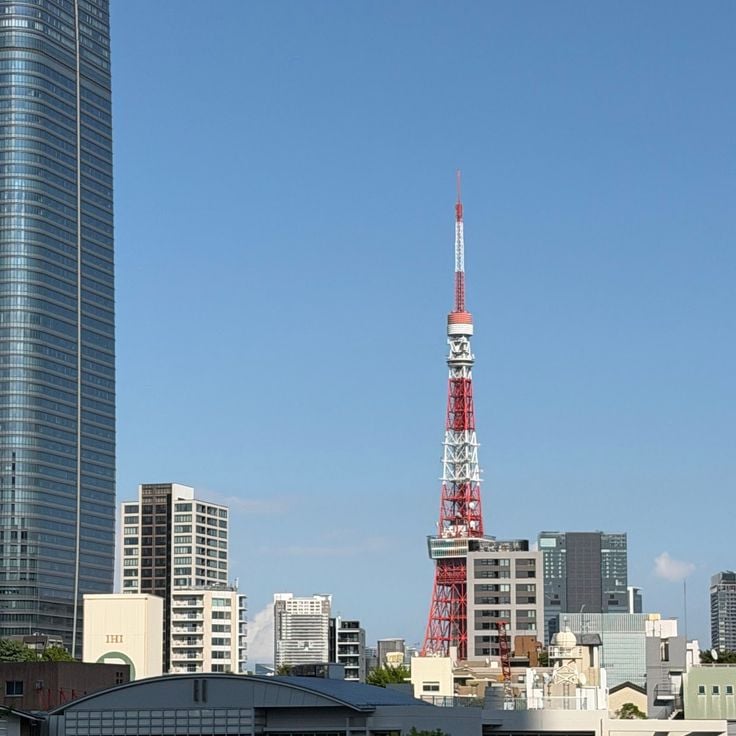
This 333-foot (333-meter) steel tower in Minato ward was completed in 1958 and weighs 4,000 tons. An observation deck at 490 feet (150 meters) provides expansive views across the Japanese capital, while the tower's red and white paint scheme makes it a recognizable element in Tokyo's skyline and offers photographic opportunities both during daytime and after dark.
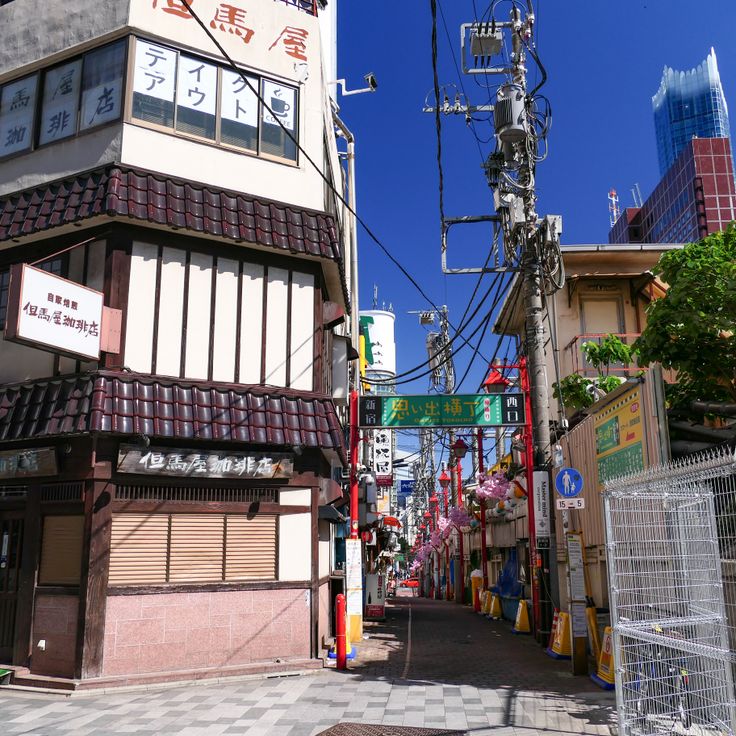
This alley in Shinjuku contains over forty small restaurants and bars serving Japanese dishes like yakitori and ramen. Omoide Yokocho preserves its postwar atmosphere with narrow passages and tiny establishments that offer insight into Tokyo's traditional dining culture. The illuminated signs and smoke from grills create interesting photo opportunities for this collection of Tokyo photo spots, particularly in evening hours.
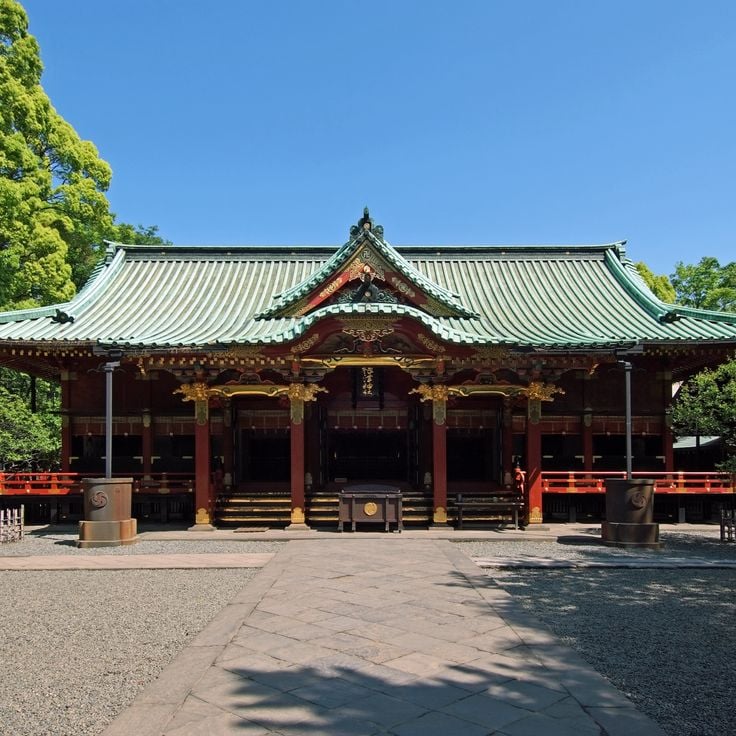
This Shinto shrine from 1705 sits in Bunkyo and offers a photo subject that combines history with nature. The garden displays 3000 azalea plants that bloom in April, creating a colorful contrast against the vermilion torii gates. The grounds allow shots of traditional architecture, stone lanterns, and winding paths through the garden. The best time for photography is during the azalea blooming period, when the site draws visitors from across the city. The shrine represents the kind of religious site in Tokyo that stands apart from the modern surroundings.
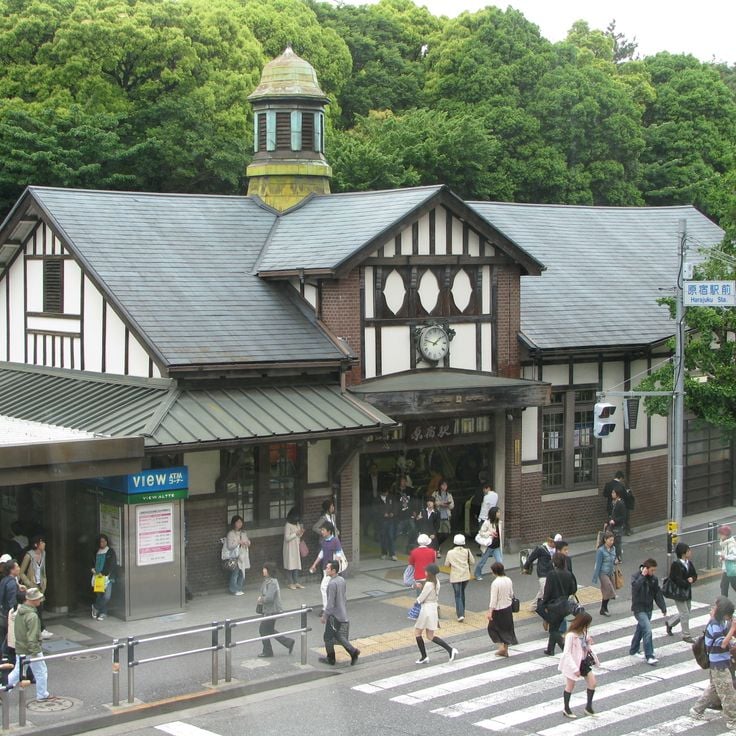
This neighborhood combines youth fashion with traditional elements, presenting narrow lanes filled with boutiques, cafes and restaurants along Takeshita Street. Harajuku offers contrasting photo subjects from colorful street style scenes to quiet side streets. The mix of modern consumer culture and historical structures illustrates urban life in Tokyo and allows for capturing different subjects in close proximity.
This park extends along a 2,300-foot (700-meter) walkway beside the Imperial Palace moat and provides access to 260 cherry trees of different varieties that create one of Tokyo's most compelling natural scenes during spring bloom, reflecting in the water as visitors stroll the paved path or rent boats on the moat to view the blossoms from a different perspective.
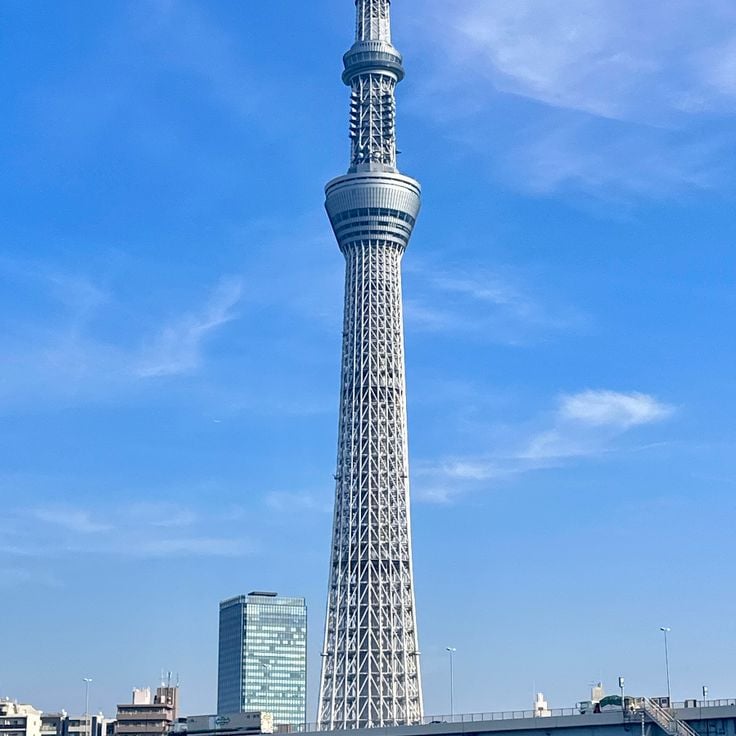
The Tokyo Skytree is a 2,080-foot (634-meter) broadcasting tower with two observation floors at 1,150 feet and 1,480 feet (350 and 450 meters) that provide full views of the city. This tower combines technical function with the role of an urban viewing platform and shows Tokyo from an elevated perspective. The floors enable photographs of neighborhoods, the river, and on clear days Mount Fuji. The structure stands within the context of Tokyo's modern landmarks and offers both daytime and nighttime captures of the metropolis.
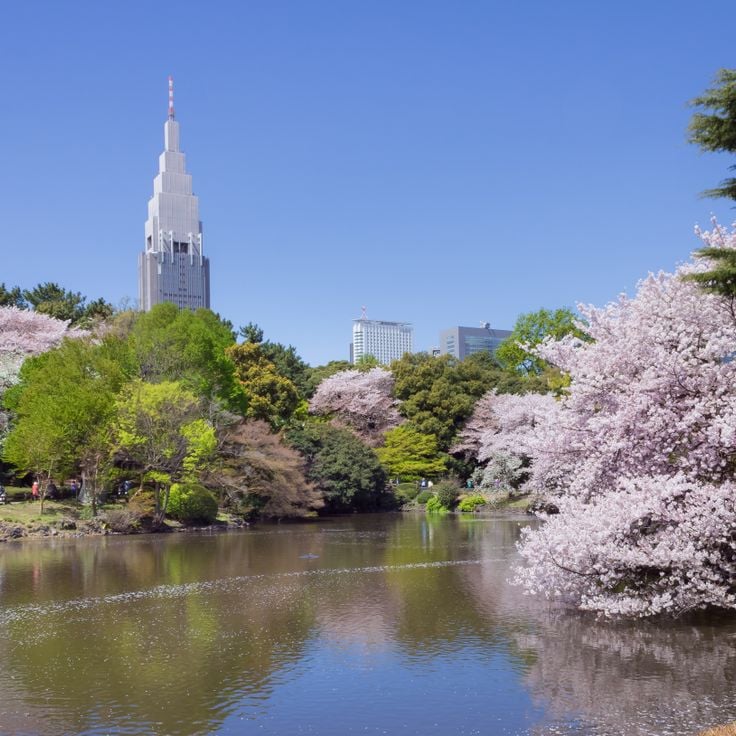
Shinjuku Gyoen National Garden spans 145 acres (58 hectares) and combines traditional Japanese landscaping with English and French garden designs across more than 20,000 trees, providing a calm contrast to the surrounding urban density of Tokyo where visitors can photograph distinct garden styles, seasonal changes and carefully maintained landscapes through wide lawns, ponds and winding paths that connect different sections, with the cherry blossoms in spring and autumn foliage offering particularly strong photographic subjects throughout the park.
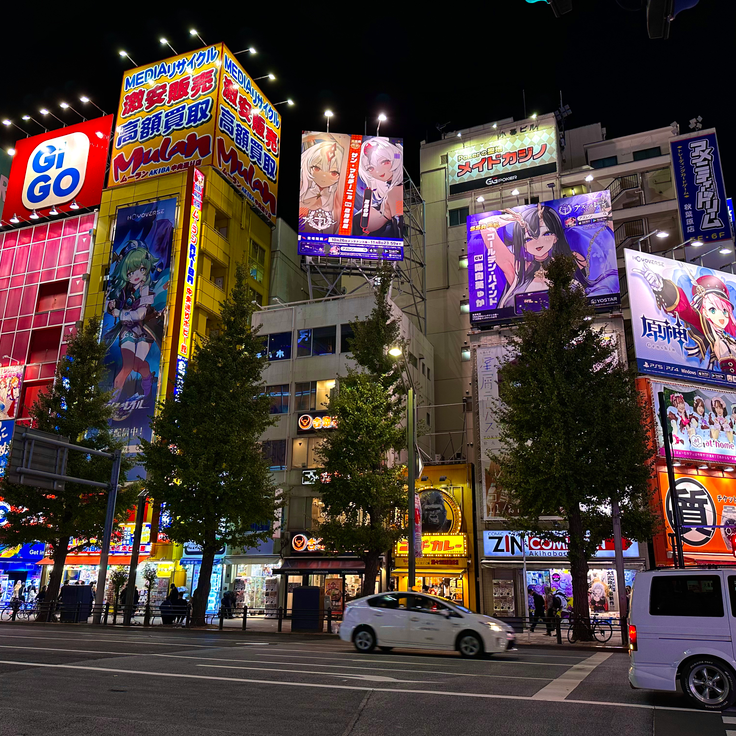
Akihabara Electric Town is the center of Tokyo's electronics and pop culture scene, known for its multistory shops selling everything from computer components and video games to anime merchandise. The district's bright signage, crowded alleys, and themed cafes provide distinctive shots of Japanese urban culture, while the streets create a dynamic environment for daytime and evening photography that documents modern technology and entertainment.
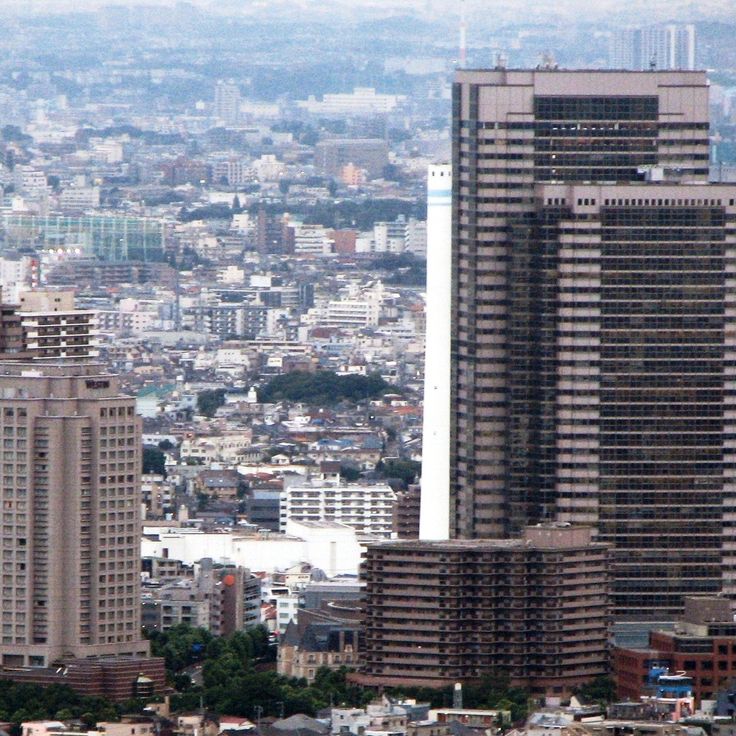
This 238-meter (781-foot) tower houses the Mori Art Museum and an observation floor on the 52nd level, providing clear views across Tokyo's skyline. The elevation enables photography of the city during daylight and after dark, when millions of lights illuminate the metropolis. The observation area works well for wide-angle shots of the densely built cityscape and landmarks such as Tokyo Tower and Tokyo Skytree.
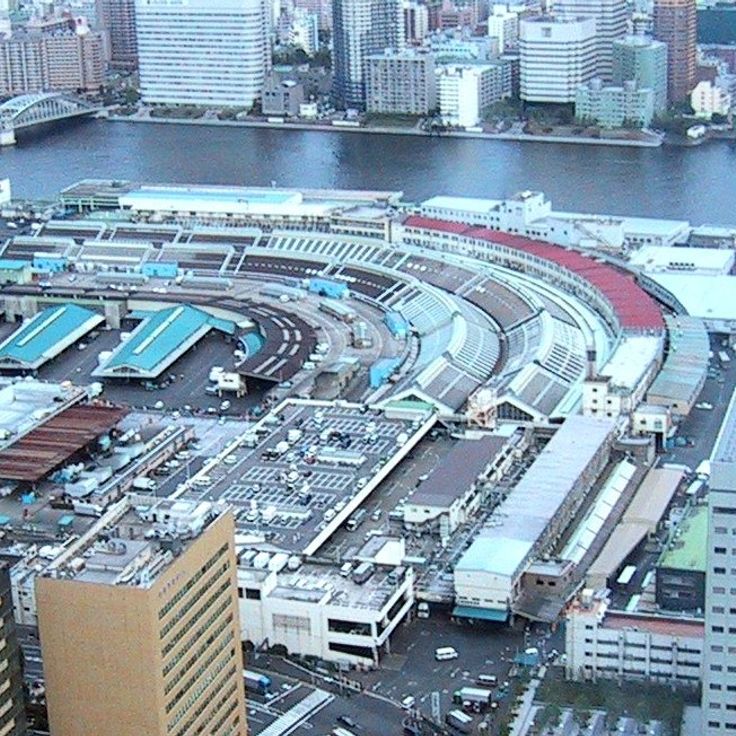
This traditional fish market in Chuo Ward showcases authentic Tokyo through more than 400 shops selling fresh seafood, kitchen utensils and local specialties. Tsukiji Market offers photographic opportunities of the busy vendor stalls, colorful displays and culinary scenes that document Japanese market culture.
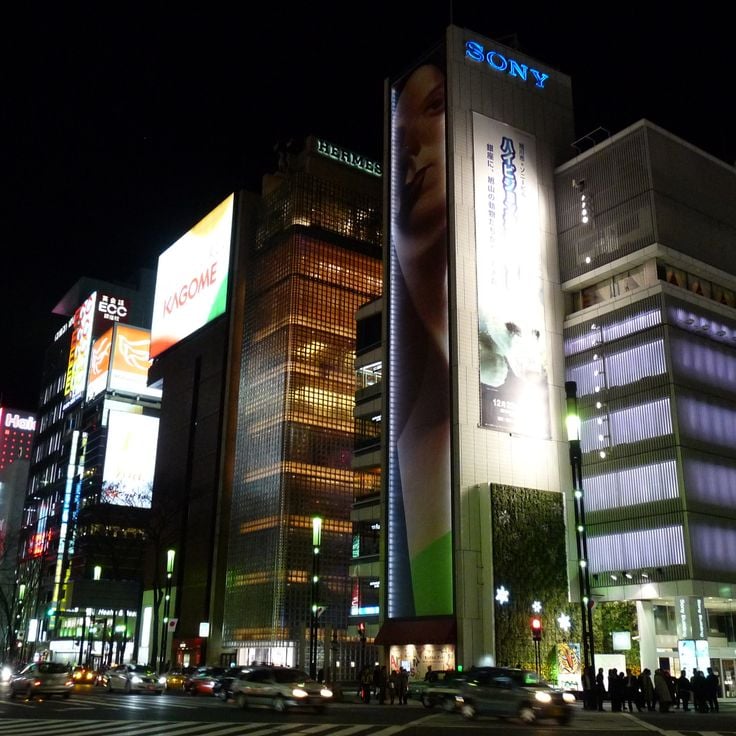
This commercial district ranks among Tokyo's central shopping areas and combines international fashion brands with Japanese department stores. The wide streets and architectural mix of historic buildings like Kabukiza Theater and modern high-rises create different photographic subjects. Ginza District offers shots of busy intersections, storefront displays and traditional theater performances within the urban setting of the capital.
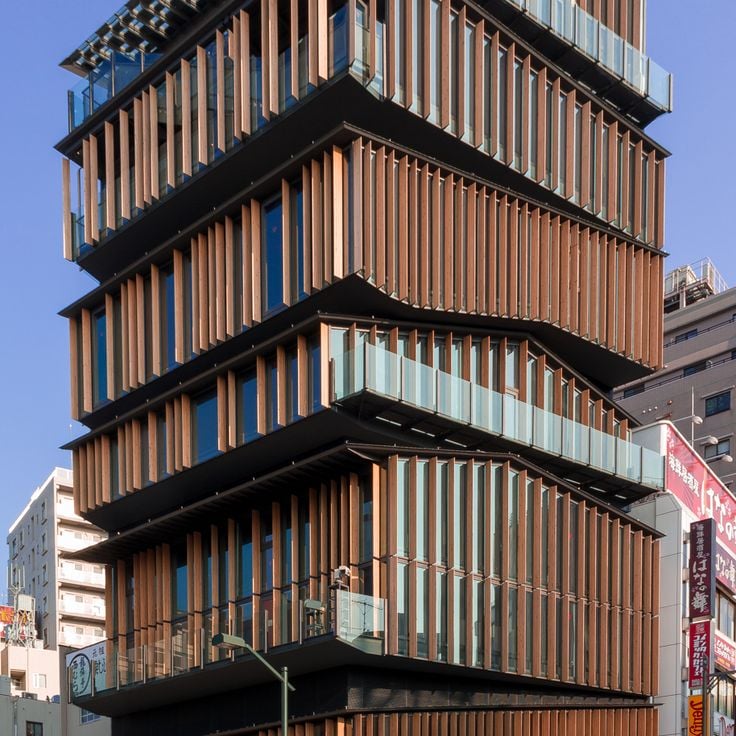
This eight-story building in the Asakusa district features an observation point on the top floor that provides views across Senso-ji temple and the busy shopping street below. The Asakusa Center offers an elevated perspective on one of Tokyo's most traditional neighborhoods, where modern retail sits alongside centuries-old Buddhist structures. The viewing platform allows photographers to capture the relationship between the historic temple complex and the surrounding urban architecture, particularly on clear days when the sightlines extend across several city blocks.
This Buddhist temple displays hundreds of white Maneki Neko figures left by visitors as thanks for answered prayers. The beckoning cat statues, considered good luck charms in Japanese tradition, fill several areas of the temple grounds and create a subject that connects Tokyo's spiritual heritage with folk customs. The temple sits in a residential neighborhood of Setagaya and offers a contrast to the busy central districts.
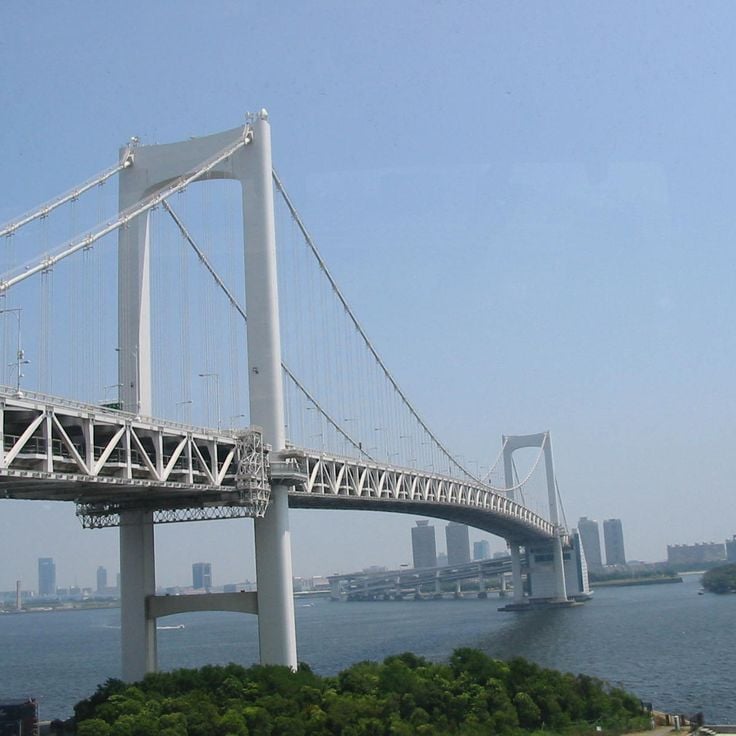
This bridge connects Shibaura to the artificial island of Odaiba across Tokyo Bay. The white steel structure spans 3,000 feet (918 meters) and carries both vehicular and rail traffic. After dark, LED systems illuminate the supporting framework, creating an urban subject that demonstrates Tokyo's modern infrastructure. Photographs can be taken from various waterfront points and from Odaiba Marine Park.
This park covers 134 acres (54 hectares) with ginkgo trees, a bird sanctuary, and a grass field for sporting events, offering an extensive green space in Tokyo for various photographic subjects, from individual trees to crowds at events and seasonal nature shots in an urban context.
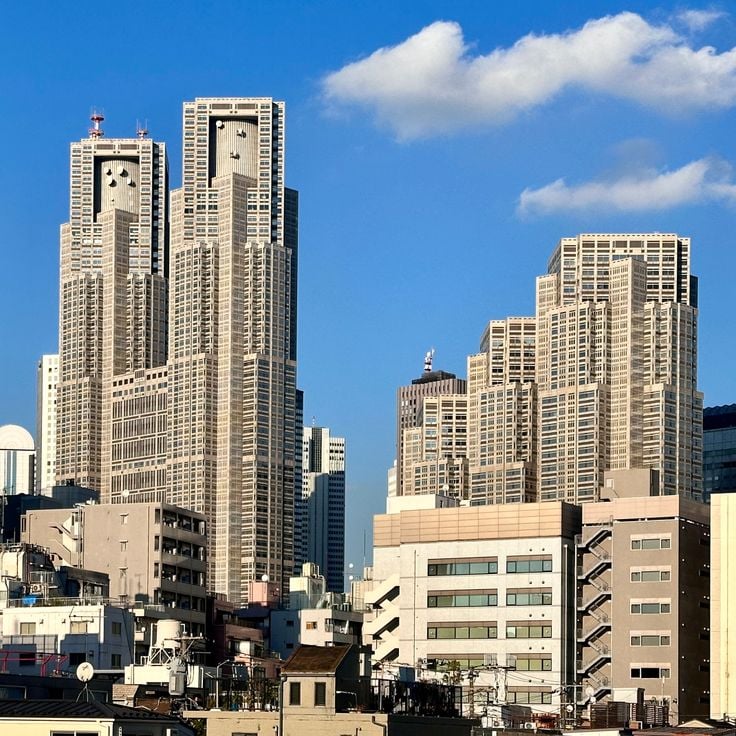
This government complex features twin towers rising 243 meters (797 feet) above Shinjuku and offers observation decks on the 45th floor with broad views over Tokyo's residential areas, business districts and, on clear days, Mount Fuji in the distance. Access is free, and the height provides angles on the urban sprawl and the surrounding skyscrapers, particularly effective at dusk when the city lights begin to activate. The decks face different directions, allowing photographers to capture varied aspects of the metropolis.
This canal in Meguro extends for several kilometers and is lined with more than 800 cherry trees that become the main attraction during spring bloom. The walkways along both banks provide access to restaurants, shops, and art galleries housed in converted warehouses. Nakameguro Canal presents a quieter contrast to the crowded districts of Tokyo and works well for photography along the waterway during different times of day and seasons.
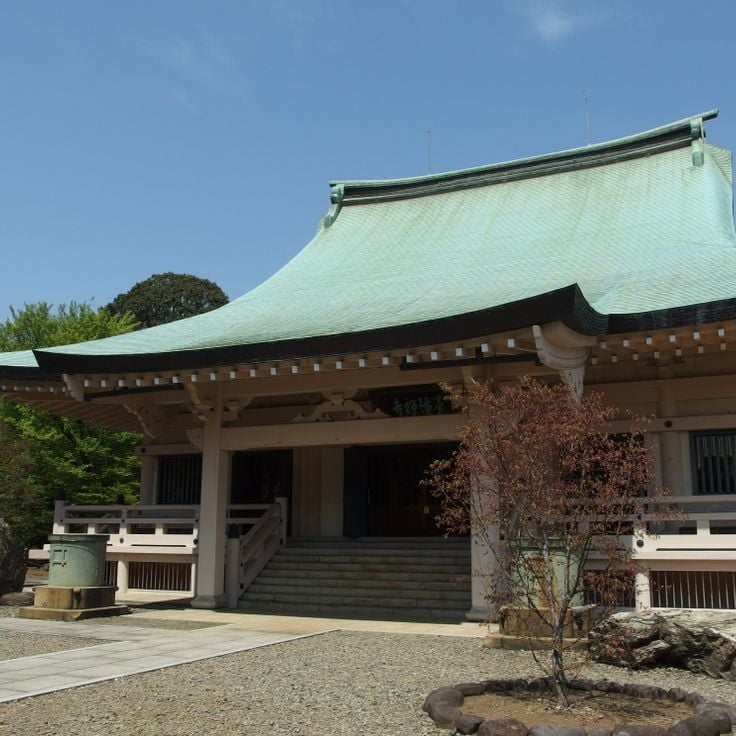
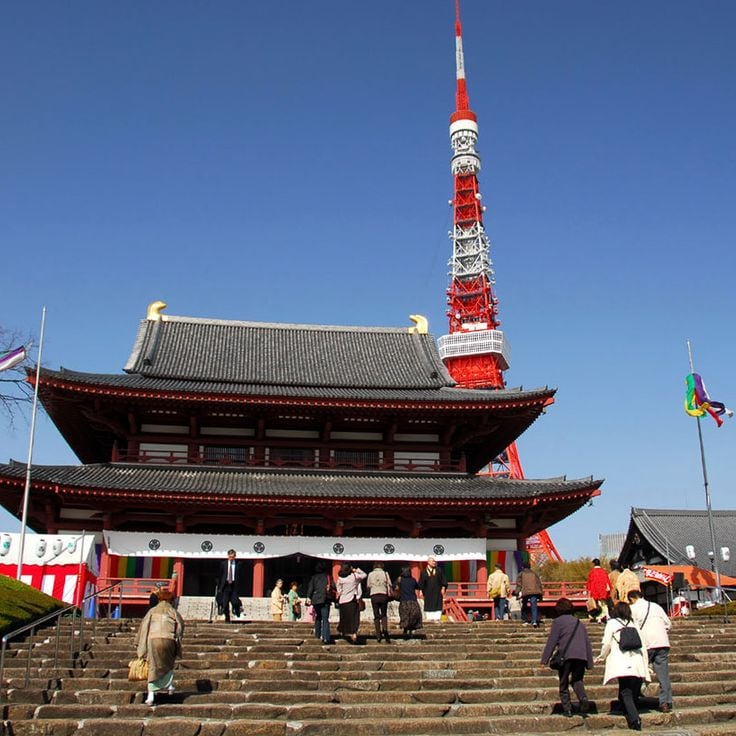
This 17th-century Buddhist temple stands at the base of Tokyo Tower and combines traditional architecture with modern cityscape. The main hall houses Buddhist statues while the temple grounds provide direct views of the 1,093-foot (333-meter) tower, creating contrast between historic spirituality and contemporary engineering.
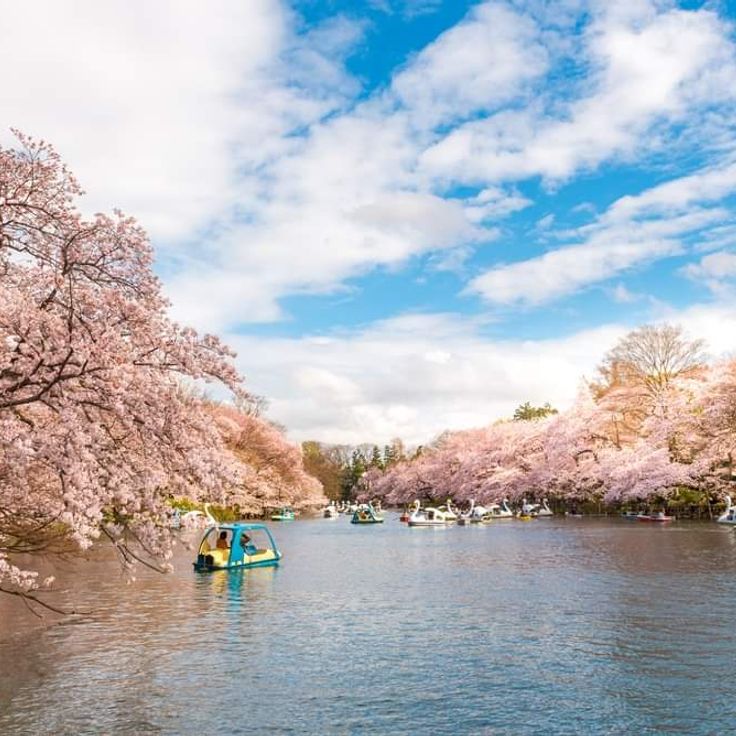
This park combines a central lake with paths through wooded areas and open spaces in the western part of the city. Inokashira Park provides multiple perspectives across the water and becomes a major location for cherry blossom photography in spring when roughly four hundred trees bloom along the shoreline and visitors appear in rental boats.
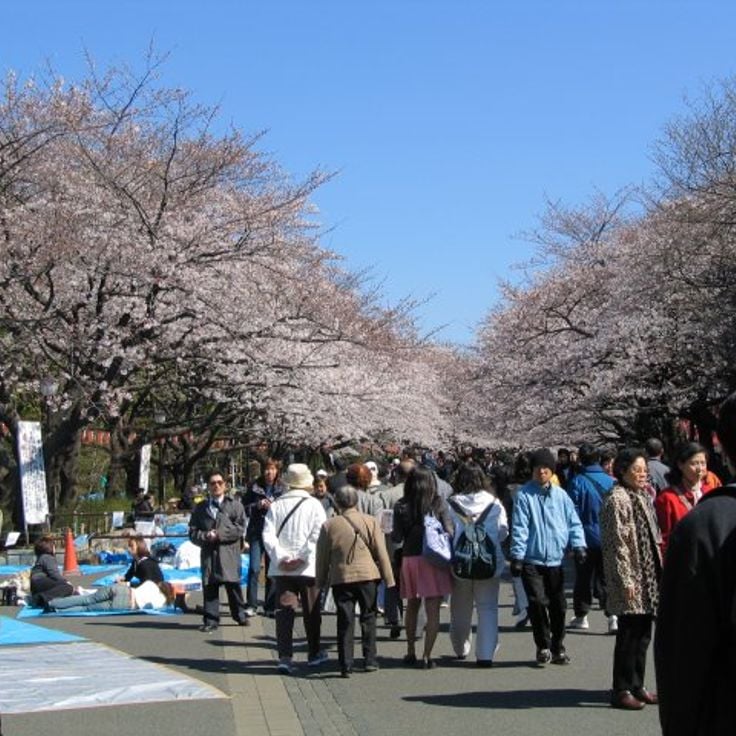
This expansive public park in Taito district houses several art museums, the National Museum of Nature and Science, and a zoological garden. Ueno Park's roughly 1000 cherry trees draw hundreds of thousands of visitors each year, particularly during spring bloom when the tree-lined paths turn pale pink. The sprawling grounds offer photo opportunities ranging from traditional Japanese gardens to modern museum architecture, with temple structures and pond views adding historic elements to the urban green space.
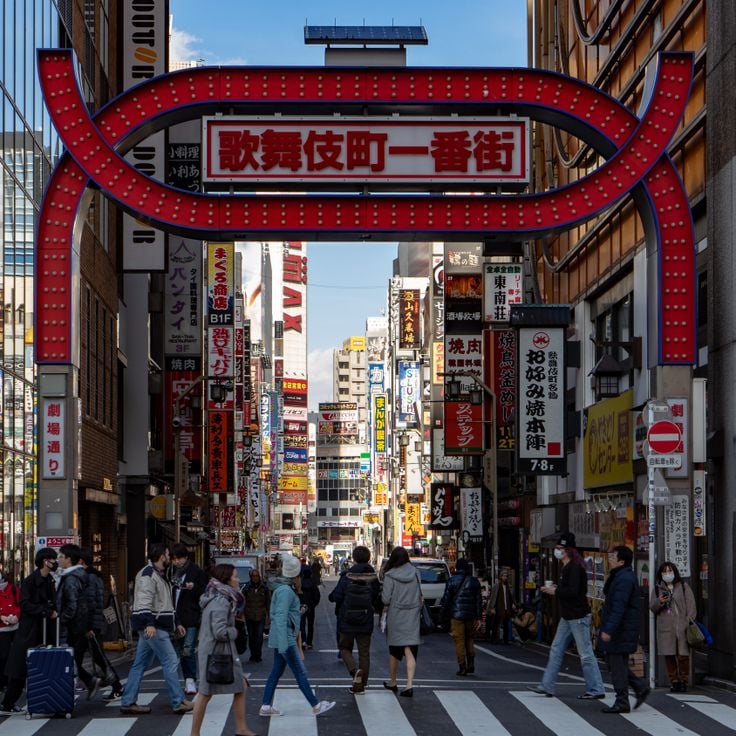
This entertainment district offers a typical example of nocturnal cityscape with its countless restaurants, bars and karaoke venues. The neon signs of Kabukicho create intense color contrasts and enable captures of Tokyo's urban energies. The streets display commercial architecture and crowds after nightfall. Photographers use the changing light conditions and movement for dynamic compositions.
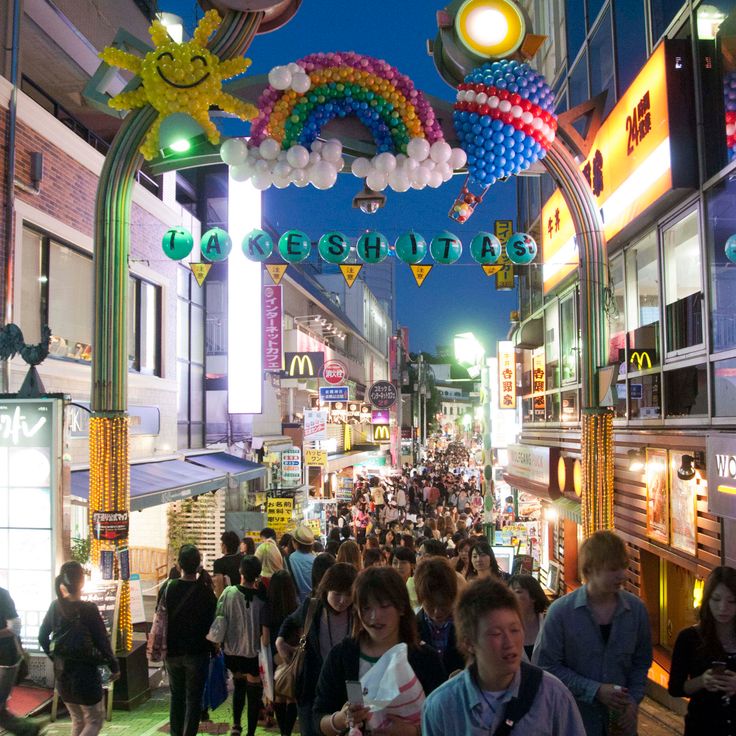
This 400-meter shopping street runs between Harajuku Station and Meiji Street, lined with fashion boutiques, candy shops and restaurants. Takeshita Street documents Tokyo's youth culture and current fashion trends, providing typical urban scenes and street views for photography in this collection.
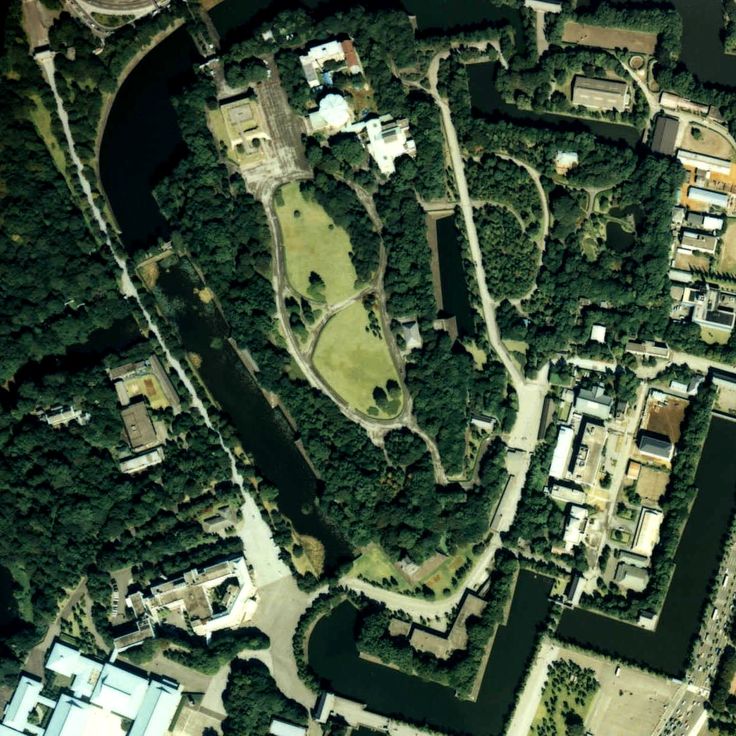
The Imperial Palace East Gardens combine Japanese landscaping with Edo-period architecture, offering photographers stone fortification walls, traditional ponds and more than two hundred cherry trees. These public gardens in central Tokyo present different seasons through changing vegetation and connect historical elements with maintained green spaces that contrast with the surrounding modern cityscape. The site provides morning light on stone structures and afternoon views across water features.
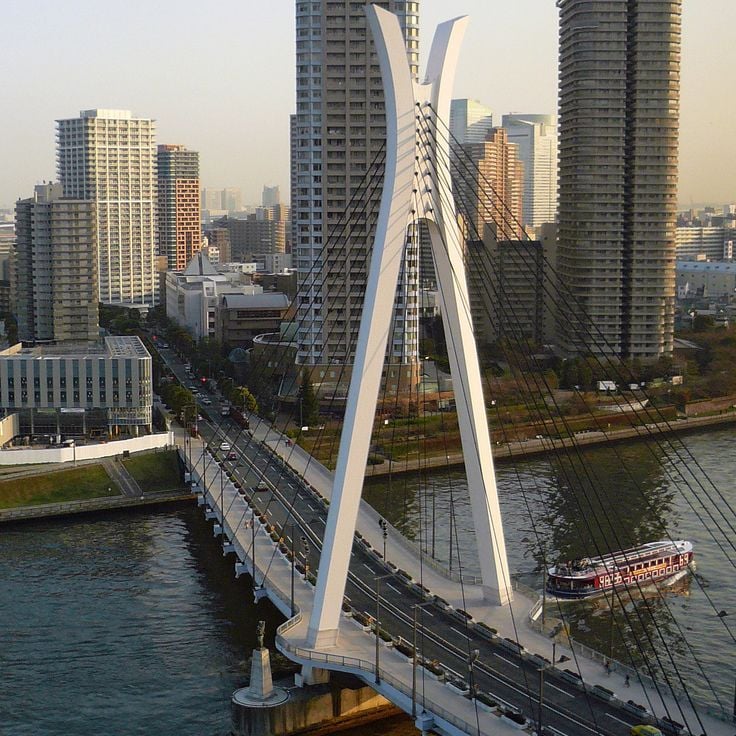
This river connects Tokyo Harbor to the Arakawa across 17 miles (27 kilometers) and supports boat tours between Asakusa and Odaiba. The Sumida River provides photographers with perspectives on historic bridges, waterfront landscapes, and the city skyline from the water. The boat tours open views of landmarks including Tokyo Skytree and traditional neighborhoods along the banks, while the river landscape documents the contrast between old and new Tokyo.
Ebisu Garden Place occupies the site of a former brewery and consists of restaurants, the Yebisu Beer Museum, shops and an observation tower. The complex combines architectural elements with open plazas and provides views of different parts of the city. The structure demonstrates modern construction methods and serves as an example of Tokyo's urban development. Photographers find subjects ranging from building facades to city perspectives.
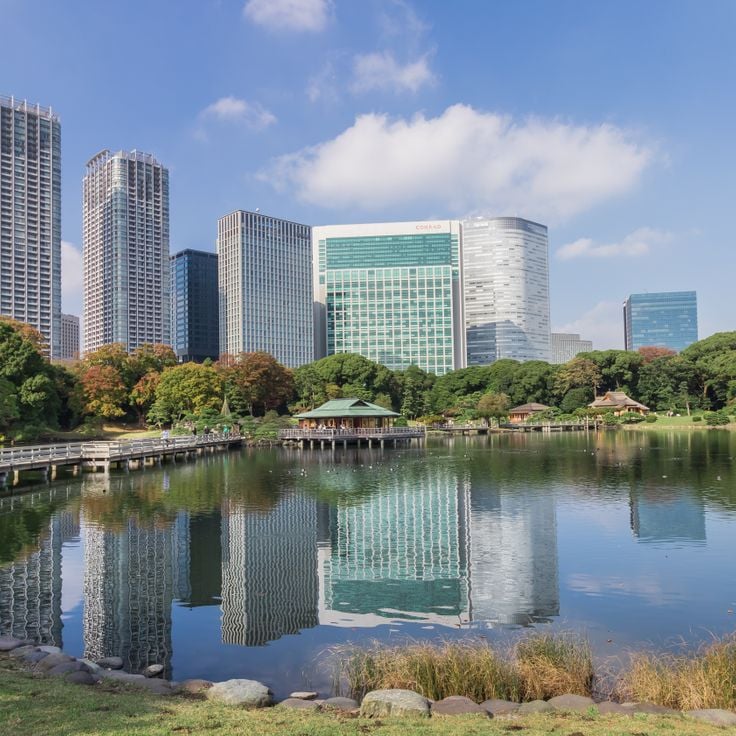
This Edo period garden combines traditional teahouses, saltwater ponds and bridges with changing flower beds in central Tokyo. Hamarikyu Gardens offers historic landscape design with views of modern high-rises, enabling photos that capture the contrast between Tokyo's traditional and contemporary elements.
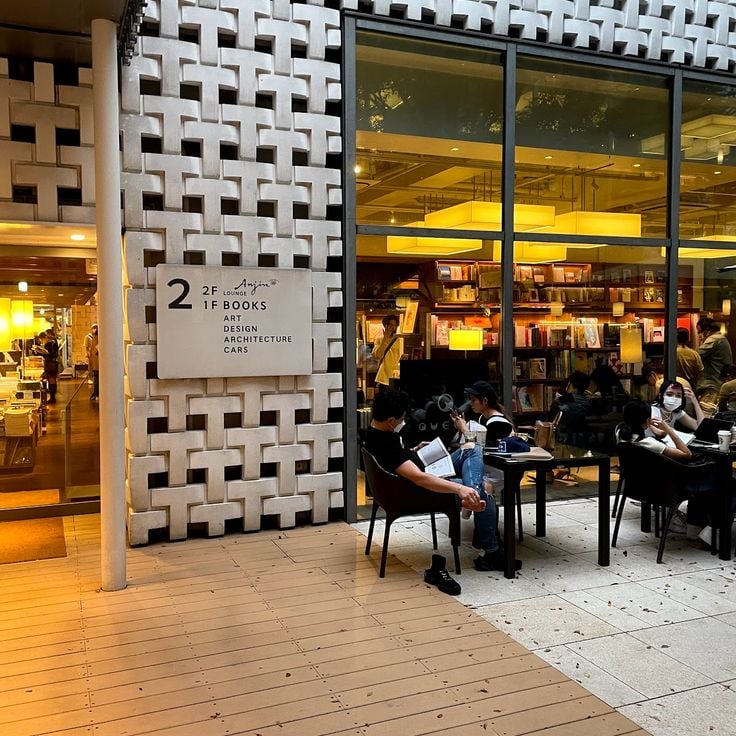
This modern architectural complex in Shibuya combines a bookstore, restaurants and shops under a design concept featuring white facades and geometric patterns. Daikanyama T-Site offers photographers a contrast to Tokyo's traditional temples and shrines. The clean lines and contemporary aesthetic of this complex fit into the city's diverse landscape and allow for capturing modern Japanese architecture alongside the capital's historic districts and urban viewpoints.
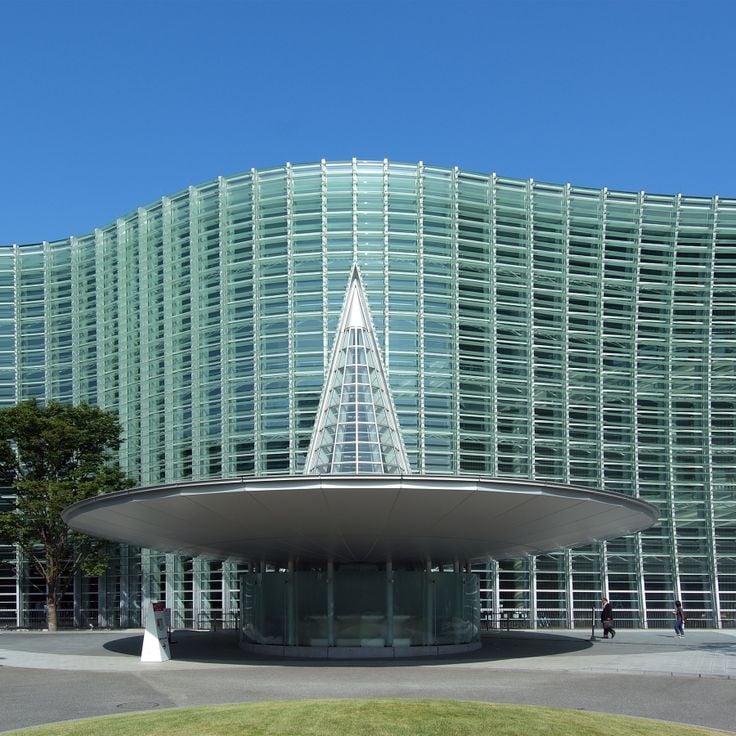
The National Art Center presents contemporary and modern art through rotating exhibitions in a building with an undulating glass facade in Roppongi. This institution maintains no permanent collection, instead providing space for various artistic projects and traveling shows. The transparent architecture offers photographers opportunities to capture the interplay of light, glass and exhibition spaces, while the modern design creates contrast with the historic temples and traditional gardens found elsewhere in Tokyo.
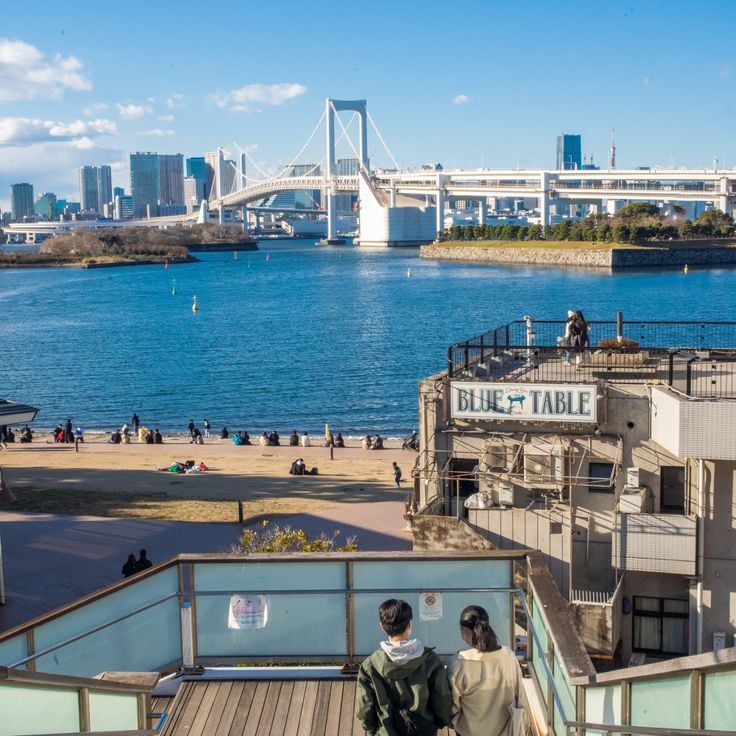
This coastal park on Tokyo Bay provides a sandy beach with direct views of the Rainbow Bridge and the city skyline, making it a versatile subject for daytime and evening shots. The combination of waterfront, urban architecture and the distinctive bridge span allows photographs that document the contrast between modern development and the open bay.
This pedestrian intersection accommodates up to 2500 people crossing simultaneously during peak hours. Shibuya Crossing connects surrounding districts through five large zebra crossings and provides opportunities to photograph the rhythm of urban life in Tokyo. The elevated viewpoints in adjacent buildings offer perspectives of the intersecting foot traffic patterns during signal changes.
This Shinto shrine offers diverse opportunities to photograph traditional Japanese architecture and natural settings within its 170-acre (70-hectare) forest of 120000 trees. The 40-foot (12-meter) wooden torii gate at the entrance provides a commanding foreground element for compositions, while the gravel pathways and shrine buildings present quiet scenes within the metropolis. The contrast between the centuries-old structures and the surrounding modern city adds an essential spiritual dimension to Tokyo's photographic possibilities.
This Buddhist temple in Asakusa stands as one of Tokyo's oldest, founded in 645. The Nakamise-dori, a shopping street stretching about 660 feet (200 meters), connects the Kaminarimon Gate to the main hall. The five-story pagoda rises approximately 174 feet (53 meters) and serves as a prominent structure within the temple complex.
This 333-foot (333-meter) steel tower in Minato ward was completed in 1958 and weighs 4,000 tons. An observation deck at 490 feet (150 meters) provides expansive views across the Japanese capital, while the tower's red and white paint scheme makes it a recognizable element in Tokyo's skyline and offers photographic opportunities both during daytime and after dark.
This alley in Shinjuku contains over forty small restaurants and bars serving Japanese dishes like yakitori and ramen. Omoide Yokocho preserves its postwar atmosphere with narrow passages and tiny establishments that offer insight into Tokyo's traditional dining culture. The illuminated signs and smoke from grills create interesting photo opportunities for this collection of Tokyo photo spots, particularly in evening hours.
This Shinto shrine from 1705 sits in Bunkyo and offers a photo subject that combines history with nature. The garden displays 3000 azalea plants that bloom in April, creating a colorful contrast against the vermilion torii gates. The grounds allow shots of traditional architecture, stone lanterns, and winding paths through the garden. The best time for photography is during the azalea blooming period, when the site draws visitors from across the city. The shrine represents the kind of religious site in Tokyo that stands apart from the modern surroundings.
This neighborhood combines youth fashion with traditional elements, presenting narrow lanes filled with boutiques, cafes and restaurants along Takeshita Street. Harajuku offers contrasting photo subjects from colorful street style scenes to quiet side streets. The mix of modern consumer culture and historical structures illustrates urban life in Tokyo and allows for capturing different subjects in close proximity.
This park extends along a 2,300-foot (700-meter) walkway beside the Imperial Palace moat and provides access to 260 cherry trees of different varieties that create one of Tokyo's most compelling natural scenes during spring bloom, reflecting in the water as visitors stroll the paved path or rent boats on the moat to view the blossoms from a different perspective.
The Tokyo Skytree is a 2,080-foot (634-meter) broadcasting tower with two observation floors at 1,150 feet and 1,480 feet (350 and 450 meters) that provide full views of the city. This tower combines technical function with the role of an urban viewing platform and shows Tokyo from an elevated perspective. The floors enable photographs of neighborhoods, the river, and on clear days Mount Fuji. The structure stands within the context of Tokyo's modern landmarks and offers both daytime and nighttime captures of the metropolis.
Shinjuku Gyoen National Garden spans 145 acres (58 hectares) and combines traditional Japanese landscaping with English and French garden designs across more than 20,000 trees, providing a calm contrast to the surrounding urban density of Tokyo where visitors can photograph distinct garden styles, seasonal changes and carefully maintained landscapes through wide lawns, ponds and winding paths that connect different sections, with the cherry blossoms in spring and autumn foliage offering particularly strong photographic subjects throughout the park.
Akihabara Electric Town is the center of Tokyo's electronics and pop culture scene, known for its multistory shops selling everything from computer components and video games to anime merchandise. The district's bright signage, crowded alleys, and themed cafes provide distinctive shots of Japanese urban culture, while the streets create a dynamic environment for daytime and evening photography that documents modern technology and entertainment.
This 238-meter (781-foot) tower houses the Mori Art Museum and an observation floor on the 52nd level, providing clear views across Tokyo's skyline. The elevation enables photography of the city during daylight and after dark, when millions of lights illuminate the metropolis. The observation area works well for wide-angle shots of the densely built cityscape and landmarks such as Tokyo Tower and Tokyo Skytree.
This traditional fish market in Chuo Ward showcases authentic Tokyo through more than 400 shops selling fresh seafood, kitchen utensils and local specialties. Tsukiji Market offers photographic opportunities of the busy vendor stalls, colorful displays and culinary scenes that document Japanese market culture.
This commercial district ranks among Tokyo's central shopping areas and combines international fashion brands with Japanese department stores. The wide streets and architectural mix of historic buildings like Kabukiza Theater and modern high-rises create different photographic subjects. Ginza District offers shots of busy intersections, storefront displays and traditional theater performances within the urban setting of the capital.
This eight-story building in the Asakusa district features an observation point on the top floor that provides views across Senso-ji temple and the busy shopping street below. The Asakusa Center offers an elevated perspective on one of Tokyo's most traditional neighborhoods, where modern retail sits alongside centuries-old Buddhist structures. The viewing platform allows photographers to capture the relationship between the historic temple complex and the surrounding urban architecture, particularly on clear days when the sightlines extend across several city blocks.
This Buddhist temple displays hundreds of white Maneki Neko figures left by visitors as thanks for answered prayers. The beckoning cat statues, considered good luck charms in Japanese tradition, fill several areas of the temple grounds and create a subject that connects Tokyo's spiritual heritage with folk customs. The temple sits in a residential neighborhood of Setagaya and offers a contrast to the busy central districts.
This bridge connects Shibaura to the artificial island of Odaiba across Tokyo Bay. The white steel structure spans 3,000 feet (918 meters) and carries both vehicular and rail traffic. After dark, LED systems illuminate the supporting framework, creating an urban subject that demonstrates Tokyo's modern infrastructure. Photographs can be taken from various waterfront points and from Odaiba Marine Park.
This park covers 134 acres (54 hectares) with ginkgo trees, a bird sanctuary, and a grass field for sporting events, offering an extensive green space in Tokyo for various photographic subjects, from individual trees to crowds at events and seasonal nature shots in an urban context.
This government complex features twin towers rising 243 meters (797 feet) above Shinjuku and offers observation decks on the 45th floor with broad views over Tokyo's residential areas, business districts and, on clear days, Mount Fuji in the distance. Access is free, and the height provides angles on the urban sprawl and the surrounding skyscrapers, particularly effective at dusk when the city lights begin to activate. The decks face different directions, allowing photographers to capture varied aspects of the metropolis.
This canal in Meguro extends for several kilometers and is lined with more than 800 cherry trees that become the main attraction during spring bloom. The walkways along both banks provide access to restaurants, shops, and art galleries housed in converted warehouses. Nakameguro Canal presents a quieter contrast to the crowded districts of Tokyo and works well for photography along the waterway during different times of day and seasons.
This 17th-century Buddhist temple stands at the base of Tokyo Tower and combines traditional architecture with modern cityscape. The main hall houses Buddhist statues while the temple grounds provide direct views of the 1,093-foot (333-meter) tower, creating contrast between historic spirituality and contemporary engineering.
This park combines a central lake with paths through wooded areas and open spaces in the western part of the city. Inokashira Park provides multiple perspectives across the water and becomes a major location for cherry blossom photography in spring when roughly four hundred trees bloom along the shoreline and visitors appear in rental boats.
This expansive public park in Taito district houses several art museums, the National Museum of Nature and Science, and a zoological garden. Ueno Park's roughly 1000 cherry trees draw hundreds of thousands of visitors each year, particularly during spring bloom when the tree-lined paths turn pale pink. The sprawling grounds offer photo opportunities ranging from traditional Japanese gardens to modern museum architecture, with temple structures and pond views adding historic elements to the urban green space.
This entertainment district offers a typical example of nocturnal cityscape with its countless restaurants, bars and karaoke venues. The neon signs of Kabukicho create intense color contrasts and enable captures of Tokyo's urban energies. The streets display commercial architecture and crowds after nightfall. Photographers use the changing light conditions and movement for dynamic compositions.
This 400-meter shopping street runs between Harajuku Station and Meiji Street, lined with fashion boutiques, candy shops and restaurants. Takeshita Street documents Tokyo's youth culture and current fashion trends, providing typical urban scenes and street views for photography in this collection.
The Imperial Palace East Gardens combine Japanese landscaping with Edo-period architecture, offering photographers stone fortification walls, traditional ponds and more than two hundred cherry trees. These public gardens in central Tokyo present different seasons through changing vegetation and connect historical elements with maintained green spaces that contrast with the surrounding modern cityscape. The site provides morning light on stone structures and afternoon views across water features.
This river connects Tokyo Harbor to the Arakawa across 17 miles (27 kilometers) and supports boat tours between Asakusa and Odaiba. The Sumida River provides photographers with perspectives on historic bridges, waterfront landscapes, and the city skyline from the water. The boat tours open views of landmarks including Tokyo Skytree and traditional neighborhoods along the banks, while the river landscape documents the contrast between old and new Tokyo.
Ebisu Garden Place occupies the site of a former brewery and consists of restaurants, the Yebisu Beer Museum, shops and an observation tower. The complex combines architectural elements with open plazas and provides views of different parts of the city. The structure demonstrates modern construction methods and serves as an example of Tokyo's urban development. Photographers find subjects ranging from building facades to city perspectives.
This Edo period garden combines traditional teahouses, saltwater ponds and bridges with changing flower beds in central Tokyo. Hamarikyu Gardens offers historic landscape design with views of modern high-rises, enabling photos that capture the contrast between Tokyo's traditional and contemporary elements.
This modern architectural complex in Shibuya combines a bookstore, restaurants and shops under a design concept featuring white facades and geometric patterns. Daikanyama T-Site offers photographers a contrast to Tokyo's traditional temples and shrines. The clean lines and contemporary aesthetic of this complex fit into the city's diverse landscape and allow for capturing modern Japanese architecture alongside the capital's historic districts and urban viewpoints.
The National Art Center presents contemporary and modern art through rotating exhibitions in a building with an undulating glass facade in Roppongi. This institution maintains no permanent collection, instead providing space for various artistic projects and traveling shows. The transparent architecture offers photographers opportunities to capture the interplay of light, glass and exhibition spaces, while the modern design creates contrast with the historic temples and traditional gardens found elsewhere in Tokyo.
This coastal park on Tokyo Bay provides a sandy beach with direct views of the Rainbow Bridge and the city skyline, making it a versatile subject for daytime and evening shots. The combination of waterfront, urban architecture and the distinctive bridge span allows photographs that document the contrast between modern development and the open bay.
This pedestrian intersection accommodates up to 2500 people crossing simultaneously during peak hours. Shibuya Crossing connects surrounding districts through five large zebra crossings and provides opportunities to photograph the rhythm of urban life in Tokyo. The elevated viewpoints in adjacent buildings offer perspectives of the intersecting foot traffic patterns during signal changes.
This Shinto shrine offers diverse opportunities to photograph traditional Japanese architecture and natural settings within its 170-acre (70-hectare) forest of 120000 trees. The 40-foot (12-meter) wooden torii gate at the entrance provides a commanding foreground element for compositions, while the gravel pathways and shrine buildings present quiet scenes within the metropolis. The contrast between the centuries-old structures and the surrounding modern city adds an essential spiritual dimension to Tokyo's photographic possibilities.
This Buddhist temple in Asakusa stands as one of Tokyo's oldest, founded in 645. The Nakamise-dori, a shopping street stretching about 660 feet (200 meters), connects the Kaminarimon Gate to the main hall. The five-story pagoda rises approximately 174 feet (53 meters) and serves as a prominent structure within the temple complex.
This 333-foot (333-meter) steel tower in Minato ward was completed in 1958 and weighs 4,000 tons. An observation deck at 490 feet (150 meters) provides expansive views across the Japanese capital, while the tower's red and white paint scheme makes it a recognizable element in Tokyo's skyline and offers photographic opportunities both during daytime and after dark.
This alley in Shinjuku contains over forty small restaurants and bars serving Japanese dishes like yakitori and ramen. Omoide Yokocho preserves its postwar atmosphere with narrow passages and tiny establishments that offer insight into Tokyo's traditional dining culture. The illuminated signs and smoke from grills create interesting photo opportunities for this collection of Tokyo photo spots, particularly in evening hours.
This Shinto shrine from 1705 sits in Bunkyo and offers a photo subject that combines history with nature. The garden displays 3000 azalea plants that bloom in April, creating a colorful contrast against the vermilion torii gates. The grounds allow shots of traditional architecture, stone lanterns, and winding paths through the garden. The best time for photography is during the azalea blooming period, when the site draws visitors from across the city. The shrine represents the kind of religious site in Tokyo that stands apart from the modern surroundings.
This neighborhood combines youth fashion with traditional elements, presenting narrow lanes filled with boutiques, cafes and restaurants along Takeshita Street. Harajuku offers contrasting photo subjects from colorful street style scenes to quiet side streets. The mix of modern consumer culture and historical structures illustrates urban life in Tokyo and allows for capturing different subjects in close proximity.
This park extends along a 2,300-foot (700-meter) walkway beside the Imperial Palace moat and provides access to 260 cherry trees of different varieties that create one of Tokyo's most compelling natural scenes during spring bloom, reflecting in the water as visitors stroll the paved path or rent boats on the moat to view the blossoms from a different perspective.
The Tokyo Skytree is a 2,080-foot (634-meter) broadcasting tower with two observation floors at 1,150 feet and 1,480 feet (350 and 450 meters) that provide full views of the city. This tower combines technical function with the role of an urban viewing platform and shows Tokyo from an elevated perspective. The floors enable photographs of neighborhoods, the river, and on clear days Mount Fuji. The structure stands within the context of Tokyo's modern landmarks and offers both daytime and nighttime captures of the metropolis.
Shinjuku Gyoen National Garden spans 145 acres (58 hectares) and combines traditional Japanese landscaping with English and French garden designs across more than 20,000 trees, providing a calm contrast to the surrounding urban density of Tokyo where visitors can photograph distinct garden styles, seasonal changes and carefully maintained landscapes through wide lawns, ponds and winding paths that connect different sections, with the cherry blossoms in spring and autumn foliage offering particularly strong photographic subjects throughout the park.
Akihabara Electric Town is the center of Tokyo's electronics and pop culture scene, known for its multistory shops selling everything from computer components and video games to anime merchandise. The district's bright signage, crowded alleys, and themed cafes provide distinctive shots of Japanese urban culture, while the streets create a dynamic environment for daytime and evening photography that documents modern technology and entertainment.
This 238-meter (781-foot) tower houses the Mori Art Museum and an observation floor on the 52nd level, providing clear views across Tokyo's skyline. The elevation enables photography of the city during daylight and after dark, when millions of lights illuminate the metropolis. The observation area works well for wide-angle shots of the densely built cityscape and landmarks such as Tokyo Tower and Tokyo Skytree.
This traditional fish market in Chuo Ward showcases authentic Tokyo through more than 400 shops selling fresh seafood, kitchen utensils and local specialties. Tsukiji Market offers photographic opportunities of the busy vendor stalls, colorful displays and culinary scenes that document Japanese market culture.
This commercial district ranks among Tokyo's central shopping areas and combines international fashion brands with Japanese department stores. The wide streets and architectural mix of historic buildings like Kabukiza Theater and modern high-rises create different photographic subjects. Ginza District offers shots of busy intersections, storefront displays and traditional theater performances within the urban setting of the capital.
This eight-story building in the Asakusa district features an observation point on the top floor that provides views across Senso-ji temple and the busy shopping street below. The Asakusa Center offers an elevated perspective on one of Tokyo's most traditional neighborhoods, where modern retail sits alongside centuries-old Buddhist structures. The viewing platform allows photographers to capture the relationship between the historic temple complex and the surrounding urban architecture, particularly on clear days when the sightlines extend across several city blocks.
This Buddhist temple displays hundreds of white Maneki Neko figures left by visitors as thanks for answered prayers. The beckoning cat statues, considered good luck charms in Japanese tradition, fill several areas of the temple grounds and create a subject that connects Tokyo's spiritual heritage with folk customs. The temple sits in a residential neighborhood of Setagaya and offers a contrast to the busy central districts.
This bridge connects Shibaura to the artificial island of Odaiba across Tokyo Bay. The white steel structure spans 3,000 feet (918 meters) and carries both vehicular and rail traffic. After dark, LED systems illuminate the supporting framework, creating an urban subject that demonstrates Tokyo's modern infrastructure. Photographs can be taken from various waterfront points and from Odaiba Marine Park.
This park covers 134 acres (54 hectares) with ginkgo trees, a bird sanctuary, and a grass field for sporting events, offering an extensive green space in Tokyo for various photographic subjects, from individual trees to crowds at events and seasonal nature shots in an urban context.
This government complex features twin towers rising 243 meters (797 feet) above Shinjuku and offers observation decks on the 45th floor with broad views over Tokyo's residential areas, business districts and, on clear days, Mount Fuji in the distance. Access is free, and the height provides angles on the urban sprawl and the surrounding skyscrapers, particularly effective at dusk when the city lights begin to activate. The decks face different directions, allowing photographers to capture varied aspects of the metropolis.
This canal in Meguro extends for several kilometers and is lined with more than 800 cherry trees that become the main attraction during spring bloom. The walkways along both banks provide access to restaurants, shops, and art galleries housed in converted warehouses. Nakameguro Canal presents a quieter contrast to the crowded districts of Tokyo and works well for photography along the waterway during different times of day and seasons.
This 17th-century Buddhist temple stands at the base of Tokyo Tower and combines traditional architecture with modern cityscape. The main hall houses Buddhist statues while the temple grounds provide direct views of the 1,093-foot (333-meter) tower, creating contrast between historic spirituality and contemporary engineering.
This park combines a central lake with paths through wooded areas and open spaces in the western part of the city. Inokashira Park provides multiple perspectives across the water and becomes a major location for cherry blossom photography in spring when roughly four hundred trees bloom along the shoreline and visitors appear in rental boats.
This expansive public park in Taito district houses several art museums, the National Museum of Nature and Science, and a zoological garden. Ueno Park's roughly 1000 cherry trees draw hundreds of thousands of visitors each year, particularly during spring bloom when the tree-lined paths turn pale pink. The sprawling grounds offer photo opportunities ranging from traditional Japanese gardens to modern museum architecture, with temple structures and pond views adding historic elements to the urban green space.
This entertainment district offers a typical example of nocturnal cityscape with its countless restaurants, bars and karaoke venues. The neon signs of Kabukicho create intense color contrasts and enable captures of Tokyo's urban energies. The streets display commercial architecture and crowds after nightfall. Photographers use the changing light conditions and movement for dynamic compositions.
This 400-meter shopping street runs between Harajuku Station and Meiji Street, lined with fashion boutiques, candy shops and restaurants. Takeshita Street documents Tokyo's youth culture and current fashion trends, providing typical urban scenes and street views for photography in this collection.
The Imperial Palace East Gardens combine Japanese landscaping with Edo-period architecture, offering photographers stone fortification walls, traditional ponds and more than two hundred cherry trees. These public gardens in central Tokyo present different seasons through changing vegetation and connect historical elements with maintained green spaces that contrast with the surrounding modern cityscape. The site provides morning light on stone structures and afternoon views across water features.
This river connects Tokyo Harbor to the Arakawa across 17 miles (27 kilometers) and supports boat tours between Asakusa and Odaiba. The Sumida River provides photographers with perspectives on historic bridges, waterfront landscapes, and the city skyline from the water. The boat tours open views of landmarks including Tokyo Skytree and traditional neighborhoods along the banks, while the river landscape documents the contrast between old and new Tokyo.
Ebisu Garden Place occupies the site of a former brewery and consists of restaurants, the Yebisu Beer Museum, shops and an observation tower. The complex combines architectural elements with open plazas and provides views of different parts of the city. The structure demonstrates modern construction methods and serves as an example of Tokyo's urban development. Photographers find subjects ranging from building facades to city perspectives.
This Edo period garden combines traditional teahouses, saltwater ponds and bridges with changing flower beds in central Tokyo. Hamarikyu Gardens offers historic landscape design with views of modern high-rises, enabling photos that capture the contrast between Tokyo's traditional and contemporary elements.
This modern architectural complex in Shibuya combines a bookstore, restaurants and shops under a design concept featuring white facades and geometric patterns. Daikanyama T-Site offers photographers a contrast to Tokyo's traditional temples and shrines. The clean lines and contemporary aesthetic of this complex fit into the city's diverse landscape and allow for capturing modern Japanese architecture alongside the capital's historic districts and urban viewpoints.
The National Art Center presents contemporary and modern art through rotating exhibitions in a building with an undulating glass facade in Roppongi. This institution maintains no permanent collection, instead providing space for various artistic projects and traveling shows. The transparent architecture offers photographers opportunities to capture the interplay of light, glass and exhibition spaces, while the modern design creates contrast with the historic temples and traditional gardens found elsewhere in Tokyo.
This coastal park on Tokyo Bay provides a sandy beach with direct views of the Rainbow Bridge and the city skyline, making it a versatile subject for daytime and evening shots. The combination of waterfront, urban architecture and the distinctive bridge span allows photographs that document the contrast between modern development and the open bay.