Akihabara, Electronics and anime district in central Tokyo, Japan
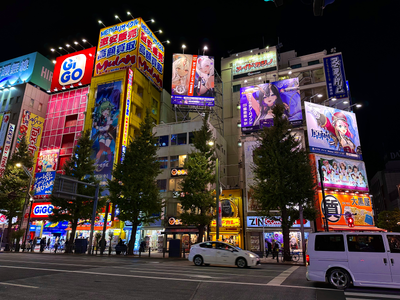
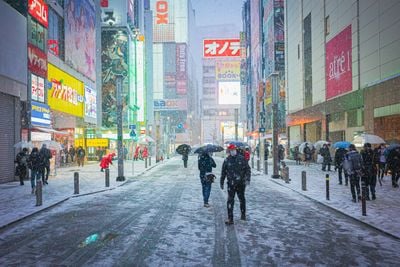
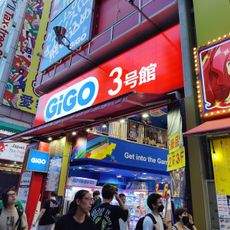
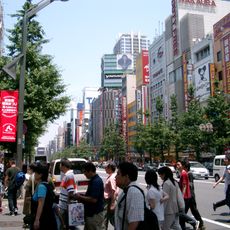
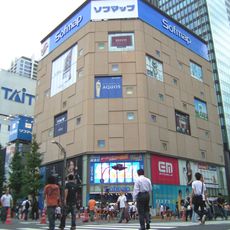
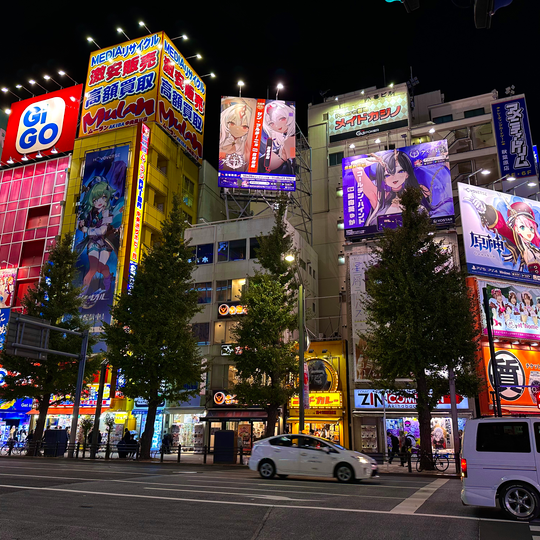
Akihabara is an electronics and anime district in central Tokyo characterized by bright neon signs, digital billboards, and tall buildings housing retail shops. The streets are densely packed with electronics stores, anime merchandise outlets, and smaller specialty shops stacked across multiple floors.
After World War II, the district emerged from a black market into a central marketplace for electronic goods and later became Japan's primary technology retail hub. This transformation was closely tied to Japan's reconstruction and the growth of its electronics industry.
Maid cafes throughout the district present a distinct social experience where staff members dress in maid uniforms and interact with customers through games and performances. This form of entertainment has become deeply embedded in how visitors experience the neighborhood.
Chuo Dori is no longer closed to traffic on Sunday and holiday afternoons; that 35-year practice ended after the June 2008 attack at the Kanda Myojin-dori crossing. Akihabara Station is served by the Yamanote, Keihin-Tohoku and Chuo-Sobu lines plus the Hibiya subway and Tsukuba Express; Iwamotocho and Suehirocho stations are also nearby.
The name Akihabara shortens Akibagahara, from Akiba, the fire-controlling deity of a shrine built after an 1869 fire; the shrine was moved to Taitō ward once the station opened in 1888. Locals still call the district Akiba.
The community of curious travelers
AroundUs brings together thousands of curated places, local tips, and hidden gems, enriched daily by 93,772 contributors worldwide.