Meiji Shrine, Shinto shrine in Shibuya, Japan
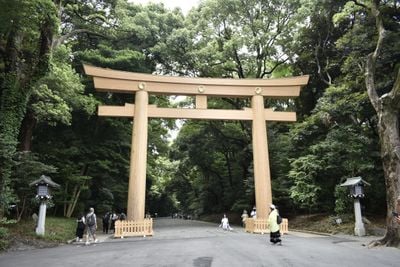
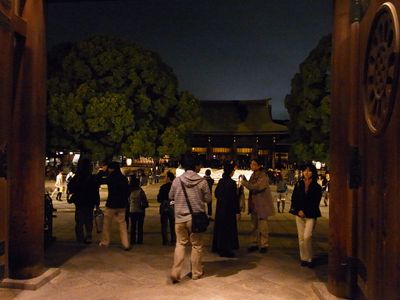
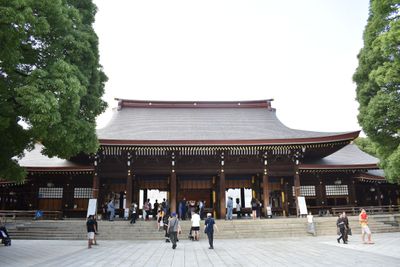
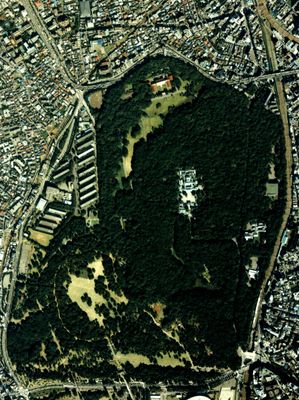
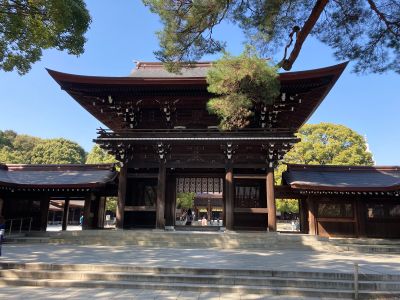
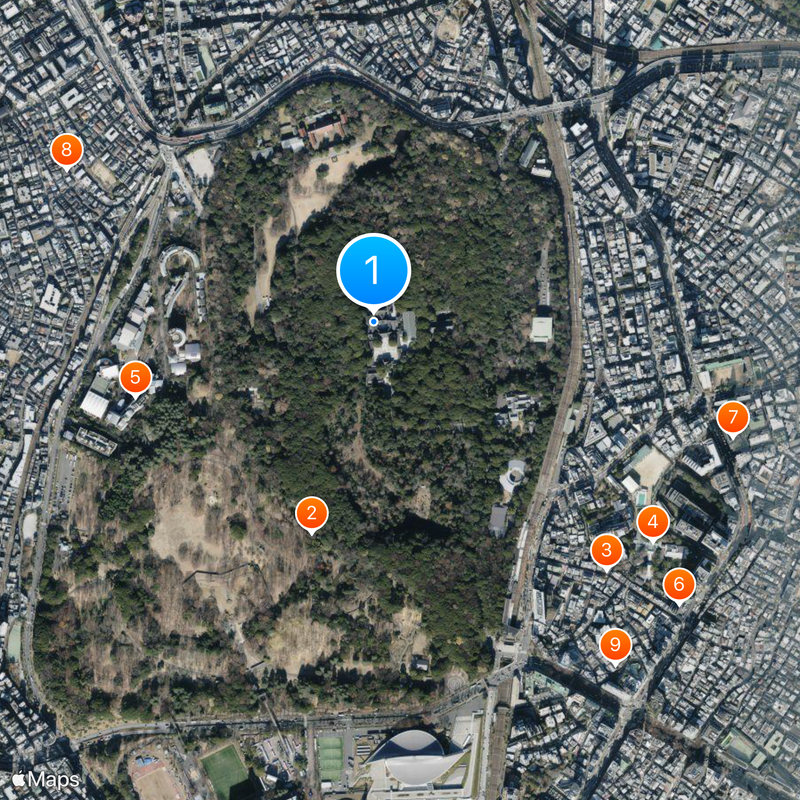
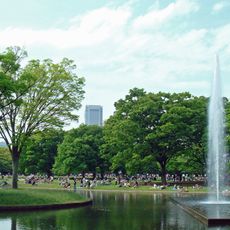
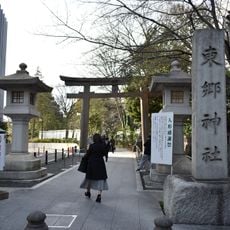
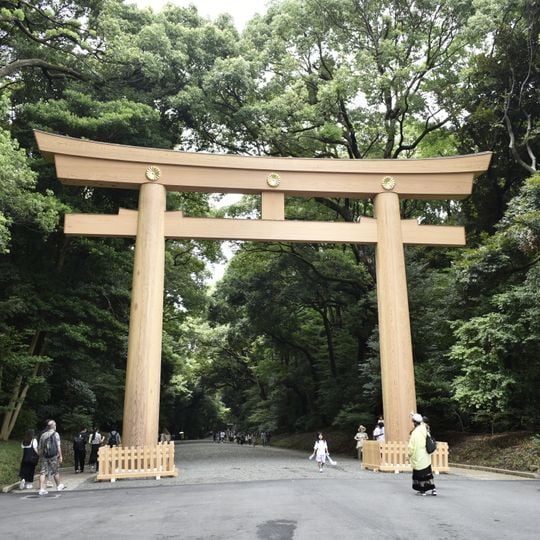
Meiji Jingū is a Shintō shrine in Yoyogi-Kamizono-chō in Tokyo's Shibuya ward, surrounded by a 170-acre forest containing over 120,000 trees from 365 species. The main path leads through tall wooden gates to a central courtyard, where the principal hall stands in cypress wood with a curved copper roof.
The site was built between 1915 and 1920 as a memorial to Emperor Meiji and Empress Shōken, who ruled in the late 19th and early 20th centuries. American air raids destroyed the buildings in 1945, but reconstruction followed the original designs and was completed by 1958.
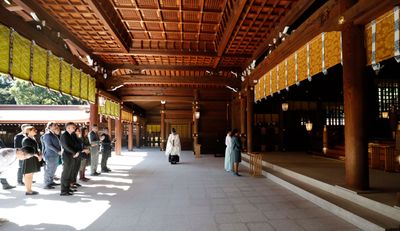
The name honors Emperor Meiji and Empress Shōken, who led Japan from a feudal realm into a modern state. Visitors today can still observe traditional wedding ceremonies in the shrine halls, where couples appear in historical dress.
The entrances through Harajuku or Yoyogi stations lead into the forest, from where a wide gravel path runs to the main courtyard. Opening hours vary by season, with early morning access in summer and earlier closing in winter.
The forest was artificially planted and gathered from across the country through donations, with each tree species carefully chosen to create a natural balance. Barrels of sake and wine stand stacked near the entrance as offerings, a custom that shows the link between traditional belief and modern life.
The community of curious travelers
AroundUs brings together thousands of curated places, local tips, and hidden gems, enriched daily by 60,000 contributors worldwide.