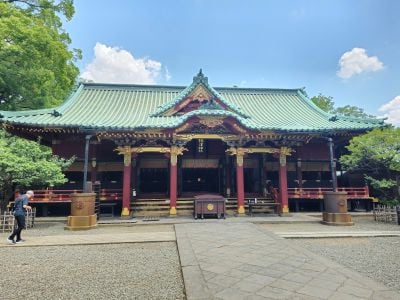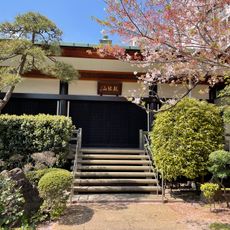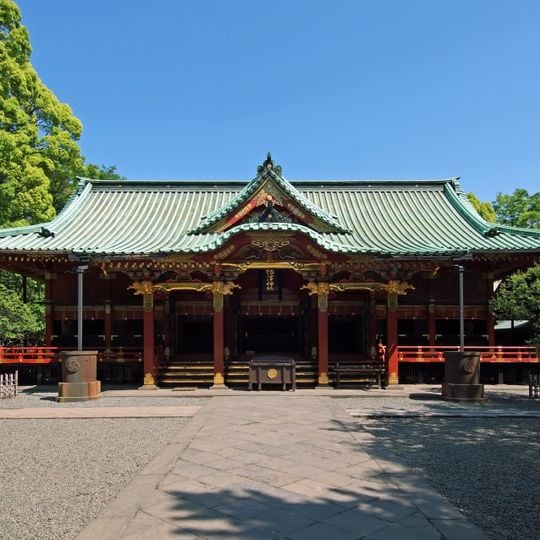
Nezu Shrine, Shinto shrine in Bunkyo ward, Tokyo, Japan.
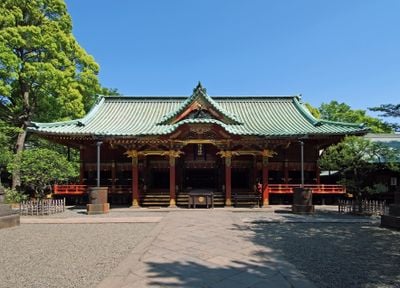
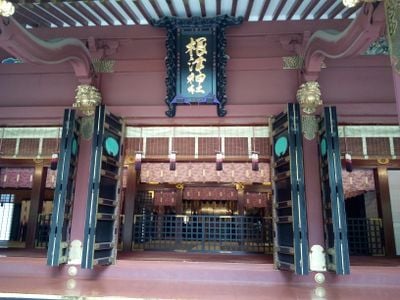
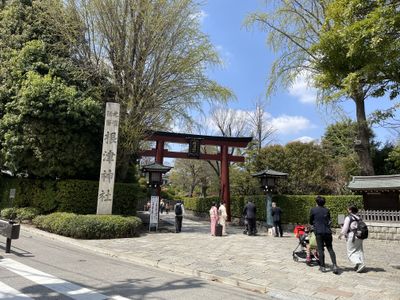
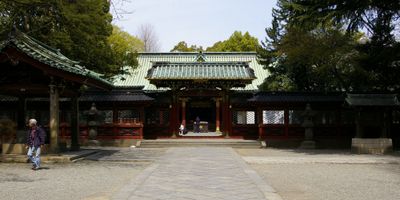
Nezu is a Shinto sanctuary in Bunkyo ward, Tokyo, with buildings in traditional style. The compound spreads across a hillside, with several covered torii walkways running through it.
The sanctuary was moved to its current site in 1705 and built for the future shogun. Today's buildings date from 1706 and survived the major destructions that struck Tokyo in the 20th century.
The name comes from the Nezu district where the sanctuary has stood for more than three centuries. Visitors come regularly to pray and walk through the red torii corridors along the slopes.
The nearest subway station is Nezu on the Chiyoda Line, a five-minute walk away. Entry is free, and visitors can move through the gardens along winding paths.
Every spring in April and May, around 3,000 azaleas bloom in many colors on the slopes. The plants grow close together and form a flowering carpet that draws visitors from across Tokyo.
Location: Nezu
Inception: 1705
Founders: Yamato Takeru
Architectural style: Ishi-no-ma-zukuri
Accessibility: Wheelchair limited access
Fee: No
Part of: Tokyo-jissha
Address: 東京都文京区根津一丁目28番9号
Opening Hours: Monday-Sunday 06:00-17:00
Phone: +81338220753
Email: webmaste@nedujinja.or.jp
Website: https://nedujinja.or.jp
GPS coordinates: 35.72023,139.76072
Latest update: December 5, 2025 16:35
Tokyo offers photographers a wide range of subjects, from centuries-old temples to modern skyscrapers and maintained gardens. The city combines traditional Japanese architecture with contemporary urban design, creating environments that shift throughout the day. Sites like Senso-ji Temple in Taito and Meiji Shrine in Shibuya present religious structures amid urban settings, while Tokyo Skytree in Sumida and Tokyo Tower in Minato provide elevated city views. The city's different districts showcase varied aspects of Japanese culture. Harajuku and Akihabara Electric Town in Chiyoda represent modern youth culture and technology, while Omoide Yokocho in Shinjuku offers a glimpse of postwar dining alleys. Parks including Shinjuku Gyoen National Garden, Yoyogi Park, and Chidorigafuchi Park provide seasonal photo opportunities, particularly during cherry blossom season. Shibuya Crossing demonstrates urban movement, Nakameguro Canal offers waterway perspectives, and locations like Hamarikyu Gardens and Imperial Palace East Gardens show traditional Japanese landscaping. From the observation decks of Roppongi Hills Mori Tower and Tokyo Metropolitan Government Building to the street scenes of Takeshita Street and Ginza District, Tokyo serves different photographic interests.
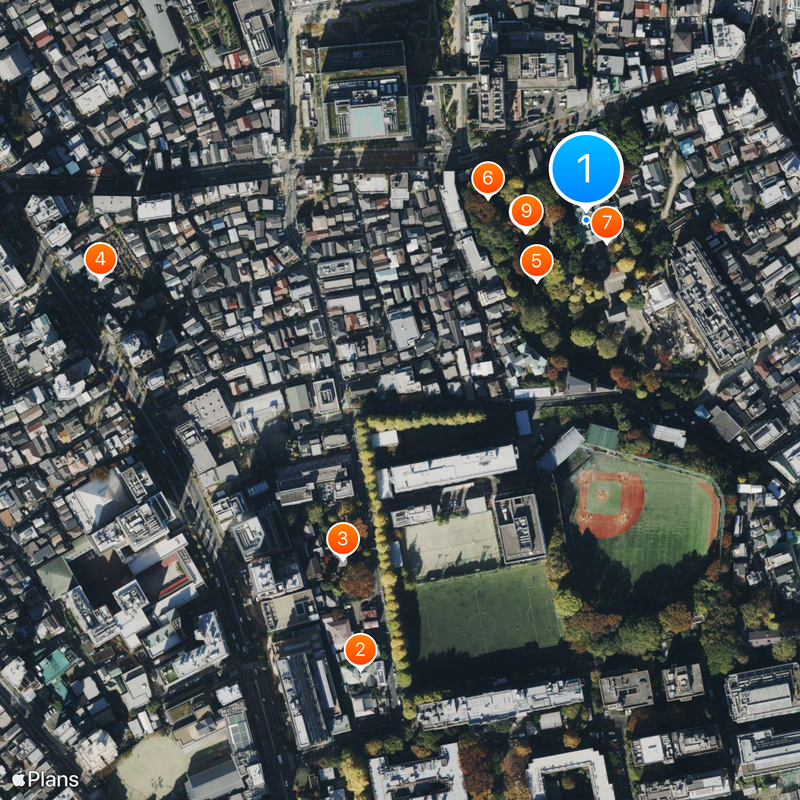
Yayoi Museum
640 m
Daimyo Clock Museum
508 m
Bunkyō City Mori Ōgai Memorial Museum
514 m
Shinjō-ji
411 m
Gyokurin-ji
568 m
Jōshin-ji
428 m
Saikyō-ji
350 m
Tengen-ji
587 m
Kaizō-ji
438 m
Chōgen-ji
488 m
Saizen-ji
384 m
Gangyō-ji
290 m
Rinkō-ji
510 m
Enju-ji
587 m
Juppō-ji
580 m
Dairin-ji
451 m
Myōgoku-in
534 m
Kōmyō-ji
341 m
Honju-ji
509 m
Ryōgen-ji
585 m
Myōgyō-ji
615 m
Myoen-ji
568 m
Shōgyō-ji
426 m
Sensai-ji
546 m
Seson-in
471 m
Kenpon-ji
515 m
Myōhō-ji
594 m
Zuishō-in
503 mVisited this place? Tap the stars to rate it and share your experience / photos with the community! Try now! You can cancel it anytime.
Discover hidden gems everywhere you go!
From secret cafés to breathtaking viewpoints, skip the crowded tourist spots and find places that match your style. Our app makes it easy with voice search, smart filtering, route optimization, and insider tips from travelers worldwide. Download now for the complete mobile experience.
A unique approach to discovering new places❞
— Le Figaro
All the places worth exploring❞
— France Info
A tailor-made excursion in just a few clicks❞
— 20 Minutes