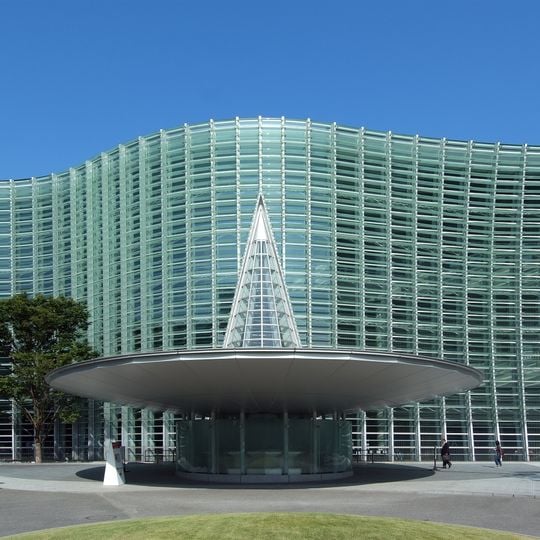
National Art Center, Tokyo, Art museum in Roppongi, Japan
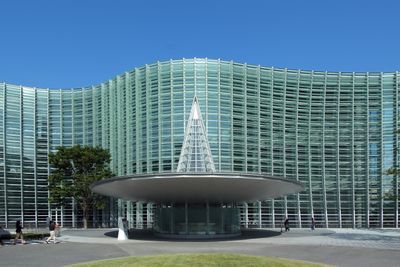
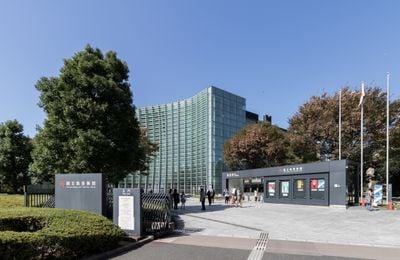
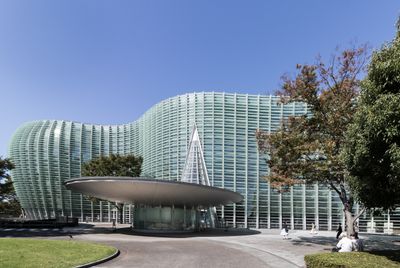
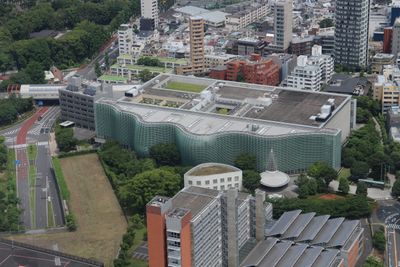
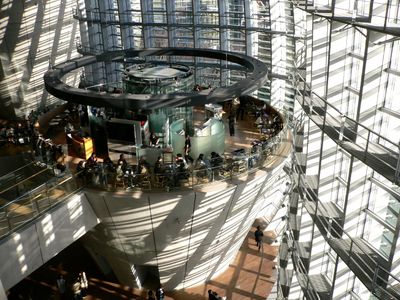
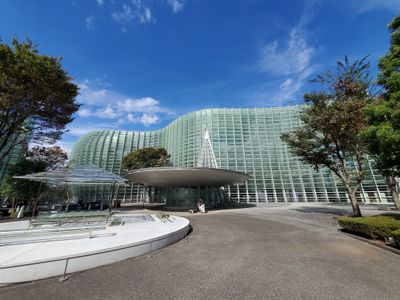
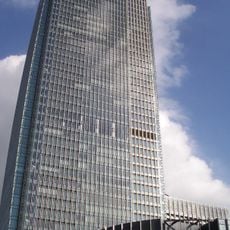
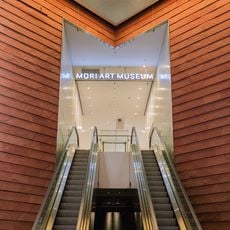
The National Art Center is an art museum in Roppongi with an undulating glass facade that houses Japan's largest exhibition space across several floors. The halls inside are bright and open, with high ceilings and wide corridors that give visitors plenty of room to view the rotating displays.
The institution opened in 2007 and was designed by architect Kishō Kurokawa, who planned a wave-like facade of glass and steel. The building was founded as the fifth museum of the national art organization and aimed to create a space focused entirely on rotating presentations.
The center shows rotating exhibitions and holds no permanent collection, so visitors encounter new artworks from Japan and other countries each time they come. This approach turns the venue into a stage for contemporary and historical art in changing combinations.
The museum opens daily except Tuesdays, usually from morning until late afternoon, with extended hours on Fridays and Saturdays. The building includes restaurants and a museum shop, and the location near Nogizaka Station makes it easy to reach.
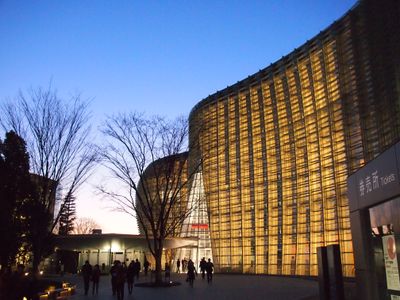
The facade consists of 12 curved glass panels that extend roughly 160 meters and create different light patterns throughout the day. These curves reflect the sky and surroundings in a way that constantly changes with the time of day.
The community of curious travelers
AroundUs brings together thousands of curated places, local tips, and hidden gems, enriched daily by 91,877 contributors worldwide.