Zōjō-ji, Buddhist temple in Shibakōen, Tokyo, Japan
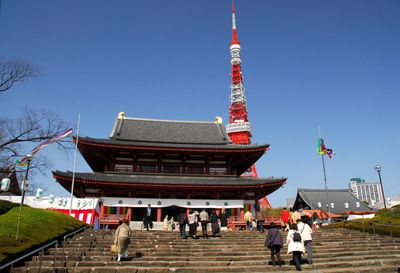
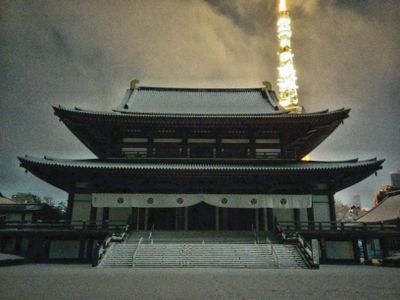
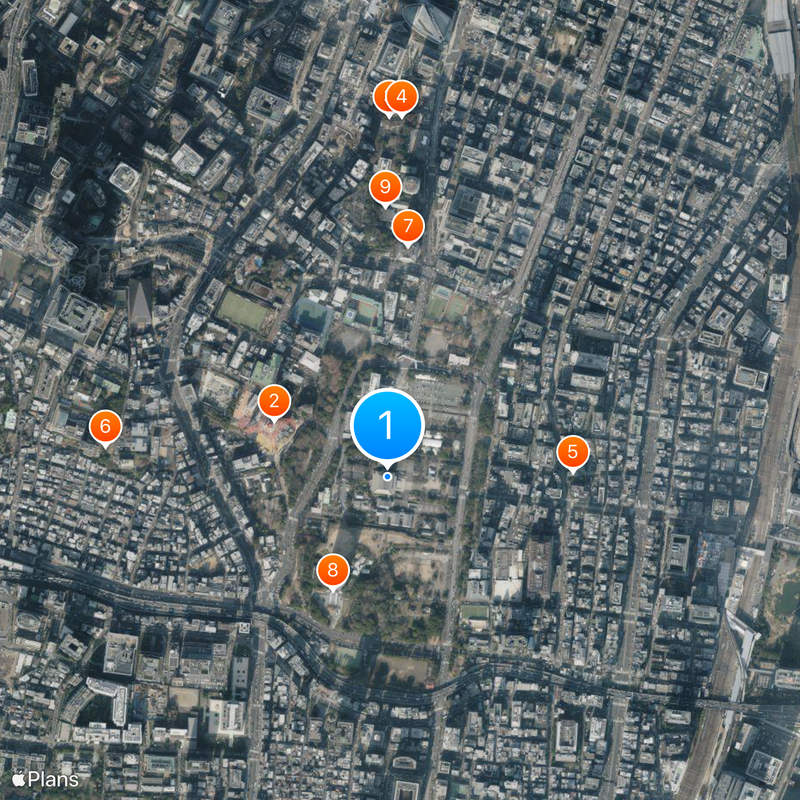
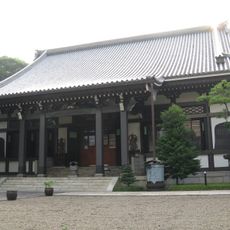
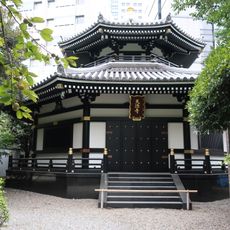
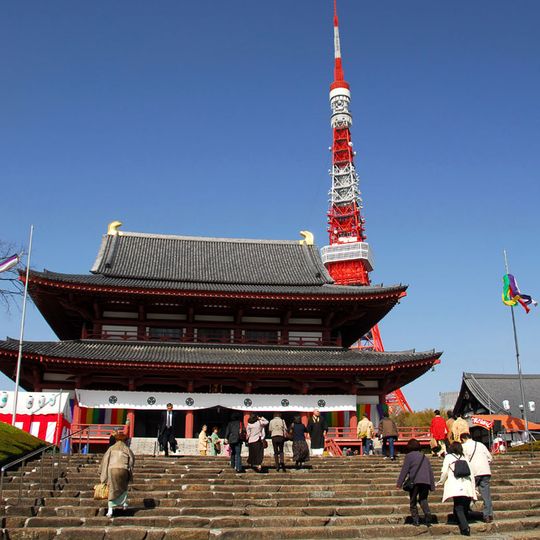
Zōjō-ji is a Jōdo-shū Buddhist temple in Shibakōen, Tokyo, whose main gate, the 21-meter Sangedatsumon, dates from 1622. The Daiden great hall, rebuilt in 1974, has a broad lower level and a taller upper story with dark roofs and upturned corners; a long white banner with dark circular emblems hangs across the lower facade, and stone stairs lead up to the entrance.
Monk Shōsō established the temple in 1393, giving it a central role within the Jōdo school. When Tokugawa Ieyasu consolidated his rule in 1598, he moved the complex to its present site and made it the family temple of his clan.
The name Zōjō-ji is not a translation of "increased summit"; it is the temple's Japanese name, and its mountain name is San'en-zan. The temple belongs to the Jōdo (Pure Land) school, and its grounds include the Sentai Kosodate Jizō garden, where rows of stone statues represent unborn children and parents decorate them with small clothing and toys.
The main grounds are open to visitors at no charge, and people can walk through the gates to view the buildings and courtyard. The mausoleum sits slightly apart and requires a short walk, with paths that are mostly level and easy to navigate.
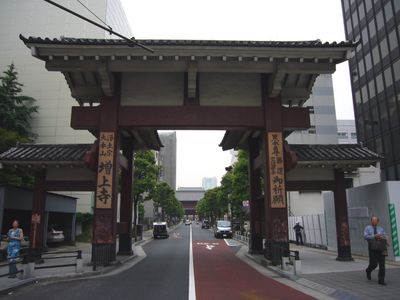
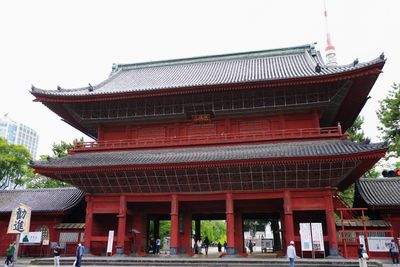
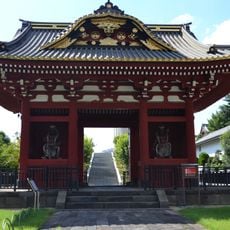
The Sangedatsumon gate, built in 1622, is the only original structure of Zōjō-ji to survive World War II; it is 21 meters tall and has been an Important Cultural Property since 1915. Passing through it is said to free one from the three poisons of greed, hatred, and foolishness. In October 2022, its upper floor was opened to the public at night for the first time since its construction.
The community of curious travelers
AroundUs brings together thousands of curated places, local tips, and hidden gems, enriched daily by 92,307 contributors worldwide.