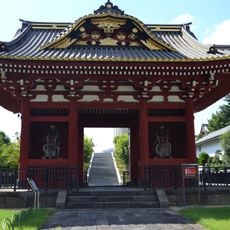
Shiba Maruyama Kofun, Ancient burial mound in Shibakōen, Japan
Shiba Maruyama Kofun is a burial mound in Shibakōen with a distinctive keyhole shape formed by a circular rear section and a trapezoidal front section. This structure typifies the tomb design used for elite members during the Kofun period.
The burial mound dates from the 5th century during the Kofun period, when such structures served as tombs for Japanese nobility and elite members. This era saw the construction of monumental burial works as symbols of power and social status.
The mound's name comes from its rounded rear section, called Maruyama, within Shiba Park. In 1898 the anthropologist Tsuboi Shōgorō excavated here and found haniwa clay figures and Sue ware pottery. Because the rear mound had been levelled in the Edo period, no burial chamber was confirmed, and the finds may come from small round tombs nearby.
The site is protected by Japanese law, which means access is limited to specific viewing areas around the mound. Visitors should respect the boundaries and observe the site from designated spots.
The mound's rear circle was levelled in the Edo period and became an open square, so the original burial chamber has never been located. In 1892 the anthropologist Tsuboi Shōgorō, returning from three years in Europe, sensed something unnatural about the hill's height; his 1898 dig turned up haniwa and Sue ware, though the finds may come from small round tombs nearby.
The community of curious travelers
AroundUs brings together thousands of curated places, local tips, and hidden gems, enriched daily by 93,953 contributors worldwide.