See the monuments around you in AROpen chests in the app
Around Us is built for your phone — point your camera at the streets and discover the monuments and places around you in augmented reality.Around Us is built for your phone — chests unlock when you walk, explore and capture nearby places.
Singapore combines modern architecture with cultural diversity within a compact area, providing photographers with varied settings just a few subway stations apart. The city features futuristic sites such as the Supertrees at Gardens by the Bay, standing 25 to 50 meters tall (82 to 164 feet), Marina Bay Sands with its 200-meter (656-foot) high rooftop, and the Helix Bridge, a pedestrian walkway designed to resemble a DNA double helix.
The historic districts contrast with these modern structures. Chinatown retains its Chinese temples and arcade houses, Little India its spice markets and colorful facades, while Haji Lane in Kampong Glam lines with independent boutiques and wall murals in a narrow alley. The Merlion Park at Marina Bay, with its 8.6-meter-long (28 feet) statue blending lion and fish, remains the most photographed symbol of the city-state. Sentosa’s beaches, accessible by cable car, add a coastal element to this dense urban landscape.
Singapore combines modern architecture with cultural diversity within a compact area, providing photographers with varied settings just a few subway stations apart. The city features futuristic sites such as the Supertrees at Gardens by the Bay, standing 25 to 50 meters tall (82 to 164 feet), Marina Bay Sands with its 200-meter (656-foot) high rooftop, and the Helix Bridge, a pedestrian walkway designed to resemble a DNA double helix.
The historic districts contrast with these modern structures. Chinatown retains its Chinese temples and arcade houses, Little India its spice markets and colorful facades, while Haji Lane in Kampong Glam lines with independent boutiques and wall murals in a narrow alley. The Merlion Park at Marina Bay, with its 8.6-meter-long (28 feet) statue blending lion and fish, remains the most photographed symbol of the city-state. Sentosa’s beaches, accessible by cable car, add a coastal element to this dense urban landscape.
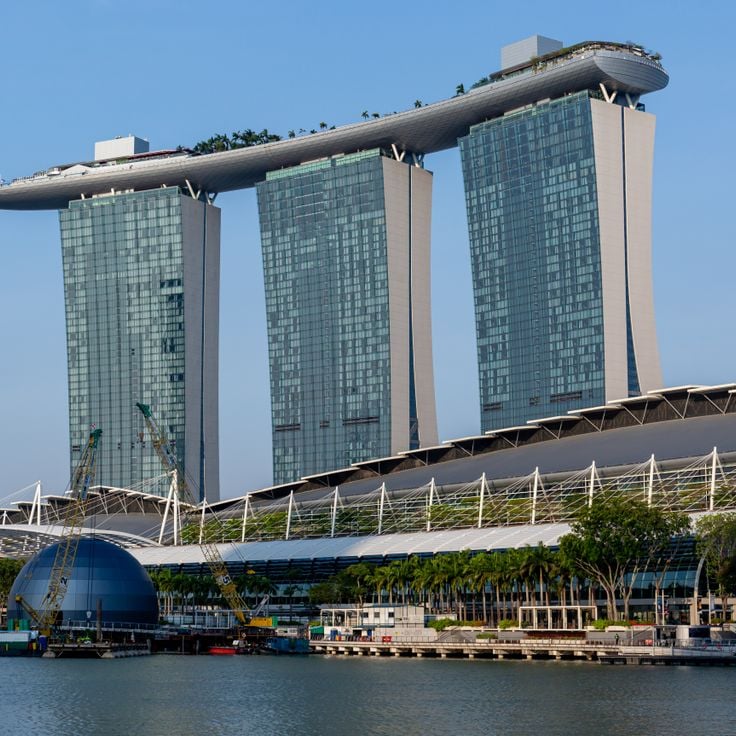
Marina Bay Sands rises with three towers over 200 meters (656 feet) in Marina Bay, supporting a 150-meter (492-foot) rooftop infinity pool terrace. Opened in 2010, the hotel complex combines 2,561 rooms with a casino, shopping mall and convention facilities. The SkyPark platform on level 57 provides access to the pool area for hotel guests and a public observation deck overlooking the bay, Central Business District and Gardens by the Bay. The distinctive form with its arched rooftop structure has become a landmark of the modern skyline and serves as a photography subject by day and night, when LED facades illuminate the towers.
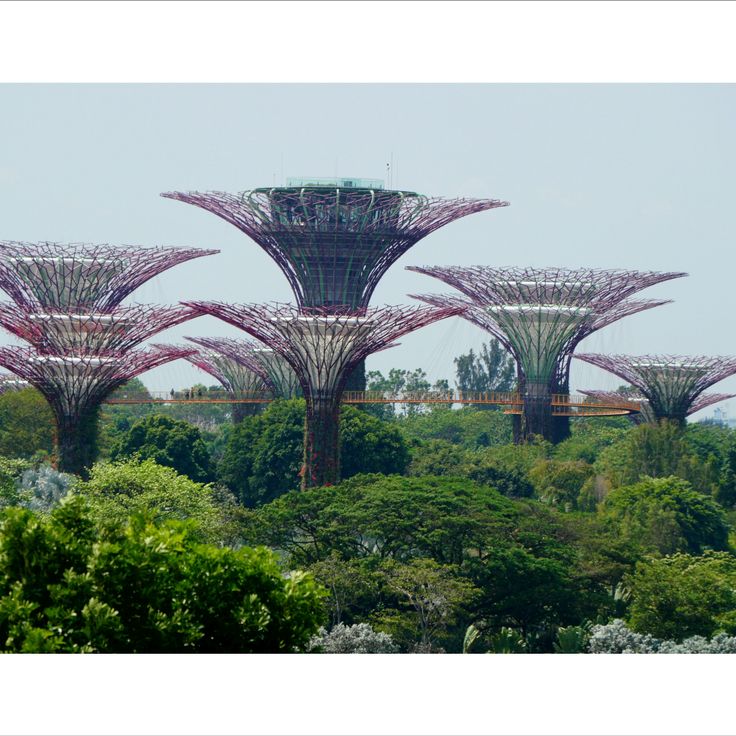
Gardens by the Bay features 18 mechanical Supertrees ranging from 82 to 164 feet (25 to 50 meters) in height, equipped with vertical gardens and solar collectors. The steel structures support over 162,000 plants from more than 200 species and host a twice-nightly light and music show after dark. A 420-foot (128-meter) Skywalk connects two of the tallest structures at 72 feet (22 meters) above ground, offering views across Marina Bay. The complex also includes two climate-controlled conservatories: the Cloud Forest Dome with a 115-foot (35-meter) indoor waterfall and the Flower Dome showcasing Mediterranean and semi-arid vegetation.
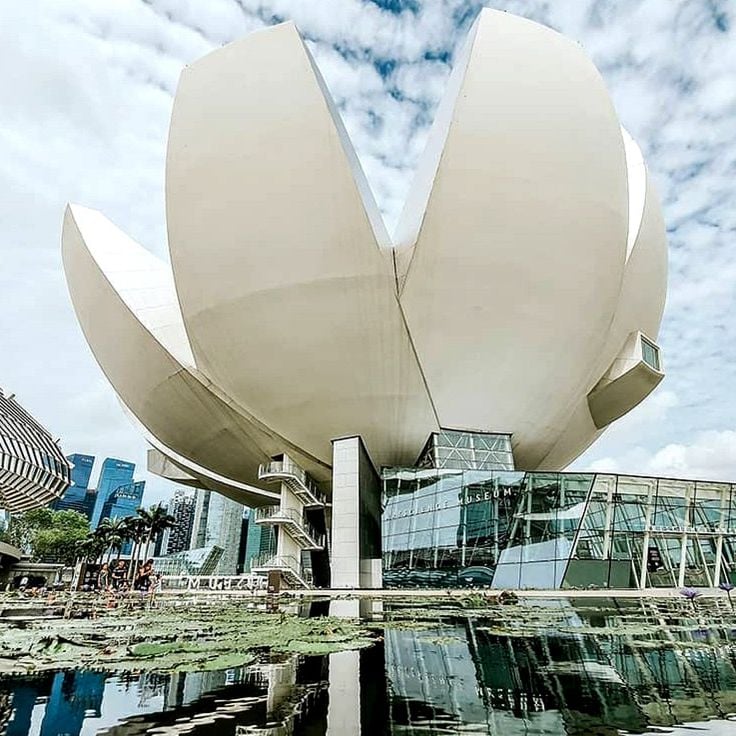
The museum is recognizable by its structure of ten upward-pointing segments that form a hand shape. These 21 galleries span three floors and present rotating exhibitions on digital art, science and technology. The collections combine traditional artworks with interactive installations where visitors can engage with projected images through touch or movement. The building sits on the Marina Bay waterfront next to the Marina Bay Sands, and its white exterior surfaces provide a sharp contrast to the surrounding glass facades. The architecture uses a central roof opening that admits natural light and feeds a waterfall flowing down to the lowest level.
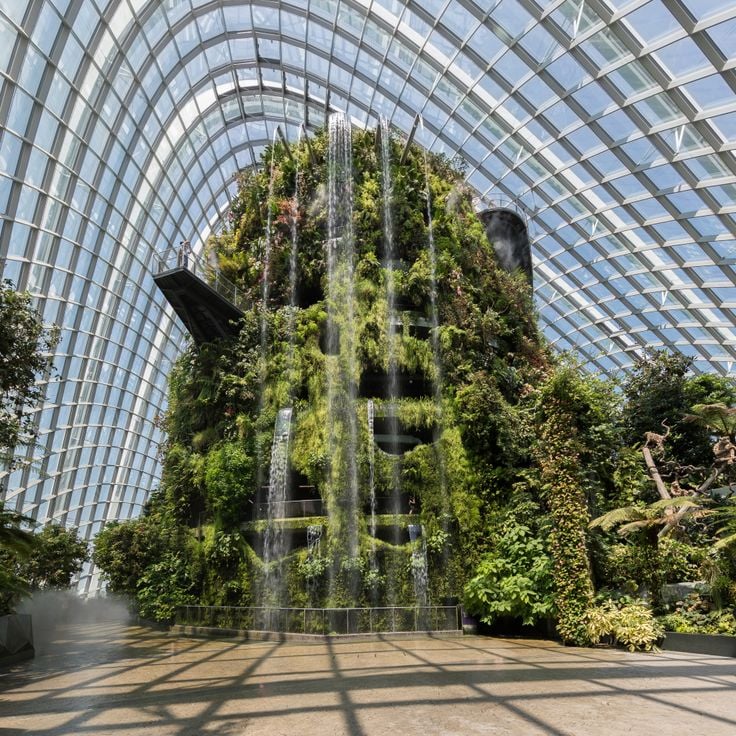
The Cloud Forest Dome presents more than 72,000 plants from tropical mountain regions, grouped around a 115-foot (35-meter) artificial waterfall at the center of the glass structure. The installation combines temperature control and misting systems to replicate the climate conditions found at elevations between 3,300 and 9,800 feet (1,000 to 3,000 meters). Visitors follow an elevated walkway that spirals down from the top, offering sight lines across the vertical planting and the dome's architecture. The structure sits within the Gardens by the Bay complex and stands alongside the larger Flower Dome, with which it shares a central cooling system.
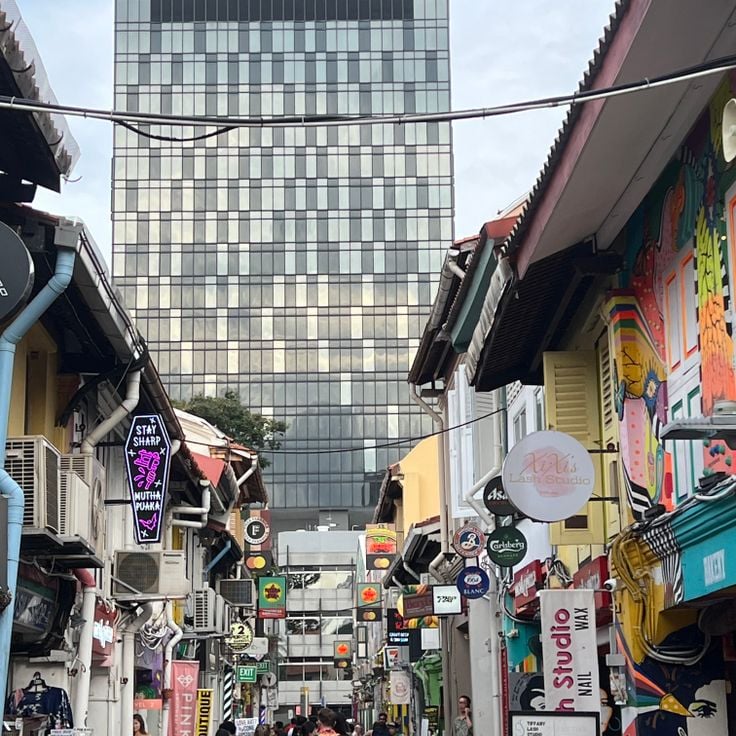
Haji Lane is a narrow alley in the historic Kampong Glam district that has evolved from a quiet residential street into a center for independent fashion and street art over the past two decades. The two-story shophouses dating from the 1920s now accommodate boutiques selling locally designed clothing, vintage stores, and experimental cafés. Murals cover both sides of this roughly 650-foot street, changing every few months as new artists repaint the facades. This lane provides a contrast to the downtown high-rises and showcases Singapore's young creative quarter in a compact space.
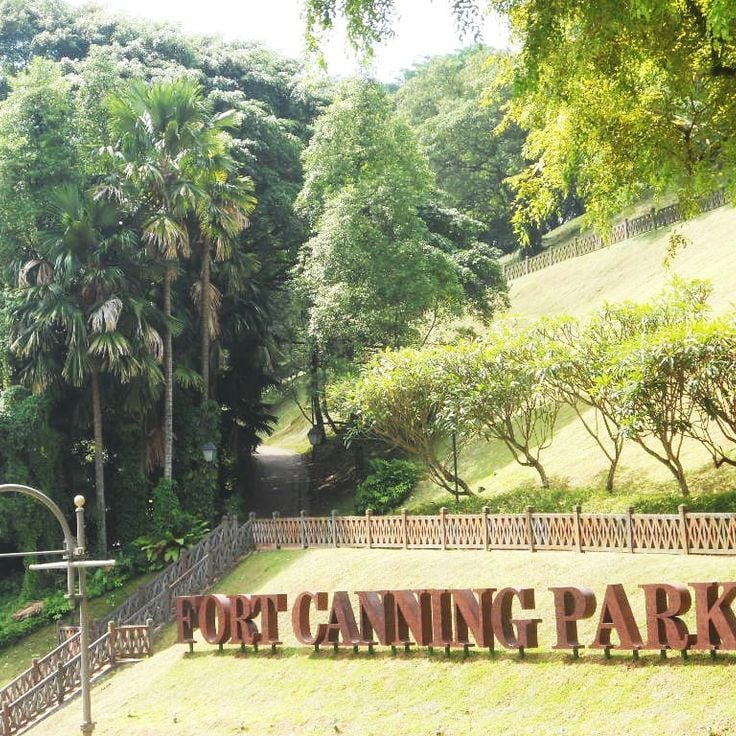
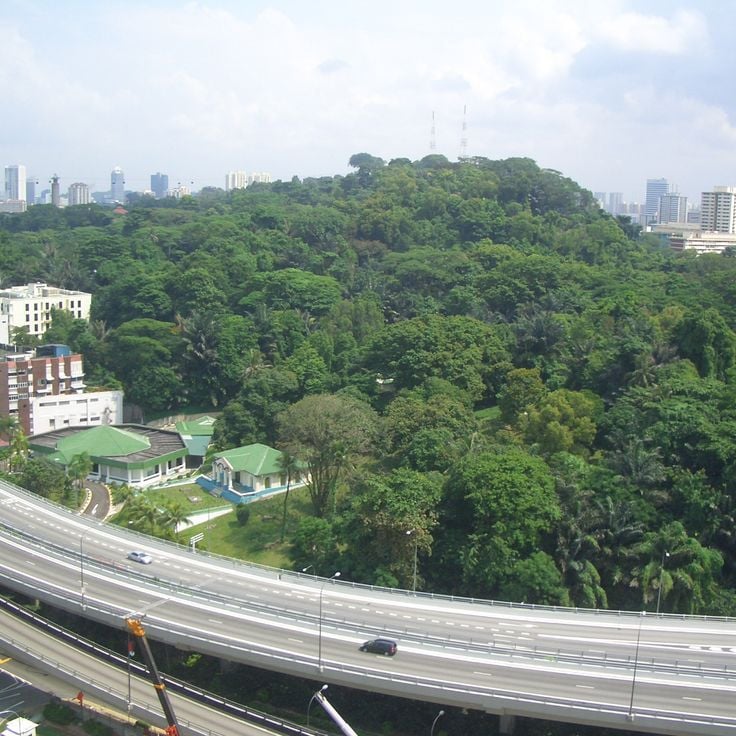
Fort Canning Park covers 18 hectares (44 acres) in central Singapore, combining colonial history with contemporary green spaces. The hill contains remnants of British military structures, underground bunkers from World War II, and several themed gardens. The elevated position provides views over surrounding districts, while stairs and paths through the grounds lead to historic sites including the old Fort Gate and the Battle Box Museum. The Spice Garden documents spice plants that played a role in Singapore's trade. The combination of vegetation, architecture from different eras, and topographic variety makes this park a photographically productive location within the dense urban setting.
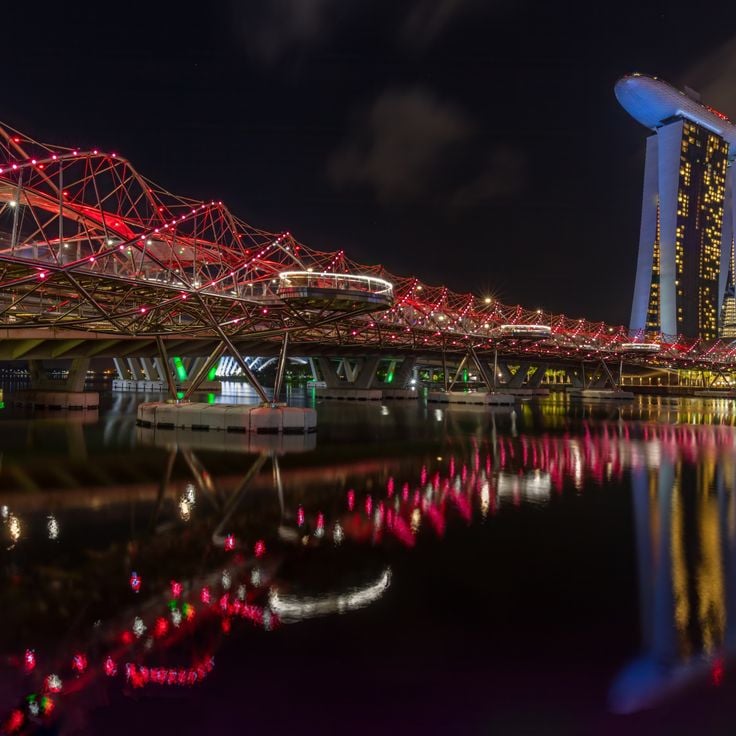
This 280-meter pedestrian bridge across Marina Bay ranks among Singapore's most distinctive modern structures. The steel construction follows the form of a double DNA helix, with two spiral girders running the full length of the bridge. LED lighting emphasizes the geometric structure after dark. The bridge connects Marina Centre to Marina South and provides direct access to Gardens by the Bay as well as views of the skyline and Marina Bay Sands Hotel. It complements the collection of futuristic architecture that makes Singapore accessible to photographers.
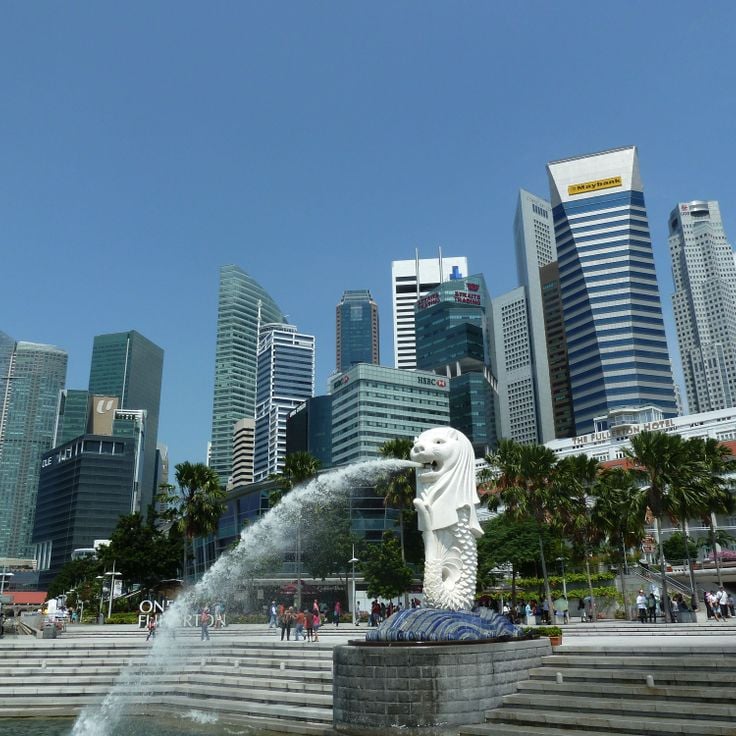
The white Merlion at Marina Bay Park combines the head of a lion with the body of a fish and stands as Singapore's most recognized statue. The 28-foot (8.6-meter) sculpture was built in 1972 and relocated to this waterfront spot in 2002, where it spouts a stream of water into the bay. The position provides photographers with views of Marina Bay Sands, the financial district towers and the city's modern skyline. The original figure was created as the official mascot of the tourism board and merges the lion as the city's namesake with the fish representing its maritime origins.
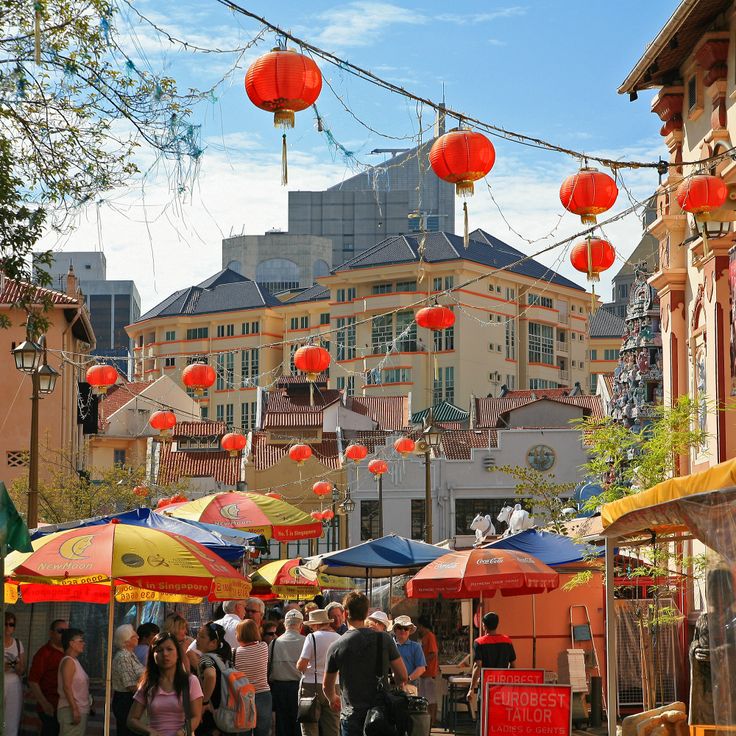
Chinatown ranks among Singapore's oldest residential districts, featuring temples, shophouses from the colonial era and stores selling traditional Chinese medicine. The multi-story buildings with shutters and stucco details now hold protected status. Narrow lanes are lined with restaurants, teahouses and stalls selling dried foods and spices. The Sri Mariamman Temple on South Bridge Road, the Buddha Tooth Relic Temple on Saba Street and the Thian Hock Keng Temple complex on Telok Ayer Street mark important religious sites within the neighborhood. Photographers find contrasts here between the facade colors, Chinese characters on storefronts and the high-rises of the surrounding area.
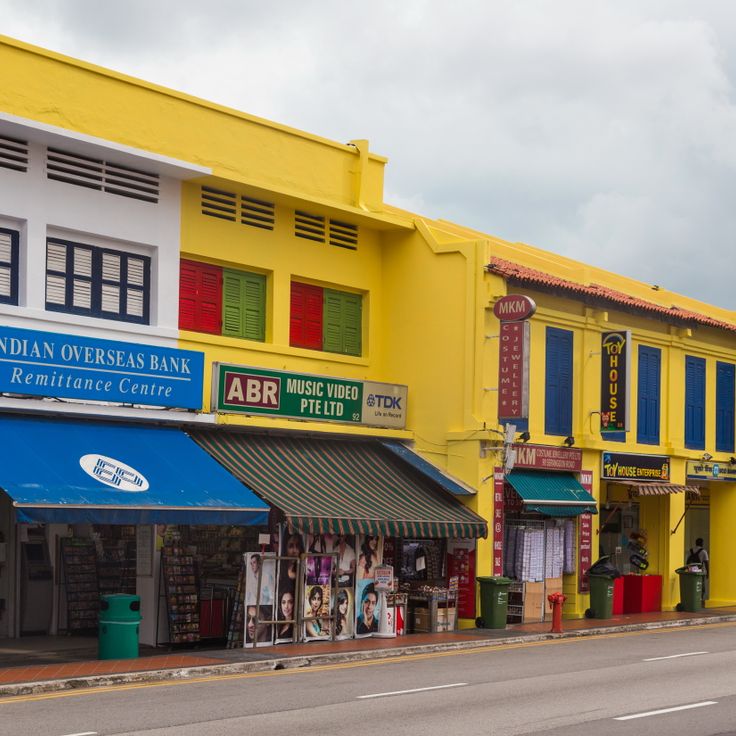
This quarter of Southeast Asian Indian immigration concentrates traditional spice markets, Tamil Hindu temples with elaborately painted gopurams, sari shops and restaurants serving South Indian cuisine along Serangoon Road and adjacent streets. The multistory shophouses dating from the 1920s retain their original arcades, while flower garland vendors and music systems playing Bollywood films provide a permanent backdrop for mobile photography. Facades are painted in yellow, pink and turquoise tones. The district remains a working commercial center for Singapore's Indian community and offers authentic details from roadside chai to henna artists for visitors seeking visual variety, just a few minutes' walk from the MRT station of the same name.
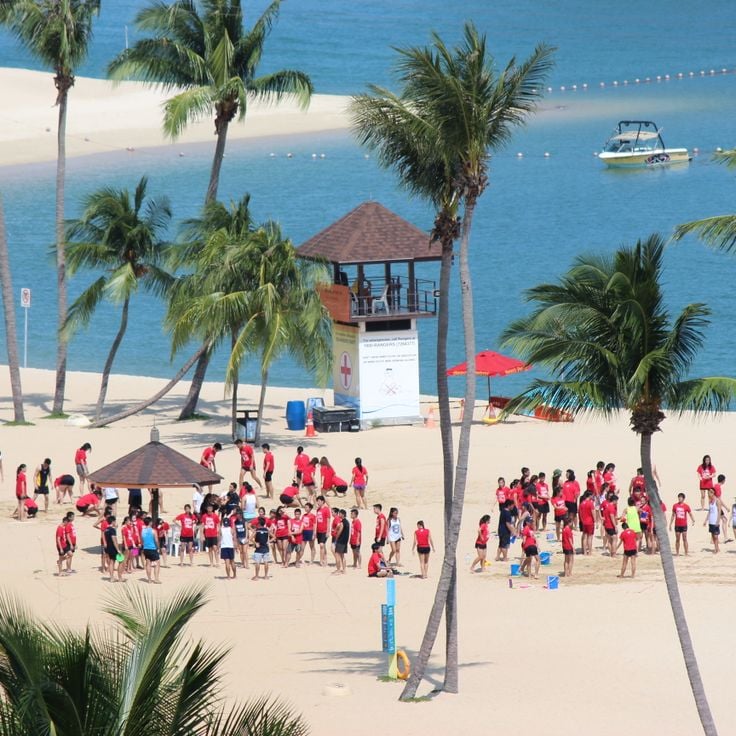
The beaches of Sentosa offer two kilometers (1.2 miles) of sandy shoreline that contrasts with the dense cityscape of Singapore. Palawan Beach includes a playground and water sports facilities, while Tanjong Beach provides a quieter setting for visitors seeking less activity. Siloso Beach, the westernmost section, features bars and volleyball courts. These beaches are connected by a pedestrian boardwalk and accessible from the mainland by cable car or road link.
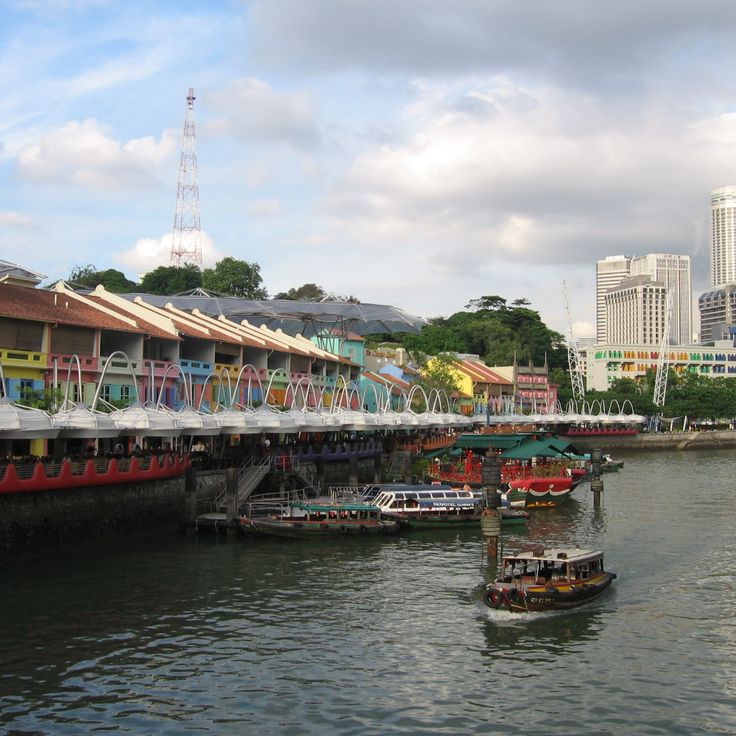
Clarke Quay transforms 19th century warehouses along the Singapore River into a dining and entertainment district with restaurants, bars and clubs. The colorful painted shophouses with their covered arcades offer photo opportunities both during the day for architectural shots and at night when colored lighting illuminates the riverside promenade. This riverfront area adds to Singapore's architectural variety by showcasing the city's colonial trading history.
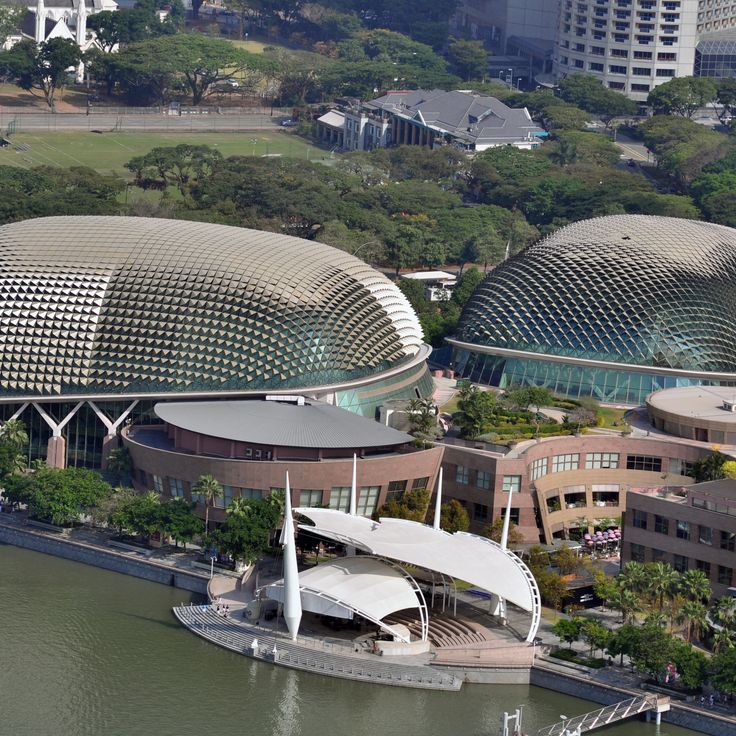
The Esplanade - Theatres on the Bay is a performing arts center on the Marina Bay waterfront with two main venues protected by a distinctive exterior made of triangular aluminum sunshades. The concert hall seats 2,000, the theater 1,600. The facade was designed to reduce tropical sun exposure while allowing natural light inside. The twin domed structures have been part of the Marina Bay skyline since 2002 and draw photographers interested in the geometric pattern of the exterior shell against the surrounding high-rise district.
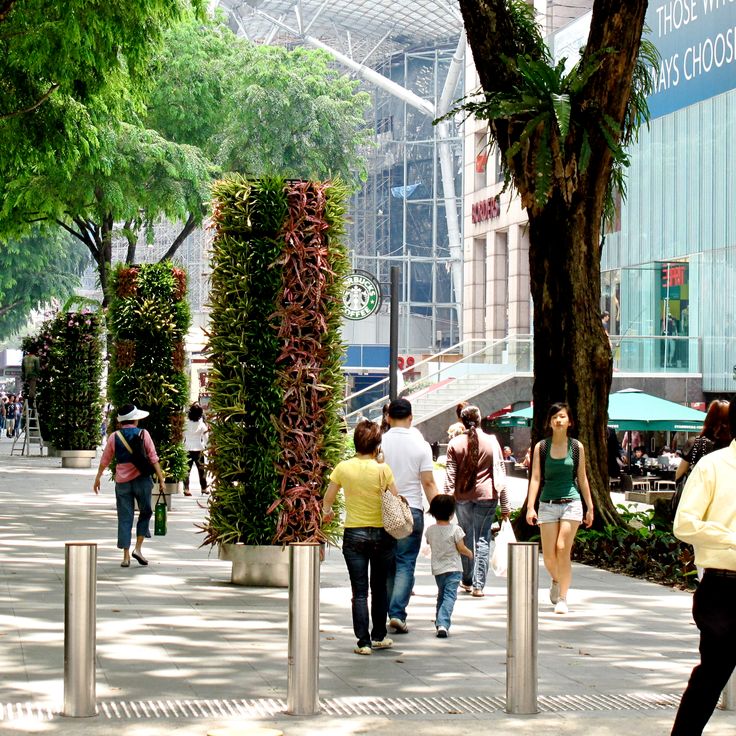
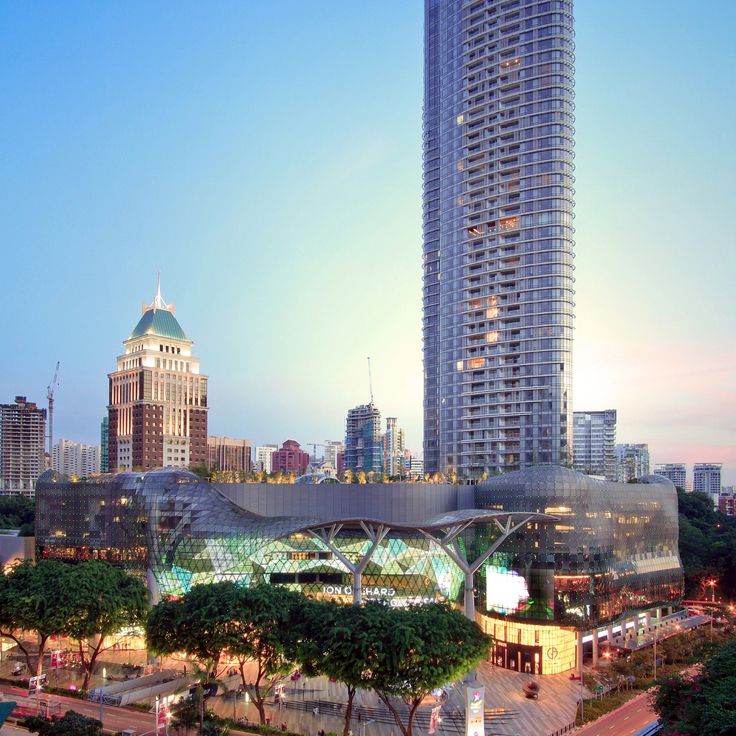
This 1.4-mile (2.2-kilometer) shopping corridor runs through central Singapore, connecting over 50 shopping centers, department stores and specialty retailers. Orchard Road combines international luxury brands, electronics outlets and local shops beneath a canopy of tropical trees. The street functions as both a major thoroughfare and pedestrian zone, with air-conditioned walkways linking the malls. On weekends, sidewalks fill with locals and visitors moving between ION Orchard, Takashimaya and Paragon Shopping Centre. The road sits in the Orchard district, within walking distance of multiple MRT stations, complementing the city's modern architectural landmarks with its role as a commercial hub.
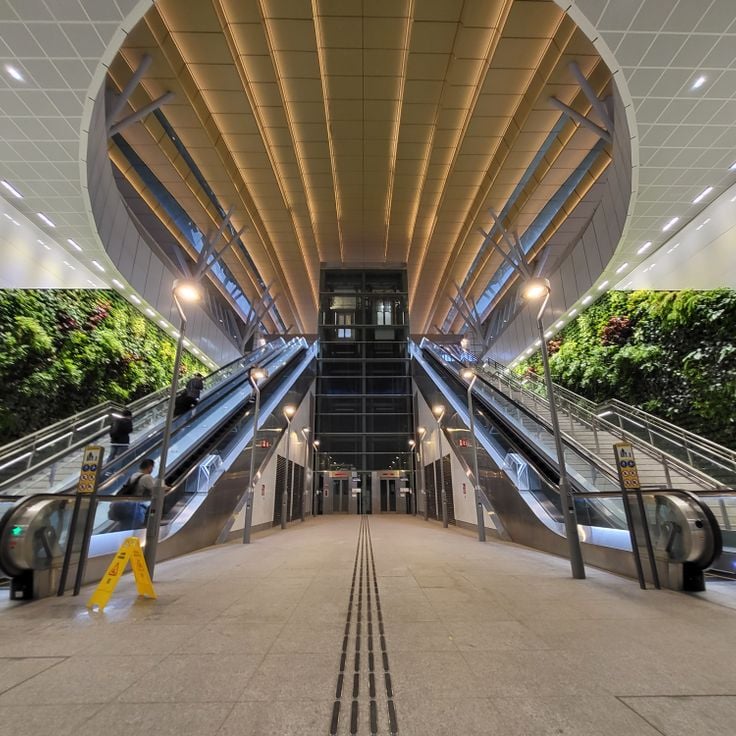
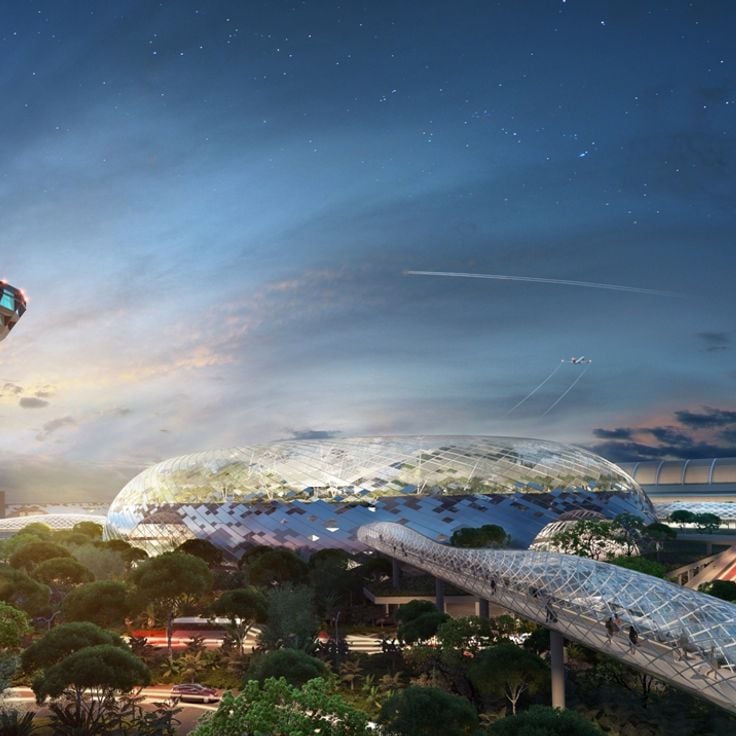
This terminal complex opened in 2019 connects the airport with a multi-story structure featuring a 131-foot (40-meter) waterfall cascading through a glass dome. The five levels hold more than 280 shops and restaurants, along with gardens containing around 2,000 trees and 100,000 shrubs from different climate zones. The Rain Vortex, the world's tallest indoor waterfall, receives light and sound projections each evening. The building functions as a publicly accessible meeting point between terminals and as a shopping and entertainment center for travelers on layover or stopover.
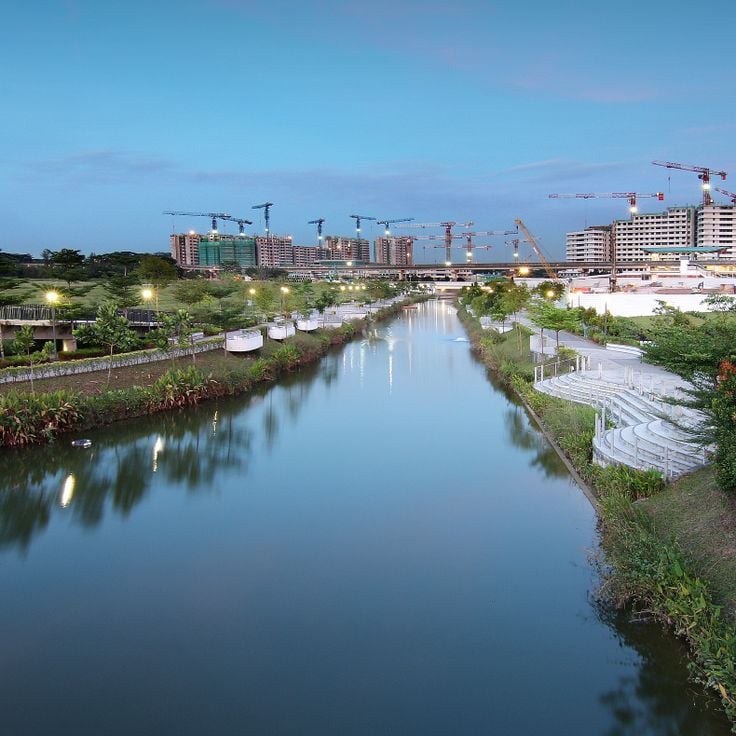
This park in northern Singapore offers a four-hour walking loop along a 2.6-mile artificial waterway that runs through the former industrial district of Punggol. The facility includes barbecue areas, outdoor fitness equipment and several viewing points along the water. The contrast between modern residential buildings and green spaces makes the location interesting for photographers, especially at sunset when the structures reflect in the water.
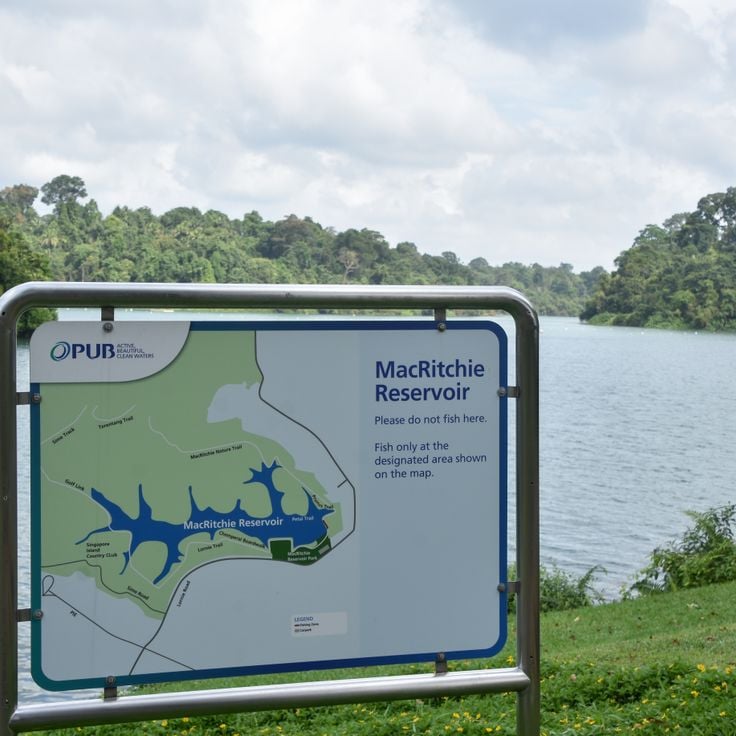
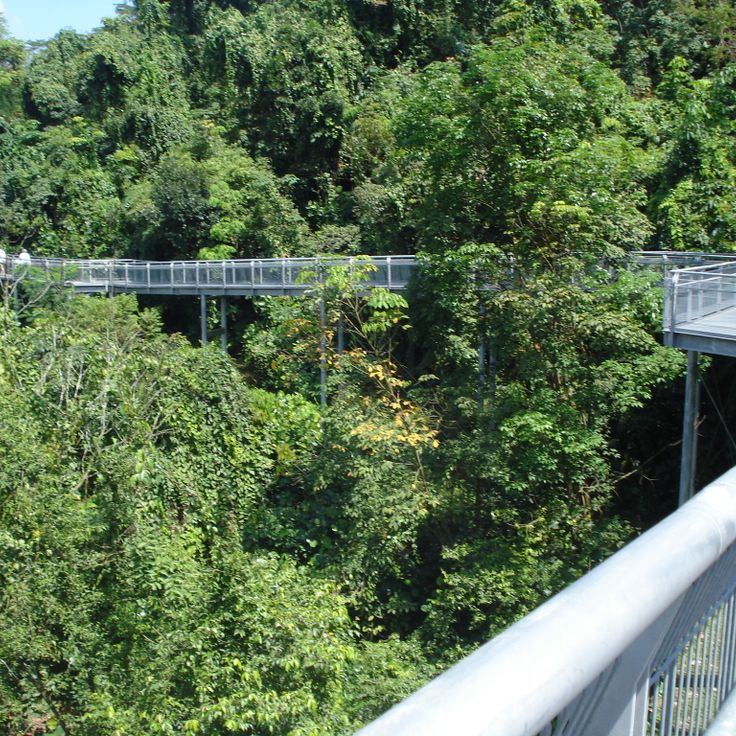
The MacRitchie Reservoir reserve features a twelve-kilometer trail system through primary and secondary rainforest in Singapore's central catchment area. The TreeTop Walk, a 250-meter suspension bridge positioned 82 feet (25 meters) above ground, connects the two highest points in the reserve and provides unobstructed views across the forest canopy. MacRitchie Reservoir itself, in service since 1868 as a drinking water source, is bordered by trails that work well for nature photography featuring reflections and morning mist. Macaques and monitor lizards inhabit the reserve, which is accessed via several marked entry points.
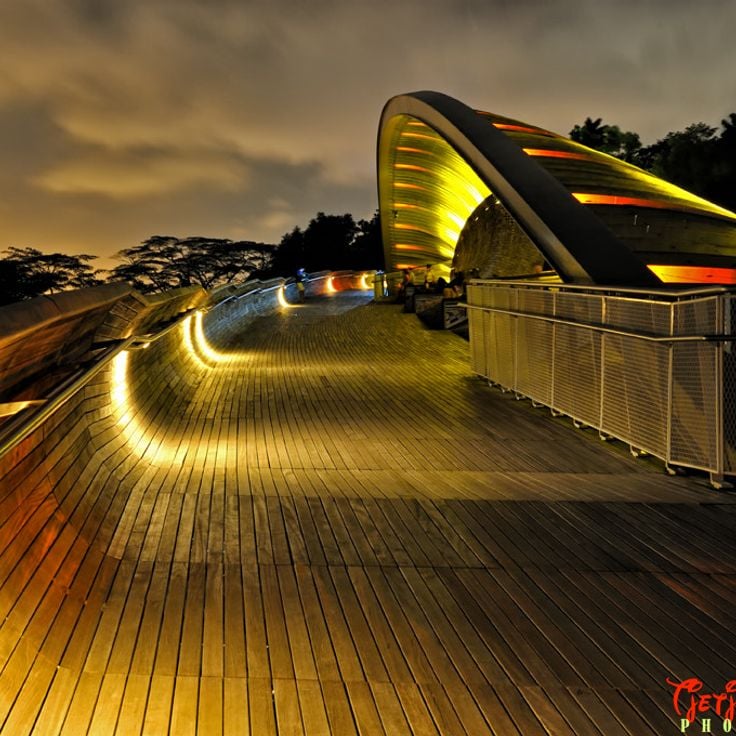
This wave-shaped pedestrian bridge connects Mount Faber with Telok Blangah Hill at 118 feet (36 meters) above ground, making it Singapore's tallest pedestrian bridge. The 899-foot (274-meter) steel structure with timber decking features elevated viewing platforms within the wave troughs and provides views across the southern districts toward the harbor. The 23-foot (7-meter) wide deck integrates seating within the curved rib arches, while LED lighting highlights the undulating structure after dark. The bridge forms part of the Southern Ridges Walk, which connects several parks and hills over a total distance of 6.8 miles (11 kilometers).
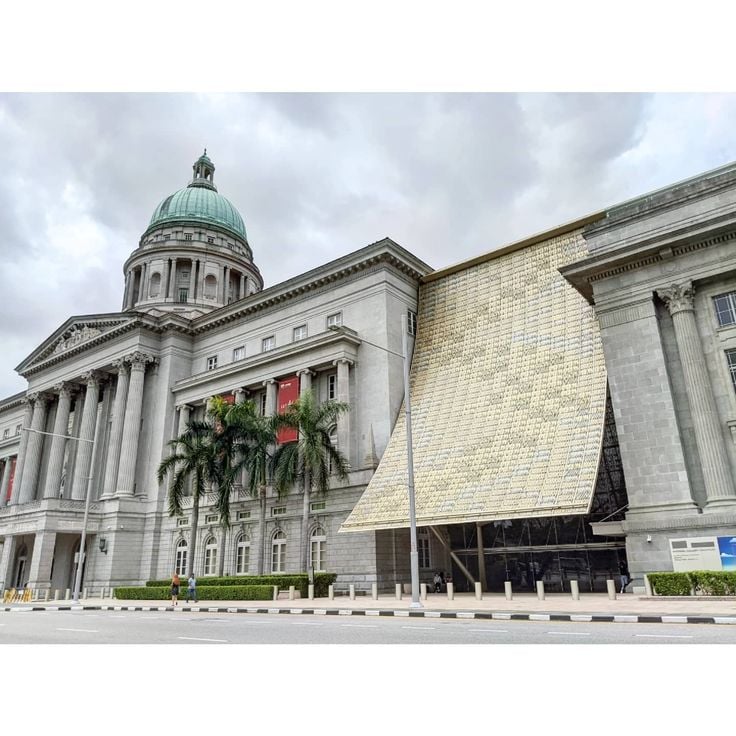
The National Gallery Singapore connects two government buildings from the 19th century - the former Supreme Court and City Hall - through a modern glass and steel structure. It displays over 8000 artworks from Southeast Asia, including paintings, sculptures and installations from the region and beyond. The collection focuses on works from Singapore and the region, with rotating exhibitions of international contemporary art. The architecture blends restored neoclassical facades with glazed courtyards and exhibition spaces across multiple levels. A rooftop restaurant on the upper floor offers views across Marina Bay for photography. This gallery sits between the historic Civic District and modern financial towers, showing how Singapore has changed over time.
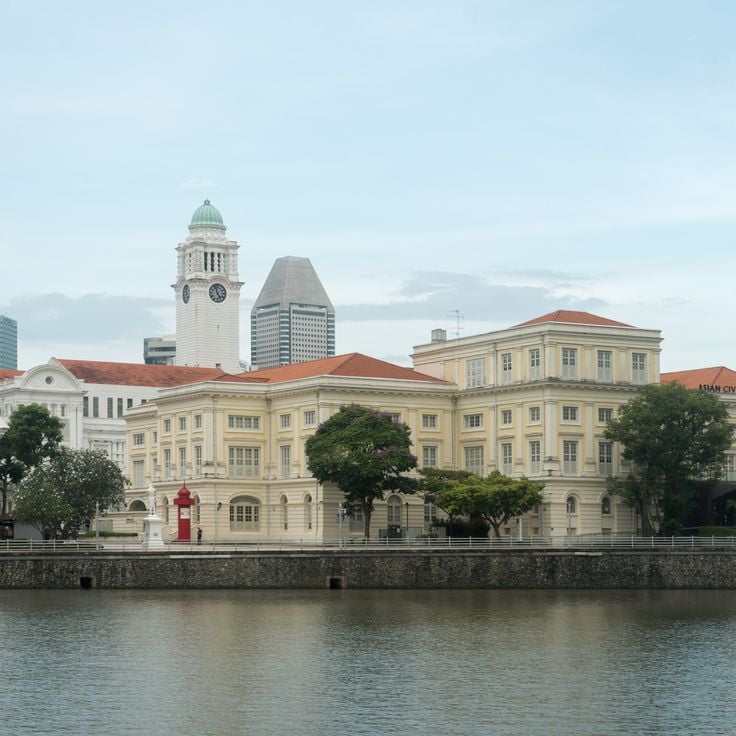
The Musée des Civilisations Asiatiques presents its collection of 1,300 artifacts from China, South Asia and Southeast Asia within a neoclassical building on the Singapore River. Exhibition spaces across three floors document the cultural connections between Asian regions that shaped Singapore's history as a trading hub. The museum's architectural setting, with its white columns and riverside location, contrasts with the modern skyline of the Central Business District across the water. The building dates from 1865 and served as government offices before opening as a museum in 1997.
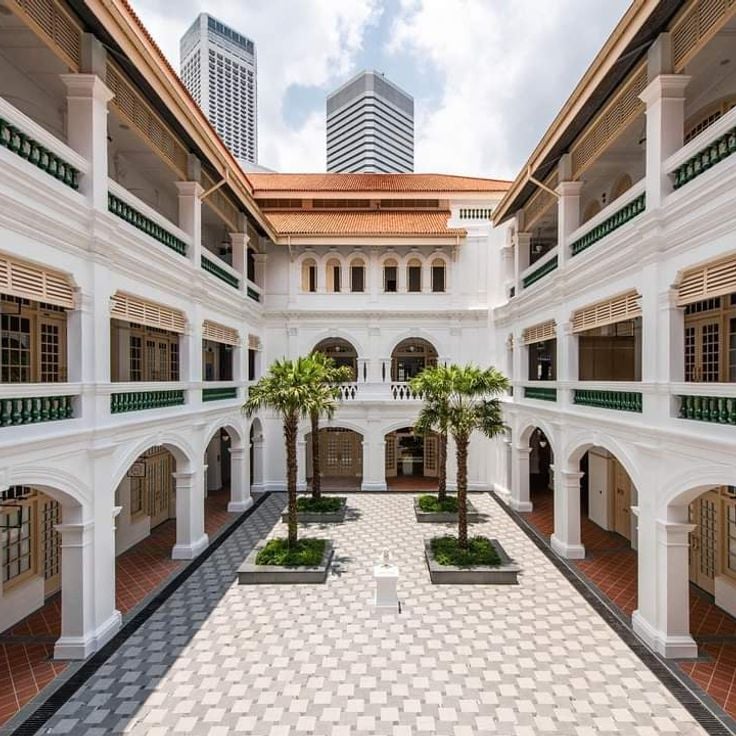
The Raffles combines colonial architecture with Singapore's urban history and sits in the city center near Beach Road. Opened in 1887, the hotel presents a white facade with arcaded walkways, surrounded by gardens filled with tropical vegetation. A museum inside the building documents the city's development during British colonial rule. The verandas and courtyards with their palm trees offer photo opportunities that show historic Singapore against the backdrop of the modern skyline. The Long Bar, where the Singapore Sling was created, attracts visitors who want to combine the colonial heritage with contemporary elements of the city.
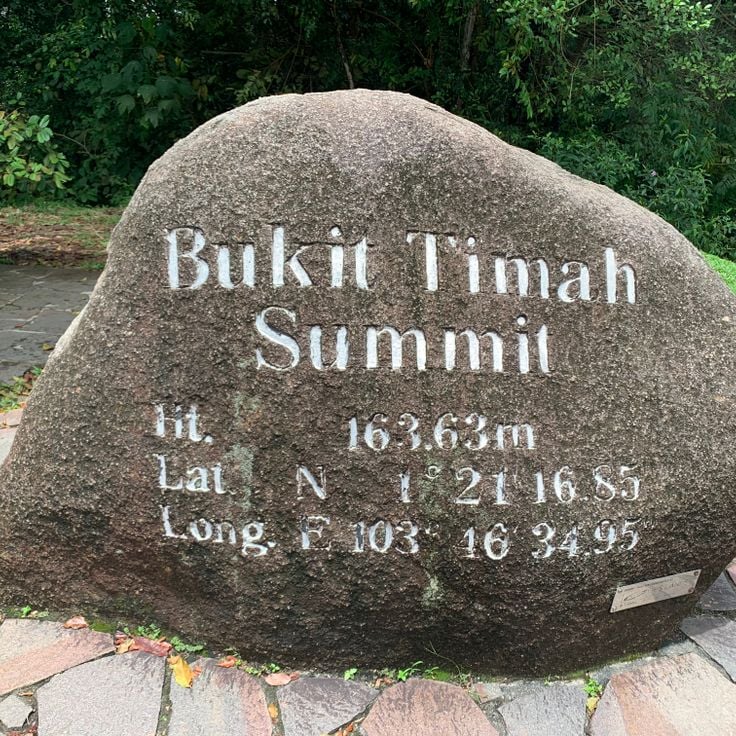
The Bukit Timah Nature Reserve preserves 163 hectares (403 acres) of primary rainforest in central Singapore and offers photographers a tropical setting with centuries-old trees, jungle trails and the island's highest natural point at 164 meters (538 feet). This area supports more than 840 flowering plants and 500 animal species, including long-tailed macaques and various bird species that inhabit the dense fern groves and lianas. The trails lead to viewpoints above the canopy and to rock formations that contrast with Singapore's urban landscapes. Photographers find subjects ranging from root structures and post-rain waterfalls to light breaking through the forest ceiling. The reserve sits 12 kilometers (7 miles) from the city center and complements architectural photography with natural elements.
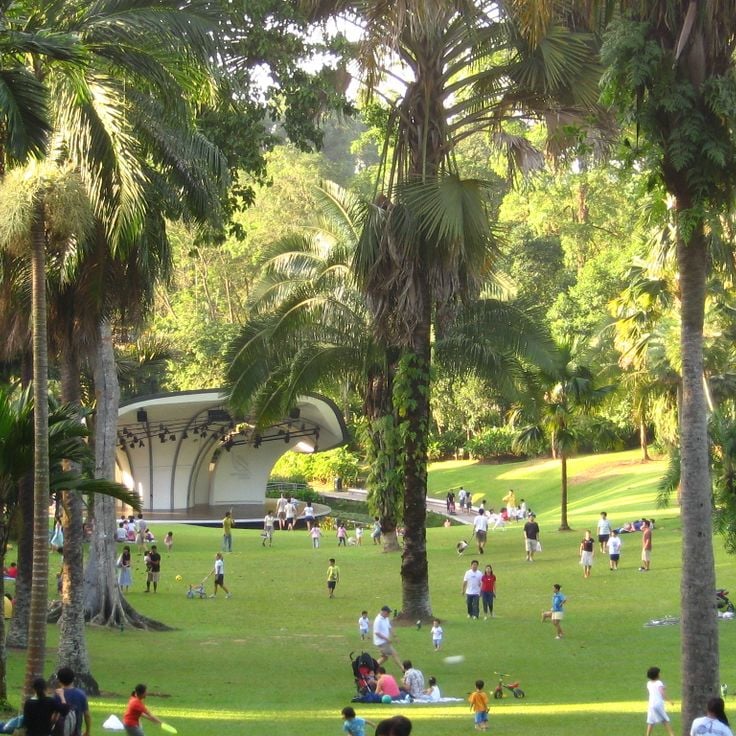
The Singapore Botanic Gardens cover 200 acres (82 hectares) and house the National Orchid Garden, displaying more than 1000 orchid species and 2000 hybrids. The grounds combine manicured lawns with tropical vegetation, offering photographers shifting light conditions beneath the canopy of centuries-old trees. The orchid garden presents its collection in climate-controlled greenhouses and open-air sections, with the VIP Orchid Hall showcasing cultivars named after visiting heads of state.
ION Orchard rises as a glass tower along Orchard Road, one of Singapore's main shopping streets. The 66-story building houses over 300 shops and restaurants across eight retail floors. On the 56th floor sits ION Sky Observation Deck, a free viewing platform at roughly 720 feet (220 meters) that provides wide views across the city to Marina Bay and Sentosa. Floor-to-ceiling windows allow shots of high-rises and Singapore's urban layout without distracting reflections. The building connects directly to Orchard MRT station and stands in contrast to the traditional shopping centers along the street. The platform works best during the blue hour when city lighting activates across the skyline.
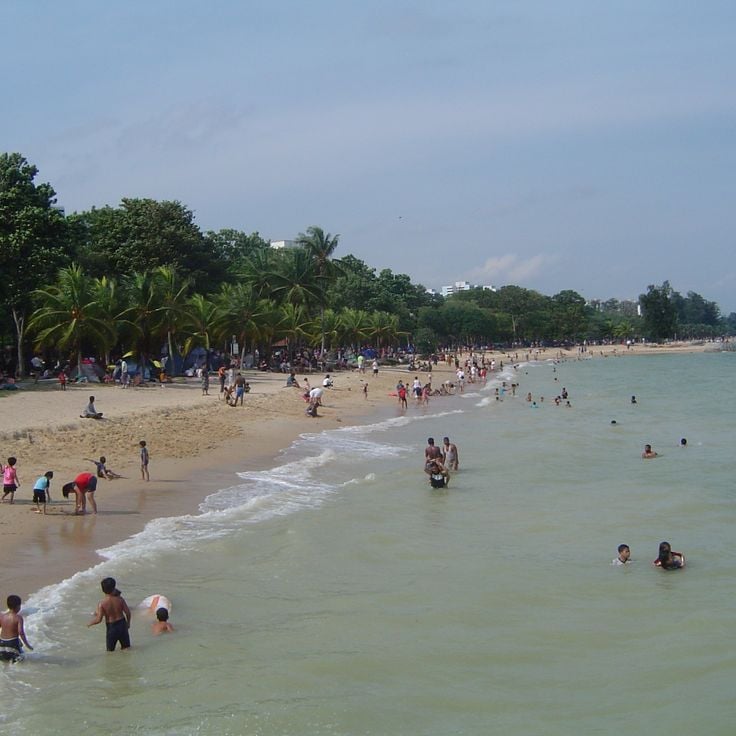
This 9-mile (15-kilometer) coastal park along Singapore's eastern shoreline combines beach access, restaurants, barbecue areas and separate paths for cyclists and pedestrians. The park provides opportunities to photograph recreational activities and beachside scenes within city limits, while rows of palms and views of shipping lanes offshore deliver maritime subjects that contrast with Singapore's urban core.
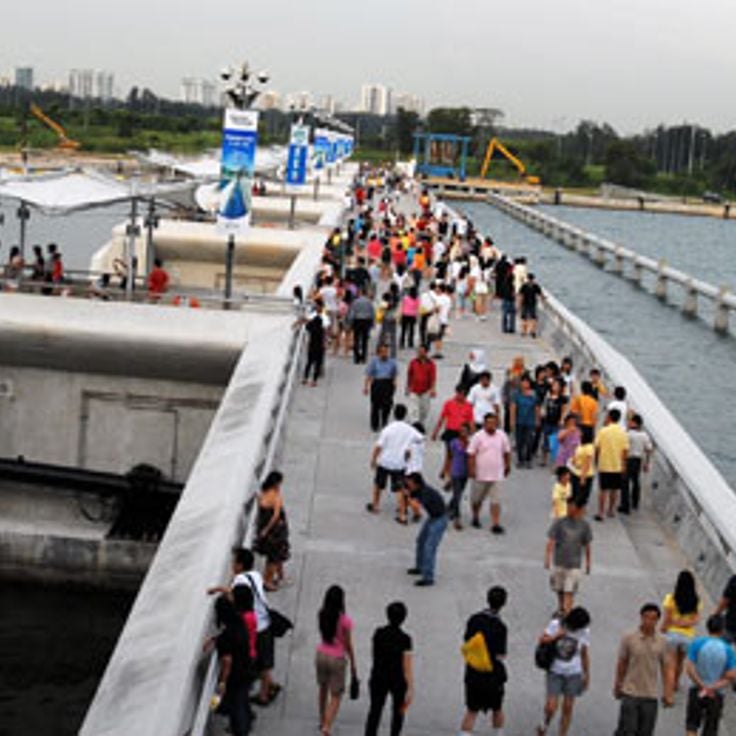
The Marina Barrage features a green roof that offers views across Marina Bay and the towers of the business district. Completed in 2008, the structure serves as a dam, flood control system and freshwater reservoir. The rooftop terrace spans several hundred yards and sits roughly 33 feet (10 meters) above sea level. From here you can photograph the Marina Bay skyline, Marina Bay Sands and Gardens by the Bay. On weekends locals use the lawn areas for kite flying. The facility sits at the southern edge of the Marina South district, about 1.2 miles (2 kilometers) from Marina Bay Sands, and can be reached via a waterfront walkway or by bus.
Mount Faber Park sits atop a 344-foot (105-meter) hill and connects a cable car station with trails through tropical forest. Several viewing points overlook the container port, the southern islands and on clear days stretch to Indonesia. The park serves as a departure point for the cable car to Sentosa Island and is accessible via paved paths or steep stairs from the Harbourfront district. Early morning or before sunset sees less traffic, allowing clearer shots of the skyline and harbor activity.
The observatory at 165 feet (50 meters) offers 360-degree views across Gardens by the Bay and Marina Bay. This viewing platform sits atop the tallest Supertree, vertical gardens that define the park grounds. The metal structures host over 160,000 plants and reach heights between 82 and 165 feet (25 to 50 meters). From above, visitors survey the entire complex including Cloud Forest and Flower Dome, with the city-state skyline in the background.
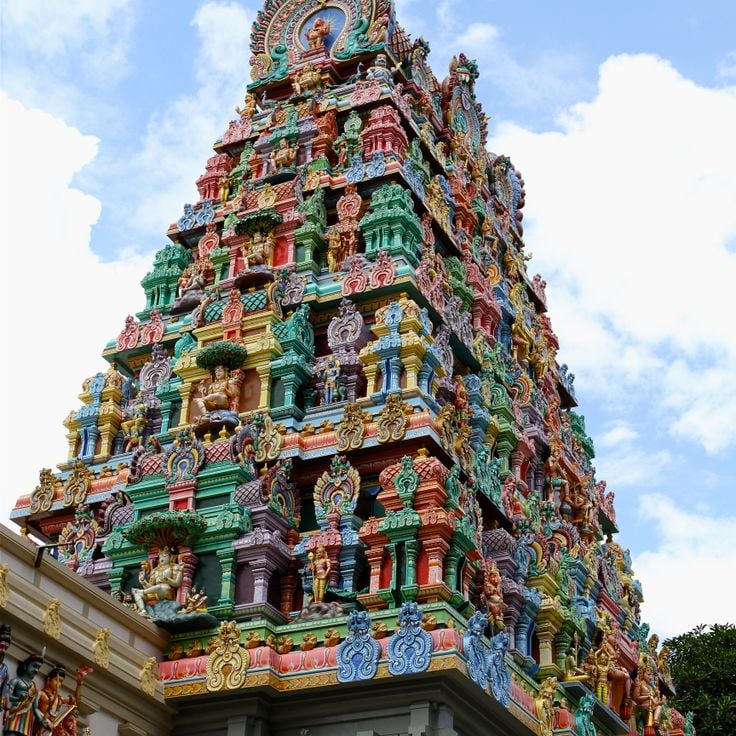
This Tamil Hindu temple stands in the Tank Road section of River Valley and displays South Indian Dravidian architecture with a multi-tiered gopuram. The facade carries statues of Hindu deities in bright colors and detailed sculptures depicting scenes from Tamil religious tradition. Dedicated to Murugan, the temple serves as the starting point for the annual Thaipusam procession and attracts photographers seeking to document the colorful ceremonies and the ornate temple facade with geometric patterns and multiple levels of sculptural decoration.
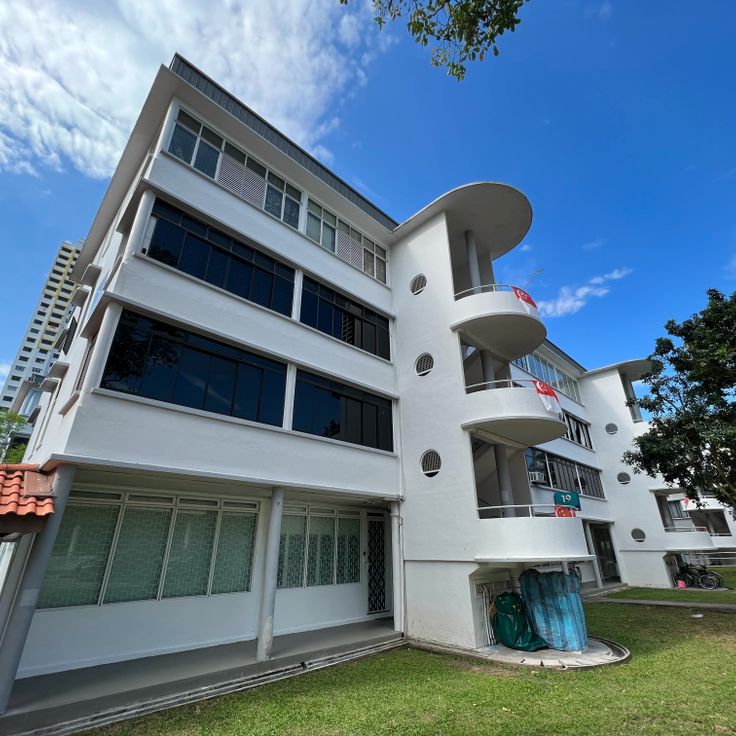
The Tiong Bahru residential neighborhood was built in the 1930s following modernist principles and retains its original architecture with rounded corners, balconies and geometric Art Deco elements. The three-story blocks contrast with the high-rises that dominate elsewhere in Singapore. The district has preserved its historical building stock and serves as an example of prewar public housing. Cafés and small shops have moved into the ground floors without altering the architectural identity. For photographers, Tiong Bahru offers facades with clean lines, play of shadows on the balconies and street scenes that illustrate urban life from the 1930s.
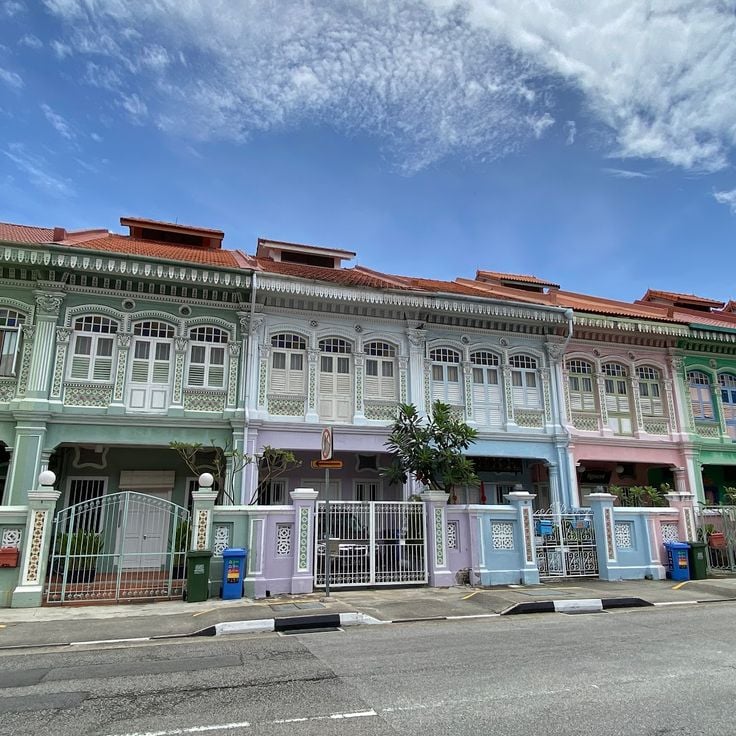
This street in the historic Joo Chiat neighborhood displays two-story shophouses from the 1920s with traditional Peranakan tiles and pastel-colored facades. The buildings combine Chinese architectural elements with European decorations, including ornate window frames and multicolored ceramic tiles on exterior walls. The terraced houses extend several hundred yards and serve as residential examples of Peranakan culture, a blend of Chinese immigrant and Malay traditions. The street sits about a 20-minute walk from Katong Antique House and Joo Chiat Complex.
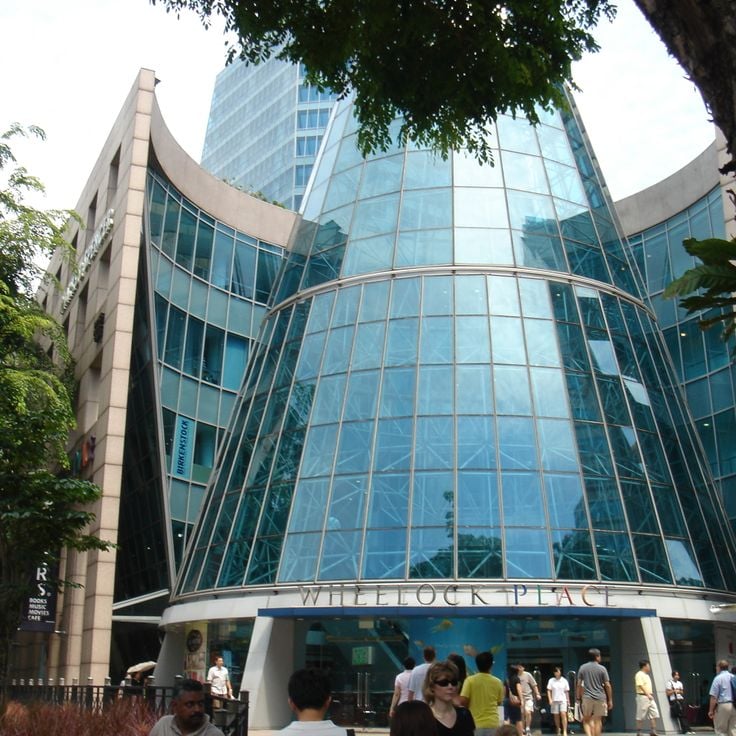
Wheelock Place has combined a 21-story shopping complex with office space through a distinctive glass cone facade on Orchard Road since 1994. The conical structure covers the lower retail floors and creates a naturally lit central atrium. The building houses several international retailers, restaurants and service businesses across its retail and office levels. The outward-angled glass facade provides photographic perspectives from street level and from surrounding towers. The central location between Somerset and Orchard MRT stations positions the building within one of Singapore's main shopping districts. The architecture contrasts with the rectangular towers along Orchard Road and contributes to the district's architectural variety.
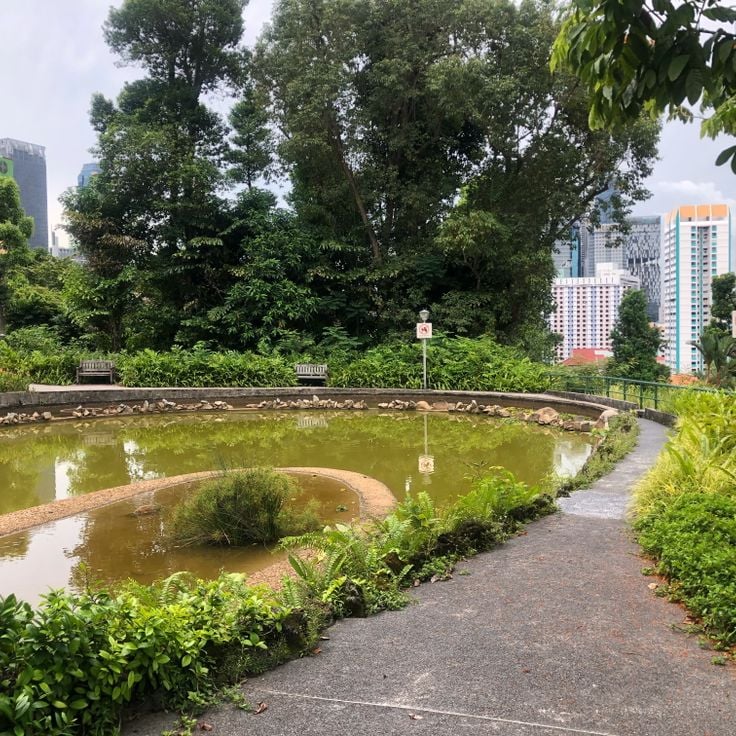
This extensive park spreads across multiple terraced levels on a hillside, with walking paths through tropical vegetation and paved viewpoints. The upper terrace offers views of surrounding residential towers and the Singapore skyline, while mid and lower tiers feature pavilions, lawns and fitness facilities. The park sits between the Outram and Chinatown neighborhoods and serves as a recreational area for local residents.
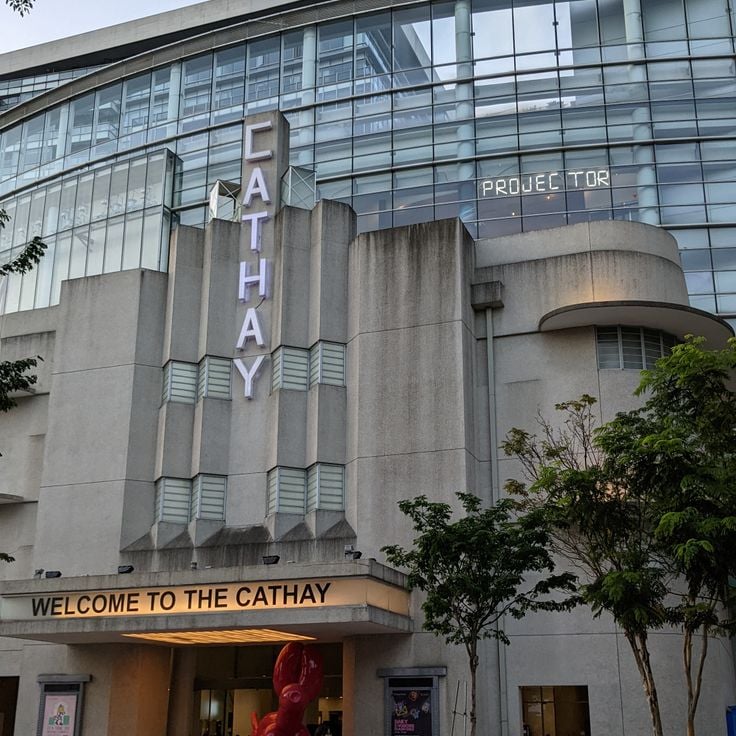
The Projector screens independent films, documentaries and Singaporean productions in two theaters inside a 1970s building at Golden Mile Tower. The cinema organizes themed series and screenings beyond mainstream blockbuster programming. The converted halls provide seating on multiple levels and a bar in the entrance area. The brutalist concrete walls of the original building remain visible, creating a contrast with the modern cinema equipment. The Projector regularly hosts film festivals and panel discussions with directors.
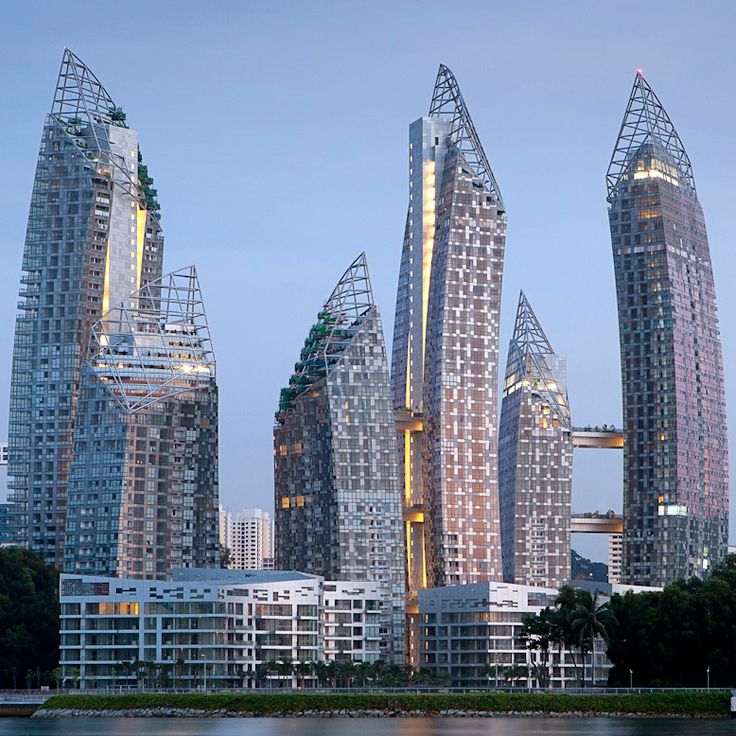
These six curving glass and steel residential towers stand along the southern edge of Keppel Bay, their concave facades creating sharp reflections on the water surface. The buildings form a complex designed by Daniel Libeskind and completed between 2008 and 2011, reaching approximately 330 feet (100 meters) in height. The organic lines of the towers contrast with surrounding development and produce shifting light patterns according to sun position. A public waterfront walkway runs beneath the buildings and provides multiple angles for photographing the facades and their reflections. The location away from major traffic routes maintains a quieter setting than central districts.
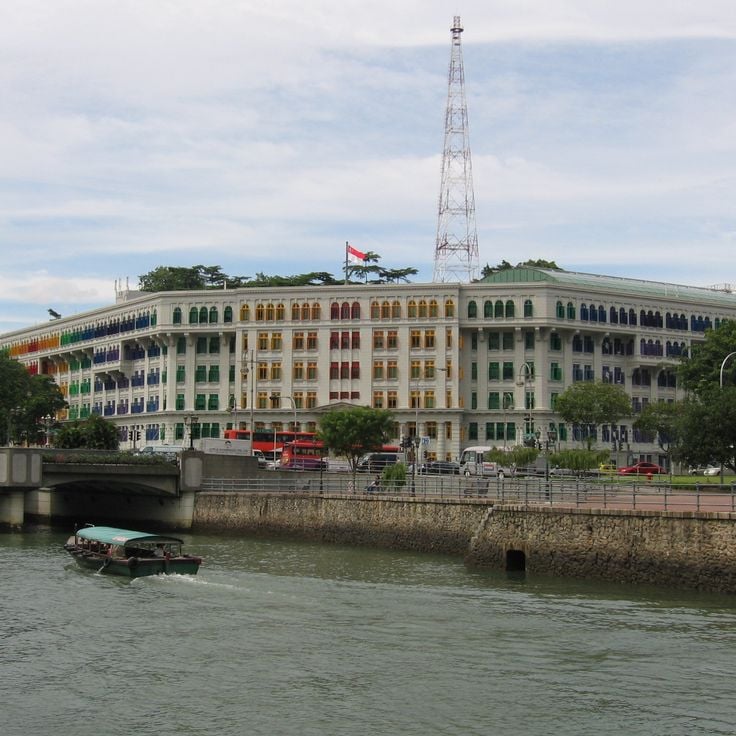
The former Hill Street Police Station was built in 1934 in neoclassical style and served as police headquarters until 1983. The six-story building on Hill Street is distinguished by its 927 window frames, painted in rainbow colors during a 2007 renovation. The facade creates a colorful contrast to the restrained colonial architecture of the surrounding area and makes the building a popular photo subject in Singapore's historic center. The building now houses the Ministry of Communications and Information and the Ministry of Culture, Community and Youth.
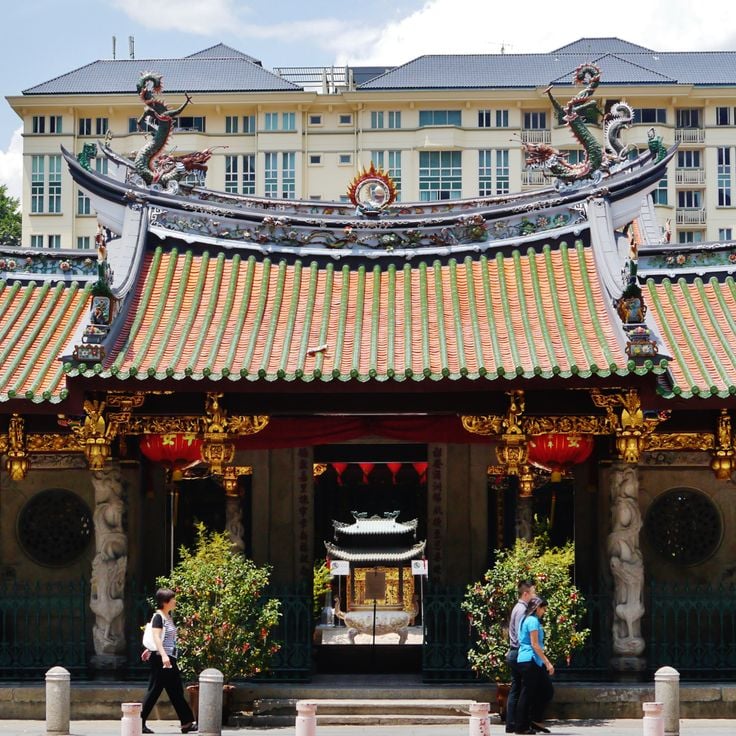
The Thian Hock Keng Temple demonstrates 19th-century Chinese temple architecture with ornate roof ridges, carved dragon figures and a courtyard surrounded by timber colonnades. Built in 1839 by Hokkien immigrants, the temple was originally dedicated to seafarers and now sits several blocks from the harbor after land reclamation shifted the coastline. Its main hall houses statues of the sea goddess Mazu, flanked by guardian figures, while the side halls are dedicated to other deities.
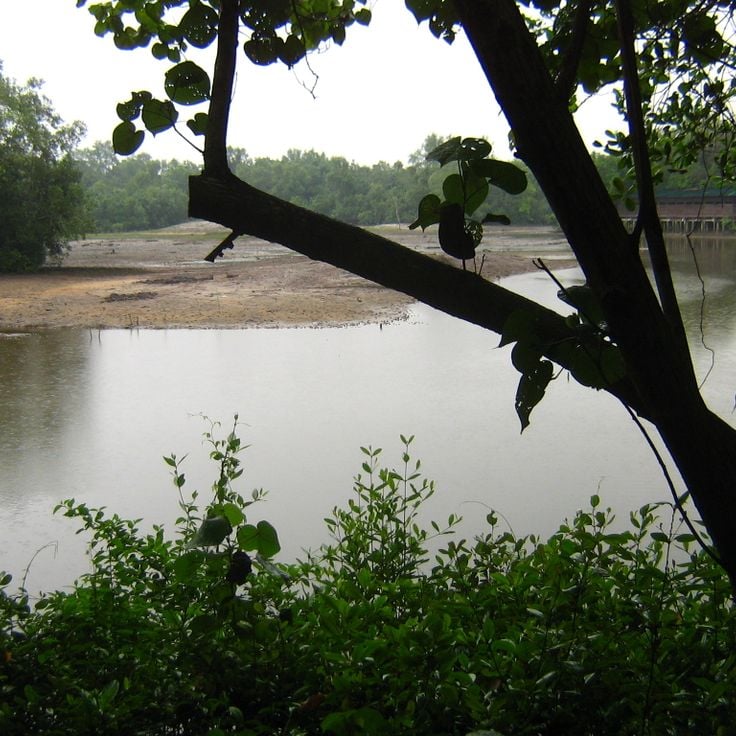
The Sungei Buloh Wetland Reserve protects 320 acres of wetlands with mangrove forests, boardwalks and observation towers that give photographers access to migratory birds and coastal landscapes. The reserve sits in northern Singapore along the Johor Strait and serves as a stopover for over 200 bird species on the East Asian-Australasian flyway. Wooden walkways wind through different mangrove species, while elevated platforms provide views of mudflats where crabs and mudskippers become active at low tide. Early morning between September and March brings the greatest diversity of shorebirds, including plovers and whimbrels that gather in the shallow waters.
The Southern Ridges form a 6.2-mile (10-kilometer) elevated trail linking several parks across the hills of southern Singapore, incorporating distinctive crossings like the Henderson Waves, a 118-foot-high (36-meter) pedestrian bridge made of wood and steel, and the Forest Walk canopy bridge. This elevated path passes through tropical vegetation and offers views of the city skyline, harbor and offshore islands. The route connects Mount Faber Park, Telok Blangah Hill Park, HortPark, Kent Ridge Park and Labrador Nature Reserve, providing opportunities to photograph contemporary infrastructure set within dense greenery, reflecting the contrast between urban density and green spaces featured in this collection.
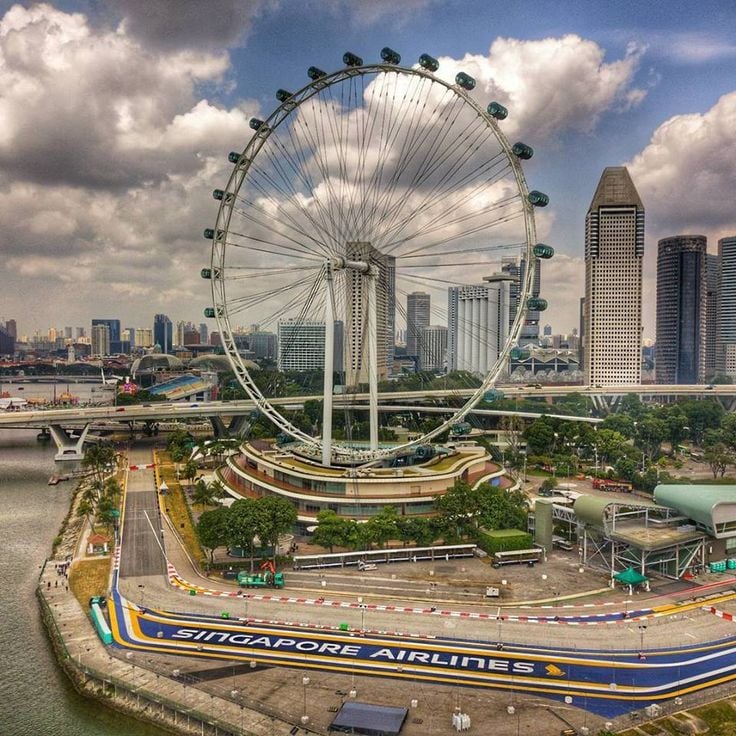
The Singapore Flyer is a 541-foot (165-meter) observation wheel at Marina Centre with climate-controlled capsules that provide complete views of the urban skyline. Each capsule holds up to 28 passengers and rotates slowly above the business district, with the ride lasting approximately 30 minutes. From the top, Marina Bay Sands, Gardens by the Bay, the Singapore River and on clear days parts of Malaysia and Indonesia are visible. The structure opened in 2008 and ranked among the tallest observation wheels worldwide at the time. The wheel remains illuminated after dark and stands as one of the most photographed modern landmarks in the city.
Marina Bay Sands rises with three towers over 200 meters (656 feet) in Marina Bay, supporting a 150-meter (492-foot) rooftop infinity pool terrace. Opened in 2010, the hotel complex combines 2,561 rooms with a casino, shopping mall and convention facilities. The SkyPark platform on level 57 provides access to the pool area for hotel guests and a public observation deck overlooking the bay, Central Business District and Gardens by the Bay. The distinctive form with its arched rooftop structure has become a landmark of the modern skyline and serves as a photography subject by day and night, when LED facades illuminate the towers.
Gardens by the Bay features 18 mechanical Supertrees ranging from 82 to 164 feet (25 to 50 meters) in height, equipped with vertical gardens and solar collectors. The steel structures support over 162,000 plants from more than 200 species and host a twice-nightly light and music show after dark. A 420-foot (128-meter) Skywalk connects two of the tallest structures at 72 feet (22 meters) above ground, offering views across Marina Bay. The complex also includes two climate-controlled conservatories: the Cloud Forest Dome with a 115-foot (35-meter) indoor waterfall and the Flower Dome showcasing Mediterranean and semi-arid vegetation.
The museum is recognizable by its structure of ten upward-pointing segments that form a hand shape. These 21 galleries span three floors and present rotating exhibitions on digital art, science and technology. The collections combine traditional artworks with interactive installations where visitors can engage with projected images through touch or movement. The building sits on the Marina Bay waterfront next to the Marina Bay Sands, and its white exterior surfaces provide a sharp contrast to the surrounding glass facades. The architecture uses a central roof opening that admits natural light and feeds a waterfall flowing down to the lowest level.
The Cloud Forest Dome presents more than 72,000 plants from tropical mountain regions, grouped around a 115-foot (35-meter) artificial waterfall at the center of the glass structure. The installation combines temperature control and misting systems to replicate the climate conditions found at elevations between 3,300 and 9,800 feet (1,000 to 3,000 meters). Visitors follow an elevated walkway that spirals down from the top, offering sight lines across the vertical planting and the dome's architecture. The structure sits within the Gardens by the Bay complex and stands alongside the larger Flower Dome, with which it shares a central cooling system.
Haji Lane is a narrow alley in the historic Kampong Glam district that has evolved from a quiet residential street into a center for independent fashion and street art over the past two decades. The two-story shophouses dating from the 1920s now accommodate boutiques selling locally designed clothing, vintage stores, and experimental cafés. Murals cover both sides of this roughly 650-foot street, changing every few months as new artists repaint the facades. This lane provides a contrast to the downtown high-rises and showcases Singapore's young creative quarter in a compact space.
Fort Canning Park covers 18 hectares (44 acres) in central Singapore, combining colonial history with contemporary green spaces. The hill contains remnants of British military structures, underground bunkers from World War II, and several themed gardens. The elevated position provides views over surrounding districts, while stairs and paths through the grounds lead to historic sites including the old Fort Gate and the Battle Box Museum. The Spice Garden documents spice plants that played a role in Singapore's trade. The combination of vegetation, architecture from different eras, and topographic variety makes this park a photographically productive location within the dense urban setting.
This 280-meter pedestrian bridge across Marina Bay ranks among Singapore's most distinctive modern structures. The steel construction follows the form of a double DNA helix, with two spiral girders running the full length of the bridge. LED lighting emphasizes the geometric structure after dark. The bridge connects Marina Centre to Marina South and provides direct access to Gardens by the Bay as well as views of the skyline and Marina Bay Sands Hotel. It complements the collection of futuristic architecture that makes Singapore accessible to photographers.
The white Merlion at Marina Bay Park combines the head of a lion with the body of a fish and stands as Singapore's most recognized statue. The 28-foot (8.6-meter) sculpture was built in 1972 and relocated to this waterfront spot in 2002, where it spouts a stream of water into the bay. The position provides photographers with views of Marina Bay Sands, the financial district towers and the city's modern skyline. The original figure was created as the official mascot of the tourism board and merges the lion as the city's namesake with the fish representing its maritime origins.
Chinatown ranks among Singapore's oldest residential districts, featuring temples, shophouses from the colonial era and stores selling traditional Chinese medicine. The multi-story buildings with shutters and stucco details now hold protected status. Narrow lanes are lined with restaurants, teahouses and stalls selling dried foods and spices. The Sri Mariamman Temple on South Bridge Road, the Buddha Tooth Relic Temple on Saba Street and the Thian Hock Keng Temple complex on Telok Ayer Street mark important religious sites within the neighborhood. Photographers find contrasts here between the facade colors, Chinese characters on storefronts and the high-rises of the surrounding area.
This quarter of Southeast Asian Indian immigration concentrates traditional spice markets, Tamil Hindu temples with elaborately painted gopurams, sari shops and restaurants serving South Indian cuisine along Serangoon Road and adjacent streets. The multistory shophouses dating from the 1920s retain their original arcades, while flower garland vendors and music systems playing Bollywood films provide a permanent backdrop for mobile photography. Facades are painted in yellow, pink and turquoise tones. The district remains a working commercial center for Singapore's Indian community and offers authentic details from roadside chai to henna artists for visitors seeking visual variety, just a few minutes' walk from the MRT station of the same name.
The beaches of Sentosa offer two kilometers (1.2 miles) of sandy shoreline that contrasts with the dense cityscape of Singapore. Palawan Beach includes a playground and water sports facilities, while Tanjong Beach provides a quieter setting for visitors seeking less activity. Siloso Beach, the westernmost section, features bars and volleyball courts. These beaches are connected by a pedestrian boardwalk and accessible from the mainland by cable car or road link.
Clarke Quay transforms 19th century warehouses along the Singapore River into a dining and entertainment district with restaurants, bars and clubs. The colorful painted shophouses with their covered arcades offer photo opportunities both during the day for architectural shots and at night when colored lighting illuminates the riverside promenade. This riverfront area adds to Singapore's architectural variety by showcasing the city's colonial trading history.
The Esplanade - Theatres on the Bay is a performing arts center on the Marina Bay waterfront with two main venues protected by a distinctive exterior made of triangular aluminum sunshades. The concert hall seats 2,000, the theater 1,600. The facade was designed to reduce tropical sun exposure while allowing natural light inside. The twin domed structures have been part of the Marina Bay skyline since 2002 and draw photographers interested in the geometric pattern of the exterior shell against the surrounding high-rise district.
This 1.4-mile (2.2-kilometer) shopping corridor runs through central Singapore, connecting over 50 shopping centers, department stores and specialty retailers. Orchard Road combines international luxury brands, electronics outlets and local shops beneath a canopy of tropical trees. The street functions as both a major thoroughfare and pedestrian zone, with air-conditioned walkways linking the malls. On weekends, sidewalks fill with locals and visitors moving between ION Orchard, Takashimaya and Paragon Shopping Centre. The road sits in the Orchard district, within walking distance of multiple MRT stations, complementing the city's modern architectural landmarks with its role as a commercial hub.
This terminal complex opened in 2019 connects the airport with a multi-story structure featuring a 131-foot (40-meter) waterfall cascading through a glass dome. The five levels hold more than 280 shops and restaurants, along with gardens containing around 2,000 trees and 100,000 shrubs from different climate zones. The Rain Vortex, the world's tallest indoor waterfall, receives light and sound projections each evening. The building functions as a publicly accessible meeting point between terminals and as a shopping and entertainment center for travelers on layover or stopover.
This park in northern Singapore offers a four-hour walking loop along a 2.6-mile artificial waterway that runs through the former industrial district of Punggol. The facility includes barbecue areas, outdoor fitness equipment and several viewing points along the water. The contrast between modern residential buildings and green spaces makes the location interesting for photographers, especially at sunset when the structures reflect in the water.
The MacRitchie Reservoir reserve features a twelve-kilometer trail system through primary and secondary rainforest in Singapore's central catchment area. The TreeTop Walk, a 250-meter suspension bridge positioned 82 feet (25 meters) above ground, connects the two highest points in the reserve and provides unobstructed views across the forest canopy. MacRitchie Reservoir itself, in service since 1868 as a drinking water source, is bordered by trails that work well for nature photography featuring reflections and morning mist. Macaques and monitor lizards inhabit the reserve, which is accessed via several marked entry points.
This wave-shaped pedestrian bridge connects Mount Faber with Telok Blangah Hill at 118 feet (36 meters) above ground, making it Singapore's tallest pedestrian bridge. The 899-foot (274-meter) steel structure with timber decking features elevated viewing platforms within the wave troughs and provides views across the southern districts toward the harbor. The 23-foot (7-meter) wide deck integrates seating within the curved rib arches, while LED lighting highlights the undulating structure after dark. The bridge forms part of the Southern Ridges Walk, which connects several parks and hills over a total distance of 6.8 miles (11 kilometers).
The National Gallery Singapore connects two government buildings from the 19th century - the former Supreme Court and City Hall - through a modern glass and steel structure. It displays over 8000 artworks from Southeast Asia, including paintings, sculptures and installations from the region and beyond. The collection focuses on works from Singapore and the region, with rotating exhibitions of international contemporary art. The architecture blends restored neoclassical facades with glazed courtyards and exhibition spaces across multiple levels. A rooftop restaurant on the upper floor offers views across Marina Bay for photography. This gallery sits between the historic Civic District and modern financial towers, showing how Singapore has changed over time.
The Musée des Civilisations Asiatiques presents its collection of 1,300 artifacts from China, South Asia and Southeast Asia within a neoclassical building on the Singapore River. Exhibition spaces across three floors document the cultural connections between Asian regions that shaped Singapore's history as a trading hub. The museum's architectural setting, with its white columns and riverside location, contrasts with the modern skyline of the Central Business District across the water. The building dates from 1865 and served as government offices before opening as a museum in 1997.
The Raffles combines colonial architecture with Singapore's urban history and sits in the city center near Beach Road. Opened in 1887, the hotel presents a white facade with arcaded walkways, surrounded by gardens filled with tropical vegetation. A museum inside the building documents the city's development during British colonial rule. The verandas and courtyards with their palm trees offer photo opportunities that show historic Singapore against the backdrop of the modern skyline. The Long Bar, where the Singapore Sling was created, attracts visitors who want to combine the colonial heritage with contemporary elements of the city.
The Bukit Timah Nature Reserve preserves 163 hectares (403 acres) of primary rainforest in central Singapore and offers photographers a tropical setting with centuries-old trees, jungle trails and the island's highest natural point at 164 meters (538 feet). This area supports more than 840 flowering plants and 500 animal species, including long-tailed macaques and various bird species that inhabit the dense fern groves and lianas. The trails lead to viewpoints above the canopy and to rock formations that contrast with Singapore's urban landscapes. Photographers find subjects ranging from root structures and post-rain waterfalls to light breaking through the forest ceiling. The reserve sits 12 kilometers (7 miles) from the city center and complements architectural photography with natural elements.
The Singapore Botanic Gardens cover 200 acres (82 hectares) and house the National Orchid Garden, displaying more than 1000 orchid species and 2000 hybrids. The grounds combine manicured lawns with tropical vegetation, offering photographers shifting light conditions beneath the canopy of centuries-old trees. The orchid garden presents its collection in climate-controlled greenhouses and open-air sections, with the VIP Orchid Hall showcasing cultivars named after visiting heads of state.
ION Orchard rises as a glass tower along Orchard Road, one of Singapore's main shopping streets. The 66-story building houses over 300 shops and restaurants across eight retail floors. On the 56th floor sits ION Sky Observation Deck, a free viewing platform at roughly 720 feet (220 meters) that provides wide views across the city to Marina Bay and Sentosa. Floor-to-ceiling windows allow shots of high-rises and Singapore's urban layout without distracting reflections. The building connects directly to Orchard MRT station and stands in contrast to the traditional shopping centers along the street. The platform works best during the blue hour when city lighting activates across the skyline.
This 9-mile (15-kilometer) coastal park along Singapore's eastern shoreline combines beach access, restaurants, barbecue areas and separate paths for cyclists and pedestrians. The park provides opportunities to photograph recreational activities and beachside scenes within city limits, while rows of palms and views of shipping lanes offshore deliver maritime subjects that contrast with Singapore's urban core.
The Marina Barrage features a green roof that offers views across Marina Bay and the towers of the business district. Completed in 2008, the structure serves as a dam, flood control system and freshwater reservoir. The rooftop terrace spans several hundred yards and sits roughly 33 feet (10 meters) above sea level. From here you can photograph the Marina Bay skyline, Marina Bay Sands and Gardens by the Bay. On weekends locals use the lawn areas for kite flying. The facility sits at the southern edge of the Marina South district, about 1.2 miles (2 kilometers) from Marina Bay Sands, and can be reached via a waterfront walkway or by bus.
Mount Faber Park sits atop a 344-foot (105-meter) hill and connects a cable car station with trails through tropical forest. Several viewing points overlook the container port, the southern islands and on clear days stretch to Indonesia. The park serves as a departure point for the cable car to Sentosa Island and is accessible via paved paths or steep stairs from the Harbourfront district. Early morning or before sunset sees less traffic, allowing clearer shots of the skyline and harbor activity.
The observatory at 165 feet (50 meters) offers 360-degree views across Gardens by the Bay and Marina Bay. This viewing platform sits atop the tallest Supertree, vertical gardens that define the park grounds. The metal structures host over 160,000 plants and reach heights between 82 and 165 feet (25 to 50 meters). From above, visitors survey the entire complex including Cloud Forest and Flower Dome, with the city-state skyline in the background.
This Tamil Hindu temple stands in the Tank Road section of River Valley and displays South Indian Dravidian architecture with a multi-tiered gopuram. The facade carries statues of Hindu deities in bright colors and detailed sculptures depicting scenes from Tamil religious tradition. Dedicated to Murugan, the temple serves as the starting point for the annual Thaipusam procession and attracts photographers seeking to document the colorful ceremonies and the ornate temple facade with geometric patterns and multiple levels of sculptural decoration.
The Tiong Bahru residential neighborhood was built in the 1930s following modernist principles and retains its original architecture with rounded corners, balconies and geometric Art Deco elements. The three-story blocks contrast with the high-rises that dominate elsewhere in Singapore. The district has preserved its historical building stock and serves as an example of prewar public housing. Cafés and small shops have moved into the ground floors without altering the architectural identity. For photographers, Tiong Bahru offers facades with clean lines, play of shadows on the balconies and street scenes that illustrate urban life from the 1930s.
This street in the historic Joo Chiat neighborhood displays two-story shophouses from the 1920s with traditional Peranakan tiles and pastel-colored facades. The buildings combine Chinese architectural elements with European decorations, including ornate window frames and multicolored ceramic tiles on exterior walls. The terraced houses extend several hundred yards and serve as residential examples of Peranakan culture, a blend of Chinese immigrant and Malay traditions. The street sits about a 20-minute walk from Katong Antique House and Joo Chiat Complex.
Wheelock Place has combined a 21-story shopping complex with office space through a distinctive glass cone facade on Orchard Road since 1994. The conical structure covers the lower retail floors and creates a naturally lit central atrium. The building houses several international retailers, restaurants and service businesses across its retail and office levels. The outward-angled glass facade provides photographic perspectives from street level and from surrounding towers. The central location between Somerset and Orchard MRT stations positions the building within one of Singapore's main shopping districts. The architecture contrasts with the rectangular towers along Orchard Road and contributes to the district's architectural variety.
This extensive park spreads across multiple terraced levels on a hillside, with walking paths through tropical vegetation and paved viewpoints. The upper terrace offers views of surrounding residential towers and the Singapore skyline, while mid and lower tiers feature pavilions, lawns and fitness facilities. The park sits between the Outram and Chinatown neighborhoods and serves as a recreational area for local residents.
The Projector screens independent films, documentaries and Singaporean productions in two theaters inside a 1970s building at Golden Mile Tower. The cinema organizes themed series and screenings beyond mainstream blockbuster programming. The converted halls provide seating on multiple levels and a bar in the entrance area. The brutalist concrete walls of the original building remain visible, creating a contrast with the modern cinema equipment. The Projector regularly hosts film festivals and panel discussions with directors.
These six curving glass and steel residential towers stand along the southern edge of Keppel Bay, their concave facades creating sharp reflections on the water surface. The buildings form a complex designed by Daniel Libeskind and completed between 2008 and 2011, reaching approximately 330 feet (100 meters) in height. The organic lines of the towers contrast with surrounding development and produce shifting light patterns according to sun position. A public waterfront walkway runs beneath the buildings and provides multiple angles for photographing the facades and their reflections. The location away from major traffic routes maintains a quieter setting than central districts.
The former Hill Street Police Station was built in 1934 in neoclassical style and served as police headquarters until 1983. The six-story building on Hill Street is distinguished by its 927 window frames, painted in rainbow colors during a 2007 renovation. The facade creates a colorful contrast to the restrained colonial architecture of the surrounding area and makes the building a popular photo subject in Singapore's historic center. The building now houses the Ministry of Communications and Information and the Ministry of Culture, Community and Youth.
The Thian Hock Keng Temple demonstrates 19th-century Chinese temple architecture with ornate roof ridges, carved dragon figures and a courtyard surrounded by timber colonnades. Built in 1839 by Hokkien immigrants, the temple was originally dedicated to seafarers and now sits several blocks from the harbor after land reclamation shifted the coastline. Its main hall houses statues of the sea goddess Mazu, flanked by guardian figures, while the side halls are dedicated to other deities.
The Sungei Buloh Wetland Reserve protects 320 acres of wetlands with mangrove forests, boardwalks and observation towers that give photographers access to migratory birds and coastal landscapes. The reserve sits in northern Singapore along the Johor Strait and serves as a stopover for over 200 bird species on the East Asian-Australasian flyway. Wooden walkways wind through different mangrove species, while elevated platforms provide views of mudflats where crabs and mudskippers become active at low tide. Early morning between September and March brings the greatest diversity of shorebirds, including plovers and whimbrels that gather in the shallow waters.
The Southern Ridges form a 6.2-mile (10-kilometer) elevated trail linking several parks across the hills of southern Singapore, incorporating distinctive crossings like the Henderson Waves, a 118-foot-high (36-meter) pedestrian bridge made of wood and steel, and the Forest Walk canopy bridge. This elevated path passes through tropical vegetation and offers views of the city skyline, harbor and offshore islands. The route connects Mount Faber Park, Telok Blangah Hill Park, HortPark, Kent Ridge Park and Labrador Nature Reserve, providing opportunities to photograph contemporary infrastructure set within dense greenery, reflecting the contrast between urban density and green spaces featured in this collection.
The Singapore Flyer is a 541-foot (165-meter) observation wheel at Marina Centre with climate-controlled capsules that provide complete views of the urban skyline. Each capsule holds up to 28 passengers and rotates slowly above the business district, with the ride lasting approximately 30 minutes. From the top, Marina Bay Sands, Gardens by the Bay, the Singapore River and on clear days parts of Malaysia and Indonesia are visible. The structure opened in 2008 and ranked among the tallest observation wheels worldwide at the time. The wheel remains illuminated after dark and stands as one of the most photographed modern landmarks in the city.
Marina Bay Sands rises with three towers over 200 meters (656 feet) in Marina Bay, supporting a 150-meter (492-foot) rooftop infinity pool terrace. Opened in 2010, the hotel complex combines 2,561 rooms with a casino, shopping mall and convention facilities. The SkyPark platform on level 57 provides access to the pool area for hotel guests and a public observation deck overlooking the bay, Central Business District and Gardens by the Bay. The distinctive form with its arched rooftop structure has become a landmark of the modern skyline and serves as a photography subject by day and night, when LED facades illuminate the towers.
Gardens by the Bay features 18 mechanical Supertrees ranging from 82 to 164 feet (25 to 50 meters) in height, equipped with vertical gardens and solar collectors. The steel structures support over 162,000 plants from more than 200 species and host a twice-nightly light and music show after dark. A 420-foot (128-meter) Skywalk connects two of the tallest structures at 72 feet (22 meters) above ground, offering views across Marina Bay. The complex also includes two climate-controlled conservatories: the Cloud Forest Dome with a 115-foot (35-meter) indoor waterfall and the Flower Dome showcasing Mediterranean and semi-arid vegetation.
The museum is recognizable by its structure of ten upward-pointing segments that form a hand shape. These 21 galleries span three floors and present rotating exhibitions on digital art, science and technology. The collections combine traditional artworks with interactive installations where visitors can engage with projected images through touch or movement. The building sits on the Marina Bay waterfront next to the Marina Bay Sands, and its white exterior surfaces provide a sharp contrast to the surrounding glass facades. The architecture uses a central roof opening that admits natural light and feeds a waterfall flowing down to the lowest level.
The Cloud Forest Dome presents more than 72,000 plants from tropical mountain regions, grouped around a 115-foot (35-meter) artificial waterfall at the center of the glass structure. The installation combines temperature control and misting systems to replicate the climate conditions found at elevations between 3,300 and 9,800 feet (1,000 to 3,000 meters). Visitors follow an elevated walkway that spirals down from the top, offering sight lines across the vertical planting and the dome's architecture. The structure sits within the Gardens by the Bay complex and stands alongside the larger Flower Dome, with which it shares a central cooling system.
Haji Lane is a narrow alley in the historic Kampong Glam district that has evolved from a quiet residential street into a center for independent fashion and street art over the past two decades. The two-story shophouses dating from the 1920s now accommodate boutiques selling locally designed clothing, vintage stores, and experimental cafés. Murals cover both sides of this roughly 650-foot street, changing every few months as new artists repaint the facades. This lane provides a contrast to the downtown high-rises and showcases Singapore's young creative quarter in a compact space.
Fort Canning Park covers 18 hectares (44 acres) in central Singapore, combining colonial history with contemporary green spaces. The hill contains remnants of British military structures, underground bunkers from World War II, and several themed gardens. The elevated position provides views over surrounding districts, while stairs and paths through the grounds lead to historic sites including the old Fort Gate and the Battle Box Museum. The Spice Garden documents spice plants that played a role in Singapore's trade. The combination of vegetation, architecture from different eras, and topographic variety makes this park a photographically productive location within the dense urban setting.
This 280-meter pedestrian bridge across Marina Bay ranks among Singapore's most distinctive modern structures. The steel construction follows the form of a double DNA helix, with two spiral girders running the full length of the bridge. LED lighting emphasizes the geometric structure after dark. The bridge connects Marina Centre to Marina South and provides direct access to Gardens by the Bay as well as views of the skyline and Marina Bay Sands Hotel. It complements the collection of futuristic architecture that makes Singapore accessible to photographers.
The white Merlion at Marina Bay Park combines the head of a lion with the body of a fish and stands as Singapore's most recognized statue. The 28-foot (8.6-meter) sculpture was built in 1972 and relocated to this waterfront spot in 2002, where it spouts a stream of water into the bay. The position provides photographers with views of Marina Bay Sands, the financial district towers and the city's modern skyline. The original figure was created as the official mascot of the tourism board and merges the lion as the city's namesake with the fish representing its maritime origins.
Chinatown ranks among Singapore's oldest residential districts, featuring temples, shophouses from the colonial era and stores selling traditional Chinese medicine. The multi-story buildings with shutters and stucco details now hold protected status. Narrow lanes are lined with restaurants, teahouses and stalls selling dried foods and spices. The Sri Mariamman Temple on South Bridge Road, the Buddha Tooth Relic Temple on Saba Street and the Thian Hock Keng Temple complex on Telok Ayer Street mark important religious sites within the neighborhood. Photographers find contrasts here between the facade colors, Chinese characters on storefronts and the high-rises of the surrounding area.
This quarter of Southeast Asian Indian immigration concentrates traditional spice markets, Tamil Hindu temples with elaborately painted gopurams, sari shops and restaurants serving South Indian cuisine along Serangoon Road and adjacent streets. The multistory shophouses dating from the 1920s retain their original arcades, while flower garland vendors and music systems playing Bollywood films provide a permanent backdrop for mobile photography. Facades are painted in yellow, pink and turquoise tones. The district remains a working commercial center for Singapore's Indian community and offers authentic details from roadside chai to henna artists for visitors seeking visual variety, just a few minutes' walk from the MRT station of the same name.
The beaches of Sentosa offer two kilometers (1.2 miles) of sandy shoreline that contrasts with the dense cityscape of Singapore. Palawan Beach includes a playground and water sports facilities, while Tanjong Beach provides a quieter setting for visitors seeking less activity. Siloso Beach, the westernmost section, features bars and volleyball courts. These beaches are connected by a pedestrian boardwalk and accessible from the mainland by cable car or road link.
Clarke Quay transforms 19th century warehouses along the Singapore River into a dining and entertainment district with restaurants, bars and clubs. The colorful painted shophouses with their covered arcades offer photo opportunities both during the day for architectural shots and at night when colored lighting illuminates the riverside promenade. This riverfront area adds to Singapore's architectural variety by showcasing the city's colonial trading history.
The Esplanade - Theatres on the Bay is a performing arts center on the Marina Bay waterfront with two main venues protected by a distinctive exterior made of triangular aluminum sunshades. The concert hall seats 2,000, the theater 1,600. The facade was designed to reduce tropical sun exposure while allowing natural light inside. The twin domed structures have been part of the Marina Bay skyline since 2002 and draw photographers interested in the geometric pattern of the exterior shell against the surrounding high-rise district.
This 1.4-mile (2.2-kilometer) shopping corridor runs through central Singapore, connecting over 50 shopping centers, department stores and specialty retailers. Orchard Road combines international luxury brands, electronics outlets and local shops beneath a canopy of tropical trees. The street functions as both a major thoroughfare and pedestrian zone, with air-conditioned walkways linking the malls. On weekends, sidewalks fill with locals and visitors moving between ION Orchard, Takashimaya and Paragon Shopping Centre. The road sits in the Orchard district, within walking distance of multiple MRT stations, complementing the city's modern architectural landmarks with its role as a commercial hub.
This terminal complex opened in 2019 connects the airport with a multi-story structure featuring a 131-foot (40-meter) waterfall cascading through a glass dome. The five levels hold more than 280 shops and restaurants, along with gardens containing around 2,000 trees and 100,000 shrubs from different climate zones. The Rain Vortex, the world's tallest indoor waterfall, receives light and sound projections each evening. The building functions as a publicly accessible meeting point between terminals and as a shopping and entertainment center for travelers on layover or stopover.
This park in northern Singapore offers a four-hour walking loop along a 2.6-mile artificial waterway that runs through the former industrial district of Punggol. The facility includes barbecue areas, outdoor fitness equipment and several viewing points along the water. The contrast between modern residential buildings and green spaces makes the location interesting for photographers, especially at sunset when the structures reflect in the water.
The MacRitchie Reservoir reserve features a twelve-kilometer trail system through primary and secondary rainforest in Singapore's central catchment area. The TreeTop Walk, a 250-meter suspension bridge positioned 82 feet (25 meters) above ground, connects the two highest points in the reserve and provides unobstructed views across the forest canopy. MacRitchie Reservoir itself, in service since 1868 as a drinking water source, is bordered by trails that work well for nature photography featuring reflections and morning mist. Macaques and monitor lizards inhabit the reserve, which is accessed via several marked entry points.
This wave-shaped pedestrian bridge connects Mount Faber with Telok Blangah Hill at 118 feet (36 meters) above ground, making it Singapore's tallest pedestrian bridge. The 899-foot (274-meter) steel structure with timber decking features elevated viewing platforms within the wave troughs and provides views across the southern districts toward the harbor. The 23-foot (7-meter) wide deck integrates seating within the curved rib arches, while LED lighting highlights the undulating structure after dark. The bridge forms part of the Southern Ridges Walk, which connects several parks and hills over a total distance of 6.8 miles (11 kilometers).
The National Gallery Singapore connects two government buildings from the 19th century - the former Supreme Court and City Hall - through a modern glass and steel structure. It displays over 8000 artworks from Southeast Asia, including paintings, sculptures and installations from the region and beyond. The collection focuses on works from Singapore and the region, with rotating exhibitions of international contemporary art. The architecture blends restored neoclassical facades with glazed courtyards and exhibition spaces across multiple levels. A rooftop restaurant on the upper floor offers views across Marina Bay for photography. This gallery sits between the historic Civic District and modern financial towers, showing how Singapore has changed over time.
The Musée des Civilisations Asiatiques presents its collection of 1,300 artifacts from China, South Asia and Southeast Asia within a neoclassical building on the Singapore River. Exhibition spaces across three floors document the cultural connections between Asian regions that shaped Singapore's history as a trading hub. The museum's architectural setting, with its white columns and riverside location, contrasts with the modern skyline of the Central Business District across the water. The building dates from 1865 and served as government offices before opening as a museum in 1997.
The Raffles combines colonial architecture with Singapore's urban history and sits in the city center near Beach Road. Opened in 1887, the hotel presents a white facade with arcaded walkways, surrounded by gardens filled with tropical vegetation. A museum inside the building documents the city's development during British colonial rule. The verandas and courtyards with their palm trees offer photo opportunities that show historic Singapore against the backdrop of the modern skyline. The Long Bar, where the Singapore Sling was created, attracts visitors who want to combine the colonial heritage with contemporary elements of the city.
The Bukit Timah Nature Reserve preserves 163 hectares (403 acres) of primary rainforest in central Singapore and offers photographers a tropical setting with centuries-old trees, jungle trails and the island's highest natural point at 164 meters (538 feet). This area supports more than 840 flowering plants and 500 animal species, including long-tailed macaques and various bird species that inhabit the dense fern groves and lianas. The trails lead to viewpoints above the canopy and to rock formations that contrast with Singapore's urban landscapes. Photographers find subjects ranging from root structures and post-rain waterfalls to light breaking through the forest ceiling. The reserve sits 12 kilometers (7 miles) from the city center and complements architectural photography with natural elements.
The Singapore Botanic Gardens cover 200 acres (82 hectares) and house the National Orchid Garden, displaying more than 1000 orchid species and 2000 hybrids. The grounds combine manicured lawns with tropical vegetation, offering photographers shifting light conditions beneath the canopy of centuries-old trees. The orchid garden presents its collection in climate-controlled greenhouses and open-air sections, with the VIP Orchid Hall showcasing cultivars named after visiting heads of state.
ION Orchard rises as a glass tower along Orchard Road, one of Singapore's main shopping streets. The 66-story building houses over 300 shops and restaurants across eight retail floors. On the 56th floor sits ION Sky Observation Deck, a free viewing platform at roughly 720 feet (220 meters) that provides wide views across the city to Marina Bay and Sentosa. Floor-to-ceiling windows allow shots of high-rises and Singapore's urban layout without distracting reflections. The building connects directly to Orchard MRT station and stands in contrast to the traditional shopping centers along the street. The platform works best during the blue hour when city lighting activates across the skyline.
This 9-mile (15-kilometer) coastal park along Singapore's eastern shoreline combines beach access, restaurants, barbecue areas and separate paths for cyclists and pedestrians. The park provides opportunities to photograph recreational activities and beachside scenes within city limits, while rows of palms and views of shipping lanes offshore deliver maritime subjects that contrast with Singapore's urban core.
The Marina Barrage features a green roof that offers views across Marina Bay and the towers of the business district. Completed in 2008, the structure serves as a dam, flood control system and freshwater reservoir. The rooftop terrace spans several hundred yards and sits roughly 33 feet (10 meters) above sea level. From here you can photograph the Marina Bay skyline, Marina Bay Sands and Gardens by the Bay. On weekends locals use the lawn areas for kite flying. The facility sits at the southern edge of the Marina South district, about 1.2 miles (2 kilometers) from Marina Bay Sands, and can be reached via a waterfront walkway or by bus.
Mount Faber Park sits atop a 344-foot (105-meter) hill and connects a cable car station with trails through tropical forest. Several viewing points overlook the container port, the southern islands and on clear days stretch to Indonesia. The park serves as a departure point for the cable car to Sentosa Island and is accessible via paved paths or steep stairs from the Harbourfront district. Early morning or before sunset sees less traffic, allowing clearer shots of the skyline and harbor activity.
The observatory at 165 feet (50 meters) offers 360-degree views across Gardens by the Bay and Marina Bay. This viewing platform sits atop the tallest Supertree, vertical gardens that define the park grounds. The metal structures host over 160,000 plants and reach heights between 82 and 165 feet (25 to 50 meters). From above, visitors survey the entire complex including Cloud Forest and Flower Dome, with the city-state skyline in the background.
This Tamil Hindu temple stands in the Tank Road section of River Valley and displays South Indian Dravidian architecture with a multi-tiered gopuram. The facade carries statues of Hindu deities in bright colors and detailed sculptures depicting scenes from Tamil religious tradition. Dedicated to Murugan, the temple serves as the starting point for the annual Thaipusam procession and attracts photographers seeking to document the colorful ceremonies and the ornate temple facade with geometric patterns and multiple levels of sculptural decoration.
The Tiong Bahru residential neighborhood was built in the 1930s following modernist principles and retains its original architecture with rounded corners, balconies and geometric Art Deco elements. The three-story blocks contrast with the high-rises that dominate elsewhere in Singapore. The district has preserved its historical building stock and serves as an example of prewar public housing. Cafés and small shops have moved into the ground floors without altering the architectural identity. For photographers, Tiong Bahru offers facades with clean lines, play of shadows on the balconies and street scenes that illustrate urban life from the 1930s.
This street in the historic Joo Chiat neighborhood displays two-story shophouses from the 1920s with traditional Peranakan tiles and pastel-colored facades. The buildings combine Chinese architectural elements with European decorations, including ornate window frames and multicolored ceramic tiles on exterior walls. The terraced houses extend several hundred yards and serve as residential examples of Peranakan culture, a blend of Chinese immigrant and Malay traditions. The street sits about a 20-minute walk from Katong Antique House and Joo Chiat Complex.
Wheelock Place has combined a 21-story shopping complex with office space through a distinctive glass cone facade on Orchard Road since 1994. The conical structure covers the lower retail floors and creates a naturally lit central atrium. The building houses several international retailers, restaurants and service businesses across its retail and office levels. The outward-angled glass facade provides photographic perspectives from street level and from surrounding towers. The central location between Somerset and Orchard MRT stations positions the building within one of Singapore's main shopping districts. The architecture contrasts with the rectangular towers along Orchard Road and contributes to the district's architectural variety.
This extensive park spreads across multiple terraced levels on a hillside, with walking paths through tropical vegetation and paved viewpoints. The upper terrace offers views of surrounding residential towers and the Singapore skyline, while mid and lower tiers feature pavilions, lawns and fitness facilities. The park sits between the Outram and Chinatown neighborhoods and serves as a recreational area for local residents.
The Projector screens independent films, documentaries and Singaporean productions in two theaters inside a 1970s building at Golden Mile Tower. The cinema organizes themed series and screenings beyond mainstream blockbuster programming. The converted halls provide seating on multiple levels and a bar in the entrance area. The brutalist concrete walls of the original building remain visible, creating a contrast with the modern cinema equipment. The Projector regularly hosts film festivals and panel discussions with directors.
These six curving glass and steel residential towers stand along the southern edge of Keppel Bay, their concave facades creating sharp reflections on the water surface. The buildings form a complex designed by Daniel Libeskind and completed between 2008 and 2011, reaching approximately 330 feet (100 meters) in height. The organic lines of the towers contrast with surrounding development and produce shifting light patterns according to sun position. A public waterfront walkway runs beneath the buildings and provides multiple angles for photographing the facades and their reflections. The location away from major traffic routes maintains a quieter setting than central districts.
The former Hill Street Police Station was built in 1934 in neoclassical style and served as police headquarters until 1983. The six-story building on Hill Street is distinguished by its 927 window frames, painted in rainbow colors during a 2007 renovation. The facade creates a colorful contrast to the restrained colonial architecture of the surrounding area and makes the building a popular photo subject in Singapore's historic center. The building now houses the Ministry of Communications and Information and the Ministry of Culture, Community and Youth.
The Thian Hock Keng Temple demonstrates 19th-century Chinese temple architecture with ornate roof ridges, carved dragon figures and a courtyard surrounded by timber colonnades. Built in 1839 by Hokkien immigrants, the temple was originally dedicated to seafarers and now sits several blocks from the harbor after land reclamation shifted the coastline. Its main hall houses statues of the sea goddess Mazu, flanked by guardian figures, while the side halls are dedicated to other deities.
The Sungei Buloh Wetland Reserve protects 320 acres of wetlands with mangrove forests, boardwalks and observation towers that give photographers access to migratory birds and coastal landscapes. The reserve sits in northern Singapore along the Johor Strait and serves as a stopover for over 200 bird species on the East Asian-Australasian flyway. Wooden walkways wind through different mangrove species, while elevated platforms provide views of mudflats where crabs and mudskippers become active at low tide. Early morning between September and March brings the greatest diversity of shorebirds, including plovers and whimbrels that gather in the shallow waters.
The Southern Ridges form a 6.2-mile (10-kilometer) elevated trail linking several parks across the hills of southern Singapore, incorporating distinctive crossings like the Henderson Waves, a 118-foot-high (36-meter) pedestrian bridge made of wood and steel, and the Forest Walk canopy bridge. This elevated path passes through tropical vegetation and offers views of the city skyline, harbor and offshore islands. The route connects Mount Faber Park, Telok Blangah Hill Park, HortPark, Kent Ridge Park and Labrador Nature Reserve, providing opportunities to photograph contemporary infrastructure set within dense greenery, reflecting the contrast between urban density and green spaces featured in this collection.
The Singapore Flyer is a 541-foot (165-meter) observation wheel at Marina Centre with climate-controlled capsules that provide complete views of the urban skyline. Each capsule holds up to 28 passengers and rotates slowly above the business district, with the ride lasting approximately 30 minutes. From the top, Marina Bay Sands, Gardens by the Bay, the Singapore River and on clear days parts of Malaysia and Indonesia are visible. The structure opened in 2008 and ranked among the tallest observation wheels worldwide at the time. The wheel remains illuminated after dark and stands as one of the most photographed modern landmarks in the city.