See the monuments around you in AROpen chests in the app
Around Us is built for your phone — point your camera at the streets and discover the monuments and places around you in augmented reality.Around Us is built for your phone — chests unlock when you walk, explore and capture nearby places.
Fes preserves centuries of Moroccan history through its streets, mosques, and workshops. The medieval old town brings together religious schools such as Medersa Bou Inania and Al-Attarine Madrasa, where students studied theology and law since the 14th century. The blue gate of Bab Bou Jeloud marks the entrance to the medina, where Rue Talaa Kebira leads through old Fes. The Kairaouine Mosque has stood at the center of the city since the 9th century and houses one of the oldest universities in the world. Museums like Dar Batha display traditional ceramics and woodwork, while the Nejjarine Museum focuses on historic wooden crafts.
The city also documents military history through Borj Nord and Borj Sud, two 16th-century fortresses that once guarded the medina. The Marinid Tombs sit on a hill above the city and offer views across the rooftops of Fes. In the Jewish quarter of Mellah, synagogues like Ibn Danan recall the centuries-long presence of the Jewish community. Palaces such as Dar el Makhzen with its golden gates and traditional tanneries like Chouara show how crafts shaped the city's economy. The Jnan Sbil garden provides a quiet contrast to the dense buildings of the old town.
Fes preserves centuries of Moroccan history through its streets, mosques, and workshops. The medieval old town brings together religious schools such as Medersa Bou Inania and Al-Attarine Madrasa, where students studied theology and law since the 14th century. The blue gate of Bab Bou Jeloud marks the entrance to the medina, where Rue Talaa Kebira leads through old Fes. The Kairaouine Mosque has stood at the center of the city since the 9th century and houses one of the oldest universities in the world. Museums like Dar Batha display traditional ceramics and woodwork, while the Nejjarine Museum focuses on historic wooden crafts.
The city also documents military history through Borj Nord and Borj Sud, two 16th-century fortresses that once guarded the medina. The Marinid Tombs sit on a hill above the city and offer views across the rooftops of Fes. In the Jewish quarter of Mellah, synagogues like Ibn Danan recall the centuries-long presence of the Jewish community. Palaces such as Dar el Makhzen with its golden gates and traditional tanneries like Chouara show how crafts shaped the city's economy. The Jnan Sbil garden provides a quiet contrast to the dense buildings of the old town.
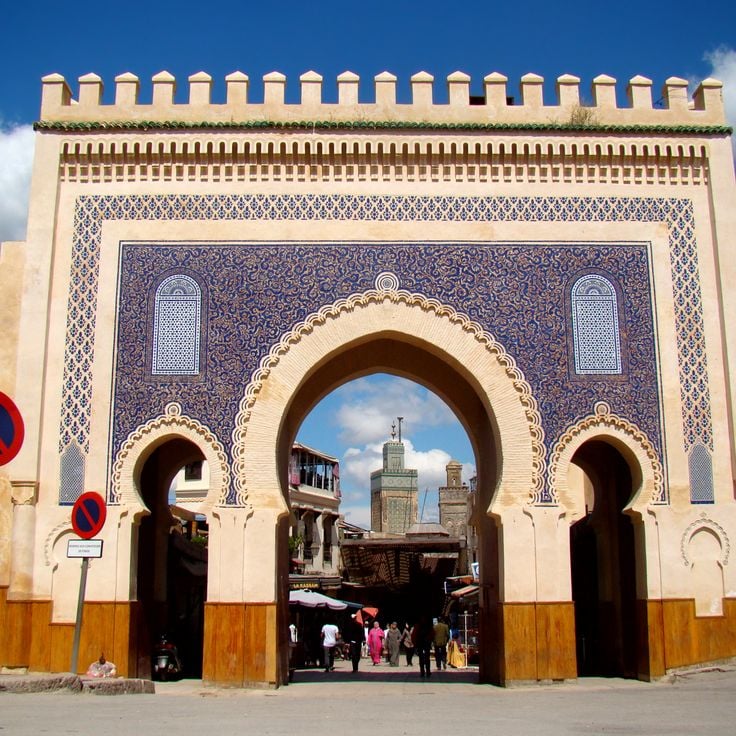
This gate from 1913 marks the entrance to the old city of Fes. The outer side displays blue mosaic tiles, while the inner side shows green ones. Arches frame the passage. The gate connects the modern town with the narrow streets of the medina. Vendors sell bread, spices, and crafts nearby. In the evenings, locals gather here to talk. From this spot, many paths lead to the craft markets, mosques, and historic buildings in the center.
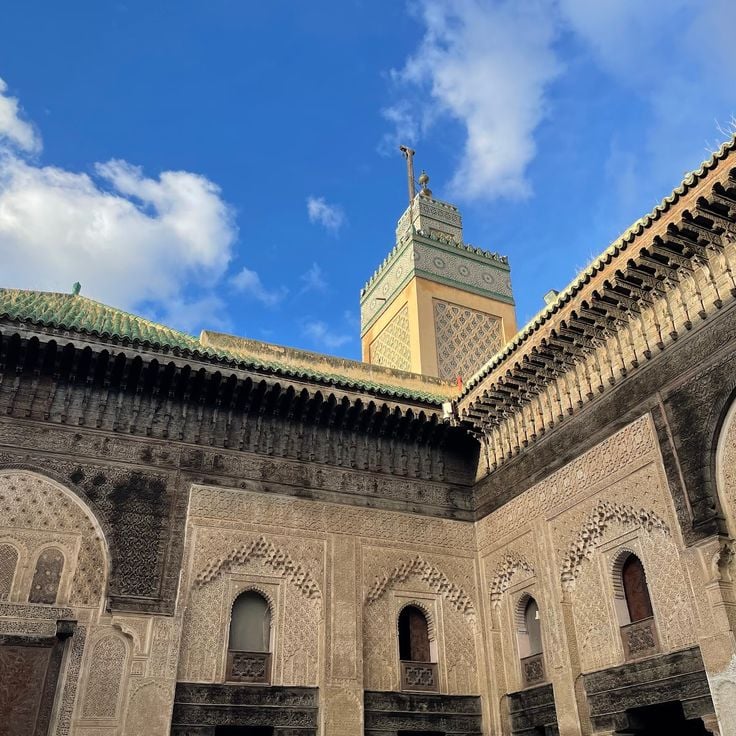
This Koranic school was built in the mid-14th century and served as a theological study center for centuries. The rooms display wood carvings, Arabic calligraphy and geometric ornaments on walls, doors and ceilings. A central courtyard with a fountain forms the core of the complex. Medersa Bou Inania stands among the important religious educational institutions in the medina of Fes and offers an impression of Morocco's centuries-old Islamic scholarship.
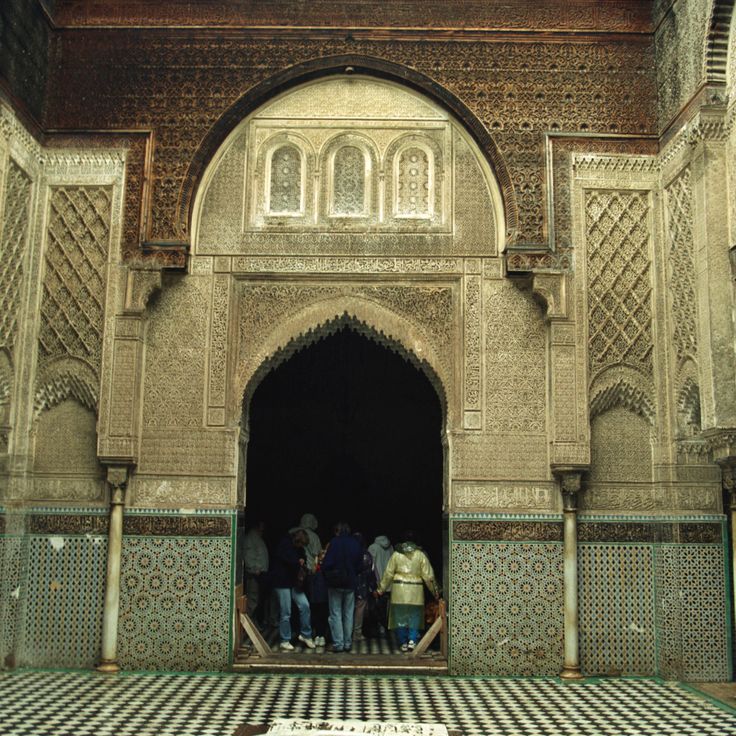
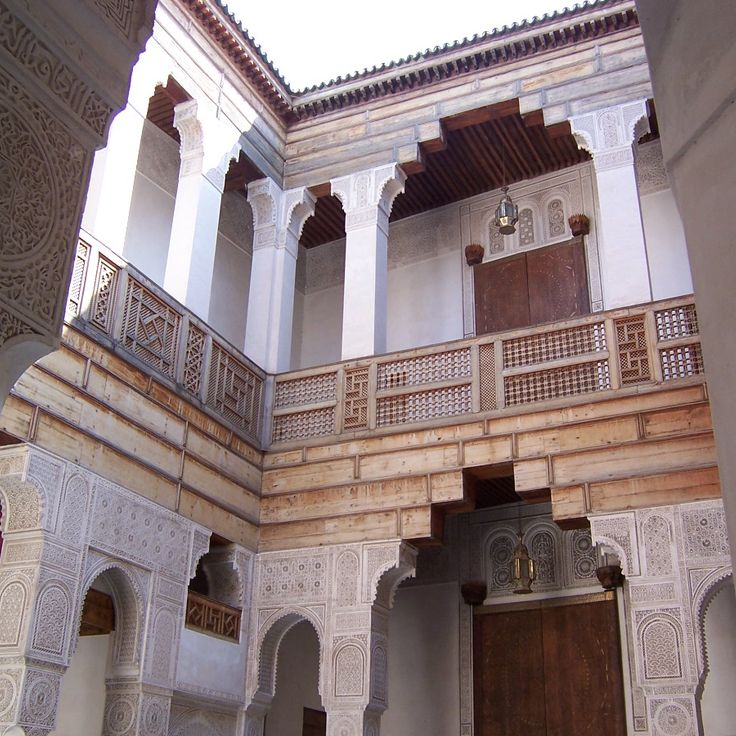
This religious school from 1325 shows work in cedar wood, stucco and mosaics. Craftsmen decorated the walls, arches and rooms with geometric patterns. The courtyard opens to the sky. Students studied theology and Arabic sciences here. The madrasa is among the notable examples of medieval architecture in Fes.
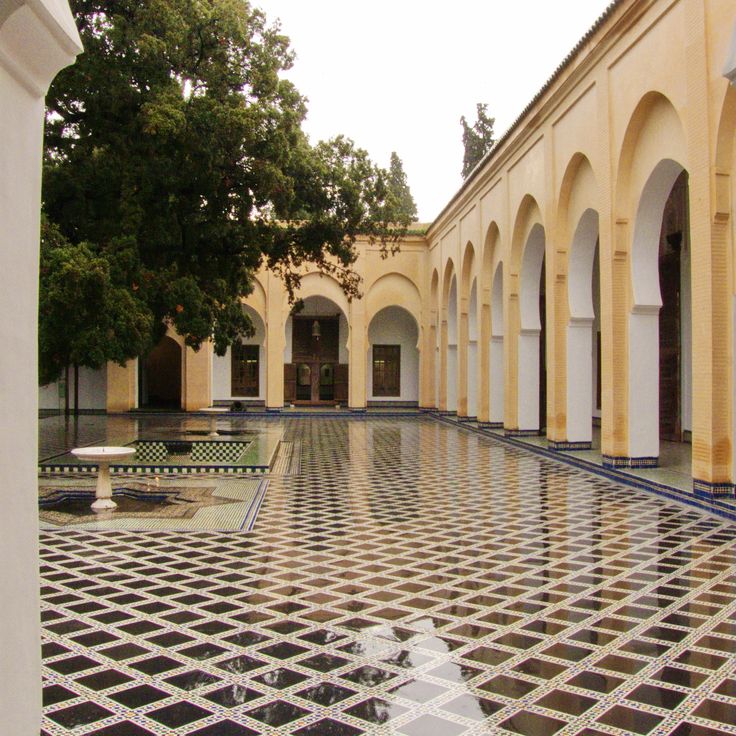
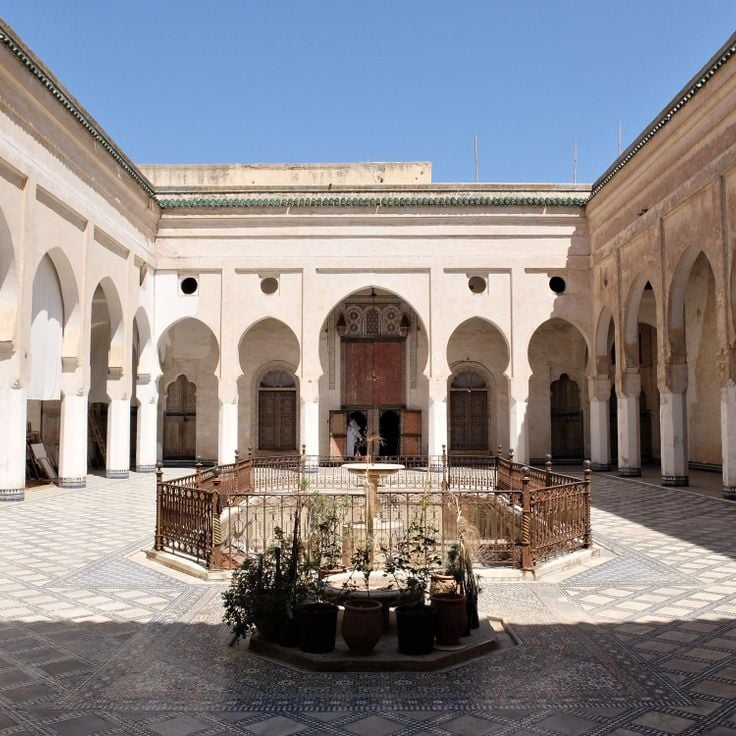
This museum displays Moroccan ceramics, textiles and traditional crafts in a 19th century palace. The collections offer insight into the artistic traditions of Fes and complement the historical tour of the medieval city with objects from different periods. The palace rooms themselves reflect the architecture of that era.
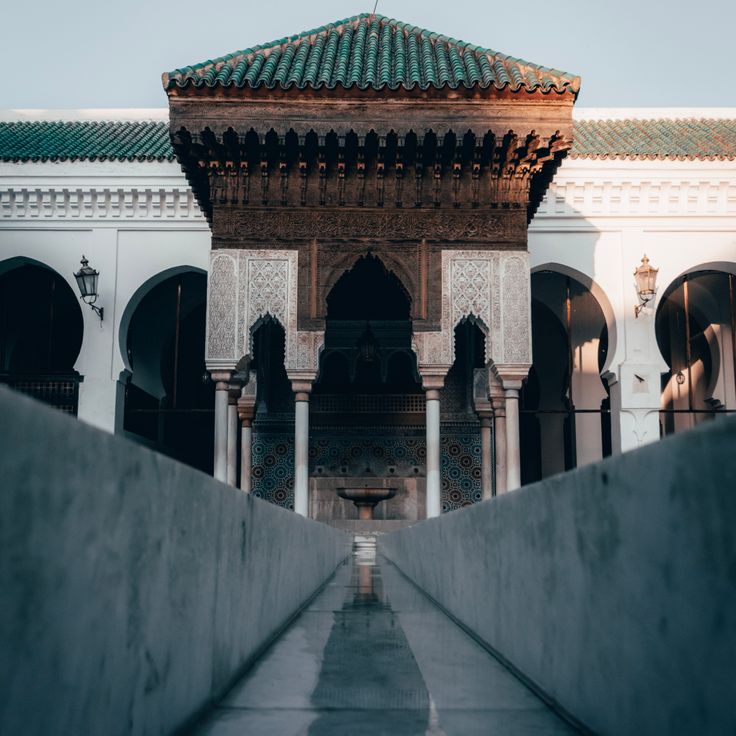
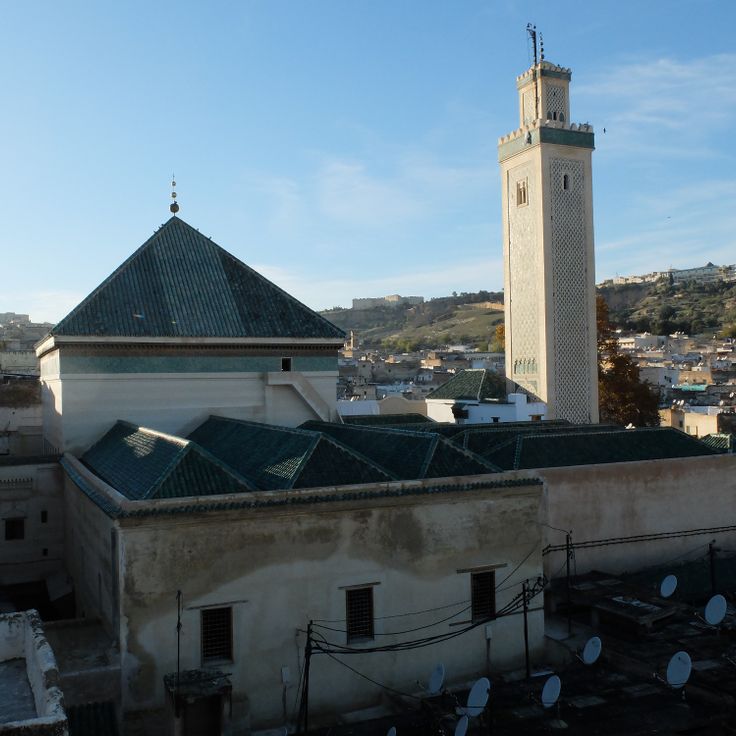
This mosque in Fes has stood since 859 and forms the center of one of the oldest educational institutions in the world. The complex includes a university and a prayer hall, both still in use today. Columned arcades surround the courtyard, and several gates connect the building to the surrounding old town alleys. The architecture shows typical elements of medieval Islamic construction, including ceramic tiles, carved wooden ceilings, and narrow windows. Non-Muslims are not permitted to enter, but the outer facades and entrance areas remain visible.
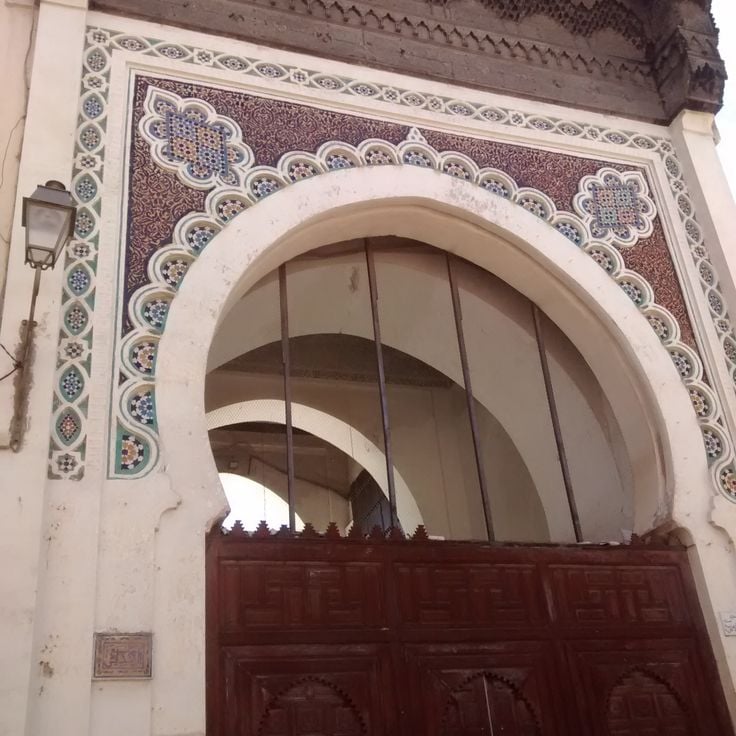
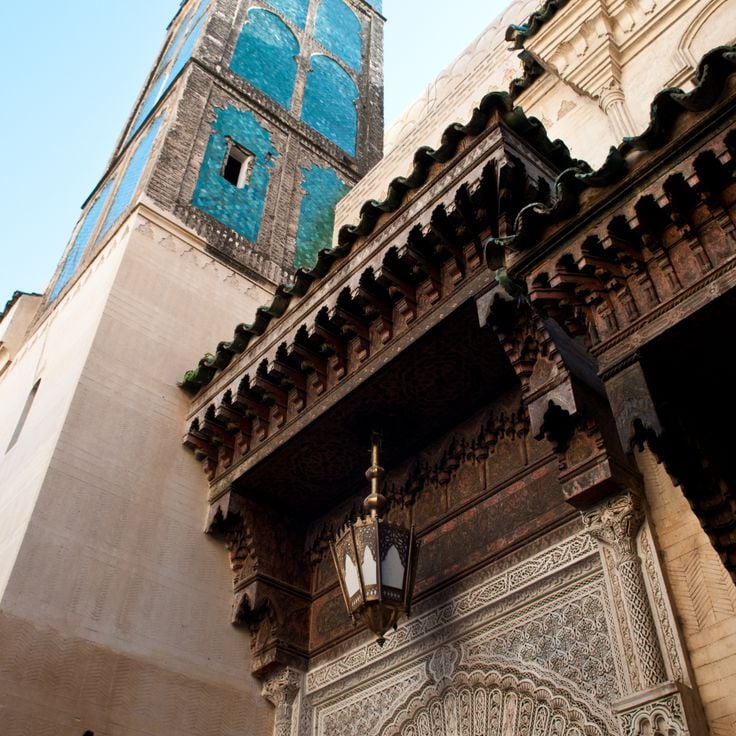
This mosque shows building styles that came from Spain. The walls carry geometric patterns and arabesque decorations. The structure belongs to the religious sites that shape medieval Fes. The forms and ornaments recall the time when Spanish and Moroccan craftsmen worked together.
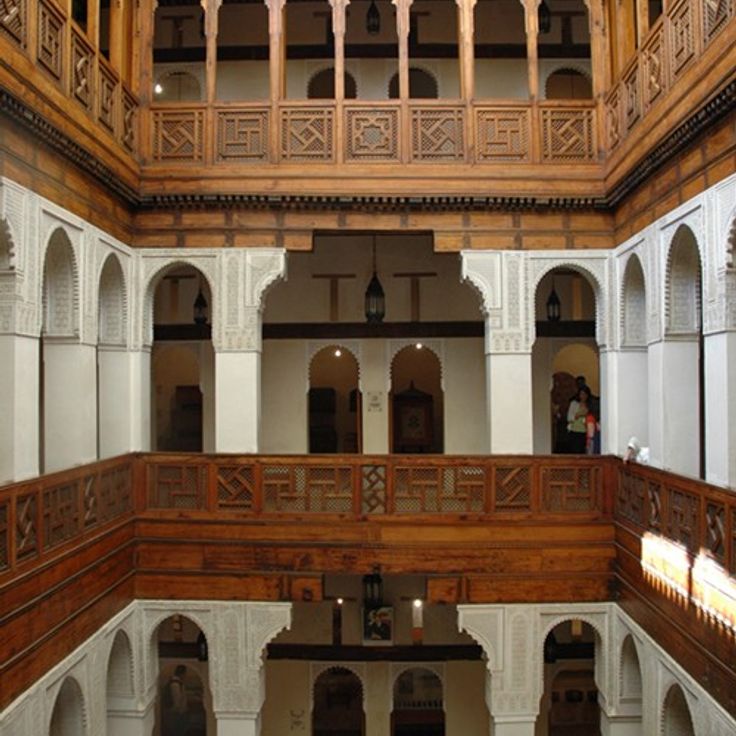
This museum occupies an 18th-century trading house. The collection presents wooden tools, furniture pieces, doors, and chests from different regions of Morocco. Exhibition rooms spread across several floors around a courtyard. You see carved objects, woodworking instruments, and household items from past centuries. The rooftop terrace opens views over the medina roofs.
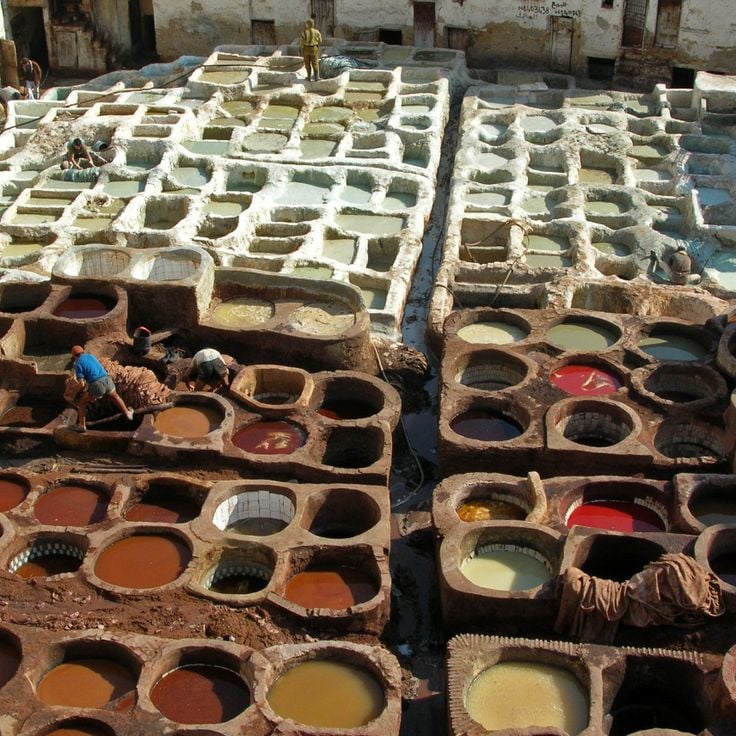
This tannery in Fes is part of the city's medieval history. It processes leather using lime and pigeon droppings, a method practiced since the 11th century. The Chouara Tannery shows how traditional craft techniques shaped the city's economy and continue to this day.
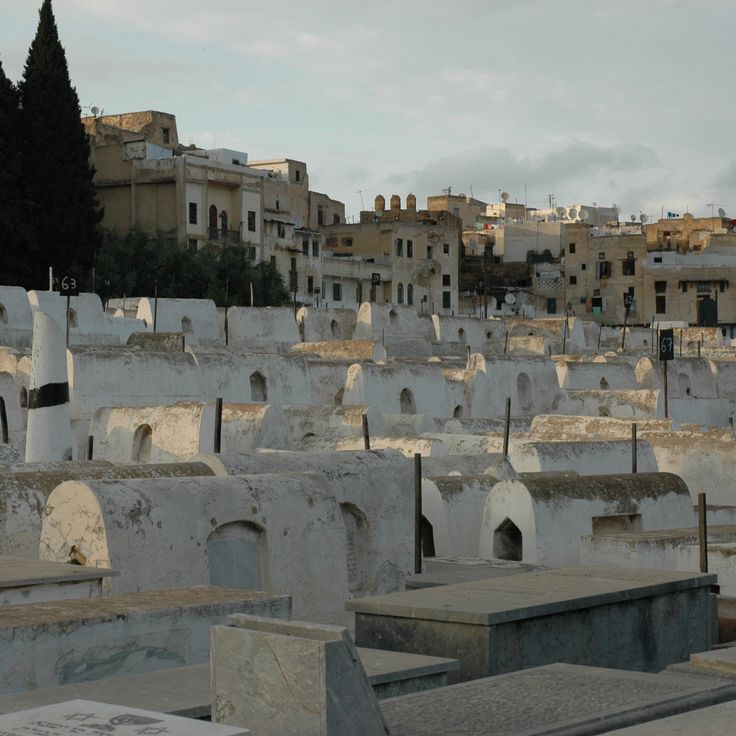
This 14th century Jewish quarter sits in Fes El Jadid and shows the history of the Sephardic community in Morocco. Narrow lanes lead to residential buildings with balconies, an old cemetery, and several synagogues. The market in the Mellah offers local goods and crafts. Stone walls surround the quarter and separate it from the rest of the old city. Visitors see traditional architecture and can learn more about the Jewish heritage of the city.
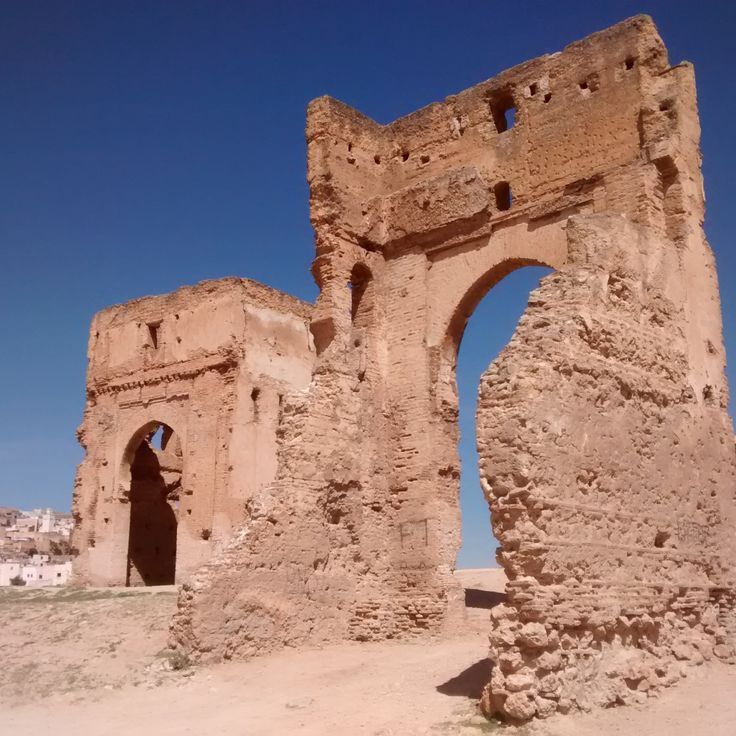
These tombs stand on a hill above the Medina and date back to the 14th century. They served as the final resting place for members of the Marinid dynasty. Today only the foundations and wall fragments of the original burial structures remain, but the site offers a wide view over the old city of Fes and the surrounding landscape. The location is known among visitors because you can see the entire cityscape and mosques from here.
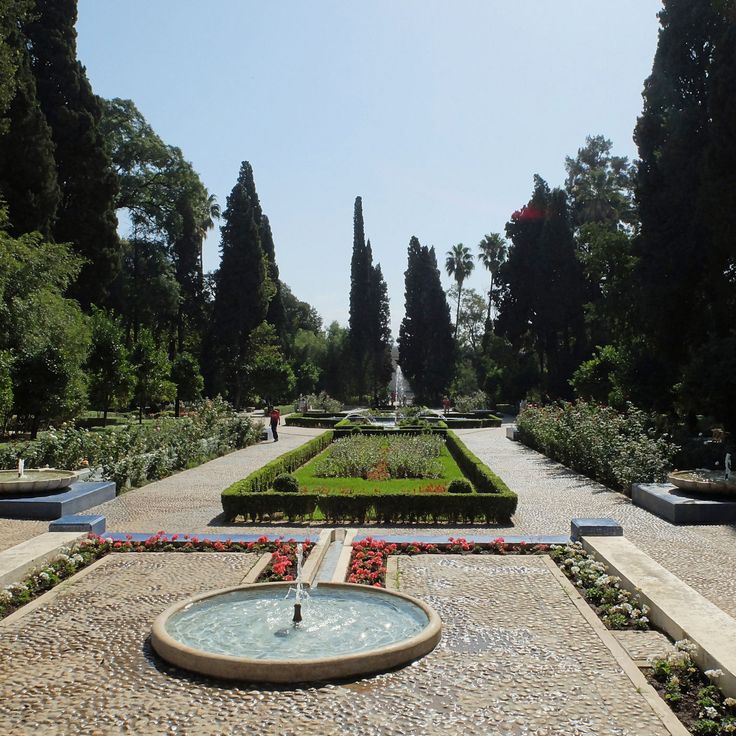
This 19th-century garden sits in central Fes and features water channels, palm trees, and Mediterranean plants in a traditional Moroccan layout. The Jnan Sbil connects the city's historical garden craft with an open green space where locals take walks and rest. As part of this historical tour of medieval Fes, this garden offers a leafy retreat from the dense buildings of the old town.
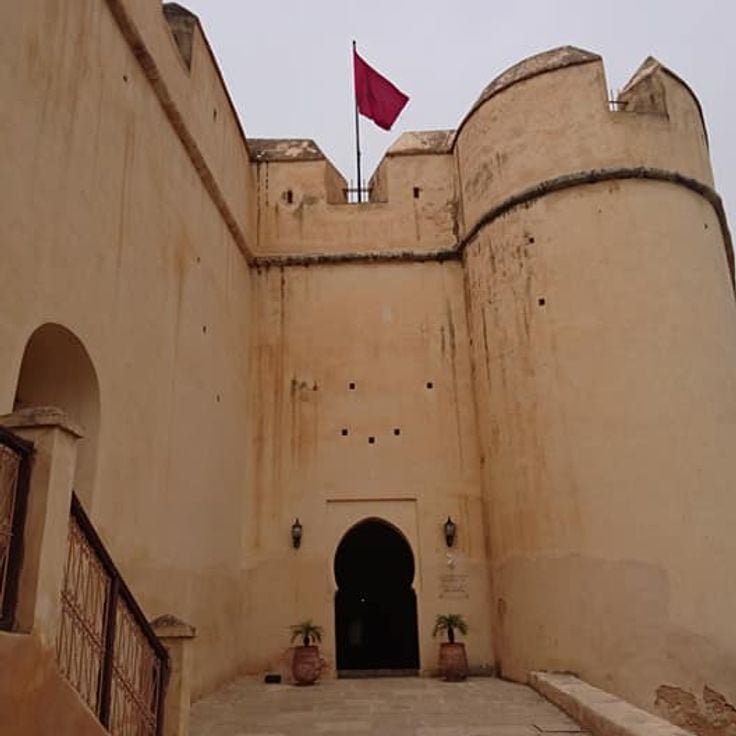
This fortress displays weapons and military equipment from different periods of Morocco. Borj Nord was built in the 16th century to defend Fes. Today the building houses cannons, swords, armor, and firearms that document the country's military development. From the walls, you can see across the medina and the surrounding hills.
This palace from the 19th century shows traditional Moroccan architecture with geometric zelliges and painted wooden ceilings. The building belongs to the old city and illustrates the craft quality of the period. The rooms combine religious and secular elements that were typical for the upper class of that time.
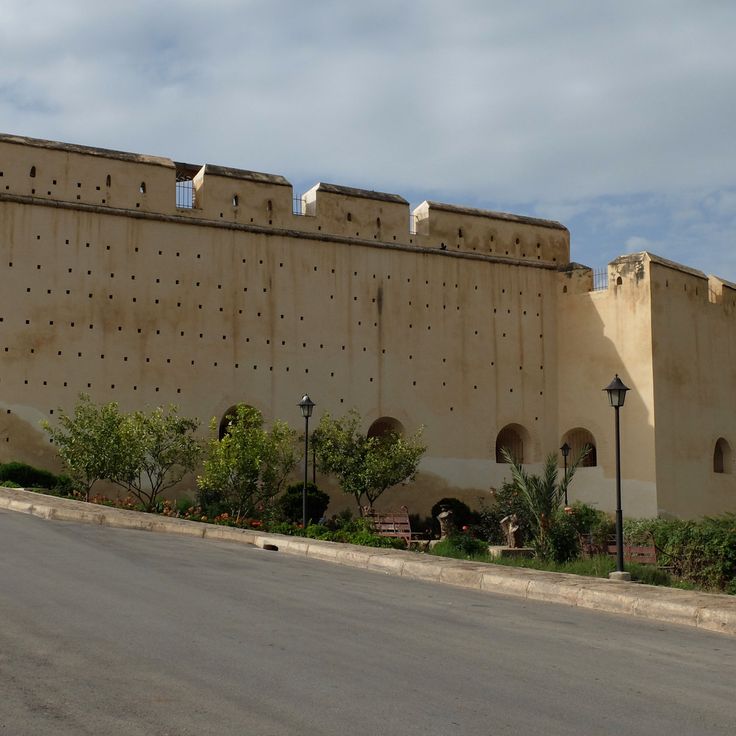
This fortress dates from the 16th century and sits on a hill south of the Medina, built under the Saadian dynasty for military control. Borj Sud now offers a view over the medieval city, its mosques and narrow streets. Inside, a weapons museum displays historical arms and military equipment from different periods of Morocco.
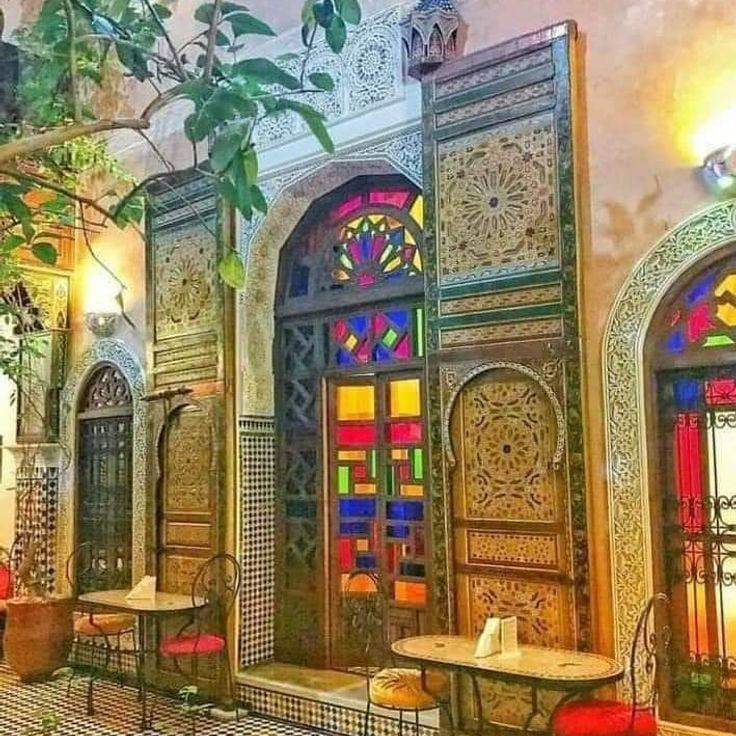
This palace shows the connection between Andalusian and Moroccan building traditions through its courtyards, gardens and traditional ceramic work. The rooms follow the design of old residences in Fes, with arches, carved wooden ceilings and tile patterns. The building belongs to the group of historical houses that shape the medieval cityscape and offer insight into the lives of wealthy families.
The Zawiya Moulay Idriss II is a religious site with its green roof holding the mausoleum of Fes's 9th-century founder. Believers come to pray and pay respects, while wood carvings and tiles decorate the interior spaces. This building ranks among the most important religious places in the medieval old town and stands as a key point in understanding how Fes developed through centuries of Moroccan history.
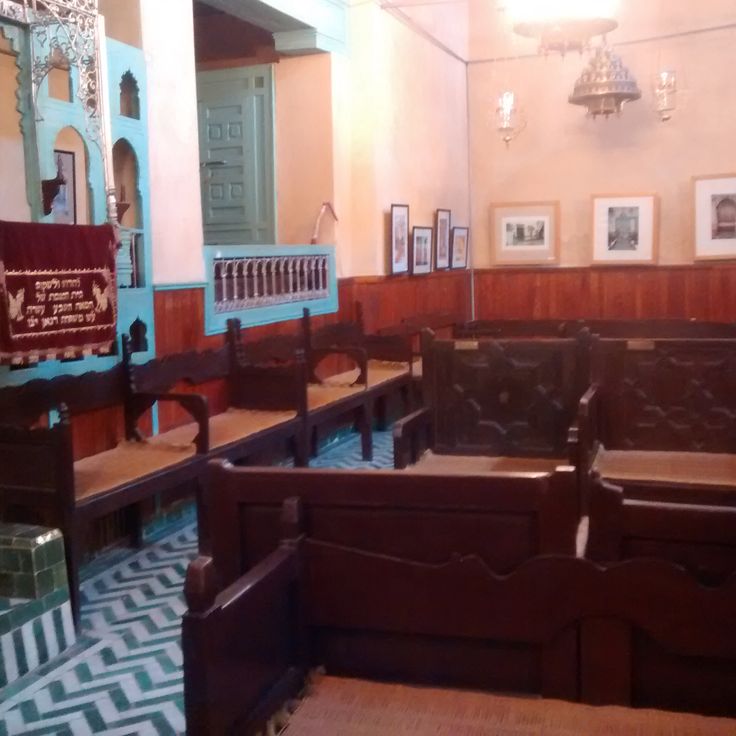
This synagogue was built in the 17th century and displays traditional Hebrew architectural forms. The prayer hall keeps its original shape with carved woodwork on beams and columns. The building tells the story of the Jewish community's life in Fes across several centuries. Benches and reading stands still show traces of old use. Small windows let soft light into the interior. The architecture combines Moroccan craftsmanship with the religious traditions of the community that prayed and taught here.
This 20th century building served as an administrative center and brings together Moroccan craftsmanship with French architectural elements. Geometric patterns and wood carvings decorate the facade and interior spaces. Dar Adiyel shows how architecture in Fes evolved during the colonial period, when local artisans experimented with European building methods. The structure fits into the medieval cityscape and adds to the historical tour of Fes with an example of the city's more recent past.
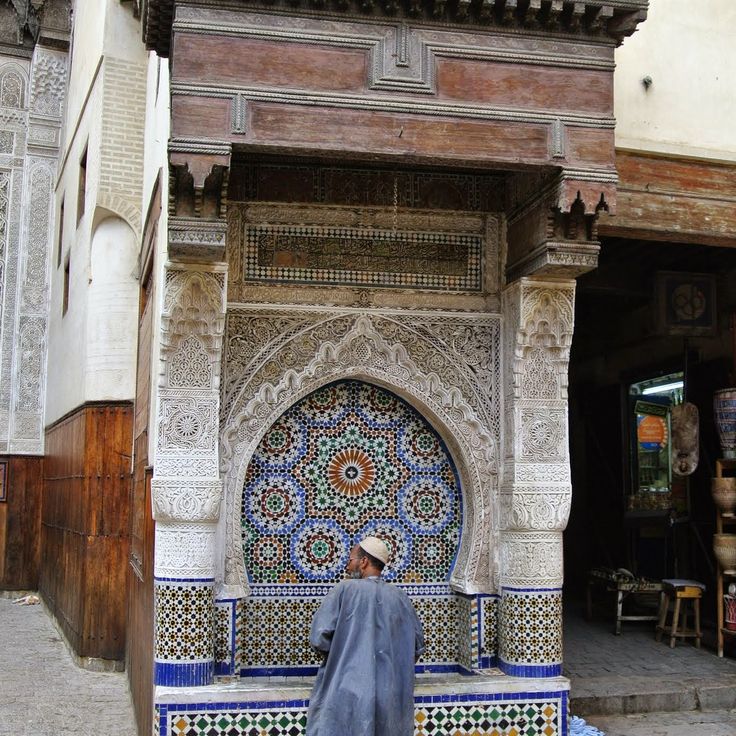
This mausoleum stands in medieval Fes and preserves the tradition of 19th-century religious architecture. The rooms are decorated with mosaics and calligraphic inscriptions typical of Moroccan craftsmanship. The building belongs to the religious sites that shape the historical cityscape of Fes El Bali and show the connection between spiritual life and artistic design.
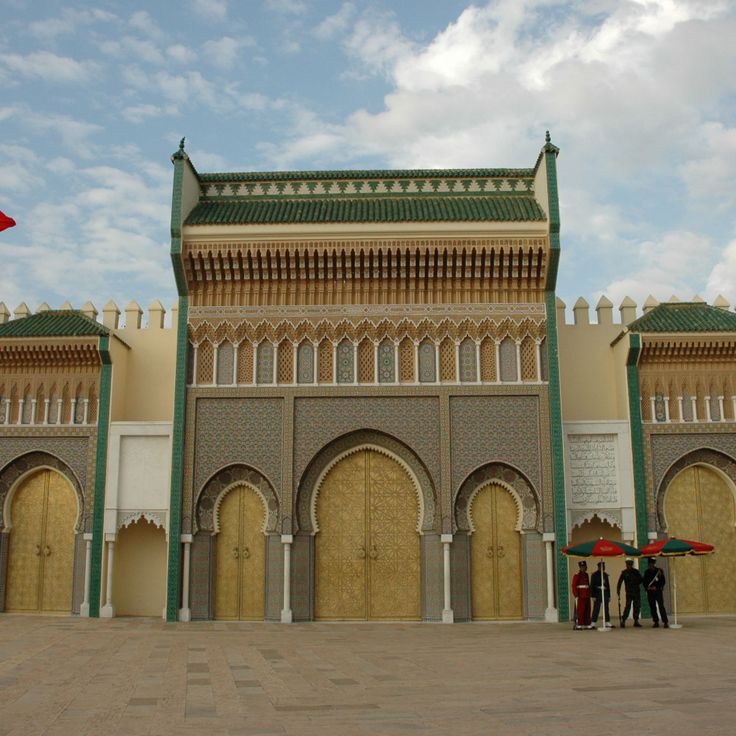
These gates lead to the Royal Palace and display Moroccan metalwork craftsmanship. The golden surfaces are decorated with gold leaf, and the geometric patterns date from the 20th century. The gates are an example of traditional metalworking techniques and decorative design passed down through generations in Fes. They are part of the palace complex and represent the royal architecture of the city.
This street runs through the medina as a main passage connecting different quarters and markets within this historical tour of Fes. Merchants operate shops offering traditional crafts, spices, and leather goods. Visitors walk between workshops, mosques, and stores, experiencing the everyday rhythm of the old town.
This gate from 1913 marks the entrance to the old city of Fes. The outer side displays blue mosaic tiles, while the inner side shows green ones. Arches frame the passage. The gate connects the modern town with the narrow streets of the medina. Vendors sell bread, spices, and crafts nearby. In the evenings, locals gather here to talk. From this spot, many paths lead to the craft markets, mosques, and historic buildings in the center.
This Koranic school was built in the mid-14th century and served as a theological study center for centuries. The rooms display wood carvings, Arabic calligraphy and geometric ornaments on walls, doors and ceilings. A central courtyard with a fountain forms the core of the complex. Medersa Bou Inania stands among the important religious educational institutions in the medina of Fes and offers an impression of Morocco's centuries-old Islamic scholarship.
This religious school from 1325 shows work in cedar wood, stucco and mosaics. Craftsmen decorated the walls, arches and rooms with geometric patterns. The courtyard opens to the sky. Students studied theology and Arabic sciences here. The madrasa is among the notable examples of medieval architecture in Fes.
This museum displays Moroccan ceramics, textiles and traditional crafts in a 19th century palace. The collections offer insight into the artistic traditions of Fes and complement the historical tour of the medieval city with objects from different periods. The palace rooms themselves reflect the architecture of that era.
This mosque in Fes has stood since 859 and forms the center of one of the oldest educational institutions in the world. The complex includes a university and a prayer hall, both still in use today. Columned arcades surround the courtyard, and several gates connect the building to the surrounding old town alleys. The architecture shows typical elements of medieval Islamic construction, including ceramic tiles, carved wooden ceilings, and narrow windows. Non-Muslims are not permitted to enter, but the outer facades and entrance areas remain visible.
This mosque shows building styles that came from Spain. The walls carry geometric patterns and arabesque decorations. The structure belongs to the religious sites that shape medieval Fes. The forms and ornaments recall the time when Spanish and Moroccan craftsmen worked together.
This museum occupies an 18th-century trading house. The collection presents wooden tools, furniture pieces, doors, and chests from different regions of Morocco. Exhibition rooms spread across several floors around a courtyard. You see carved objects, woodworking instruments, and household items from past centuries. The rooftop terrace opens views over the medina roofs.
This tannery in Fes is part of the city's medieval history. It processes leather using lime and pigeon droppings, a method practiced since the 11th century. The Chouara Tannery shows how traditional craft techniques shaped the city's economy and continue to this day.
This 14th century Jewish quarter sits in Fes El Jadid and shows the history of the Sephardic community in Morocco. Narrow lanes lead to residential buildings with balconies, an old cemetery, and several synagogues. The market in the Mellah offers local goods and crafts. Stone walls surround the quarter and separate it from the rest of the old city. Visitors see traditional architecture and can learn more about the Jewish heritage of the city.
These tombs stand on a hill above the Medina and date back to the 14th century. They served as the final resting place for members of the Marinid dynasty. Today only the foundations and wall fragments of the original burial structures remain, but the site offers a wide view over the old city of Fes and the surrounding landscape. The location is known among visitors because you can see the entire cityscape and mosques from here.
This 19th-century garden sits in central Fes and features water channels, palm trees, and Mediterranean plants in a traditional Moroccan layout. The Jnan Sbil connects the city's historical garden craft with an open green space where locals take walks and rest. As part of this historical tour of medieval Fes, this garden offers a leafy retreat from the dense buildings of the old town.
This fortress displays weapons and military equipment from different periods of Morocco. Borj Nord was built in the 16th century to defend Fes. Today the building houses cannons, swords, armor, and firearms that document the country's military development. From the walls, you can see across the medina and the surrounding hills.
This palace from the 19th century shows traditional Moroccan architecture with geometric zelliges and painted wooden ceilings. The building belongs to the old city and illustrates the craft quality of the period. The rooms combine religious and secular elements that were typical for the upper class of that time.
This fortress dates from the 16th century and sits on a hill south of the Medina, built under the Saadian dynasty for military control. Borj Sud now offers a view over the medieval city, its mosques and narrow streets. Inside, a weapons museum displays historical arms and military equipment from different periods of Morocco.
This palace shows the connection between Andalusian and Moroccan building traditions through its courtyards, gardens and traditional ceramic work. The rooms follow the design of old residences in Fes, with arches, carved wooden ceilings and tile patterns. The building belongs to the group of historical houses that shape the medieval cityscape and offer insight into the lives of wealthy families.
The Zawiya Moulay Idriss II is a religious site with its green roof holding the mausoleum of Fes's 9th-century founder. Believers come to pray and pay respects, while wood carvings and tiles decorate the interior spaces. This building ranks among the most important religious places in the medieval old town and stands as a key point in understanding how Fes developed through centuries of Moroccan history.
This synagogue was built in the 17th century and displays traditional Hebrew architectural forms. The prayer hall keeps its original shape with carved woodwork on beams and columns. The building tells the story of the Jewish community's life in Fes across several centuries. Benches and reading stands still show traces of old use. Small windows let soft light into the interior. The architecture combines Moroccan craftsmanship with the religious traditions of the community that prayed and taught here.
This 20th century building served as an administrative center and brings together Moroccan craftsmanship with French architectural elements. Geometric patterns and wood carvings decorate the facade and interior spaces. Dar Adiyel shows how architecture in Fes evolved during the colonial period, when local artisans experimented with European building methods. The structure fits into the medieval cityscape and adds to the historical tour of Fes with an example of the city's more recent past.
This mausoleum stands in medieval Fes and preserves the tradition of 19th-century religious architecture. The rooms are decorated with mosaics and calligraphic inscriptions typical of Moroccan craftsmanship. The building belongs to the religious sites that shape the historical cityscape of Fes El Bali and show the connection between spiritual life and artistic design.
These gates lead to the Royal Palace and display Moroccan metalwork craftsmanship. The golden surfaces are decorated with gold leaf, and the geometric patterns date from the 20th century. The gates are an example of traditional metalworking techniques and decorative design passed down through generations in Fes. They are part of the palace complex and represent the royal architecture of the city.
This street runs through the medina as a main passage connecting different quarters and markets within this historical tour of Fes. Merchants operate shops offering traditional crafts, spices, and leather goods. Visitors walk between workshops, mosques, and stores, experiencing the everyday rhythm of the old town.
This gate from 1913 marks the entrance to the old city of Fes. The outer side displays blue mosaic tiles, while the inner side shows green ones. Arches frame the passage. The gate connects the modern town with the narrow streets of the medina. Vendors sell bread, spices, and crafts nearby. In the evenings, locals gather here to talk. From this spot, many paths lead to the craft markets, mosques, and historic buildings in the center.
This Koranic school was built in the mid-14th century and served as a theological study center for centuries. The rooms display wood carvings, Arabic calligraphy and geometric ornaments on walls, doors and ceilings. A central courtyard with a fountain forms the core of the complex. Medersa Bou Inania stands among the important religious educational institutions in the medina of Fes and offers an impression of Morocco's centuries-old Islamic scholarship.
This religious school from 1325 shows work in cedar wood, stucco and mosaics. Craftsmen decorated the walls, arches and rooms with geometric patterns. The courtyard opens to the sky. Students studied theology and Arabic sciences here. The madrasa is among the notable examples of medieval architecture in Fes.
This museum displays Moroccan ceramics, textiles and traditional crafts in a 19th century palace. The collections offer insight into the artistic traditions of Fes and complement the historical tour of the medieval city with objects from different periods. The palace rooms themselves reflect the architecture of that era.
This mosque in Fes has stood since 859 and forms the center of one of the oldest educational institutions in the world. The complex includes a university and a prayer hall, both still in use today. Columned arcades surround the courtyard, and several gates connect the building to the surrounding old town alleys. The architecture shows typical elements of medieval Islamic construction, including ceramic tiles, carved wooden ceilings, and narrow windows. Non-Muslims are not permitted to enter, but the outer facades and entrance areas remain visible.
This mosque shows building styles that came from Spain. The walls carry geometric patterns and arabesque decorations. The structure belongs to the religious sites that shape medieval Fes. The forms and ornaments recall the time when Spanish and Moroccan craftsmen worked together.
This museum occupies an 18th-century trading house. The collection presents wooden tools, furniture pieces, doors, and chests from different regions of Morocco. Exhibition rooms spread across several floors around a courtyard. You see carved objects, woodworking instruments, and household items from past centuries. The rooftop terrace opens views over the medina roofs.
This tannery in Fes is part of the city's medieval history. It processes leather using lime and pigeon droppings, a method practiced since the 11th century. The Chouara Tannery shows how traditional craft techniques shaped the city's economy and continue to this day.
This 14th century Jewish quarter sits in Fes El Jadid and shows the history of the Sephardic community in Morocco. Narrow lanes lead to residential buildings with balconies, an old cemetery, and several synagogues. The market in the Mellah offers local goods and crafts. Stone walls surround the quarter and separate it from the rest of the old city. Visitors see traditional architecture and can learn more about the Jewish heritage of the city.
These tombs stand on a hill above the Medina and date back to the 14th century. They served as the final resting place for members of the Marinid dynasty. Today only the foundations and wall fragments of the original burial structures remain, but the site offers a wide view over the old city of Fes and the surrounding landscape. The location is known among visitors because you can see the entire cityscape and mosques from here.
This 19th-century garden sits in central Fes and features water channels, palm trees, and Mediterranean plants in a traditional Moroccan layout. The Jnan Sbil connects the city's historical garden craft with an open green space where locals take walks and rest. As part of this historical tour of medieval Fes, this garden offers a leafy retreat from the dense buildings of the old town.
This fortress displays weapons and military equipment from different periods of Morocco. Borj Nord was built in the 16th century to defend Fes. Today the building houses cannons, swords, armor, and firearms that document the country's military development. From the walls, you can see across the medina and the surrounding hills.
This palace from the 19th century shows traditional Moroccan architecture with geometric zelliges and painted wooden ceilings. The building belongs to the old city and illustrates the craft quality of the period. The rooms combine religious and secular elements that were typical for the upper class of that time.
This fortress dates from the 16th century and sits on a hill south of the Medina, built under the Saadian dynasty for military control. Borj Sud now offers a view over the medieval city, its mosques and narrow streets. Inside, a weapons museum displays historical arms and military equipment from different periods of Morocco.
This palace shows the connection between Andalusian and Moroccan building traditions through its courtyards, gardens and traditional ceramic work. The rooms follow the design of old residences in Fes, with arches, carved wooden ceilings and tile patterns. The building belongs to the group of historical houses that shape the medieval cityscape and offer insight into the lives of wealthy families.
The Zawiya Moulay Idriss II is a religious site with its green roof holding the mausoleum of Fes's 9th-century founder. Believers come to pray and pay respects, while wood carvings and tiles decorate the interior spaces. This building ranks among the most important religious places in the medieval old town and stands as a key point in understanding how Fes developed through centuries of Moroccan history.
This synagogue was built in the 17th century and displays traditional Hebrew architectural forms. The prayer hall keeps its original shape with carved woodwork on beams and columns. The building tells the story of the Jewish community's life in Fes across several centuries. Benches and reading stands still show traces of old use. Small windows let soft light into the interior. The architecture combines Moroccan craftsmanship with the religious traditions of the community that prayed and taught here.
This 20th century building served as an administrative center and brings together Moroccan craftsmanship with French architectural elements. Geometric patterns and wood carvings decorate the facade and interior spaces. Dar Adiyel shows how architecture in Fes evolved during the colonial period, when local artisans experimented with European building methods. The structure fits into the medieval cityscape and adds to the historical tour of Fes with an example of the city's more recent past.
This mausoleum stands in medieval Fes and preserves the tradition of 19th-century religious architecture. The rooms are decorated with mosaics and calligraphic inscriptions typical of Moroccan craftsmanship. The building belongs to the religious sites that shape the historical cityscape of Fes El Bali and show the connection between spiritual life and artistic design.
These gates lead to the Royal Palace and display Moroccan metalwork craftsmanship. The golden surfaces are decorated with gold leaf, and the geometric patterns date from the 20th century. The gates are an example of traditional metalworking techniques and decorative design passed down through generations in Fes. They are part of the palace complex and represent the royal architecture of the city.
This street runs through the medina as a main passage connecting different quarters and markets within this historical tour of Fes. Merchants operate shops offering traditional crafts, spices, and leather goods. Visitors walk between workshops, mosques, and stores, experiencing the everyday rhythm of the old town.