See the monuments around you in AROpen chests in the app
Around Us is built for your phone — point your camera at the streets and discover the monuments and places around you in augmented reality.Around Us is built for your phone — chests unlock when you walk, explore and capture nearby places.
Algiers brings together different periods of history and culture in one place. The city holds Ottoman buildings alongside modern art galleries, old religious structures next to contemporary museums. Visitors can walk through ancient palaces, step inside historic mosques, and see how artists today express themselves through their work.
The Casbah forms the heart of the old city, with narrow streets and traditional houses that feel like stepping back in time. Here stand the Ketchaoua Mosque and Hassan Pacha Palace, both speaking to centuries past. Scattered throughout the city are museums like the Bardo for prehistory and ethnography, and the Museum of Modern Art, each telling stories of how people lived and continue to live. The National Museum of Fine Arts holds works that connect past and present.
For quieter moments, the Hamma Garden offers a place to rest. Those interested in faith can visit the Great Mosque of Algiers or the Sidi Abderrahmane Thaalibi Mausoleum. The Ben Aknoun Zoo brings nature into the urban setting, while monuments like the Memorial du Martyr honor the city's more recent history. Together, these places show the different layers of Algiers.
Algiers brings together different periods of history and culture in one place. The city holds Ottoman buildings alongside modern art galleries, old religious structures next to contemporary museums. Visitors can walk through ancient palaces, step inside historic mosques, and see how artists today express themselves through their work.
The Casbah forms the heart of the old city, with narrow streets and traditional houses that feel like stepping back in time. Here stand the Ketchaoua Mosque and Hassan Pacha Palace, both speaking to centuries past. Scattered throughout the city are museums like the Bardo for prehistory and ethnography, and the Museum of Modern Art, each telling stories of how people lived and continue to live. The National Museum of Fine Arts holds works that connect past and present.
For quieter moments, the Hamma Garden offers a place to rest. Those interested in faith can visit the Great Mosque of Algiers or the Sidi Abderrahmane Thaalibi Mausoleum. The Ben Aknoun Zoo brings nature into the urban setting, while monuments like the Memorial du Martyr honor the city's more recent history. Together, these places show the different layers of Algiers.
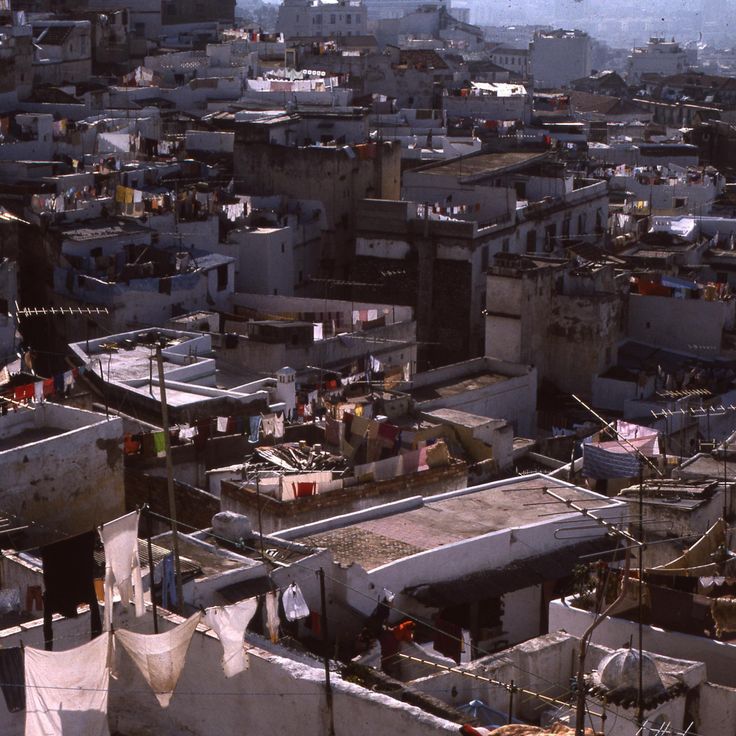
The Casbah of Algiers is a 17th-century district that forms part of the historical and cultural sites throughout the city. Its narrow winding streets and traditional markets showcase Ottoman architecture and daily life from different periods. The Casbah embodies the city's heritage alongside mosques, museums and monuments that tell the story of Algiers.
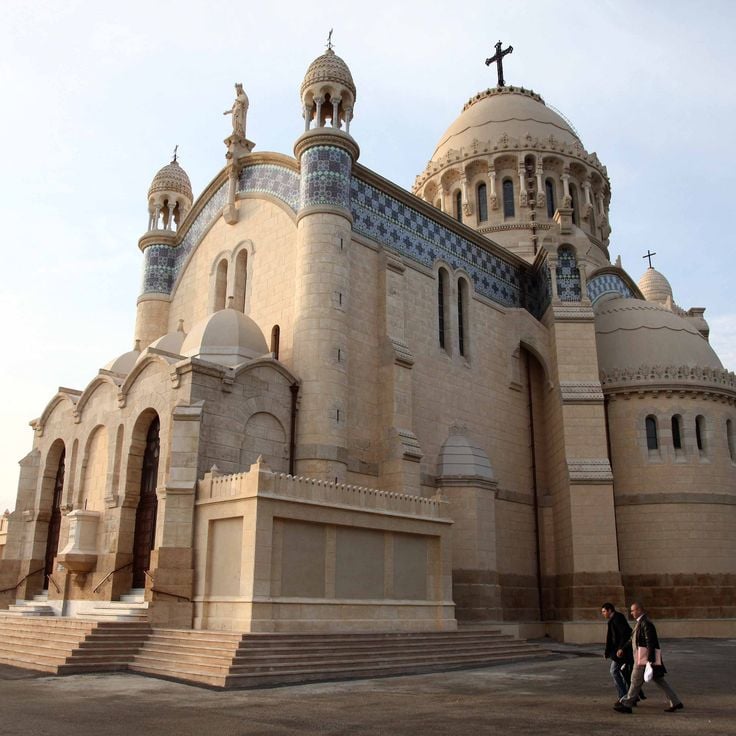
This 19th-century basilica sits on a hilltop in Bologhine and represents one of the religious buildings that define Algiers. It stands among the city's mosques, Ottoman palaces, and modern galleries, showing how different periods and faiths have shaped the urban landscape. From the basilica, visitors can see across the Mediterranean Sea.
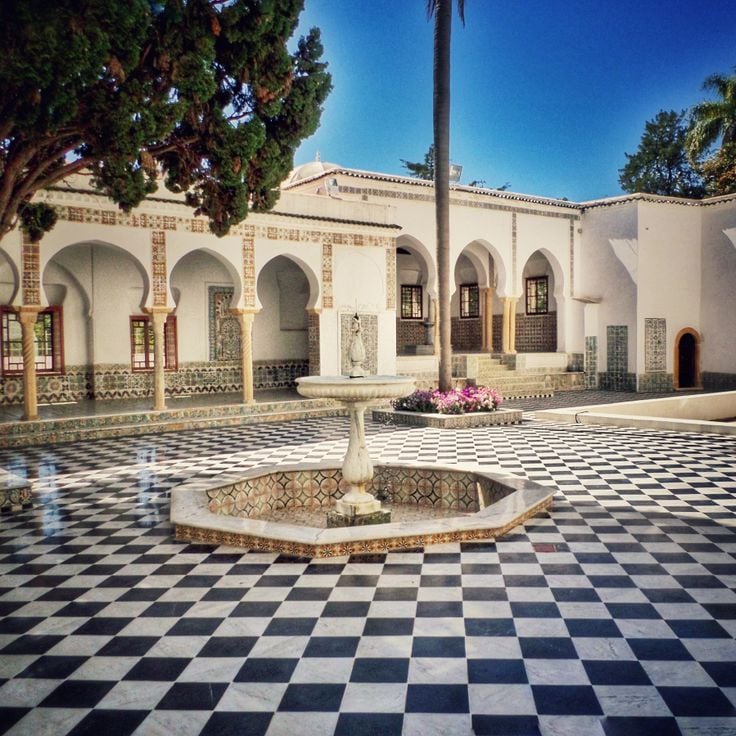
The Bardo National Museum of Prehistory and Ethnography on Tlemcen Street is a key site within this collection of historical and cultural destinations in Algiers. This museum holds North African art and artifacts spanning from the Stone Age to modern times. Visitors can explore the region's long history through objects and artworks that show how people lived across different periods.
The Ben Aknoun Zoo is a zoological garden in Algiers that features native and exotic animals. The zoo includes a bird house and a reptile collection. It complements the city's other historical and cultural sites, from mosques and museums to modern art galleries.
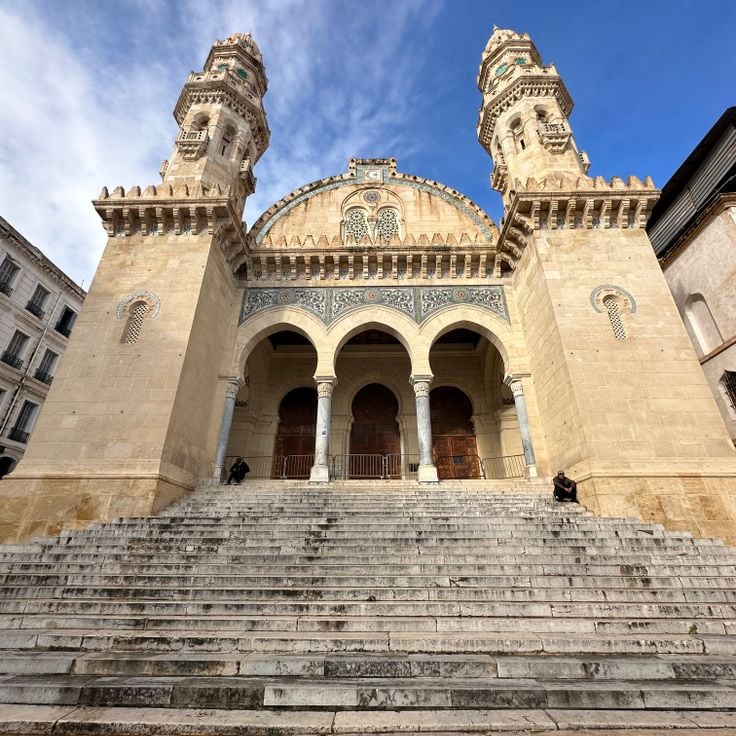
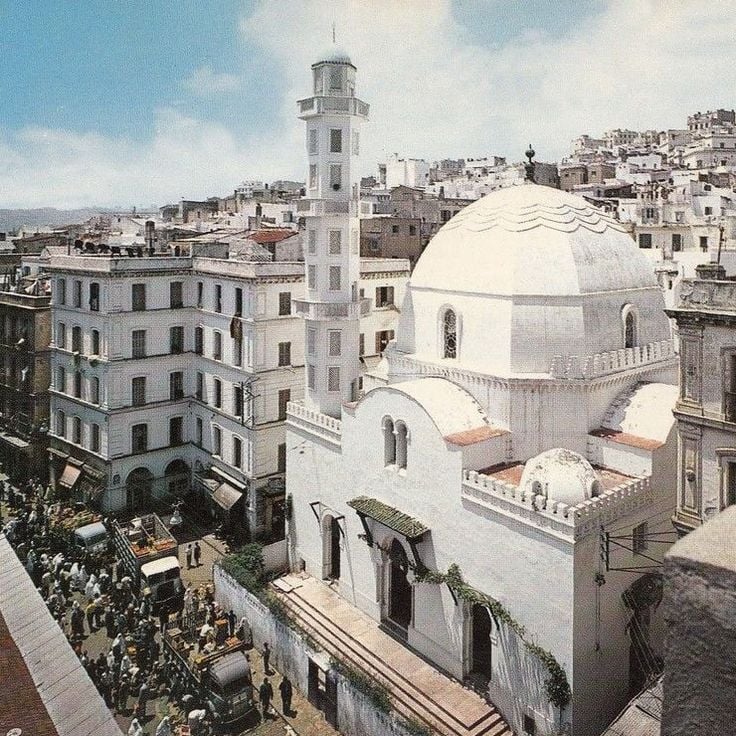
The Ketchaoua Mosque in the Casbah is part of Algiers' collection of historical and cultural sites. This Ottoman-era structure stands out for its white marble columns, horseshoe arches and geometric patterns adorning its walls and domes. It represents the religious and architectural heritage that sits alongside the city's Ottoman palaces, museums and modern galleries.
The Museum of Modern Art Algiers in the Casbah displays paintings, sculptures and installations by North African and international artists from the 20th and 21st centuries. It complements the historical and cultural sites found throughout the city, offering a window into contemporary creativity alongside Algiers' rich heritage.
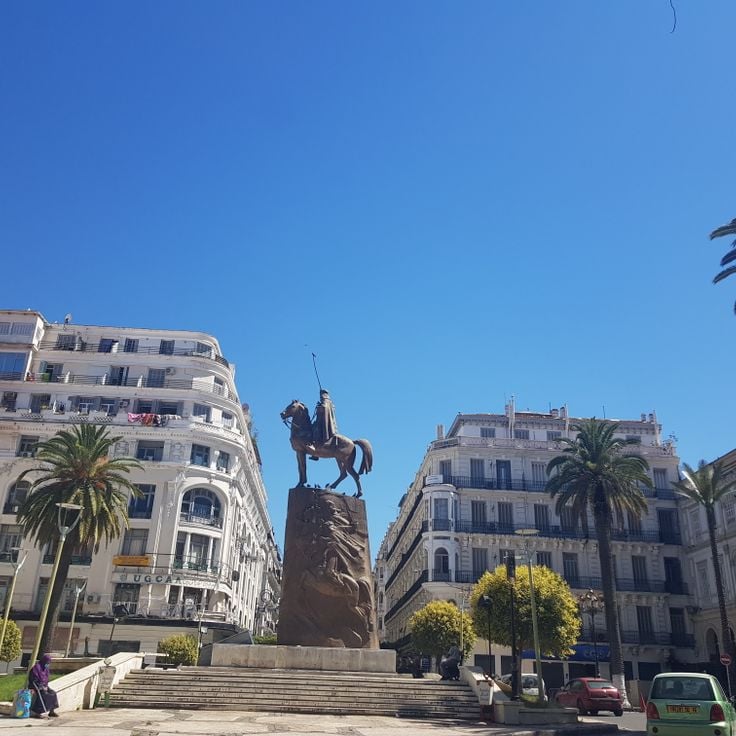
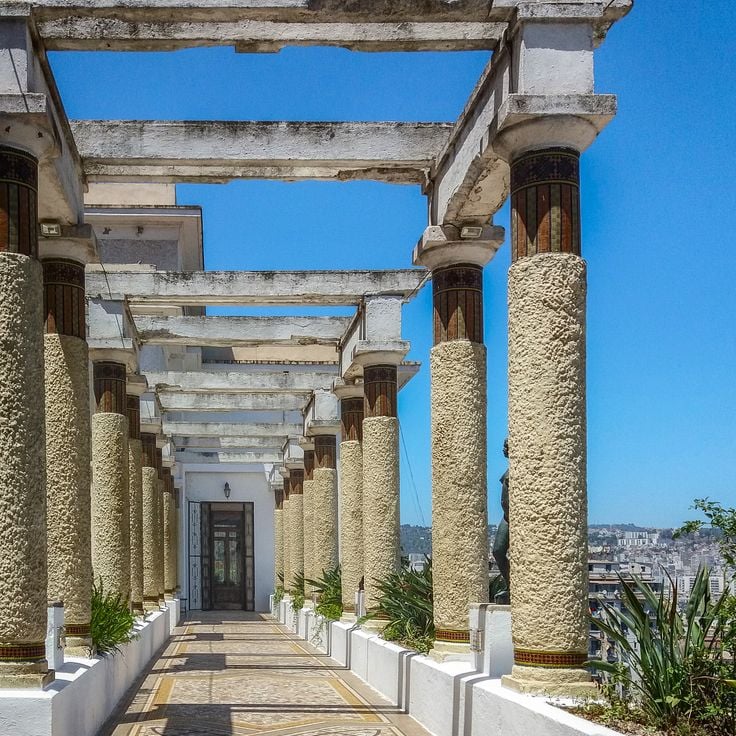
The Place of the Emir Abdelkader is a central square in Algiers that reflects the city's history and the importance of its cultural sites. A bronze statue of Emir Abdelkader stands at the heart of this space, surrounded by gardens and traditional Moorish architecture that defines the character of this collection of historical and cultural landmarks.
The National Museum of Fine Arts of Algiers displays artworks from different periods and regions. The collection includes European paintings, Islamic manuscripts and Oriental art pieces. This museum complements the historical and cultural sites found throughout the city, offering visitors insight into the artistic traditions that shaped Algiers.
The Great Mosque of Algiers is a 11th-century mosque that showcases Ottoman and Moorish architectural features, representing the city's religious heritage. This building demonstrates how religious structures in Algiers blend influences from different periods and cultures. The tall minaret stands as a landmark in the city and helps visitors understand the religious architecture that shaped Algiers' historical and cultural sites.
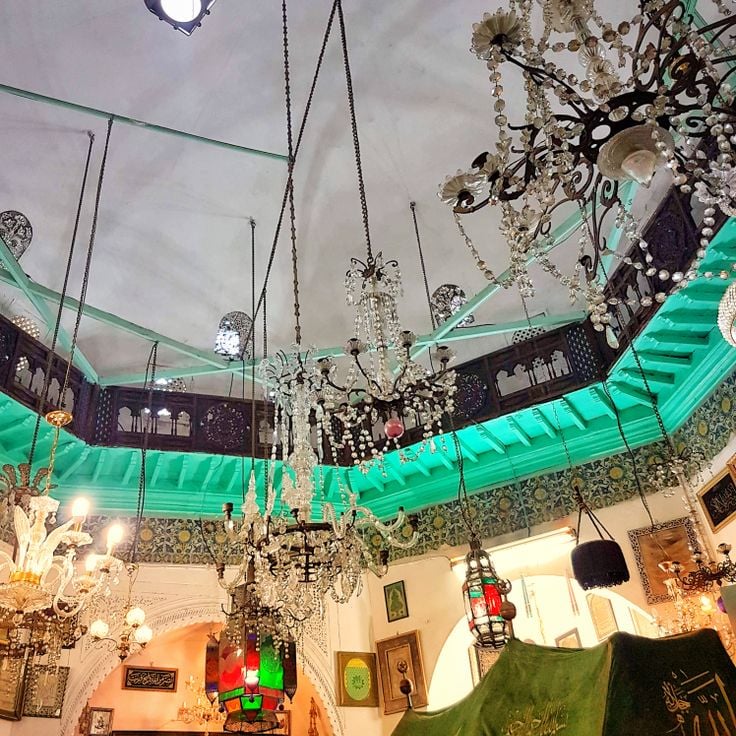
The Sidi Abderrahmane Thaalibi Mausoleum is a 15th-century tomb of an Islamic scholar that showcases traditional calligraphy and ceramic tiles. As part of Algiers' historical and cultural sites, this building exemplifies the religious architecture that shaped the city alongside Ottoman palaces, mosques, and museums.
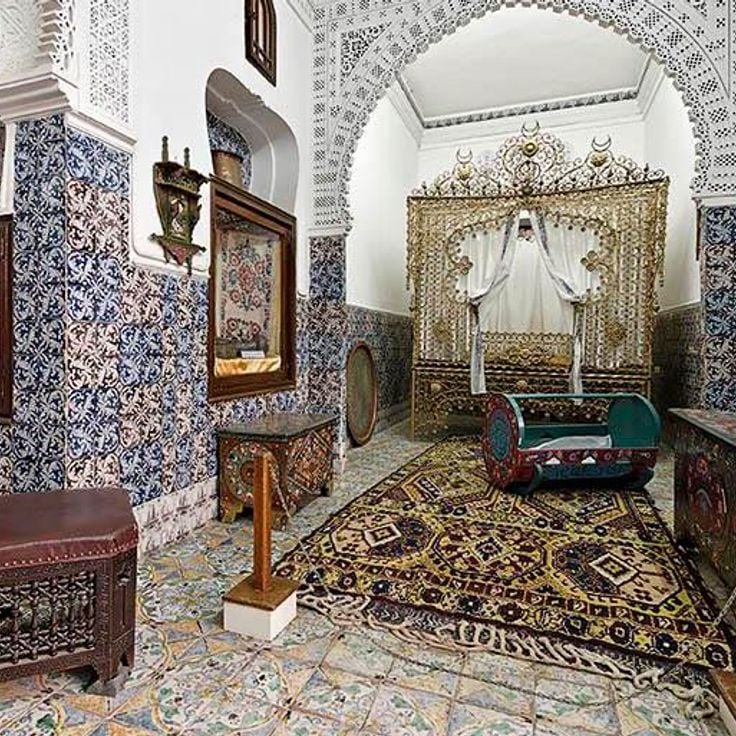
The Museum of Popular Arts and Traditions occupies a building from the 16th century that reflects Algiers' Ottoman heritage. Inside, this museum displays traditional costumes, jewelry, and handcrafted items that show how people in the region lived and worked. The collection helps visitors understand local customs and the skills passed down through generations.
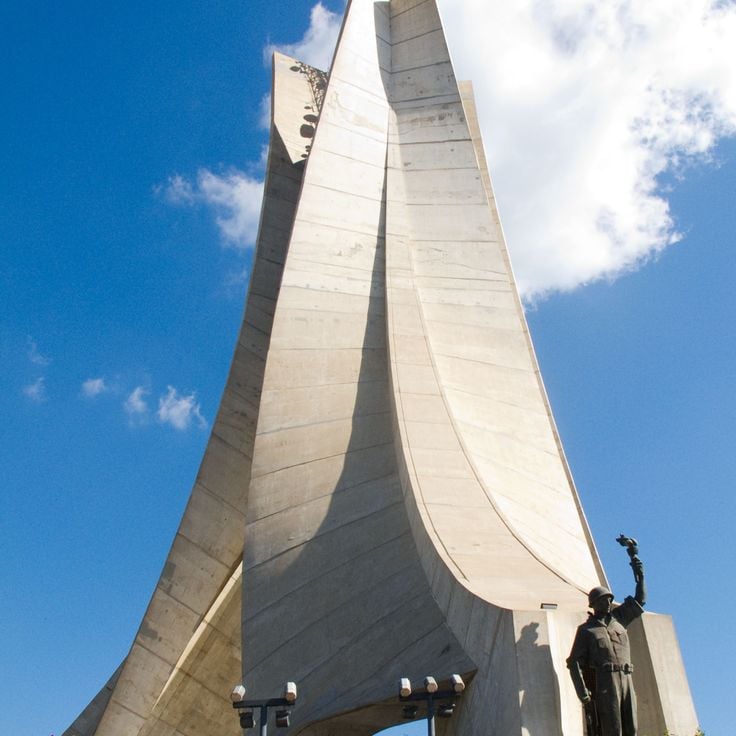
The Memorial du Martyr in El Madania is among the significant historical and cultural sites in Algiers. This 92-meter monument was completed in 1982 and features three palm leaves that commemorate the independence war. It stands as a tribute to those who fought for the nation's freedom.
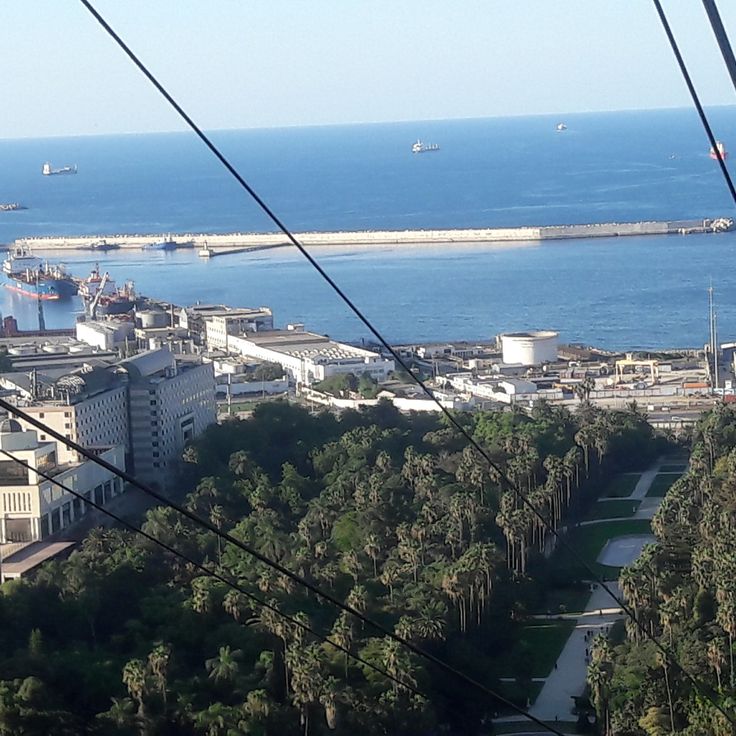
Hamma Garden in Algiers is a botanical space that complements the city's historical and cultural sites. This 58-hectare garden holds over 2500 plant species including palms, bamboo and Mediterranean vegetation. It stands alongside Ottoman palaces, religious buildings and modern art galleries that shape the character of Algiers.
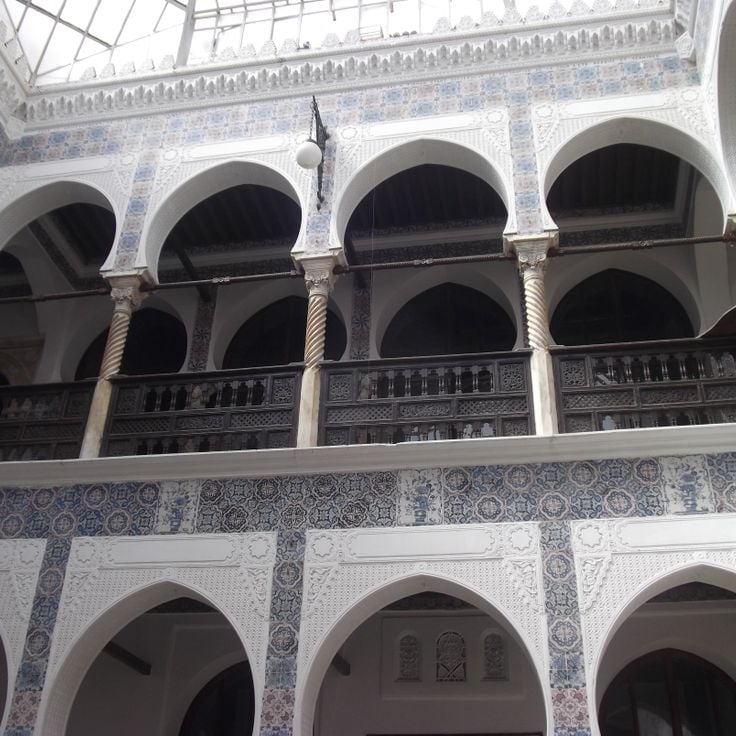
Hassan Pacha Palace is an 18th-century Ottoman palace in Algiers that displays typical features of Ottoman architecture. This building fits within the collection of historical and cultural sites in the city, which combines Ottoman palaces, religious buildings and modern art galleries. The palace features courtyards, marble columns and geometric mosaic tiles.
The Casbah of Algiers is a 17th-century district that forms part of the historical and cultural sites throughout the city. Its narrow winding streets and traditional markets showcase Ottoman architecture and daily life from different periods. The Casbah embodies the city's heritage alongside mosques, museums and monuments that tell the story of Algiers.
This 19th-century basilica sits on a hilltop in Bologhine and represents one of the religious buildings that define Algiers. It stands among the city's mosques, Ottoman palaces, and modern galleries, showing how different periods and faiths have shaped the urban landscape. From the basilica, visitors can see across the Mediterranean Sea.
The Bardo National Museum of Prehistory and Ethnography on Tlemcen Street is a key site within this collection of historical and cultural destinations in Algiers. This museum holds North African art and artifacts spanning from the Stone Age to modern times. Visitors can explore the region's long history through objects and artworks that show how people lived across different periods.
The Ben Aknoun Zoo is a zoological garden in Algiers that features native and exotic animals. The zoo includes a bird house and a reptile collection. It complements the city's other historical and cultural sites, from mosques and museums to modern art galleries.
The Ketchaoua Mosque in the Casbah is part of Algiers' collection of historical and cultural sites. This Ottoman-era structure stands out for its white marble columns, horseshoe arches and geometric patterns adorning its walls and domes. It represents the religious and architectural heritage that sits alongside the city's Ottoman palaces, museums and modern galleries.
The Museum of Modern Art Algiers in the Casbah displays paintings, sculptures and installations by North African and international artists from the 20th and 21st centuries. It complements the historical and cultural sites found throughout the city, offering a window into contemporary creativity alongside Algiers' rich heritage.
The Place of the Emir Abdelkader is a central square in Algiers that reflects the city's history and the importance of its cultural sites. A bronze statue of Emir Abdelkader stands at the heart of this space, surrounded by gardens and traditional Moorish architecture that defines the character of this collection of historical and cultural landmarks.
The National Museum of Fine Arts of Algiers displays artworks from different periods and regions. The collection includes European paintings, Islamic manuscripts and Oriental art pieces. This museum complements the historical and cultural sites found throughout the city, offering visitors insight into the artistic traditions that shaped Algiers.
The Great Mosque of Algiers is a 11th-century mosque that showcases Ottoman and Moorish architectural features, representing the city's religious heritage. This building demonstrates how religious structures in Algiers blend influences from different periods and cultures. The tall minaret stands as a landmark in the city and helps visitors understand the religious architecture that shaped Algiers' historical and cultural sites.
The Sidi Abderrahmane Thaalibi Mausoleum is a 15th-century tomb of an Islamic scholar that showcases traditional calligraphy and ceramic tiles. As part of Algiers' historical and cultural sites, this building exemplifies the religious architecture that shaped the city alongside Ottoman palaces, mosques, and museums.
The Museum of Popular Arts and Traditions occupies a building from the 16th century that reflects Algiers' Ottoman heritage. Inside, this museum displays traditional costumes, jewelry, and handcrafted items that show how people in the region lived and worked. The collection helps visitors understand local customs and the skills passed down through generations.
The Memorial du Martyr in El Madania is among the significant historical and cultural sites in Algiers. This 92-meter monument was completed in 1982 and features three palm leaves that commemorate the independence war. It stands as a tribute to those who fought for the nation's freedom.
Hamma Garden in Algiers is a botanical space that complements the city's historical and cultural sites. This 58-hectare garden holds over 2500 plant species including palms, bamboo and Mediterranean vegetation. It stands alongside Ottoman palaces, religious buildings and modern art galleries that shape the character of Algiers.
Hassan Pacha Palace is an 18th-century Ottoman palace in Algiers that displays typical features of Ottoman architecture. This building fits within the collection of historical and cultural sites in the city, which combines Ottoman palaces, religious buildings and modern art galleries. The palace features courtyards, marble columns and geometric mosaic tiles.
The Casbah of Algiers is a 17th-century district that forms part of the historical and cultural sites throughout the city. Its narrow winding streets and traditional markets showcase Ottoman architecture and daily life from different periods. The Casbah embodies the city's heritage alongside mosques, museums and monuments that tell the story of Algiers.
This 19th-century basilica sits on a hilltop in Bologhine and represents one of the religious buildings that define Algiers. It stands among the city's mosques, Ottoman palaces, and modern galleries, showing how different periods and faiths have shaped the urban landscape. From the basilica, visitors can see across the Mediterranean Sea.
The Bardo National Museum of Prehistory and Ethnography on Tlemcen Street is a key site within this collection of historical and cultural destinations in Algiers. This museum holds North African art and artifacts spanning from the Stone Age to modern times. Visitors can explore the region's long history through objects and artworks that show how people lived across different periods.
The Ben Aknoun Zoo is a zoological garden in Algiers that features native and exotic animals. The zoo includes a bird house and a reptile collection. It complements the city's other historical and cultural sites, from mosques and museums to modern art galleries.
The Ketchaoua Mosque in the Casbah is part of Algiers' collection of historical and cultural sites. This Ottoman-era structure stands out for its white marble columns, horseshoe arches and geometric patterns adorning its walls and domes. It represents the religious and architectural heritage that sits alongside the city's Ottoman palaces, museums and modern galleries.
The Museum of Modern Art Algiers in the Casbah displays paintings, sculptures and installations by North African and international artists from the 20th and 21st centuries. It complements the historical and cultural sites found throughout the city, offering a window into contemporary creativity alongside Algiers' rich heritage.
The Place of the Emir Abdelkader is a central square in Algiers that reflects the city's history and the importance of its cultural sites. A bronze statue of Emir Abdelkader stands at the heart of this space, surrounded by gardens and traditional Moorish architecture that defines the character of this collection of historical and cultural landmarks.
The National Museum of Fine Arts of Algiers displays artworks from different periods and regions. The collection includes European paintings, Islamic manuscripts and Oriental art pieces. This museum complements the historical and cultural sites found throughout the city, offering visitors insight into the artistic traditions that shaped Algiers.
The Great Mosque of Algiers is a 11th-century mosque that showcases Ottoman and Moorish architectural features, representing the city's religious heritage. This building demonstrates how religious structures in Algiers blend influences from different periods and cultures. The tall minaret stands as a landmark in the city and helps visitors understand the religious architecture that shaped Algiers' historical and cultural sites.
The Sidi Abderrahmane Thaalibi Mausoleum is a 15th-century tomb of an Islamic scholar that showcases traditional calligraphy and ceramic tiles. As part of Algiers' historical and cultural sites, this building exemplifies the religious architecture that shaped the city alongside Ottoman palaces, mosques, and museums.
The Museum of Popular Arts and Traditions occupies a building from the 16th century that reflects Algiers' Ottoman heritage. Inside, this museum displays traditional costumes, jewelry, and handcrafted items that show how people in the region lived and worked. The collection helps visitors understand local customs and the skills passed down through generations.
The Memorial du Martyr in El Madania is among the significant historical and cultural sites in Algiers. This 92-meter monument was completed in 1982 and features three palm leaves that commemorate the independence war. It stands as a tribute to those who fought for the nation's freedom.
Hamma Garden in Algiers is a botanical space that complements the city's historical and cultural sites. This 58-hectare garden holds over 2500 plant species including palms, bamboo and Mediterranean vegetation. It stands alongside Ottoman palaces, religious buildings and modern art galleries that shape the character of Algiers.
Hassan Pacha Palace is an 18th-century Ottoman palace in Algiers that displays typical features of Ottoman architecture. This building fits within the collection of historical and cultural sites in the city, which combines Ottoman palaces, religious buildings and modern art galleries. The palace features courtyards, marble columns and geometric mosaic tiles.