See the monuments around you in AROpen chests in the app
Around Us is built for your phone — point your camera at the streets and discover the monuments and places around you in augmented reality.Around Us is built for your phone — chests unlock when you walk, explore and capture nearby places.
Algeria brings together Roman ruins, Islamic architecture and natural areas into one collection that shows the depth of the region's history and landscape. From the Mediterranean coast to the Sahara, the country offers visitors a wide range of places to explore. The north holds ancient Roman cities like Tipasa and Djémila, where temples, theaters and homes still stand as reminders of life during the Roman Empire. The Kasbah of Algiers reflects Ottoman design, while mosques in smaller towns show how Islamic traditions shaped settlements and daily life. The south opens up to vast deserts and mountain ranges where rock art at Tassili n'Ajjer reveals how people lived thousands of years ago.
Algeria brings together Roman ruins, Islamic architecture and natural areas into one collection that shows the depth of the region's history and landscape. From the Mediterranean coast to the Sahara, the country offers visitors a wide range of places to explore. The north holds ancient Roman cities like Tipasa and Djémila, where temples, theaters and homes still stand as reminders of life during the Roman Empire. The Kasbah of Algiers reflects Ottoman design, while mosques in smaller towns show how Islamic traditions shaped settlements and daily life. The south opens up to vast deserts and mountain ranges where rock art at Tassili n'Ajjer reveals how people lived thousands of years ago.
Tassili n'Ajjer is a sandstone plateau that forms part of the collection of archaeological sites and natural areas in Algeria. The rock surfaces hold over 15000 petroglyphs and cave paintings created between 6000 and 100 BCE. These artworks reveal how people lived in this region and what they valued. The plateau blends ancient human creativity with the desert landscape, offering visitors a direct connection to prehistoric times.
Tipasa is an archaeological site on Algeria's Mediterranean coast that brings together remains from different periods. Here you can find Phoenician, Roman, early Christian, and Byzantine buildings standing side by side. The ruins show how various cultures lived and built in this location. Tipasa fits well within the collection of archaeological sites and natural areas of Algeria, as it represents an important example of the region's rich history.
El Kala National Park is part of Algeria's collection of archaeological sites and natural areas. The park brings together lakes, wetlands, coral reefs and sand beaches that showcase Mediterranean and North African nature. Visitors discover a mix of water and land with local plants and animals.
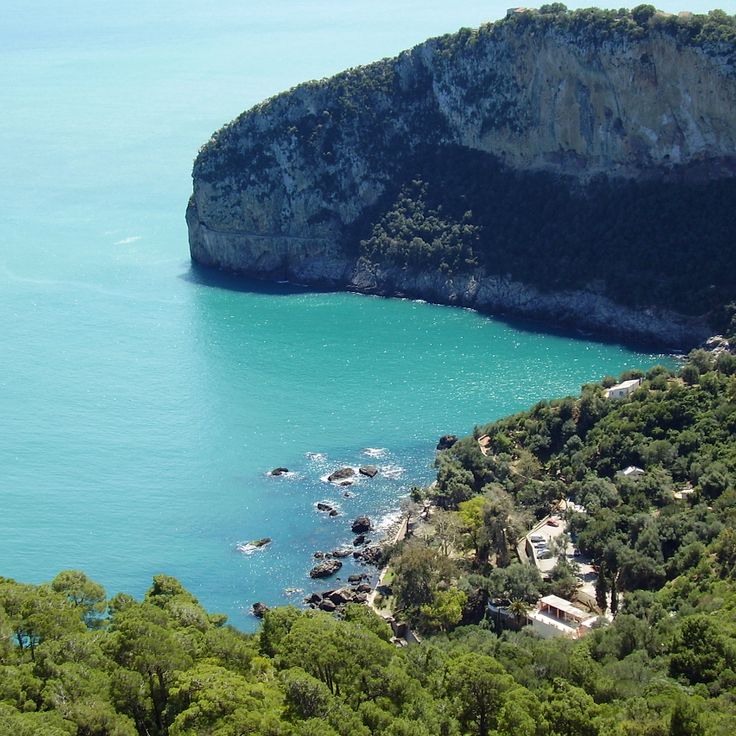
Gouraya National Park sits on the coast and combines Mediterranean forests, cliffs and marine ecosystems. The park is home to plant and animal species found only in this area. It fits into Algeria's varied landscapes, which range from Roman ruins and Islamic architecture to natural areas. The park shows what Mediterranean coastal landscapes look like and what life thrives there.
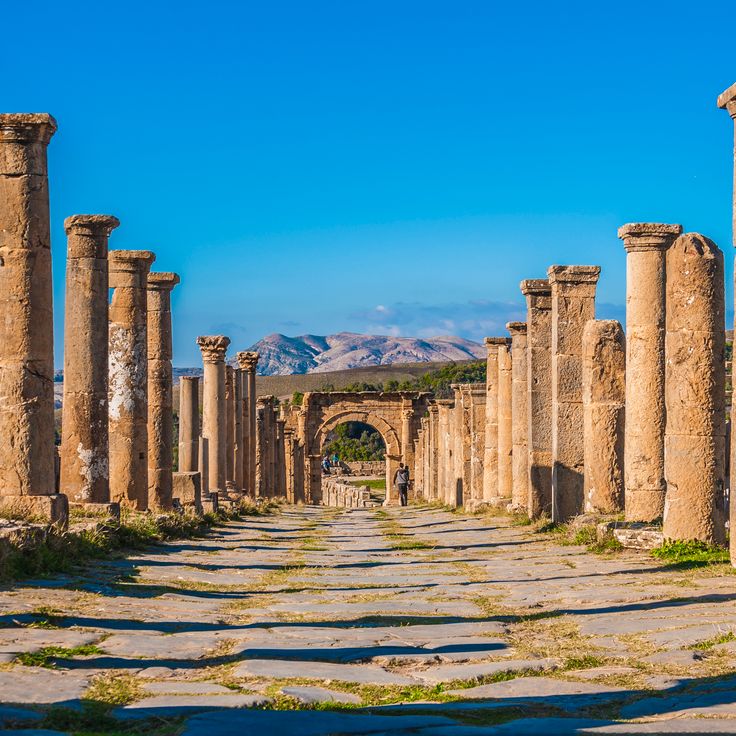
Djémila is a Roman city in Setif that represents one of Algeria's rich archaeological sites and natural areas. The site displays temples, squares and thermal baths dating from the 2nd and 3rd centuries. Walking through Djémila's ruins gives a sense of how Romans lived and built in North Africa. The city fits into Algeria's broader heritage, which includes Islamic architecture, the Sahara region with its sandstone formations, and protected natural reserves.
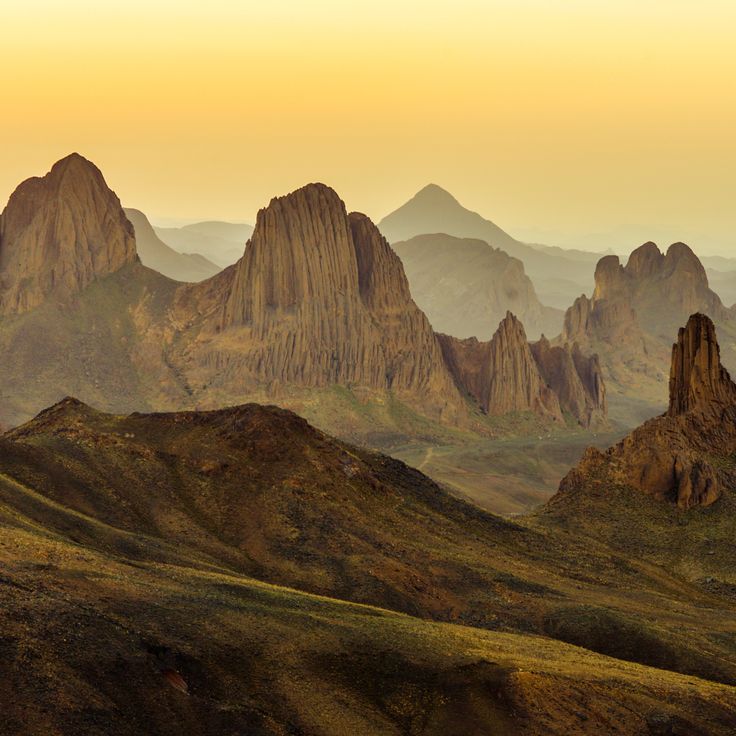
Assekrem is a mountain peak in the Hoggar range within this collection of archaeological sites and natural areas across Algeria. The summit reaches 2726 meters and commands views across the Sahara. From this vantage point, visitors see the expansive sandstone formations and mountain terrain that define Algeria's natural landscape. Assekrem reflects the varied geography between the country's Roman ruins, Islamic architecture, and desert regions.
Ahaggar National Park is part of Algeria's collection of Roman ruins, Islamic architecture and natural spaces. This park covers a vast expanse of volcanic rock, sand deserts and prehistoric rock art. Like other sites in this collection, it reveals Algeria's layered history and landscape, from the Sahara's sandstone formations and mountain oases to its ancient settlements.
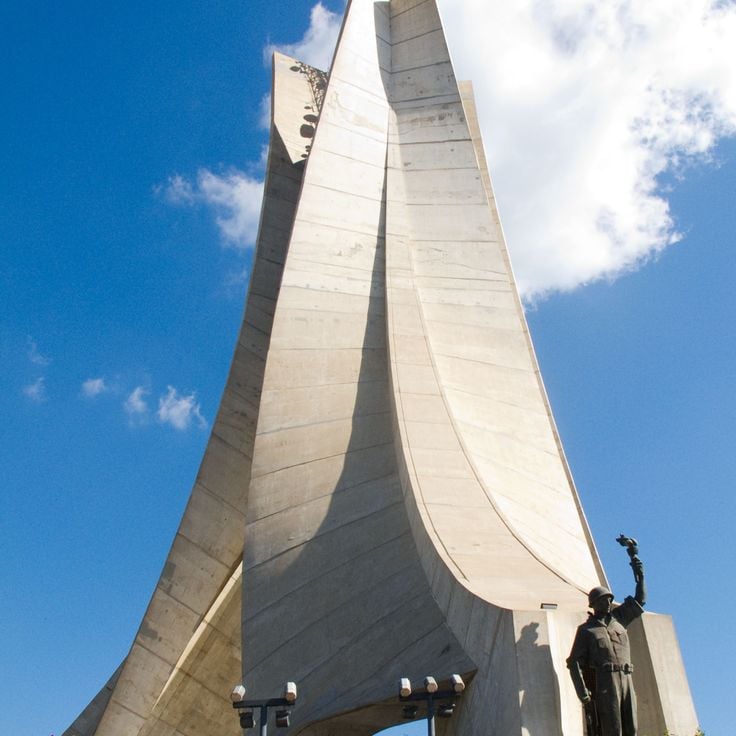
The Maqam Echahid is a concrete monument in Algiers that honors those who died in the independence war. Its shape resembles three palm leaves rising 92 meters high. Within Algeria's collection of archaeological sites and natural areas, this monument represents the nation's modern history and commemorates a crucial turning point. Standing before it, visitors sense how deeply independence shaped Algerian identity and pride.
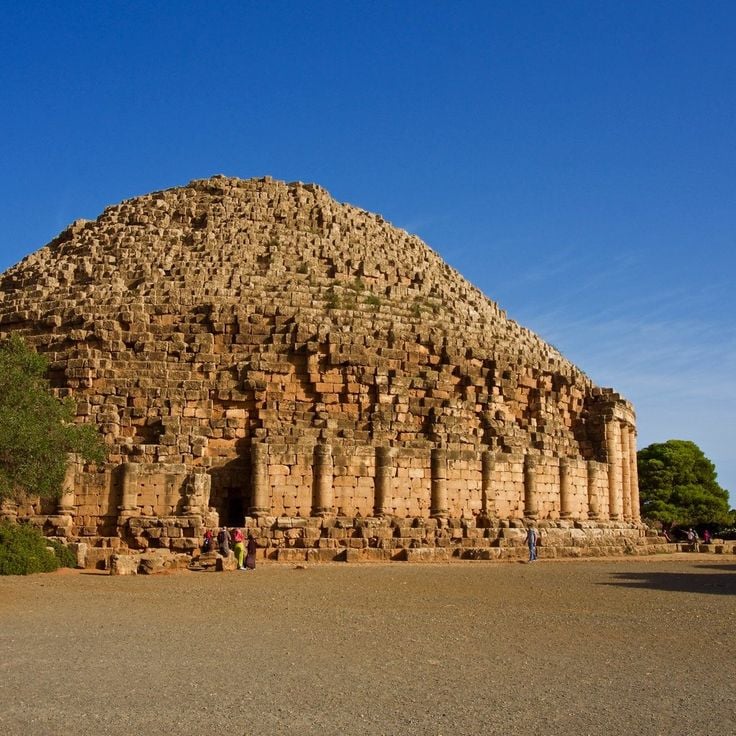
The Royal Mausoleum of Mauretania stands in Tipaza, an archaeological site that represents Algeria's blend of ancient Roman and regional history. This monumental tomb was built in the 1st century BC to honor King Juba II and Queen Cleopatra Selene. The structure shows how North African and Roman building traditions came together during this period. It served as a symbol of royal power in the region.
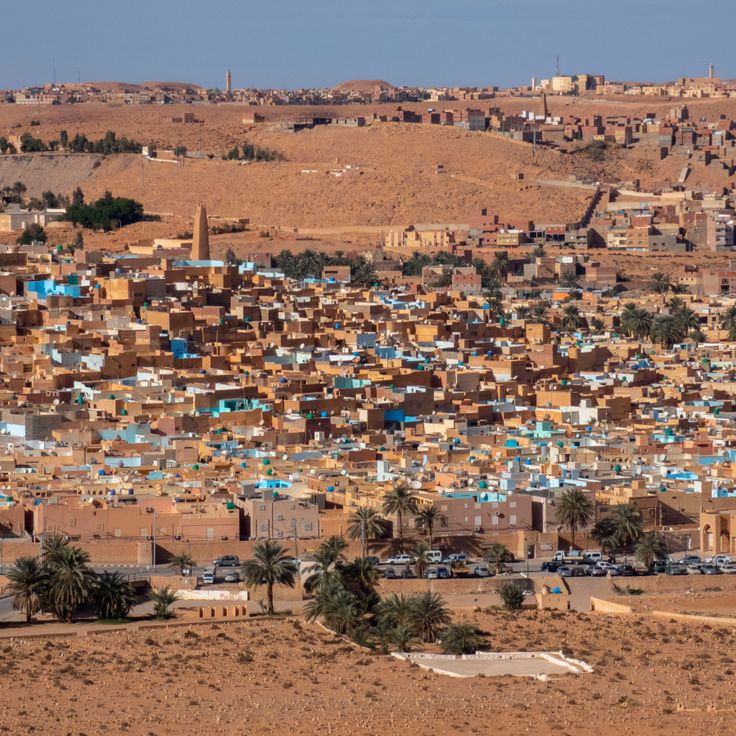
The M'zab Valley is part of a collection that brings together the archaeological sites and natural areas of Algeria. This valley contains five fortified settlements built in the 11th century with their own distinctive architecture and social structure. The communities were founded by Ibadite groups and tell a long story of adaptation to desert life. The buildings follow practical design principles that help people live in the heat. Houses are built close together with small windows for protection from the sun. The settlements show how people have lived together in this region for many centuries.
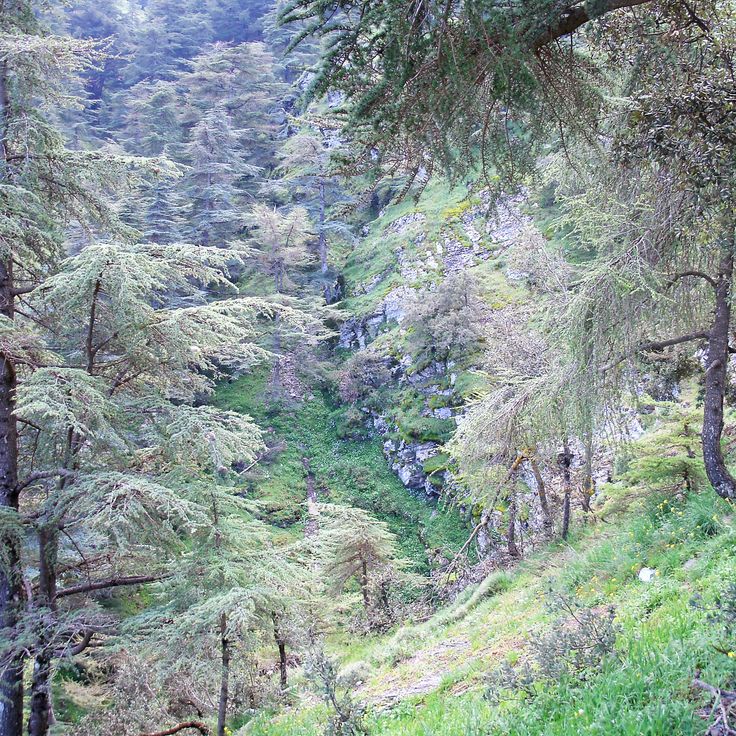
Chréa National Park sits in the Atlas Mountains and shows the natural forests of Algeria. Cedar woodlands define the landscape and create habitats for wildlife. The park offers trails for hiking and opportunities for winter sports. Visitors can experience the nature of this mountainous region and see the different types of land found across Algeria.
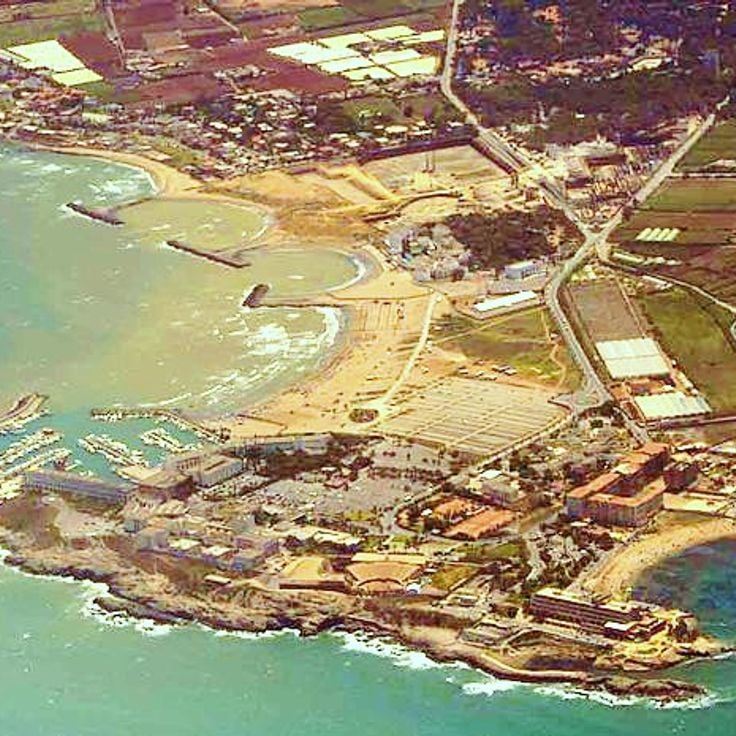
Sidi Fredj Peninsula is a Mediterranean promontory near Algiers that brings together Algeria's Ottoman heritage with modern coastal life. An old Ottoman fortress stands here alongside contemporary hotels and two marinas where visitors enjoy sailing and water sports. The peninsula shows how this region has evolved from its Islamic past to the present day, much like other important sites across Algeria with their Roman remains and historic buildings.
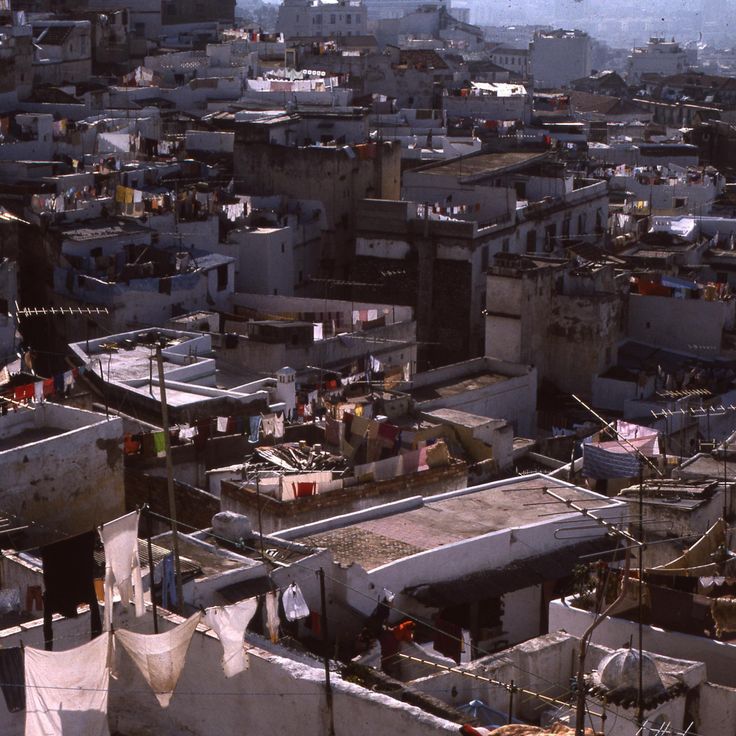
The Kasbah of Algiers is a well-preserved Ottoman city and stands as one of Algeria's most important archaeological sites within this collection of Roman ruins, Islamic architecture and natural areas. It holds approximately 10000 buildings from the 16th century, connected by narrow passages and staircases that wind through the hillside. Walking through this medina reveals how people lived in this busy port city, where traders, craftspeople and families occupied homes stacked closely together across different levels of the slope.
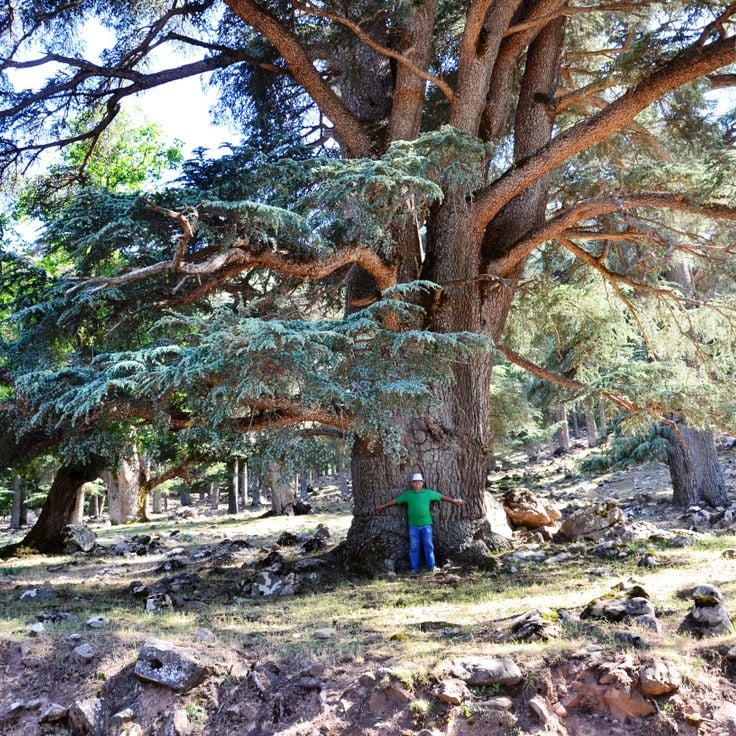
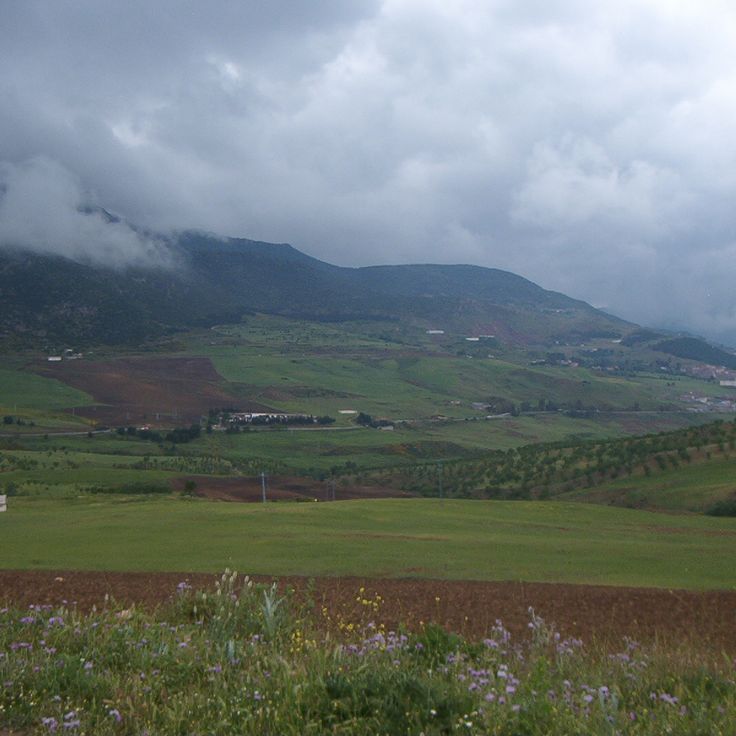
This national park is part of Algeria's diverse heritage of Roman ruins, Islamic architecture and natural areas. The park contains Atlas cedars and oak forests spread across mountain ranges at altitudes between 1200 and 1800 meters. It offers a natural counterpoint to the archaeological sites found throughout the country.
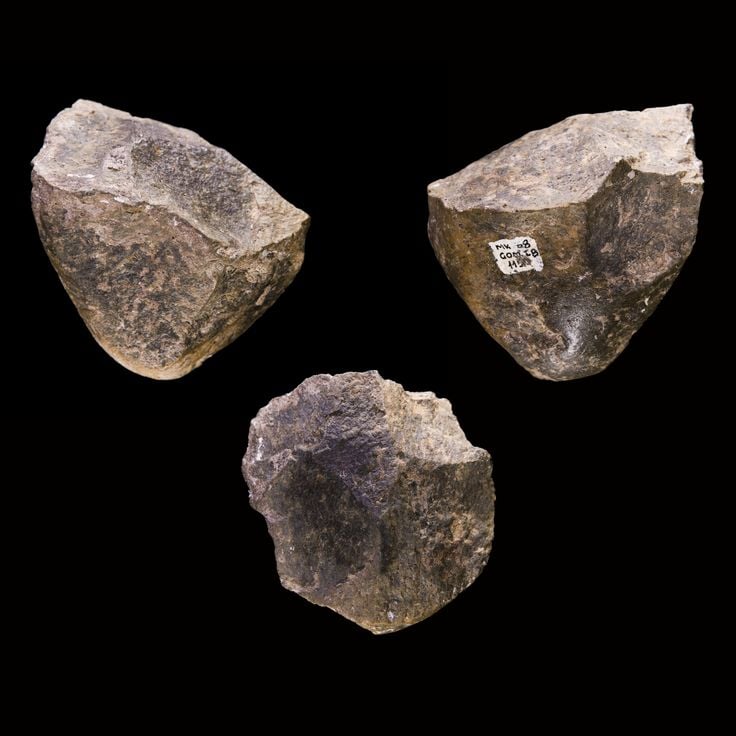
Melka Kunture is an archaeological site near Addis Ababa that contains stone tools and fossils from the Paleolithic period. It documents over one million years of human evolution and fits within Algeria's collection of Roman ruins, Islamic architecture, and natural areas. This site reveals how early people lived and made their tools in this region.
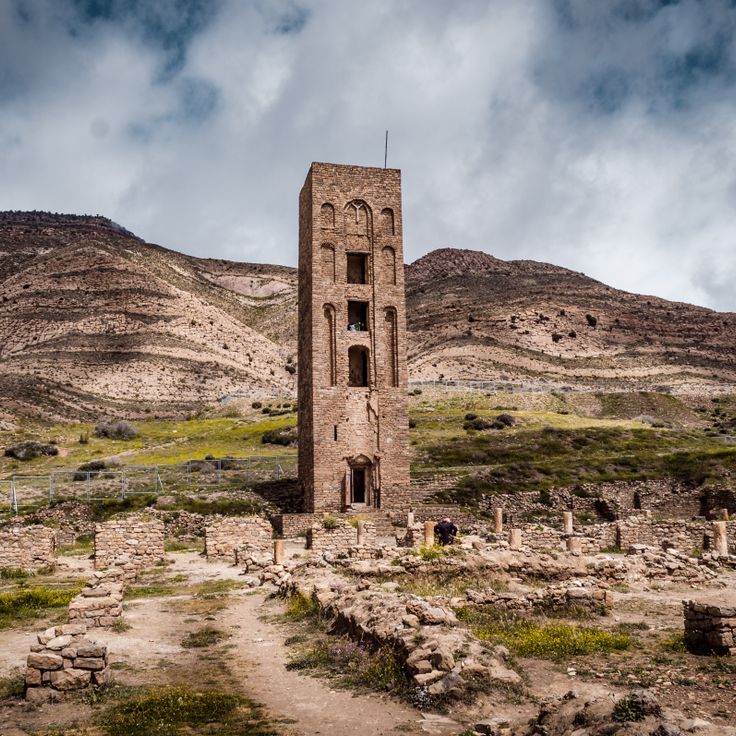
The Qalaa of Beni Hammad is an 11th-century Islamic city in ruins that reveals how people built and organized their urban centers during this period. The site features a mosque, minaret, and palace district spread across the landscape. This archaeological site fits within Algeria's collection of ruins and natural areas, showing the Islamic heritage alongside the country's Roman remains and natural reserves.
Beni Mguild is a high plateau located between the Atlas Mountains and the Sahara in Laghouat, where nomadic Berber communities continue their pastoral traditions. Within Algeria's collection of Roman ruins, Islamic architecture, and natural areas, this location showcases how sheep and goats are herded across the open landscape. The plateau reveals the daily rhythms of nomadic life, with communities adapting to the environment between the mountains and the desert.
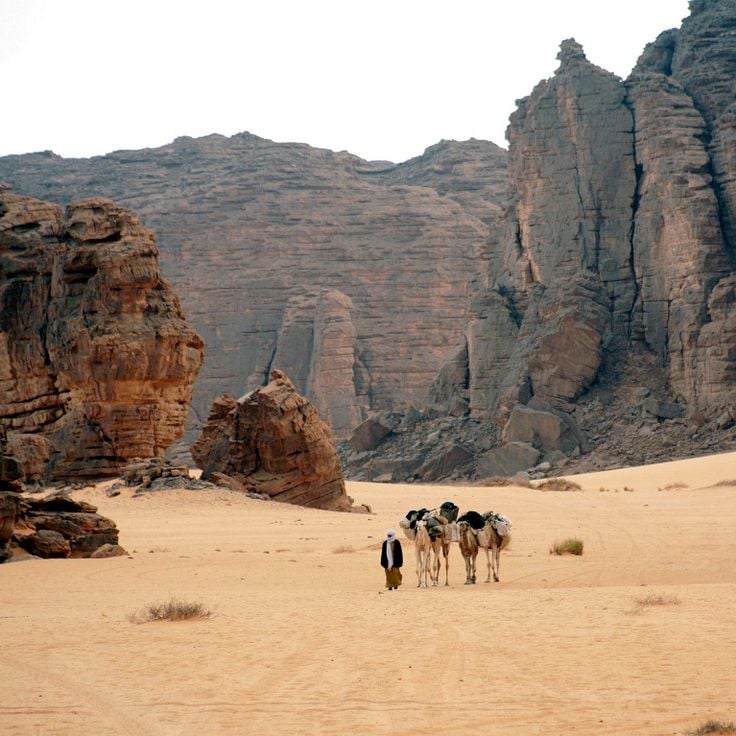
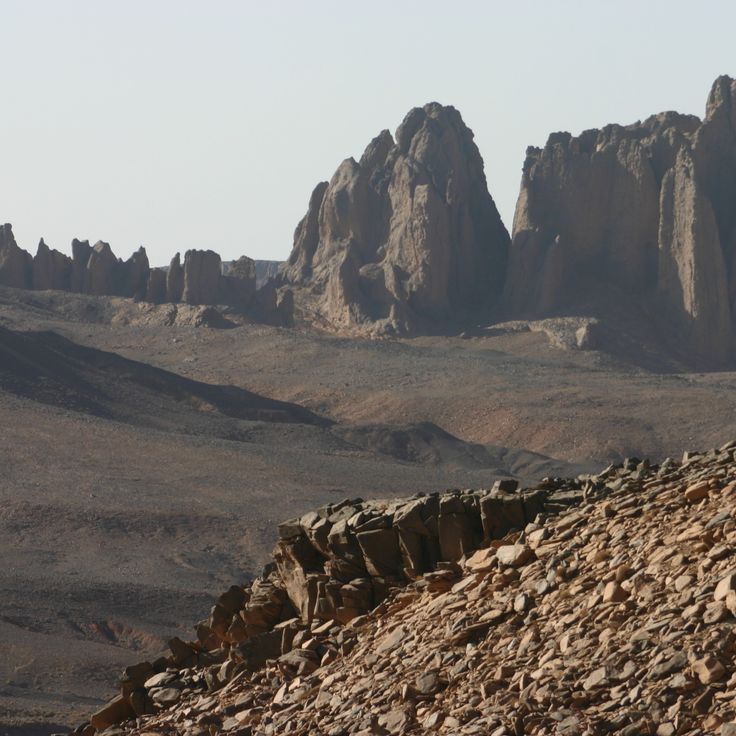
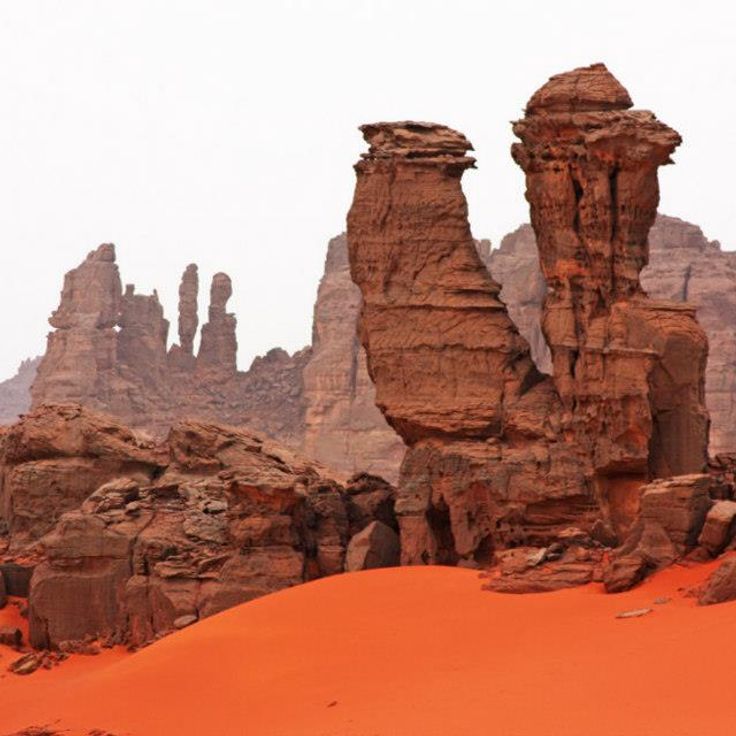
Tadrart Rouge is a sandstone massif in the southeastern Sahara and represents the natural and archaeological heritage of Algeria. The site features red dunes alongside prehistoric rock art carved into stone faces, revealing how ancient peoples lived in this desert landscape. The distinctive red-colored rock formations dominate the terrain and tell the geological story of this remote region.
Oued Riou National Park is a nature reserve in Souk Ahras within Algeria's collection of archaeological sites and natural areas. The park features Mediterranean vegetation and offers hiking trails through its landscape. Visitors can observe native bird species that inhabit this region. The reserve represents the natural spaces of Algeria alongside Roman ruins and Islamic architecture.
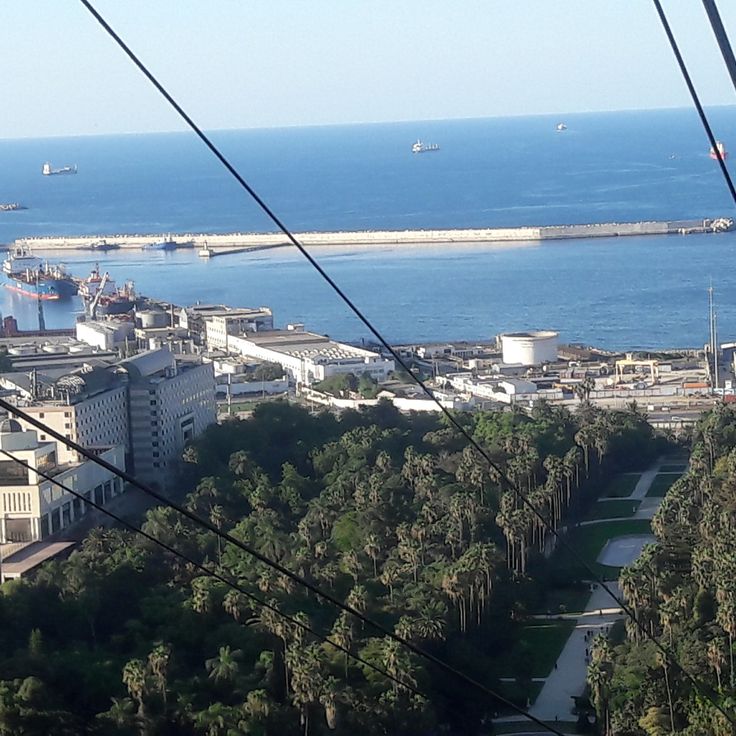
The Jardin d'Essai du Hamma is a 19th century botanical garden in Algiers that fits well within the collection of Algeria's archaeological sites and natural areas. The garden holds around 1200 plant species from many different climate zones. Visitors walk through French-style landscape designs and discover tropical greenhouses filled with both local and exotic plants. The garden shows how European and North African gardening traditions come together in one place.
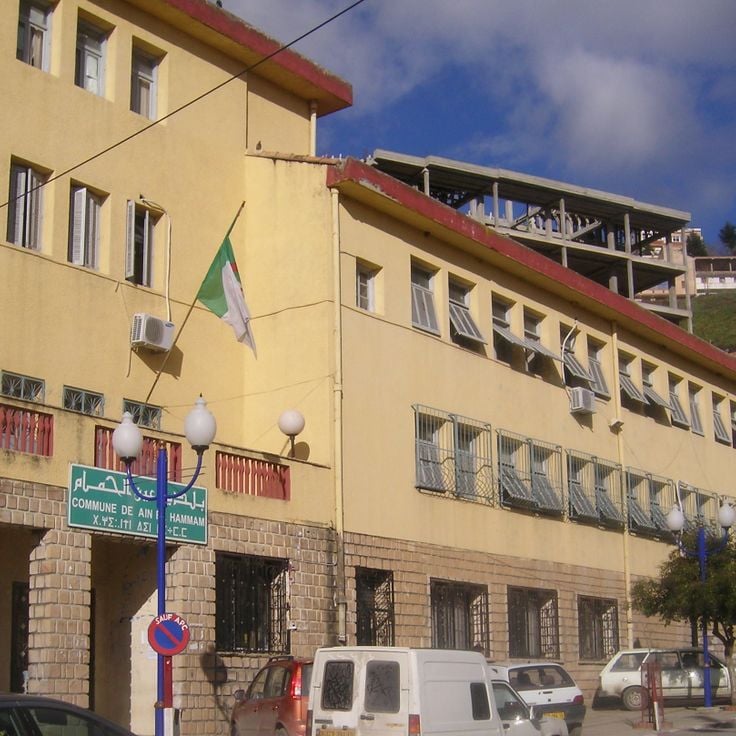
This mountain village in Tizi Ouzou sits at 1,100 meters elevation and is home to several hot springs. The mineral-rich waters of Ain Hammam emerge from beneath the ground and draw visitors seeking their natural properties. Located in Algeria, the village fits within the country's diverse landscape of Roman ruins, Islamic buildings, and natural areas. The remote mountain setting shows how communities have adapted to life at higher elevations while making use of the thermal springs found in the region.
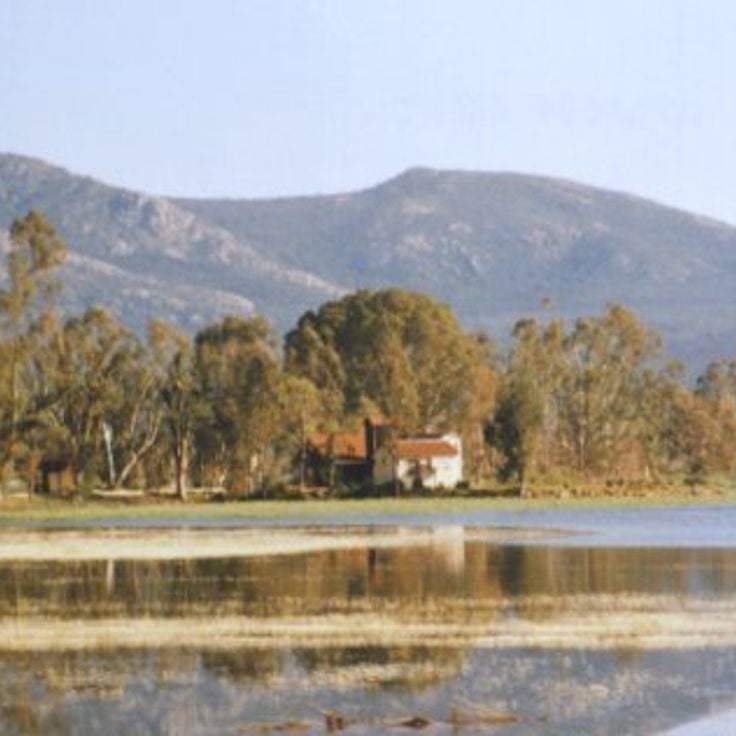
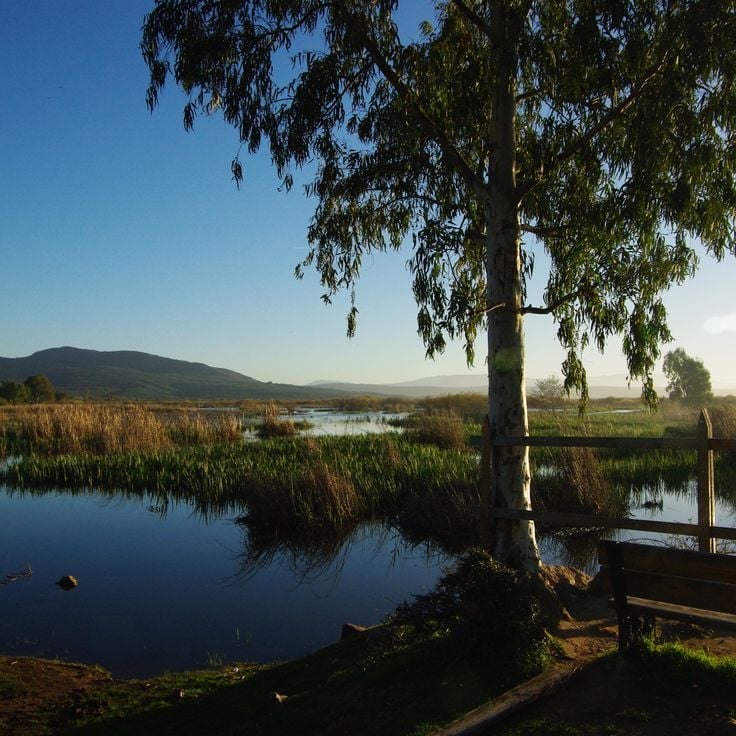
Lake Tonga is a freshwater lake in El Kala National Park that provides habitat for waterfowl and native plants. The wetland serves as a winter refuge for migratory birds and represents part of Algeria's natural areas alongside Roman ruins and Islamic architecture.
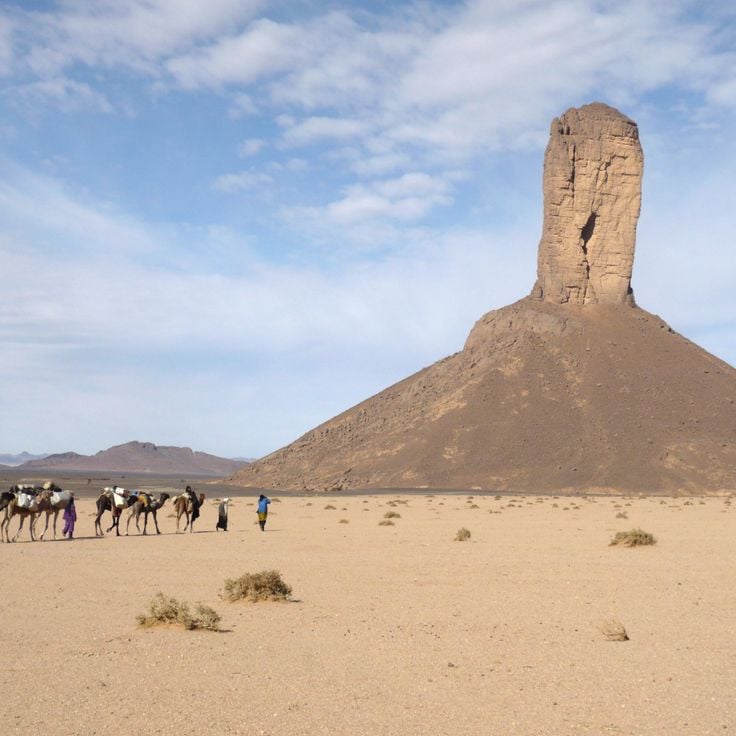
The Plateau of Tassili du Hoggar features sandstone rock formations within a mountainous area of the Sahara Desert. It displays prehistoric rock art from the Neolithic period and fits within the collection of archaeological sites and natural areas in Algeria, which combines Roman ruins, Islamic architecture and natural spaces. This plateau provides insight into early human life and the landscape of southern Algeria.
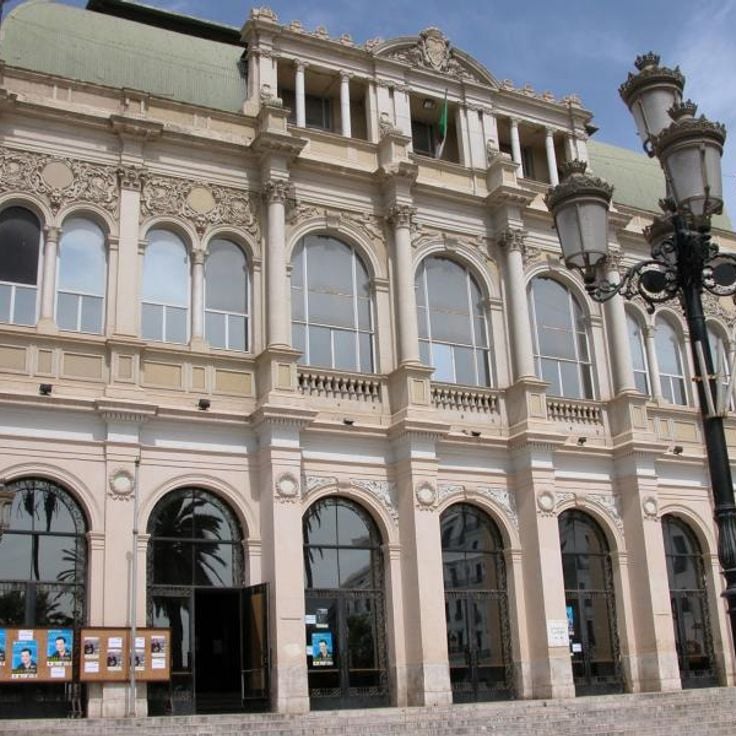
The Algiers Opera House is a cultural venue built in 2016 with 1,300 seats that hosts regular ballet, concert and theater performances throughout the year. It represents part of Algeria's diverse cultural landscape, which extends beyond Roman ruins, Islamic architecture and natural areas to include modern artistic institutions.
The Babor Mountains are part of the collection of archaeological sites and natural areas in Algeria and rise as a mountain range hosting rare plant and animal species. Mediterranean cedar forests cover the Babor Mountains at elevations between 1000 and 2000 meters (3280 and 6560 feet). This place shows the natural diversity that exists alongside Roman ruins and Islamic architecture throughout the region.
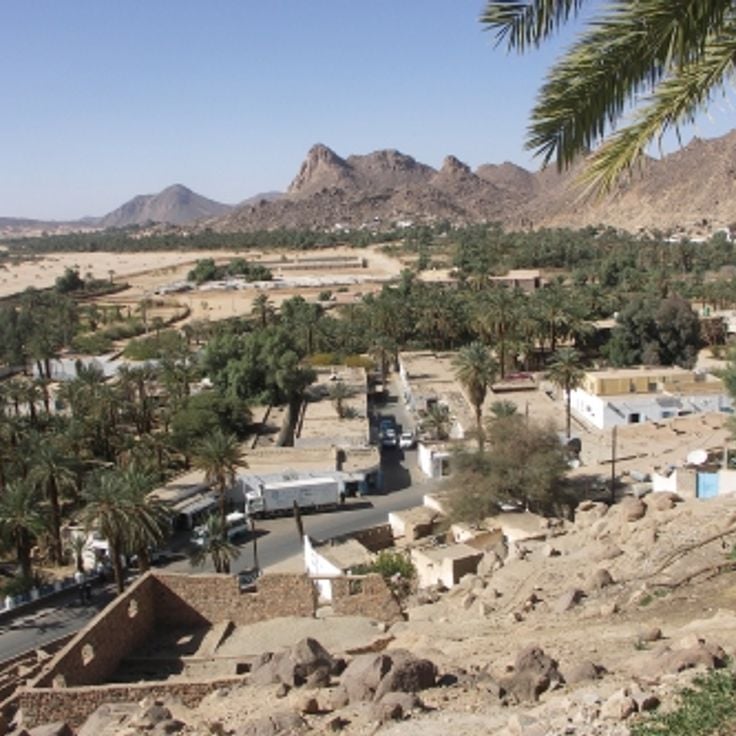
The Djanet Oasis fits perfectly into Algeria's collection of Roman ruins, Islamic architecture, and natural areas. This oasis is lined with palms and features traditional clay buildings alongside a traditional water system. Surrounding the settlement are the sandstone formations of the Tassili plateau, which contains prehistoric rock art.
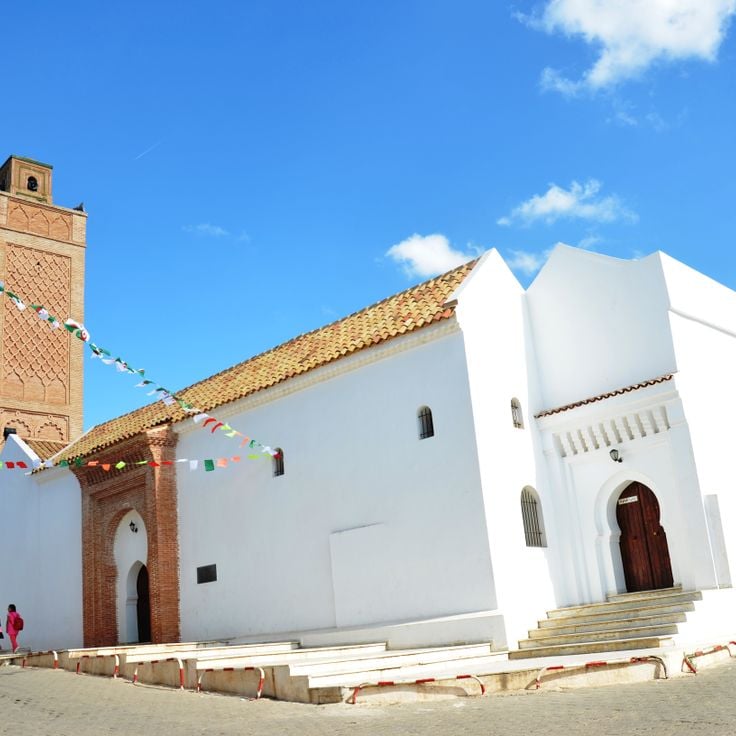
The Nedroma Ancient Mosque is a religious structure from the 11th century that displays the Islamic architecture of Algeria. It fits within the collection of archaeological sites and natural areas in Algeria and demonstrates the cultural layers that shape the country. Inside, the walls feature geometric patterns and Arabic calligraphy that reflect the artistic traditions of that time.
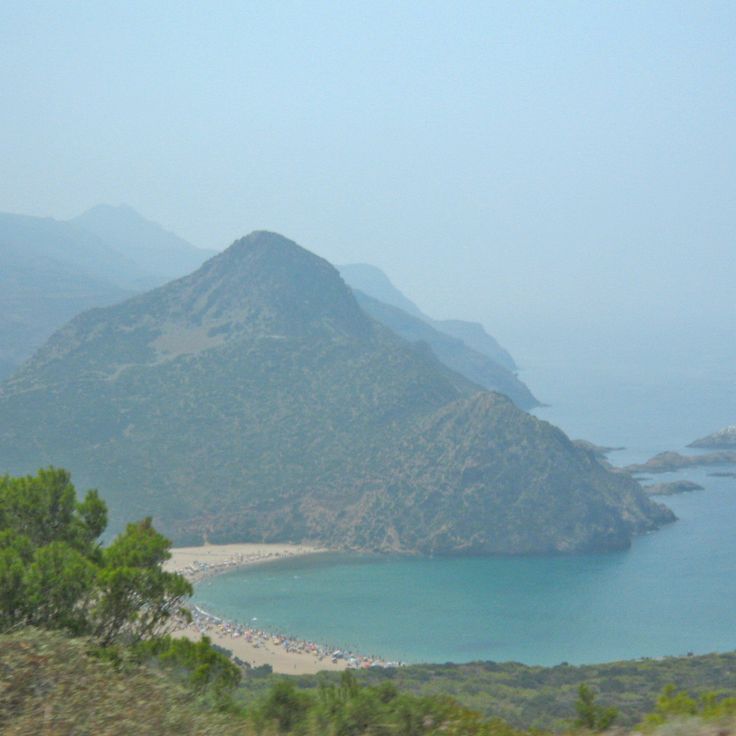
Madagh Beach in Ain El Kerma is a coastal section with white sand and rock formations that represents the natural areas within Algeria's collection of archaeological sites and natural landscapes. Mediterranean vegetation lines the shore, and small fishing villages are scattered along the coast. This beach showcases the diverse natural character of Algeria alongside its Roman ruins, Islamic architecture, and protected areas such as Tassili n'Ajjer National Park.
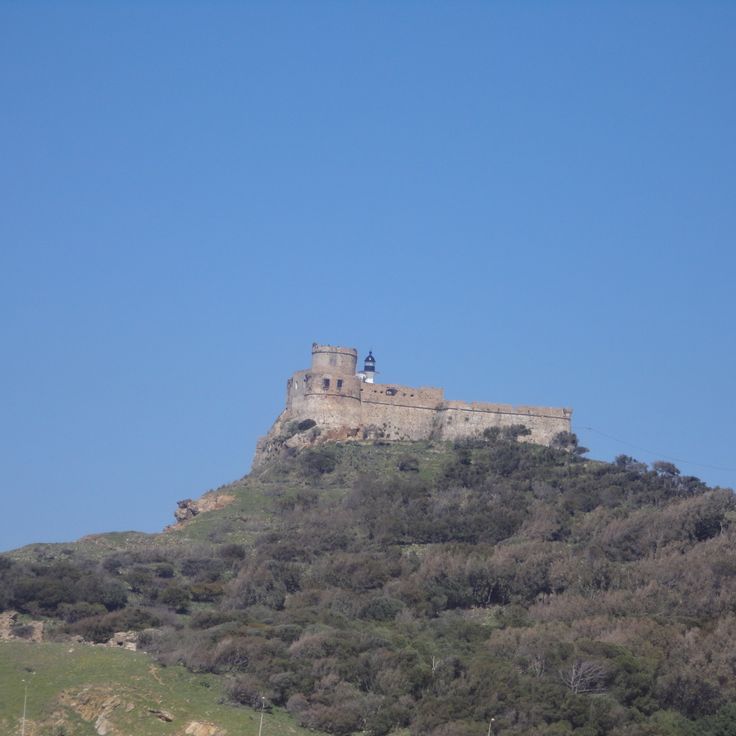
The Genoese Fort in Annaba is a defensive structure built in the 17th century by Italian merchants to protect their Mediterranean port and trade routes. It stands within Algeria's broader history, which combines Roman ruins, Islamic architecture and natural areas. This fort demonstrates how European trading power shaped the Mediterranean region and belongs among the historical sites that document Algeria's varied heritage.
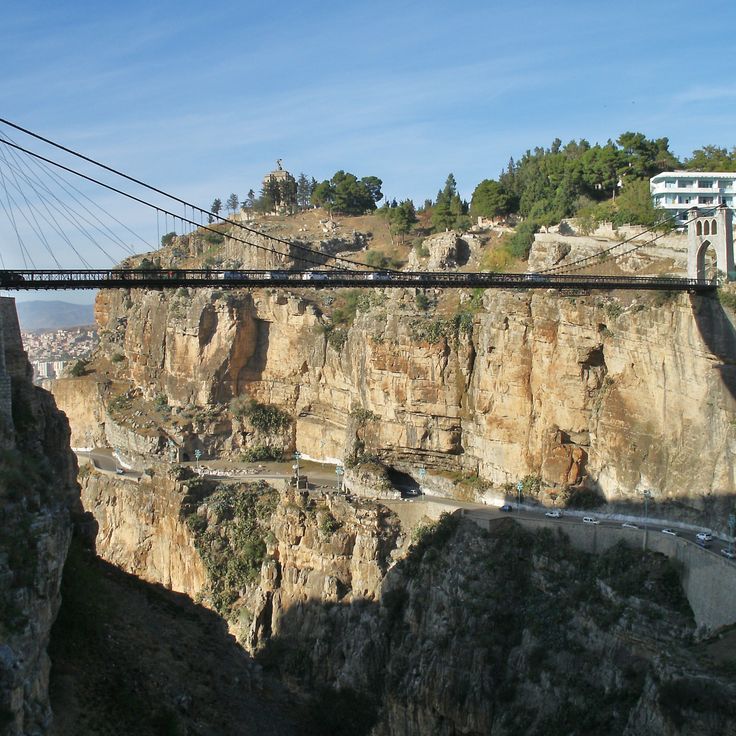
This bridge is part of Algeria's layered history, where Roman ruins, Islamic architecture, and natural areas come together. The Bridge of Constantine was completed in 1912 and spans a 175-meter-deep gorge of the Rhumel River. It connects two districts with an iron structure that stretches across the dramatic valley below. The bridge shows the engineering skills of the early 20th century and offers views of the jagged landscape underneath.
Tassili n'Ajjer is a sandstone plateau that forms part of the collection of archaeological sites and natural areas in Algeria. The rock surfaces hold over 15000 petroglyphs and cave paintings created between 6000 and 100 BCE. These artworks reveal how people lived in this region and what they valued. The plateau blends ancient human creativity with the desert landscape, offering visitors a direct connection to prehistoric times.
Tipasa is an archaeological site on Algeria's Mediterranean coast that brings together remains from different periods. Here you can find Phoenician, Roman, early Christian, and Byzantine buildings standing side by side. The ruins show how various cultures lived and built in this location. Tipasa fits well within the collection of archaeological sites and natural areas of Algeria, as it represents an important example of the region's rich history.
El Kala National Park is part of Algeria's collection of archaeological sites and natural areas. The park brings together lakes, wetlands, coral reefs and sand beaches that showcase Mediterranean and North African nature. Visitors discover a mix of water and land with local plants and animals.
Gouraya National Park sits on the coast and combines Mediterranean forests, cliffs and marine ecosystems. The park is home to plant and animal species found only in this area. It fits into Algeria's varied landscapes, which range from Roman ruins and Islamic architecture to natural areas. The park shows what Mediterranean coastal landscapes look like and what life thrives there.
Djémila is a Roman city in Setif that represents one of Algeria's rich archaeological sites and natural areas. The site displays temples, squares and thermal baths dating from the 2nd and 3rd centuries. Walking through Djémila's ruins gives a sense of how Romans lived and built in North Africa. The city fits into Algeria's broader heritage, which includes Islamic architecture, the Sahara region with its sandstone formations, and protected natural reserves.
Assekrem is a mountain peak in the Hoggar range within this collection of archaeological sites and natural areas across Algeria. The summit reaches 2726 meters and commands views across the Sahara. From this vantage point, visitors see the expansive sandstone formations and mountain terrain that define Algeria's natural landscape. Assekrem reflects the varied geography between the country's Roman ruins, Islamic architecture, and desert regions.
Ahaggar National Park is part of Algeria's collection of Roman ruins, Islamic architecture and natural spaces. This park covers a vast expanse of volcanic rock, sand deserts and prehistoric rock art. Like other sites in this collection, it reveals Algeria's layered history and landscape, from the Sahara's sandstone formations and mountain oases to its ancient settlements.
The Maqam Echahid is a concrete monument in Algiers that honors those who died in the independence war. Its shape resembles three palm leaves rising 92 meters high. Within Algeria's collection of archaeological sites and natural areas, this monument represents the nation's modern history and commemorates a crucial turning point. Standing before it, visitors sense how deeply independence shaped Algerian identity and pride.
The Royal Mausoleum of Mauretania stands in Tipaza, an archaeological site that represents Algeria's blend of ancient Roman and regional history. This monumental tomb was built in the 1st century BC to honor King Juba II and Queen Cleopatra Selene. The structure shows how North African and Roman building traditions came together during this period. It served as a symbol of royal power in the region.
The M'zab Valley is part of a collection that brings together the archaeological sites and natural areas of Algeria. This valley contains five fortified settlements built in the 11th century with their own distinctive architecture and social structure. The communities were founded by Ibadite groups and tell a long story of adaptation to desert life. The buildings follow practical design principles that help people live in the heat. Houses are built close together with small windows for protection from the sun. The settlements show how people have lived together in this region for many centuries.
Chréa National Park sits in the Atlas Mountains and shows the natural forests of Algeria. Cedar woodlands define the landscape and create habitats for wildlife. The park offers trails for hiking and opportunities for winter sports. Visitors can experience the nature of this mountainous region and see the different types of land found across Algeria.
Sidi Fredj Peninsula is a Mediterranean promontory near Algiers that brings together Algeria's Ottoman heritage with modern coastal life. An old Ottoman fortress stands here alongside contemporary hotels and two marinas where visitors enjoy sailing and water sports. The peninsula shows how this region has evolved from its Islamic past to the present day, much like other important sites across Algeria with their Roman remains and historic buildings.
The Kasbah of Algiers is a well-preserved Ottoman city and stands as one of Algeria's most important archaeological sites within this collection of Roman ruins, Islamic architecture and natural areas. It holds approximately 10000 buildings from the 16th century, connected by narrow passages and staircases that wind through the hillside. Walking through this medina reveals how people lived in this busy port city, where traders, craftspeople and families occupied homes stacked closely together across different levels of the slope.
This national park is part of Algeria's diverse heritage of Roman ruins, Islamic architecture and natural areas. The park contains Atlas cedars and oak forests spread across mountain ranges at altitudes between 1200 and 1800 meters. It offers a natural counterpoint to the archaeological sites found throughout the country.
Melka Kunture is an archaeological site near Addis Ababa that contains stone tools and fossils from the Paleolithic period. It documents over one million years of human evolution and fits within Algeria's collection of Roman ruins, Islamic architecture, and natural areas. This site reveals how early people lived and made their tools in this region.
The Qalaa of Beni Hammad is an 11th-century Islamic city in ruins that reveals how people built and organized their urban centers during this period. The site features a mosque, minaret, and palace district spread across the landscape. This archaeological site fits within Algeria's collection of ruins and natural areas, showing the Islamic heritage alongside the country's Roman remains and natural reserves.
Beni Mguild is a high plateau located between the Atlas Mountains and the Sahara in Laghouat, where nomadic Berber communities continue their pastoral traditions. Within Algeria's collection of Roman ruins, Islamic architecture, and natural areas, this location showcases how sheep and goats are herded across the open landscape. The plateau reveals the daily rhythms of nomadic life, with communities adapting to the environment between the mountains and the desert.
Tadrart Rouge is a sandstone massif in the southeastern Sahara and represents the natural and archaeological heritage of Algeria. The site features red dunes alongside prehistoric rock art carved into stone faces, revealing how ancient peoples lived in this desert landscape. The distinctive red-colored rock formations dominate the terrain and tell the geological story of this remote region.
Oued Riou National Park is a nature reserve in Souk Ahras within Algeria's collection of archaeological sites and natural areas. The park features Mediterranean vegetation and offers hiking trails through its landscape. Visitors can observe native bird species that inhabit this region. The reserve represents the natural spaces of Algeria alongside Roman ruins and Islamic architecture.
The Jardin d'Essai du Hamma is a 19th century botanical garden in Algiers that fits well within the collection of Algeria's archaeological sites and natural areas. The garden holds around 1200 plant species from many different climate zones. Visitors walk through French-style landscape designs and discover tropical greenhouses filled with both local and exotic plants. The garden shows how European and North African gardening traditions come together in one place.
This mountain village in Tizi Ouzou sits at 1,100 meters elevation and is home to several hot springs. The mineral-rich waters of Ain Hammam emerge from beneath the ground and draw visitors seeking their natural properties. Located in Algeria, the village fits within the country's diverse landscape of Roman ruins, Islamic buildings, and natural areas. The remote mountain setting shows how communities have adapted to life at higher elevations while making use of the thermal springs found in the region.
Lake Tonga is a freshwater lake in El Kala National Park that provides habitat for waterfowl and native plants. The wetland serves as a winter refuge for migratory birds and represents part of Algeria's natural areas alongside Roman ruins and Islamic architecture.
The Plateau of Tassili du Hoggar features sandstone rock formations within a mountainous area of the Sahara Desert. It displays prehistoric rock art from the Neolithic period and fits within the collection of archaeological sites and natural areas in Algeria, which combines Roman ruins, Islamic architecture and natural spaces. This plateau provides insight into early human life and the landscape of southern Algeria.
The Algiers Opera House is a cultural venue built in 2016 with 1,300 seats that hosts regular ballet, concert and theater performances throughout the year. It represents part of Algeria's diverse cultural landscape, which extends beyond Roman ruins, Islamic architecture and natural areas to include modern artistic institutions.
The Babor Mountains are part of the collection of archaeological sites and natural areas in Algeria and rise as a mountain range hosting rare plant and animal species. Mediterranean cedar forests cover the Babor Mountains at elevations between 1000 and 2000 meters (3280 and 6560 feet). This place shows the natural diversity that exists alongside Roman ruins and Islamic architecture throughout the region.
The Djanet Oasis fits perfectly into Algeria's collection of Roman ruins, Islamic architecture, and natural areas. This oasis is lined with palms and features traditional clay buildings alongside a traditional water system. Surrounding the settlement are the sandstone formations of the Tassili plateau, which contains prehistoric rock art.
The Nedroma Ancient Mosque is a religious structure from the 11th century that displays the Islamic architecture of Algeria. It fits within the collection of archaeological sites and natural areas in Algeria and demonstrates the cultural layers that shape the country. Inside, the walls feature geometric patterns and Arabic calligraphy that reflect the artistic traditions of that time.
Madagh Beach in Ain El Kerma is a coastal section with white sand and rock formations that represents the natural areas within Algeria's collection of archaeological sites and natural landscapes. Mediterranean vegetation lines the shore, and small fishing villages are scattered along the coast. This beach showcases the diverse natural character of Algeria alongside its Roman ruins, Islamic architecture, and protected areas such as Tassili n'Ajjer National Park.
The Genoese Fort in Annaba is a defensive structure built in the 17th century by Italian merchants to protect their Mediterranean port and trade routes. It stands within Algeria's broader history, which combines Roman ruins, Islamic architecture and natural areas. This fort demonstrates how European trading power shaped the Mediterranean region and belongs among the historical sites that document Algeria's varied heritage.
This bridge is part of Algeria's layered history, where Roman ruins, Islamic architecture, and natural areas come together. The Bridge of Constantine was completed in 1912 and spans a 175-meter-deep gorge of the Rhumel River. It connects two districts with an iron structure that stretches across the dramatic valley below. The bridge shows the engineering skills of the early 20th century and offers views of the jagged landscape underneath.
Tassili n'Ajjer is a sandstone plateau that forms part of the collection of archaeological sites and natural areas in Algeria. The rock surfaces hold over 15000 petroglyphs and cave paintings created between 6000 and 100 BCE. These artworks reveal how people lived in this region and what they valued. The plateau blends ancient human creativity with the desert landscape, offering visitors a direct connection to prehistoric times.
Tipasa is an archaeological site on Algeria's Mediterranean coast that brings together remains from different periods. Here you can find Phoenician, Roman, early Christian, and Byzantine buildings standing side by side. The ruins show how various cultures lived and built in this location. Tipasa fits well within the collection of archaeological sites and natural areas of Algeria, as it represents an important example of the region's rich history.
El Kala National Park is part of Algeria's collection of archaeological sites and natural areas. The park brings together lakes, wetlands, coral reefs and sand beaches that showcase Mediterranean and North African nature. Visitors discover a mix of water and land with local plants and animals.
Gouraya National Park sits on the coast and combines Mediterranean forests, cliffs and marine ecosystems. The park is home to plant and animal species found only in this area. It fits into Algeria's varied landscapes, which range from Roman ruins and Islamic architecture to natural areas. The park shows what Mediterranean coastal landscapes look like and what life thrives there.
Djémila is a Roman city in Setif that represents one of Algeria's rich archaeological sites and natural areas. The site displays temples, squares and thermal baths dating from the 2nd and 3rd centuries. Walking through Djémila's ruins gives a sense of how Romans lived and built in North Africa. The city fits into Algeria's broader heritage, which includes Islamic architecture, the Sahara region with its sandstone formations, and protected natural reserves.
Assekrem is a mountain peak in the Hoggar range within this collection of archaeological sites and natural areas across Algeria. The summit reaches 2726 meters and commands views across the Sahara. From this vantage point, visitors see the expansive sandstone formations and mountain terrain that define Algeria's natural landscape. Assekrem reflects the varied geography between the country's Roman ruins, Islamic architecture, and desert regions.
Ahaggar National Park is part of Algeria's collection of Roman ruins, Islamic architecture and natural spaces. This park covers a vast expanse of volcanic rock, sand deserts and prehistoric rock art. Like other sites in this collection, it reveals Algeria's layered history and landscape, from the Sahara's sandstone formations and mountain oases to its ancient settlements.
The Maqam Echahid is a concrete monument in Algiers that honors those who died in the independence war. Its shape resembles three palm leaves rising 92 meters high. Within Algeria's collection of archaeological sites and natural areas, this monument represents the nation's modern history and commemorates a crucial turning point. Standing before it, visitors sense how deeply independence shaped Algerian identity and pride.
The Royal Mausoleum of Mauretania stands in Tipaza, an archaeological site that represents Algeria's blend of ancient Roman and regional history. This monumental tomb was built in the 1st century BC to honor King Juba II and Queen Cleopatra Selene. The structure shows how North African and Roman building traditions came together during this period. It served as a symbol of royal power in the region.
The M'zab Valley is part of a collection that brings together the archaeological sites and natural areas of Algeria. This valley contains five fortified settlements built in the 11th century with their own distinctive architecture and social structure. The communities were founded by Ibadite groups and tell a long story of adaptation to desert life. The buildings follow practical design principles that help people live in the heat. Houses are built close together with small windows for protection from the sun. The settlements show how people have lived together in this region for many centuries.
Chréa National Park sits in the Atlas Mountains and shows the natural forests of Algeria. Cedar woodlands define the landscape and create habitats for wildlife. The park offers trails for hiking and opportunities for winter sports. Visitors can experience the nature of this mountainous region and see the different types of land found across Algeria.
Sidi Fredj Peninsula is a Mediterranean promontory near Algiers that brings together Algeria's Ottoman heritage with modern coastal life. An old Ottoman fortress stands here alongside contemporary hotels and two marinas where visitors enjoy sailing and water sports. The peninsula shows how this region has evolved from its Islamic past to the present day, much like other important sites across Algeria with their Roman remains and historic buildings.
The Kasbah of Algiers is a well-preserved Ottoman city and stands as one of Algeria's most important archaeological sites within this collection of Roman ruins, Islamic architecture and natural areas. It holds approximately 10000 buildings from the 16th century, connected by narrow passages and staircases that wind through the hillside. Walking through this medina reveals how people lived in this busy port city, where traders, craftspeople and families occupied homes stacked closely together across different levels of the slope.
This national park is part of Algeria's diverse heritage of Roman ruins, Islamic architecture and natural areas. The park contains Atlas cedars and oak forests spread across mountain ranges at altitudes between 1200 and 1800 meters. It offers a natural counterpoint to the archaeological sites found throughout the country.
Melka Kunture is an archaeological site near Addis Ababa that contains stone tools and fossils from the Paleolithic period. It documents over one million years of human evolution and fits within Algeria's collection of Roman ruins, Islamic architecture, and natural areas. This site reveals how early people lived and made their tools in this region.
The Qalaa of Beni Hammad is an 11th-century Islamic city in ruins that reveals how people built and organized their urban centers during this period. The site features a mosque, minaret, and palace district spread across the landscape. This archaeological site fits within Algeria's collection of ruins and natural areas, showing the Islamic heritage alongside the country's Roman remains and natural reserves.
Beni Mguild is a high plateau located between the Atlas Mountains and the Sahara in Laghouat, where nomadic Berber communities continue their pastoral traditions. Within Algeria's collection of Roman ruins, Islamic architecture, and natural areas, this location showcases how sheep and goats are herded across the open landscape. The plateau reveals the daily rhythms of nomadic life, with communities adapting to the environment between the mountains and the desert.
Tadrart Rouge is a sandstone massif in the southeastern Sahara and represents the natural and archaeological heritage of Algeria. The site features red dunes alongside prehistoric rock art carved into stone faces, revealing how ancient peoples lived in this desert landscape. The distinctive red-colored rock formations dominate the terrain and tell the geological story of this remote region.
Oued Riou National Park is a nature reserve in Souk Ahras within Algeria's collection of archaeological sites and natural areas. The park features Mediterranean vegetation and offers hiking trails through its landscape. Visitors can observe native bird species that inhabit this region. The reserve represents the natural spaces of Algeria alongside Roman ruins and Islamic architecture.
The Jardin d'Essai du Hamma is a 19th century botanical garden in Algiers that fits well within the collection of Algeria's archaeological sites and natural areas. The garden holds around 1200 plant species from many different climate zones. Visitors walk through French-style landscape designs and discover tropical greenhouses filled with both local and exotic plants. The garden shows how European and North African gardening traditions come together in one place.
This mountain village in Tizi Ouzou sits at 1,100 meters elevation and is home to several hot springs. The mineral-rich waters of Ain Hammam emerge from beneath the ground and draw visitors seeking their natural properties. Located in Algeria, the village fits within the country's diverse landscape of Roman ruins, Islamic buildings, and natural areas. The remote mountain setting shows how communities have adapted to life at higher elevations while making use of the thermal springs found in the region.
Lake Tonga is a freshwater lake in El Kala National Park that provides habitat for waterfowl and native plants. The wetland serves as a winter refuge for migratory birds and represents part of Algeria's natural areas alongside Roman ruins and Islamic architecture.
The Plateau of Tassili du Hoggar features sandstone rock formations within a mountainous area of the Sahara Desert. It displays prehistoric rock art from the Neolithic period and fits within the collection of archaeological sites and natural areas in Algeria, which combines Roman ruins, Islamic architecture and natural spaces. This plateau provides insight into early human life and the landscape of southern Algeria.
The Algiers Opera House is a cultural venue built in 2016 with 1,300 seats that hosts regular ballet, concert and theater performances throughout the year. It represents part of Algeria's diverse cultural landscape, which extends beyond Roman ruins, Islamic architecture and natural areas to include modern artistic institutions.
The Babor Mountains are part of the collection of archaeological sites and natural areas in Algeria and rise as a mountain range hosting rare plant and animal species. Mediterranean cedar forests cover the Babor Mountains at elevations between 1000 and 2000 meters (3280 and 6560 feet). This place shows the natural diversity that exists alongside Roman ruins and Islamic architecture throughout the region.
The Djanet Oasis fits perfectly into Algeria's collection of Roman ruins, Islamic architecture, and natural areas. This oasis is lined with palms and features traditional clay buildings alongside a traditional water system. Surrounding the settlement are the sandstone formations of the Tassili plateau, which contains prehistoric rock art.
The Nedroma Ancient Mosque is a religious structure from the 11th century that displays the Islamic architecture of Algeria. It fits within the collection of archaeological sites and natural areas in Algeria and demonstrates the cultural layers that shape the country. Inside, the walls feature geometric patterns and Arabic calligraphy that reflect the artistic traditions of that time.
Madagh Beach in Ain El Kerma is a coastal section with white sand and rock formations that represents the natural areas within Algeria's collection of archaeological sites and natural landscapes. Mediterranean vegetation lines the shore, and small fishing villages are scattered along the coast. This beach showcases the diverse natural character of Algeria alongside its Roman ruins, Islamic architecture, and protected areas such as Tassili n'Ajjer National Park.
The Genoese Fort in Annaba is a defensive structure built in the 17th century by Italian merchants to protect their Mediterranean port and trade routes. It stands within Algeria's broader history, which combines Roman ruins, Islamic architecture and natural areas. This fort demonstrates how European trading power shaped the Mediterranean region and belongs among the historical sites that document Algeria's varied heritage.
This bridge is part of Algeria's layered history, where Roman ruins, Islamic architecture, and natural areas come together. The Bridge of Constantine was completed in 1912 and spans a 175-meter-deep gorge of the Rhumel River. It connects two districts with an iron structure that stretches across the dramatic valley below. The bridge shows the engineering skills of the early 20th century and offers views of the jagged landscape underneath.