See the monuments around you in AROpen chests in the app
Around Us is built for your phone — point your camera at the streets and discover the monuments and places around you in augmented reality.Around Us is built for your phone — chests unlock when you walk, explore and capture nearby places.
Japan has villages where craftspeople still make things the way their families have for hundreds of years. You can walk through workshops and watch artisans work with their hands, creating objects that are both useful and beautiful. These places have stayed much the same while the rest of the world has changed around them.
In these villages, you will find different crafts in different locations. Wajima is known for lacquerware, where artists layer and polish wood to create smooth, glossy bowls and trays. Arita became famous for porcelain, with kilns firing delicate white and blue pieces. Okawachiyama makes ceramics with patterns that have been used for generations. In Inami and other mountain villages, woodcarvers create detailed sculptures and decorative panels. Silk weavers in Ogimachi turn raw fibers into cloth using looms that operate much as they did long ago.
What makes these places special is that the work is not frozen in time as a museum display. Real people still use these workshops to make things, and they teach younger generations the skills they have learned. When you visit, you see the actual rhythm of craft work: the sounds of tools, the smell of natural materials, and the patience that goes into making something by hand. These villages remind us that quality craftsmanship is still alive in Japan.
Japan has villages where craftspeople still make things the way their families have for hundreds of years. You can walk through workshops and watch artisans work with their hands, creating objects that are both useful and beautiful. These places have stayed much the same while the rest of the world has changed around them.
In these villages, you will find different crafts in different locations. Wajima is known for lacquerware, where artists layer and polish wood to create smooth, glossy bowls and trays. Arita became famous for porcelain, with kilns firing delicate white and blue pieces. Okawachiyama makes ceramics with patterns that have been used for generations. In Inami and other mountain villages, woodcarvers create detailed sculptures and decorative panels. Silk weavers in Ogimachi turn raw fibers into cloth using looms that operate much as they did long ago.
What makes these places special is that the work is not frozen in time as a museum display. Real people still use these workshops to make things, and they teach younger generations the skills they have learned. When you visit, you see the actual rhythm of craft work: the sounds of tools, the smell of natural materials, and the patience that goes into making something by hand. These villages remind us that quality craftsmanship is still alive in Japan.
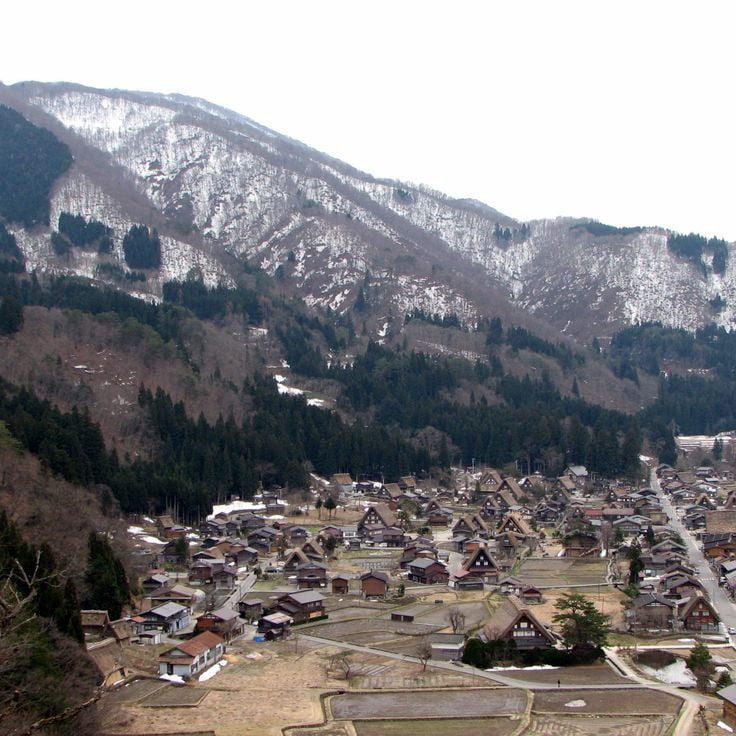
The village of Ogimachi in Shirakawa-go is a place where silk weavers still transform raw fibers using looms that work according to traditional methods. In the traditional farmhouses with their steep thatched roofs, people continue to make silk and pass their skills to younger generations. You can watch this craft as it has been practiced for hundreds of years, hearing the sound of looms and catching the scent of natural materials.
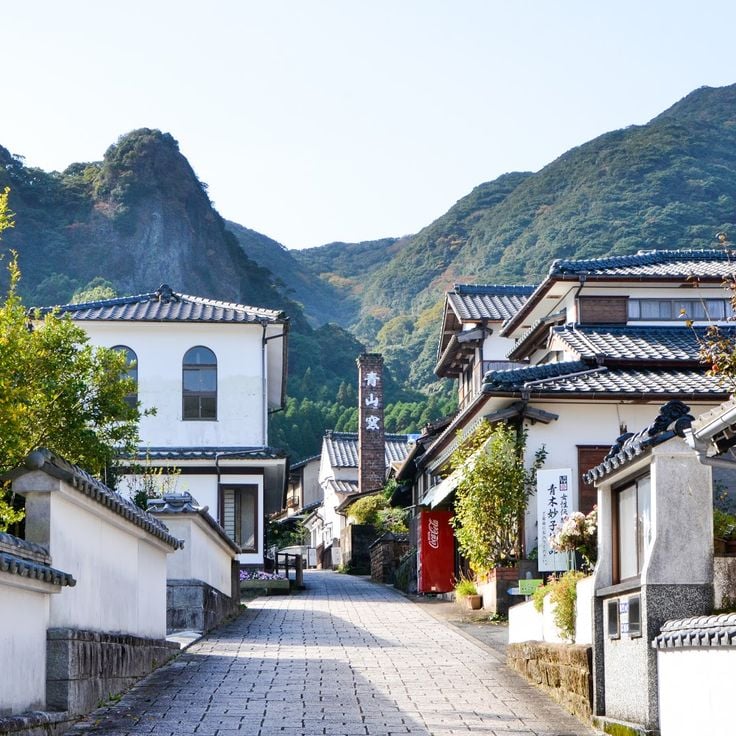
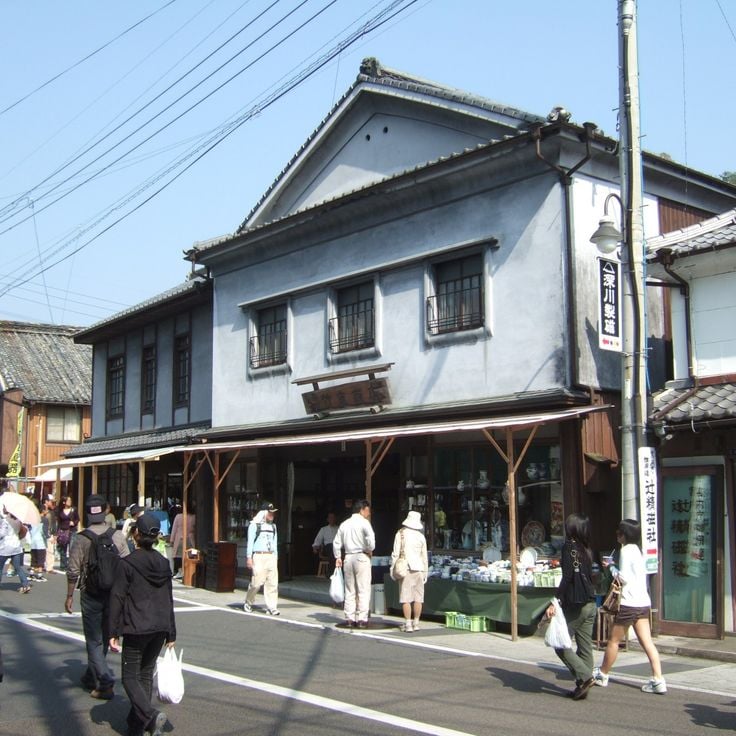
Okawachiyama is a pottery village in the Imari region that has produced high-quality Nabeshima ceramics since the 17th century. Potters here still work using traditional methods, employing patterns passed down through generations. You can walk through the village and watch artisans in their workshops shaping and decorating clay. The kilns fire delicate pieces that display characteristic white and blue coloring. This village keeps ancient craftsmanship alive as younger people learn skills from experienced masters.
In Inami, artisans have been creating fine wood carvings for centuries. The sculptors work in their workshops on detailed pieces and panels that decorate temples and traditional buildings. Walking through the village streets, you can see the workshops open to view, where carvers shape wood with chisels and saws. Knowledge passes from one generation to the next, and the techniques have changed very little. This village shows how craftsmanship remains alive in Japan.
Mashiko is a pottery village in Tochigi where potters have worked for generations using traditional methods shaped by Shoji Hamada. As you walk through the village, you see workshops everywhere, with artisans at their wheels shaping clay. The air smells of earth and wood smoke from the kilns. Many studios are small and open, so you can watch the potters work. The ceramics here are practical and beautiful, often with simple, organic shapes and natural glazes. Young people still learn the craft from their elders, keeping these skills alive. You hear the sound of tools and the hum of the wheels as you pass by.
Kasama is a city in Ibaraki Prefecture with over 250 pottery workshops scattered throughout its streets. Visitors can watch artisans shape clay into vessels and art pieces using techniques passed down through their families. The city's modern art museum regularly displays local ceramic works and helps people understand the skills involved in creating them. Many workshops welcome visitors, offering a chance to see potters at work and learn about the traditions that have shaped this community.
Takaoka has been a center for metalworking in Japan since 1611. Craftspeople here continue practices passed down through generations. They cast and shape bronze into bells, tea ceremony vessels, and decorative objects. Walking through the workshops, you see artisans using their skills to create both practical and beautiful items. The old techniques remain active and alive here. The town developed around this craft tradition, and it still shapes daily life there.
The Yoshino-Kumano region in Nara has a centuries-old tradition of woodworking. Craftspeople here shape cedar wood to make components for traditional temples and houses. The artisans use techniques passed down through many generations of families. Walking through the workshops, you can watch them work the wood by hand with simple tools. The craft remains active and woven into daily life in these mountain communities.
Wajima is a city in Ishikawa Prefecture known for its traditional lacquerware. Craftspeople here have been making wooden objects since the 14th century by applying dozens of layers of red and black resin. The process requires time and patience. In the workshops, you can watch artisans at work as they sand and polish surfaces until they become smooth and shiny. Bowls, trays, and other items are created this way. The city has changed little despite the transformations around it.
In the Sekishū region of Shimane Prefecture, papermakers craft sheets by hand using a method passed down over 1300 years. The artisans harvest mulberry bark, process it into fibers, and blend it with water using traditional techniques. The resulting paper is strong and shows natural variations that make each sheet distinct. Workshops here remain active, with experienced craftspeople teaching the next generation how to continue this practice.
Echizen in Fukui Prefecture is a place where papermakers have produced washi by hand for around 1500 years. They use fibers from plants that grow in the region and work the way their ancestors did. When you walk through the village, you see people scooping wet fibers, carefully spreading and drying them. The paper that results is thin yet strong. It is used for artwork, letters, and other things where people value beauty and durability.
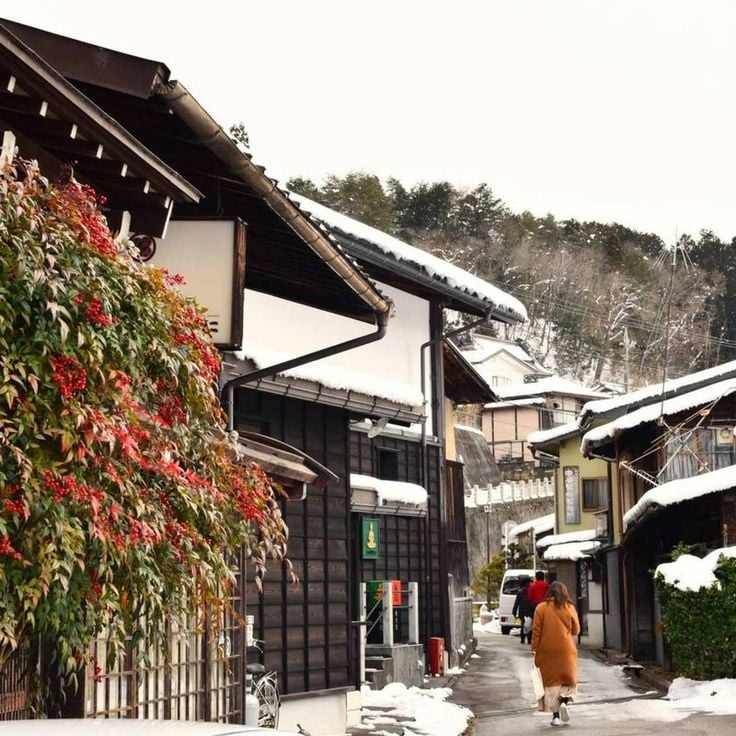
Hida Takayama is a center of Japanese woodworking, where artisans have created furniture and buildings from local wood for centuries. In this village, carpenters and woodworkers continue to use traditional methods and pass their knowledge to younger generations. You can walk through the workshops, hear the sound of tools, and watch the craftspeople apply intricate joinery techniques to create both functional and beautiful objects. The buildings themselves show the skill of these masters and are constructed to fit together without nails. As you stroll through, you see the patience and craftsmanship required to make something by hand.
Gujo Hachiman is a place where traditional Japanese dance comes alive. Every summer, people from across Japan gather here to dance and celebrate together. The odori dances have been practiced in this town for generations, and the traditions are passed down just like the crafts in other villages. When you visit, you will hear the music, watch the dancers move, and feel how this cultural practice remains active today.
Koishiwara is a village in Fukuoka Prefecture where potters have made ceramic objects using traditional techniques since the 17th century. In this place, artisans still work in their studios, shaping clay by hand to create both practical and beautiful pieces. Visitors can walk through the workshops and watch the craftspeople at work. The village has remained much the same despite the changes around it.
Arita is a village in Saga Prefecture that centers on porcelain making. Since 1616, artisans here have crafted fine white and blue porcelain pieces. In the workshops, visitors can watch how artists shape clay, paint designs, and fire pieces in large kilns. The techniques used in this village have been passed down through generations of craftspeople. Arita became the primary center of Japanese porcelain production, and the work continues today using traditional methods.
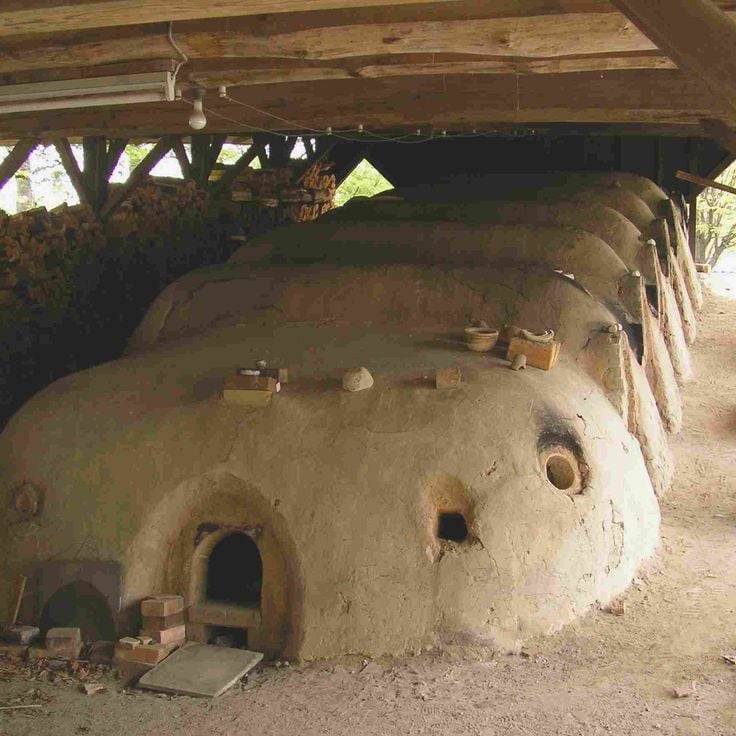
This pottery village in Okayama has a long history dating back to the 6th century. Potters here create ceramics without glaze, relying on natural coloring from iron oxide to give each piece its distinctive appearance. As you walk through the village, you'll see workshops where artisans still work using traditional methods passed down through generations. The kilns have been burning for centuries, and the techniques remain largely unchanged. The village feels like a living place of work rather than a frozen historical site.
The village of Ogimachi in Shirakawa-go is a place where silk weavers still transform raw fibers using looms that work according to traditional methods. In the traditional farmhouses with their steep thatched roofs, people continue to make silk and pass their skills to younger generations. You can watch this craft as it has been practiced for hundreds of years, hearing the sound of looms and catching the scent of natural materials.
Okawachiyama is a pottery village in the Imari region that has produced high-quality Nabeshima ceramics since the 17th century. Potters here still work using traditional methods, employing patterns passed down through generations. You can walk through the village and watch artisans in their workshops shaping and decorating clay. The kilns fire delicate pieces that display characteristic white and blue coloring. This village keeps ancient craftsmanship alive as younger people learn skills from experienced masters.
In Inami, artisans have been creating fine wood carvings for centuries. The sculptors work in their workshops on detailed pieces and panels that decorate temples and traditional buildings. Walking through the village streets, you can see the workshops open to view, where carvers shape wood with chisels and saws. Knowledge passes from one generation to the next, and the techniques have changed very little. This village shows how craftsmanship remains alive in Japan.
Mashiko is a pottery village in Tochigi where potters have worked for generations using traditional methods shaped by Shoji Hamada. As you walk through the village, you see workshops everywhere, with artisans at their wheels shaping clay. The air smells of earth and wood smoke from the kilns. Many studios are small and open, so you can watch the potters work. The ceramics here are practical and beautiful, often with simple, organic shapes and natural glazes. Young people still learn the craft from their elders, keeping these skills alive. You hear the sound of tools and the hum of the wheels as you pass by.
Kasama is a city in Ibaraki Prefecture with over 250 pottery workshops scattered throughout its streets. Visitors can watch artisans shape clay into vessels and art pieces using techniques passed down through their families. The city's modern art museum regularly displays local ceramic works and helps people understand the skills involved in creating them. Many workshops welcome visitors, offering a chance to see potters at work and learn about the traditions that have shaped this community.
Takaoka has been a center for metalworking in Japan since 1611. Craftspeople here continue practices passed down through generations. They cast and shape bronze into bells, tea ceremony vessels, and decorative objects. Walking through the workshops, you see artisans using their skills to create both practical and beautiful items. The old techniques remain active and alive here. The town developed around this craft tradition, and it still shapes daily life there.
The Yoshino-Kumano region in Nara has a centuries-old tradition of woodworking. Craftspeople here shape cedar wood to make components for traditional temples and houses. The artisans use techniques passed down through many generations of families. Walking through the workshops, you can watch them work the wood by hand with simple tools. The craft remains active and woven into daily life in these mountain communities.
Wajima is a city in Ishikawa Prefecture known for its traditional lacquerware. Craftspeople here have been making wooden objects since the 14th century by applying dozens of layers of red and black resin. The process requires time and patience. In the workshops, you can watch artisans at work as they sand and polish surfaces until they become smooth and shiny. Bowls, trays, and other items are created this way. The city has changed little despite the transformations around it.
In the Sekishū region of Shimane Prefecture, papermakers craft sheets by hand using a method passed down over 1300 years. The artisans harvest mulberry bark, process it into fibers, and blend it with water using traditional techniques. The resulting paper is strong and shows natural variations that make each sheet distinct. Workshops here remain active, with experienced craftspeople teaching the next generation how to continue this practice.
Echizen in Fukui Prefecture is a place where papermakers have produced washi by hand for around 1500 years. They use fibers from plants that grow in the region and work the way their ancestors did. When you walk through the village, you see people scooping wet fibers, carefully spreading and drying them. The paper that results is thin yet strong. It is used for artwork, letters, and other things where people value beauty and durability.
Hida Takayama is a center of Japanese woodworking, where artisans have created furniture and buildings from local wood for centuries. In this village, carpenters and woodworkers continue to use traditional methods and pass their knowledge to younger generations. You can walk through the workshops, hear the sound of tools, and watch the craftspeople apply intricate joinery techniques to create both functional and beautiful objects. The buildings themselves show the skill of these masters and are constructed to fit together without nails. As you stroll through, you see the patience and craftsmanship required to make something by hand.
Gujo Hachiman is a place where traditional Japanese dance comes alive. Every summer, people from across Japan gather here to dance and celebrate together. The odori dances have been practiced in this town for generations, and the traditions are passed down just like the crafts in other villages. When you visit, you will hear the music, watch the dancers move, and feel how this cultural practice remains active today.
Koishiwara is a village in Fukuoka Prefecture where potters have made ceramic objects using traditional techniques since the 17th century. In this place, artisans still work in their studios, shaping clay by hand to create both practical and beautiful pieces. Visitors can walk through the workshops and watch the craftspeople at work. The village has remained much the same despite the changes around it.
Arita is a village in Saga Prefecture that centers on porcelain making. Since 1616, artisans here have crafted fine white and blue porcelain pieces. In the workshops, visitors can watch how artists shape clay, paint designs, and fire pieces in large kilns. The techniques used in this village have been passed down through generations of craftspeople. Arita became the primary center of Japanese porcelain production, and the work continues today using traditional methods.
This pottery village in Okayama has a long history dating back to the 6th century. Potters here create ceramics without glaze, relying on natural coloring from iron oxide to give each piece its distinctive appearance. As you walk through the village, you'll see workshops where artisans still work using traditional methods passed down through generations. The kilns have been burning for centuries, and the techniques remain largely unchanged. The village feels like a living place of work rather than a frozen historical site.
The village of Ogimachi in Shirakawa-go is a place where silk weavers still transform raw fibers using looms that work according to traditional methods. In the traditional farmhouses with their steep thatched roofs, people continue to make silk and pass their skills to younger generations. You can watch this craft as it has been practiced for hundreds of years, hearing the sound of looms and catching the scent of natural materials.
Okawachiyama is a pottery village in the Imari region that has produced high-quality Nabeshima ceramics since the 17th century. Potters here still work using traditional methods, employing patterns passed down through generations. You can walk through the village and watch artisans in their workshops shaping and decorating clay. The kilns fire delicate pieces that display characteristic white and blue coloring. This village keeps ancient craftsmanship alive as younger people learn skills from experienced masters.
In Inami, artisans have been creating fine wood carvings for centuries. The sculptors work in their workshops on detailed pieces and panels that decorate temples and traditional buildings. Walking through the village streets, you can see the workshops open to view, where carvers shape wood with chisels and saws. Knowledge passes from one generation to the next, and the techniques have changed very little. This village shows how craftsmanship remains alive in Japan.
Mashiko is a pottery village in Tochigi where potters have worked for generations using traditional methods shaped by Shoji Hamada. As you walk through the village, you see workshops everywhere, with artisans at their wheels shaping clay. The air smells of earth and wood smoke from the kilns. Many studios are small and open, so you can watch the potters work. The ceramics here are practical and beautiful, often with simple, organic shapes and natural glazes. Young people still learn the craft from their elders, keeping these skills alive. You hear the sound of tools and the hum of the wheels as you pass by.
Kasama is a city in Ibaraki Prefecture with over 250 pottery workshops scattered throughout its streets. Visitors can watch artisans shape clay into vessels and art pieces using techniques passed down through their families. The city's modern art museum regularly displays local ceramic works and helps people understand the skills involved in creating them. Many workshops welcome visitors, offering a chance to see potters at work and learn about the traditions that have shaped this community.
Takaoka has been a center for metalworking in Japan since 1611. Craftspeople here continue practices passed down through generations. They cast and shape bronze into bells, tea ceremony vessels, and decorative objects. Walking through the workshops, you see artisans using their skills to create both practical and beautiful items. The old techniques remain active and alive here. The town developed around this craft tradition, and it still shapes daily life there.
The Yoshino-Kumano region in Nara has a centuries-old tradition of woodworking. Craftspeople here shape cedar wood to make components for traditional temples and houses. The artisans use techniques passed down through many generations of families. Walking through the workshops, you can watch them work the wood by hand with simple tools. The craft remains active and woven into daily life in these mountain communities.
Wajima is a city in Ishikawa Prefecture known for its traditional lacquerware. Craftspeople here have been making wooden objects since the 14th century by applying dozens of layers of red and black resin. The process requires time and patience. In the workshops, you can watch artisans at work as they sand and polish surfaces until they become smooth and shiny. Bowls, trays, and other items are created this way. The city has changed little despite the transformations around it.
In the Sekishū region of Shimane Prefecture, papermakers craft sheets by hand using a method passed down over 1300 years. The artisans harvest mulberry bark, process it into fibers, and blend it with water using traditional techniques. The resulting paper is strong and shows natural variations that make each sheet distinct. Workshops here remain active, with experienced craftspeople teaching the next generation how to continue this practice.
Echizen in Fukui Prefecture is a place where papermakers have produced washi by hand for around 1500 years. They use fibers from plants that grow in the region and work the way their ancestors did. When you walk through the village, you see people scooping wet fibers, carefully spreading and drying them. The paper that results is thin yet strong. It is used for artwork, letters, and other things where people value beauty and durability.
Hida Takayama is a center of Japanese woodworking, where artisans have created furniture and buildings from local wood for centuries. In this village, carpenters and woodworkers continue to use traditional methods and pass their knowledge to younger generations. You can walk through the workshops, hear the sound of tools, and watch the craftspeople apply intricate joinery techniques to create both functional and beautiful objects. The buildings themselves show the skill of these masters and are constructed to fit together without nails. As you stroll through, you see the patience and craftsmanship required to make something by hand.
Gujo Hachiman is a place where traditional Japanese dance comes alive. Every summer, people from across Japan gather here to dance and celebrate together. The odori dances have been practiced in this town for generations, and the traditions are passed down just like the crafts in other villages. When you visit, you will hear the music, watch the dancers move, and feel how this cultural practice remains active today.
Koishiwara is a village in Fukuoka Prefecture where potters have made ceramic objects using traditional techniques since the 17th century. In this place, artisans still work in their studios, shaping clay by hand to create both practical and beautiful pieces. Visitors can walk through the workshops and watch the craftspeople at work. The village has remained much the same despite the changes around it.
Arita is a village in Saga Prefecture that centers on porcelain making. Since 1616, artisans here have crafted fine white and blue porcelain pieces. In the workshops, visitors can watch how artists shape clay, paint designs, and fire pieces in large kilns. The techniques used in this village have been passed down through generations of craftspeople. Arita became the primary center of Japanese porcelain production, and the work continues today using traditional methods.
This pottery village in Okayama has a long history dating back to the 6th century. Potters here create ceramics without glaze, relying on natural coloring from iron oxide to give each piece its distinctive appearance. As you walk through the village, you'll see workshops where artisans still work using traditional methods passed down through generations. The kilns have been burning for centuries, and the techniques remain largely unchanged. The village feels like a living place of work rather than a frozen historical site.