See the monuments around you in AROpen chests in the app
Around Us is built for your phone — point your camera at the streets and discover the monuments and places around you in augmented reality.Around Us is built for your phone — chests unlock when you walk, explore and capture nearby places.
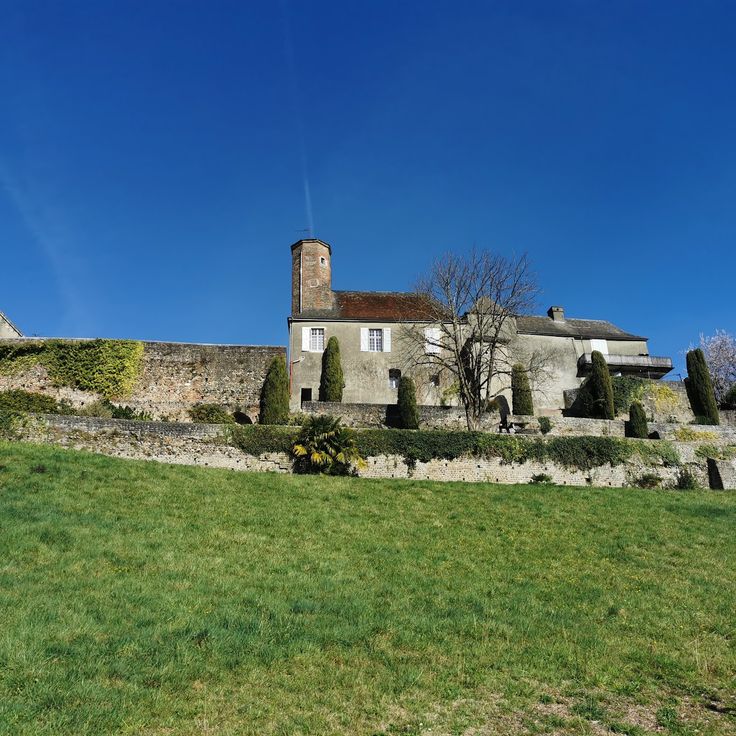
Pau, the historic capital of Béarn, preserves notable traces of its royal past. The 14th-century castle, birthplace of Henry IV, overlooks the city and stands as the centerpiece of the local heritage. The Boulevard des Pyrénées offers views of the mountain range and connects several landmarks.
The city maintains several museums, including the Musée des Beaux-Arts and the Musée Bernadotte, housed in the French marshal's birthplace. Religious buildings such as the Saint-Martin and Saint-Jacques churches, along with the historic Parlement de Navarre, document urban development over the centuries. The funicular railway, opened in 1908, links the upper town with the railway station district.
Pau also features sports and recreational facilities including the racecourse, the Circuit Pau Arnos, and the national stud farm in the adjacent commune of Gelos. Parc Beaumont and the Forêt de Bastard provide green spaces within the city limits. In Lescar, a few miles away, a medieval settlement maintains its own historical character.
Pau, the historic capital of Béarn, preserves notable traces of its royal past. The 14th-century castle, birthplace of Henry IV, overlooks the city and stands as the centerpiece of the local heritage. The Boulevard des Pyrénées offers views of the mountain range and connects several landmarks.
The city maintains several museums, including the Musée des Beaux-Arts and the Musée Bernadotte, housed in the French marshal's birthplace. Religious buildings such as the Saint-Martin and Saint-Jacques churches, along with the historic Parlement de Navarre, document urban development over the centuries. The funicular railway, opened in 1908, links the upper town with the railway station district.
Pau also features sports and recreational facilities including the racecourse, the Circuit Pau Arnos, and the national stud farm in the adjacent commune of Gelos. Parc Beaumont and the Forêt de Bastard provide green spaces within the city limits. In Lescar, a few miles away, a medieval settlement maintains its own historical character.
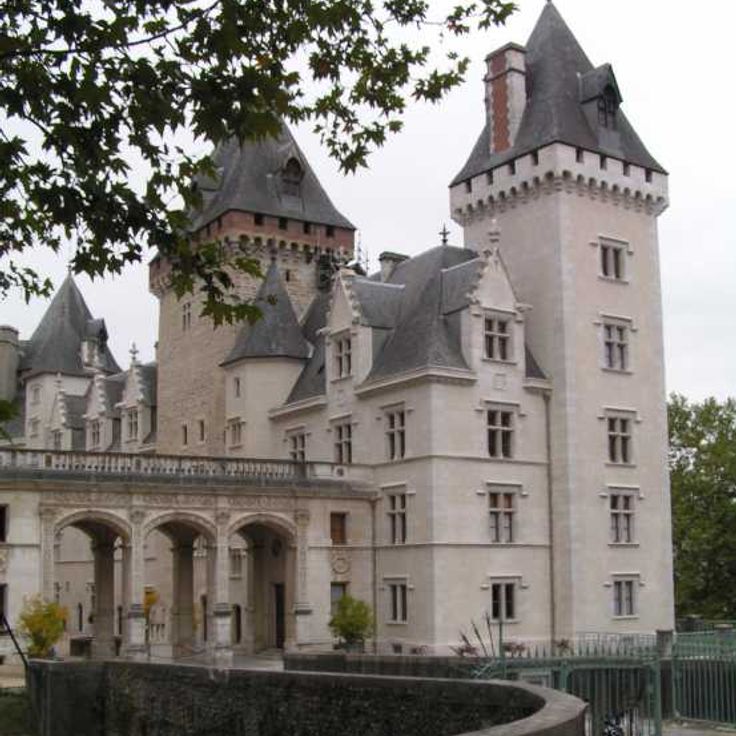
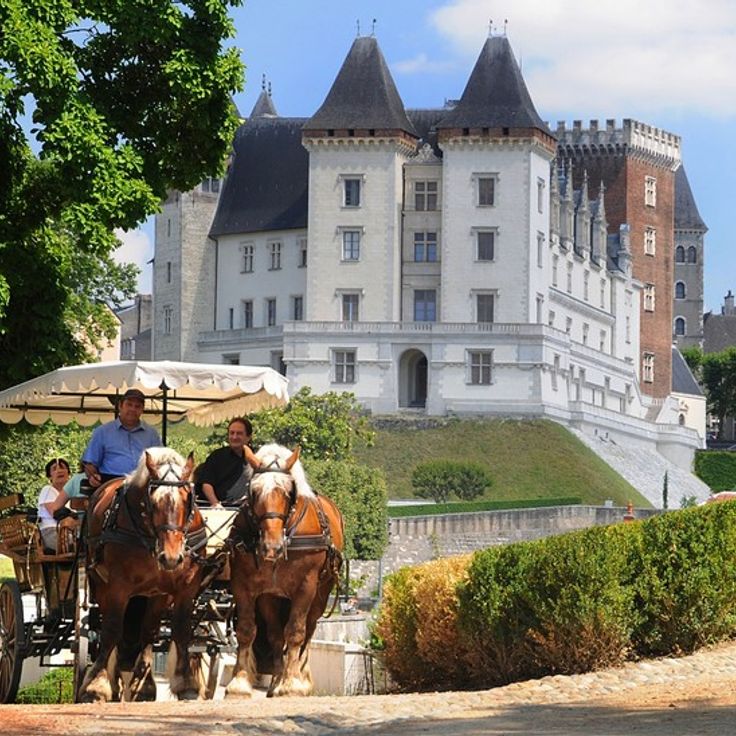
The Château de Pau served as the residence of the Kings of Navarre during the Middle Ages before its transformation into a royal palace. The interior houses extensive collections of tapestries and period furniture that provide insight into courtly life across several centuries. As the birthplace of Henry IV, the structure links regional history with French royal heritage and demonstrates the architectural evolution from medieval fortress to ceremonial palace.
This boulevard extends roughly 1.2 miles (2 kilometers) from the castle to the Palais Beaumont and offers direct views of the Pyrenees range. The promenade connects the city's main historical buildings and allows visitors to take in the entire mountain panorama.
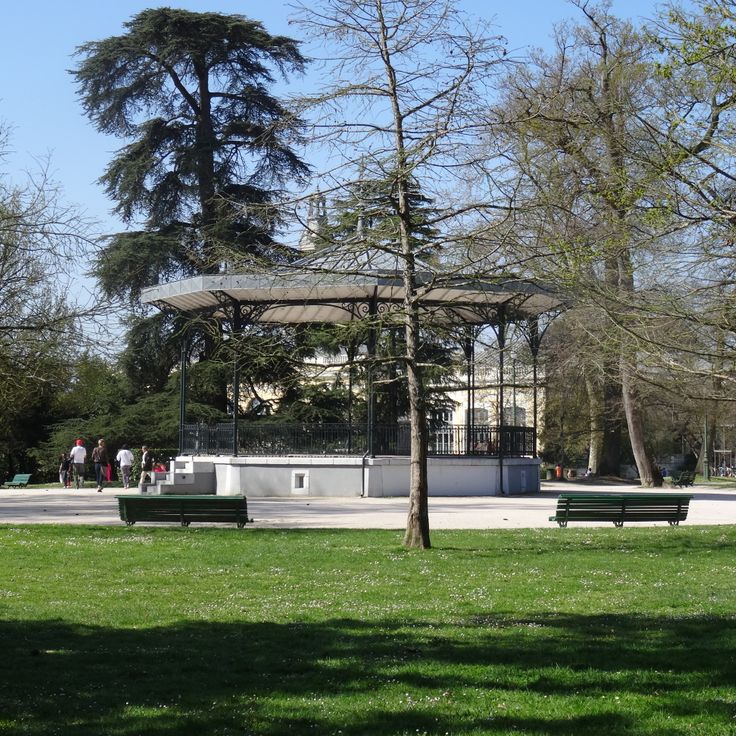
Parc Beaumont is a 19th-century public park in central Pau. The grounds include maintained walking paths, a bandstand, a children's playground, the municipal casino, a palm house and an artificial lake. The park combines historical garden design with recreational facilities and serves as an important green space for residents and visitors to the city.
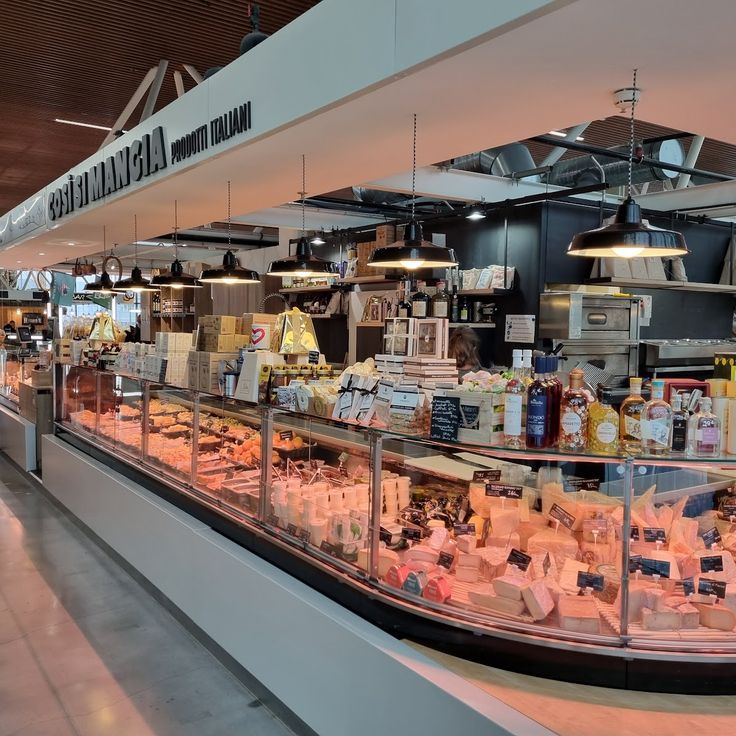
This market hall in downtown Pau houses a permanent food market with stalls selling local products and several restaurants specializing in regional cuisine. The hall provides residents and visitors with a place to purchase fresh produce from the surrounding area and experience the culinary traditions of the region.
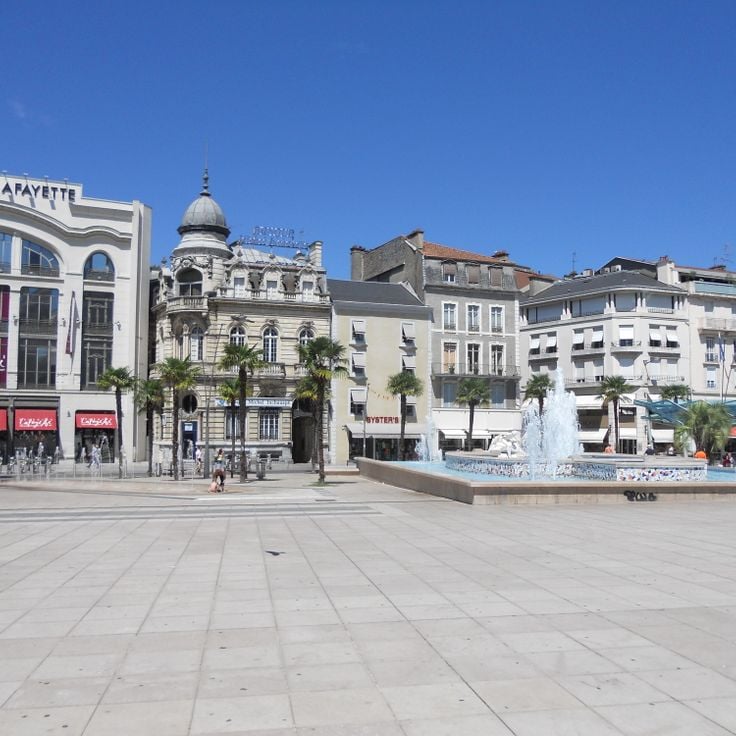
This central square has served as Pau's main public gathering space since the 19th century. The surrounding buildings date from that era and house shops in ground-floor arcades. A monumental fountain anchors the square, named after French statesman Georges Clemenceau. The pedestrian area connects historic districts and lies near the château.
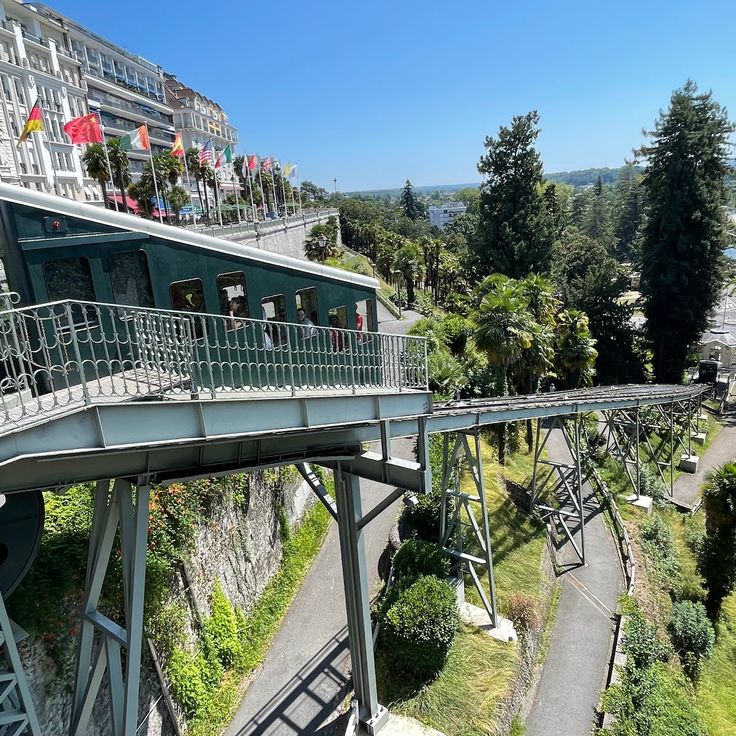
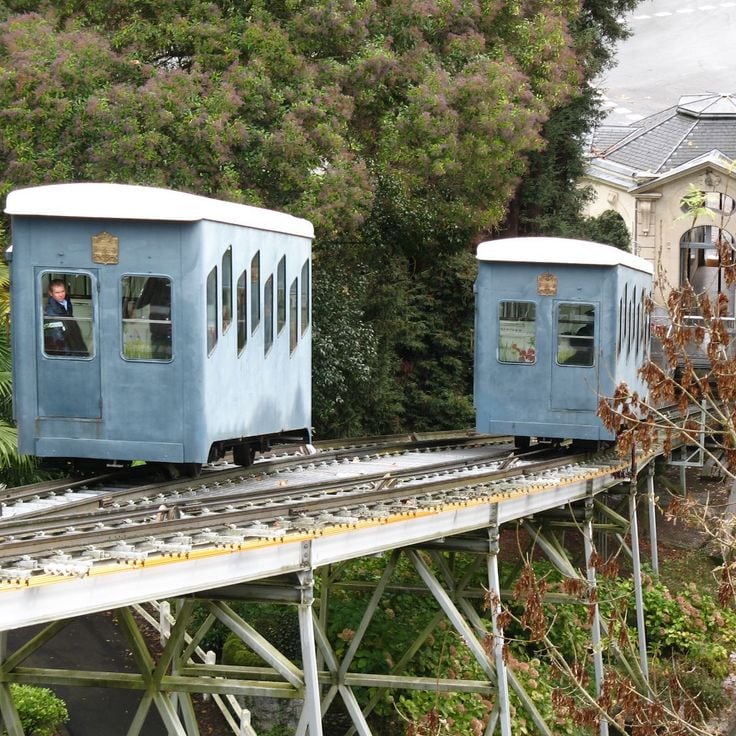
This funicular railway has connected the train station to Place Royale since 1908, climbing 98 feet (30 meters) over a distance of 328 feet (100 meters). The public transit link continues to serve a practical role for residents and visitors moving between the lower and upper parts of town.
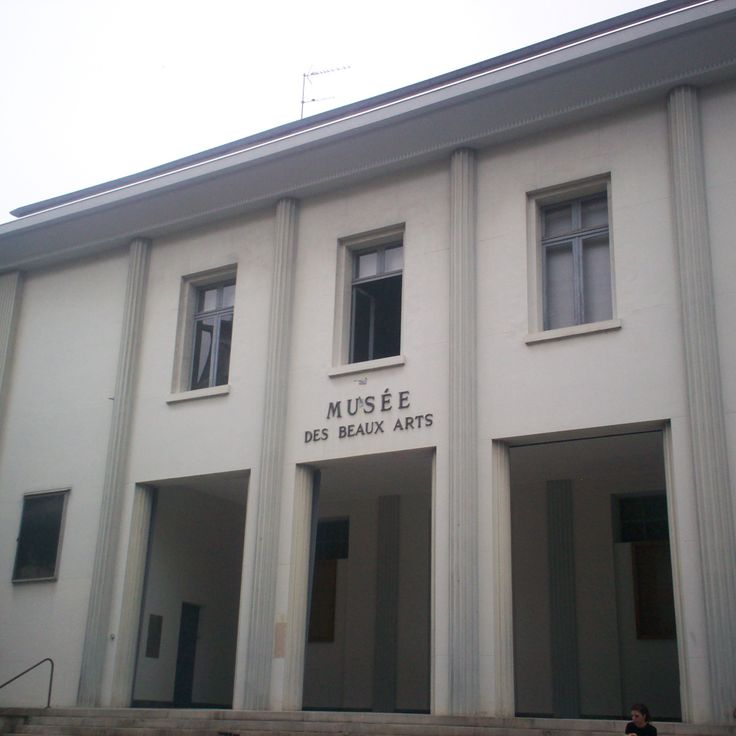
The Musée des Beaux-Arts in Pau occupies a private mansion and displays European paintings, sculptures and decorative objects from the 14th to the 19th centuries. The collections include French, Italian, Spanish and Dutch works, with paintings by El Greco, Rubens and Degas among others. The museum also presents regional art from the Pyrenees and hosts temporary exhibitions on European art history.
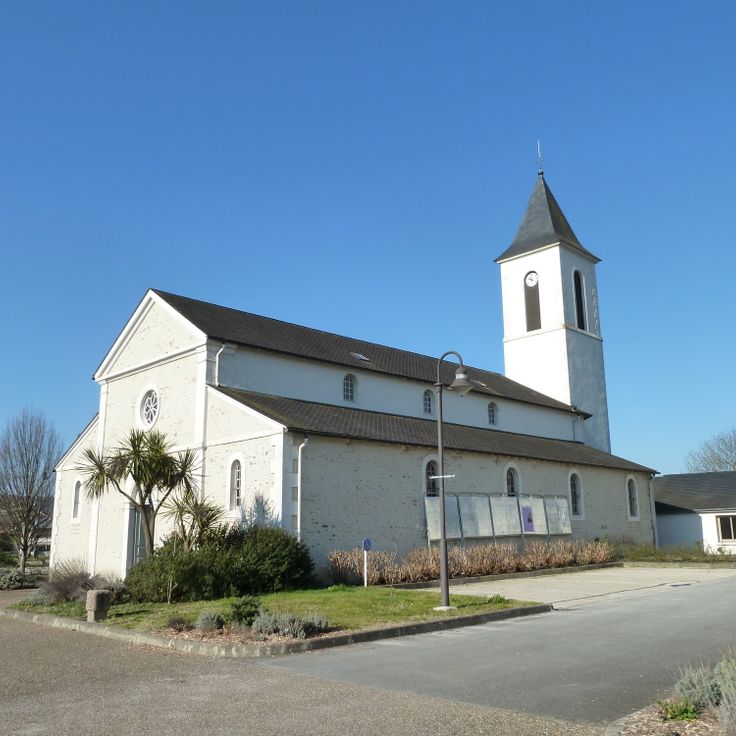
The Church of Saint-Martin is a religious building dating from the 13th century, reconstructed in 1871 in neo-Gothic style. The structure features stained glass windows and a bell tower rising 177 feet (54 meters) above the city. Located in the historic center of Pau, the church reflects the architectural evolution of the city during the 19th century.
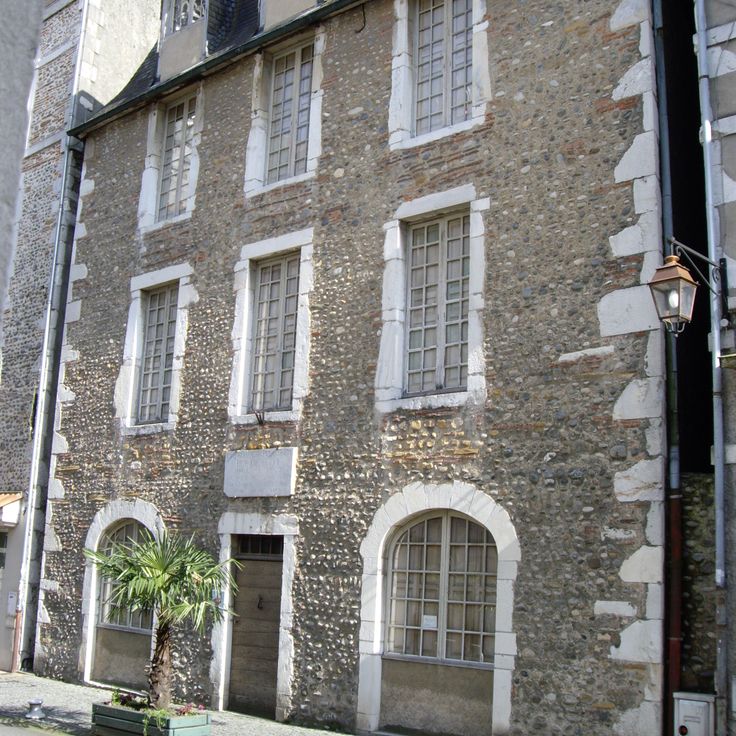
This 18th-century townhouse marks the birthplace of Jean-Baptiste Bernadotte in 1763, who rose to become a Marshal of the French Empire before ascending to the throne as King of Sweden and Norway. The museum traces his progression from lawyer's son in Pau to founder of Sweden's current ruling dynasty. Displays include personal belongings, military decorations and documents that chronicle his transformation from revolutionary soldier to European monarch. The building preserves the character of a middle-class residence from the pre-Revolutionary period.
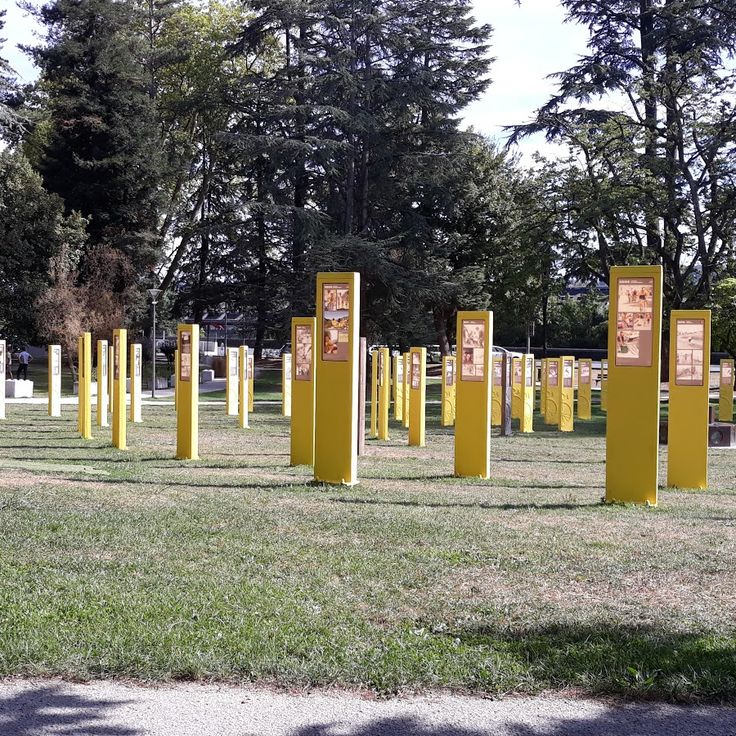
This commemorative structure in the Bois Louis displays the names of all Tour de France winners. The monument provides visitors with an overview of the history of cycling's most important race and honors the achievements of riders who have claimed overall victory since the first edition in 1903. The location in the city forest connects sports history with a recreational area.
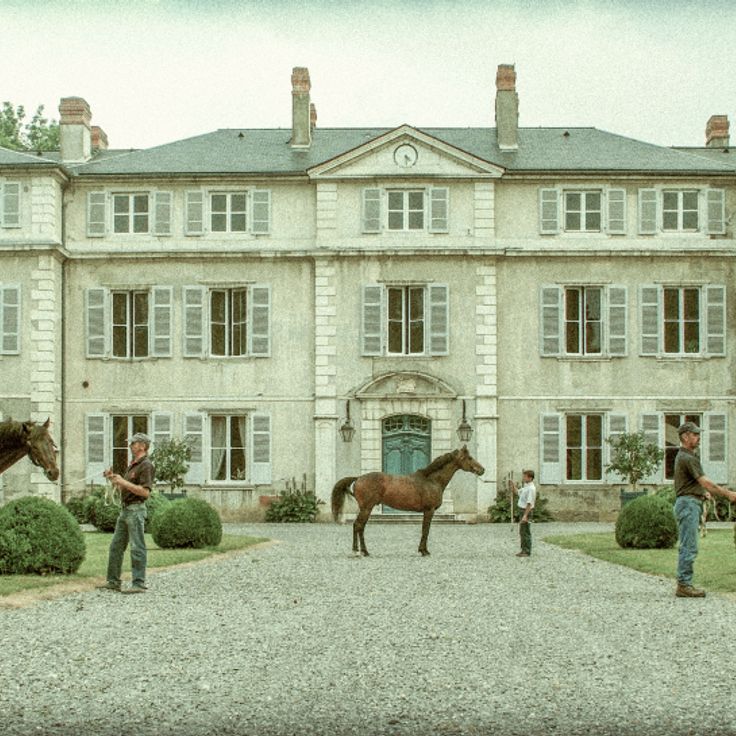
The Haras National is a national stud farm in Gelos, established in 1808 across 13 hectares (32 acres). The facility preserves historic stables from the early 19th century, a tack room with traditional equipment, and several training grounds for horses. The stud farm played an important role in the development of horse breeding in southwestern France and documents the region's long tradition in equitation. Today, visitors can explore the architecture and history of French horse breeding.
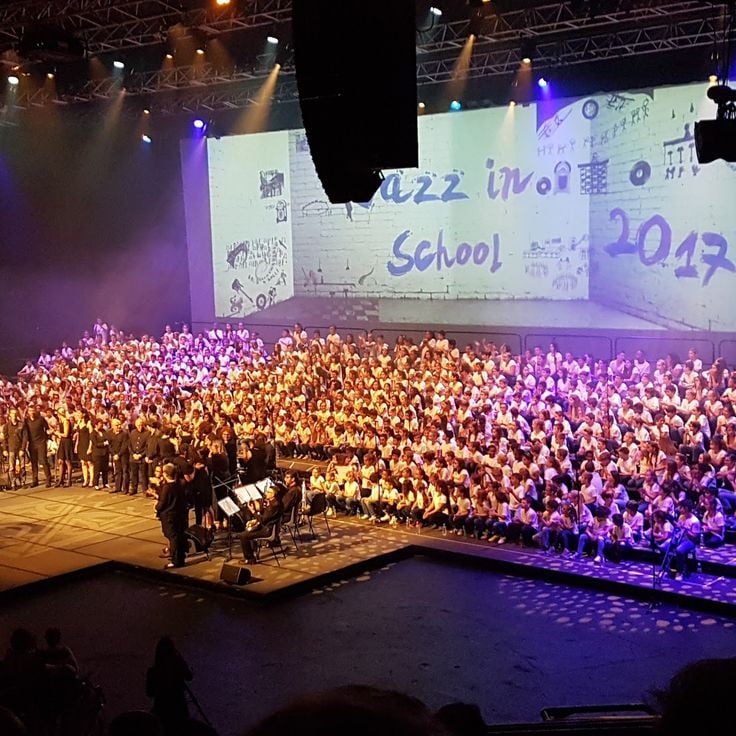
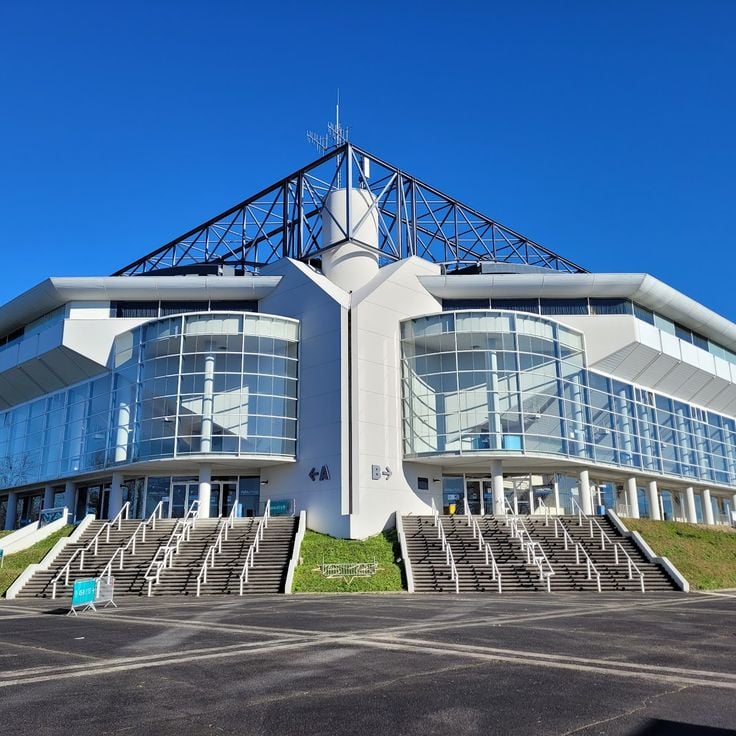
The Zénith in Pau is a concert and performance venue located in the northern district of the city. The hall accommodates around 4,500 spectators and expands the cultural offerings of a town historically defined by its royal heritage and historic monuments. The Zénith hosts national and international artists across various musical genres as well as theatrical productions. Its modern architecture contrasts with the historic buildings of the city center, such as the castle and Palais Beaumont, reflecting the cultural development of Pau through the 20th and 21st centuries.
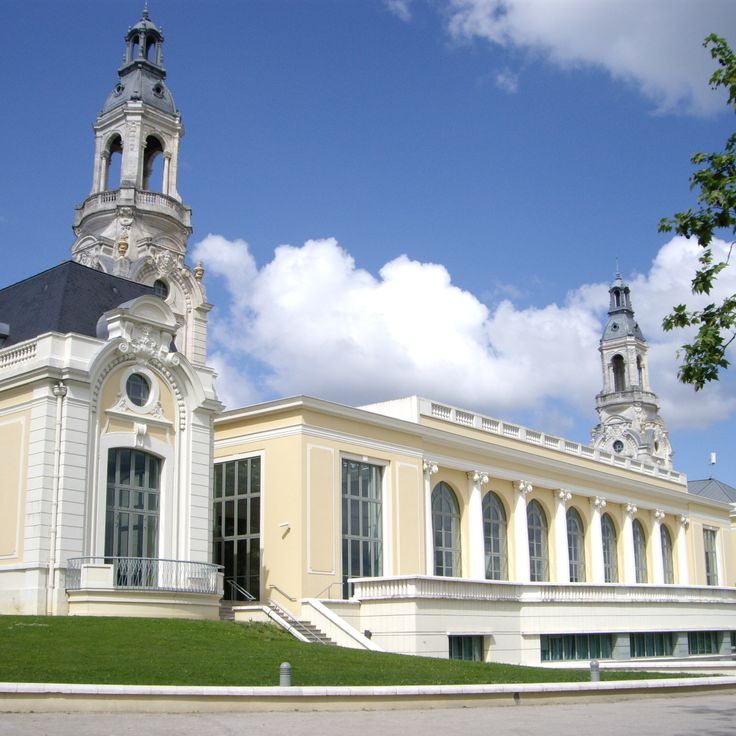
The Palais Beaumont was built in 1900 as a casino and now serves as a convention center. The building houses the La Belle Époque restaurant, a reception hall, and is surrounded by gardens. The turn-of-the-century architecture displays characteristic elements of that period and fits into Pau's historic urban landscape.
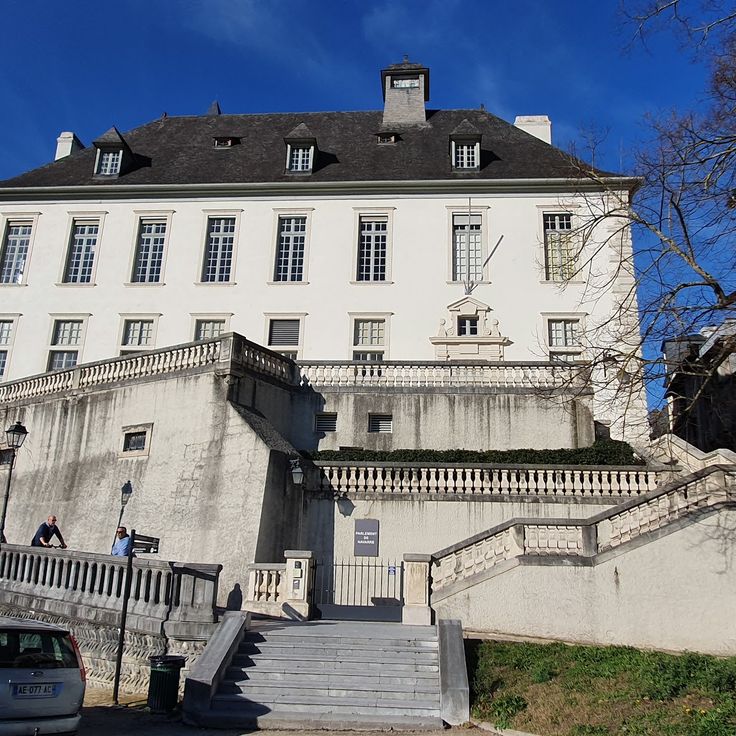
The Parlement de Navarre is a 16th-century administrative building that once served as the seat of Béarn's court of justice, featuring a neoclassical facade and an interior courtyard. This structure reflects Pau's royal past and complements the city's historic monuments including the château and other significant buildings from various periods.
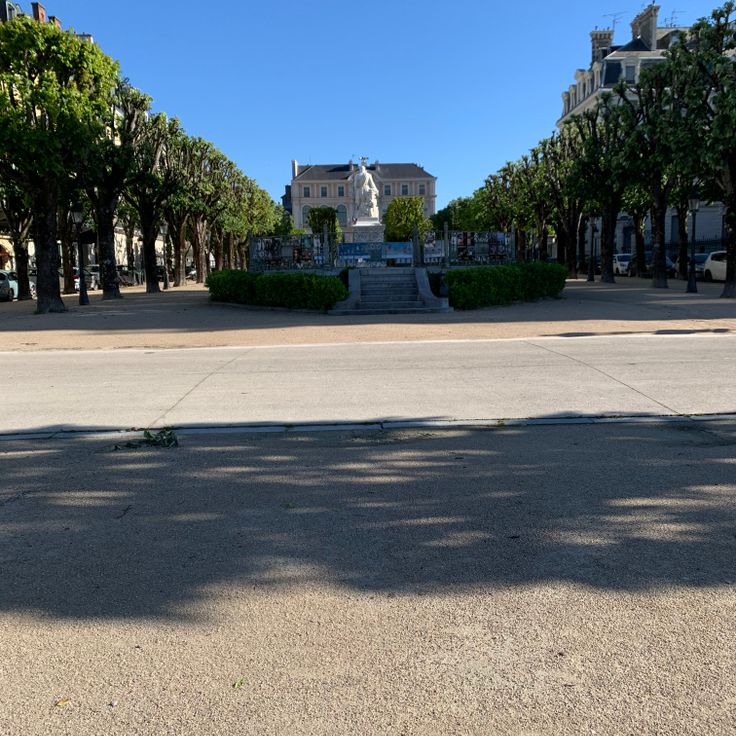
Place Royale sits in central Pau and connects the upper town to the railway district via a funicular inaugurated in 1908. This rectangular square is lined with hotels and residential buildings from the 19th century, constructed during Pau's development as a resort for European aristocracy. From here, views extend south toward the Pyrenees range, visible on clear days from Pic du Midi to Pic d'Anie.
The medieval town of Lescar stands on a hill roughly 5 miles (8 kilometers) northwest of Pau, preserving remains dating to the 10th century. The 12th-century Romanesque cathedral of Notre-Dame forms the architectural centerpiece, featuring a mosaic floor and royal tombs of Navarre. Sections of the original fortifications still mark the course of the former town walls. The elevated position provided strategic protection and control over the surrounding plain.
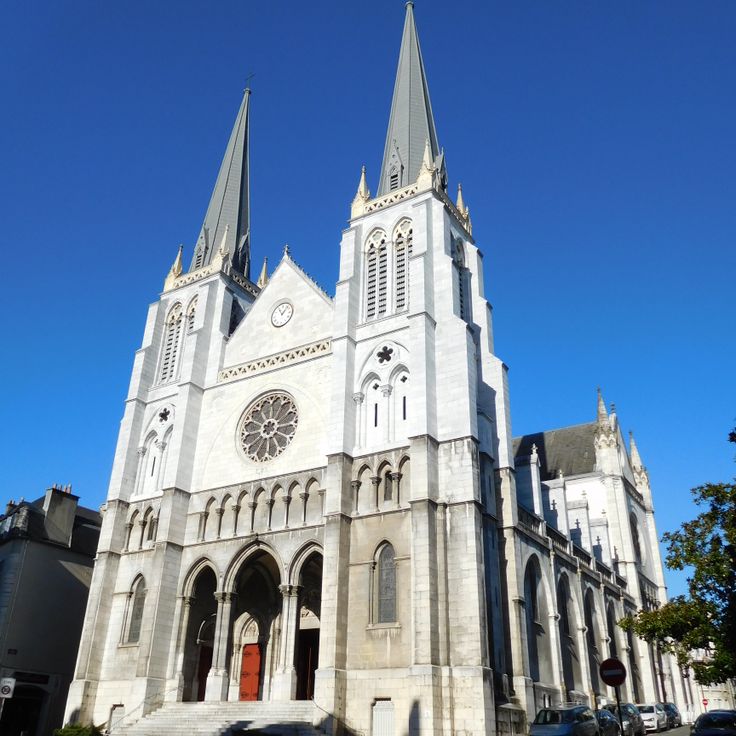
Saint-Jacques Church was built in the 19th century in the neogothic style and features a five-bay nave, colored stained glass windows and a Cavaillé-Coll organ that illustrates the craftsmanship of religious buildings in Pau.
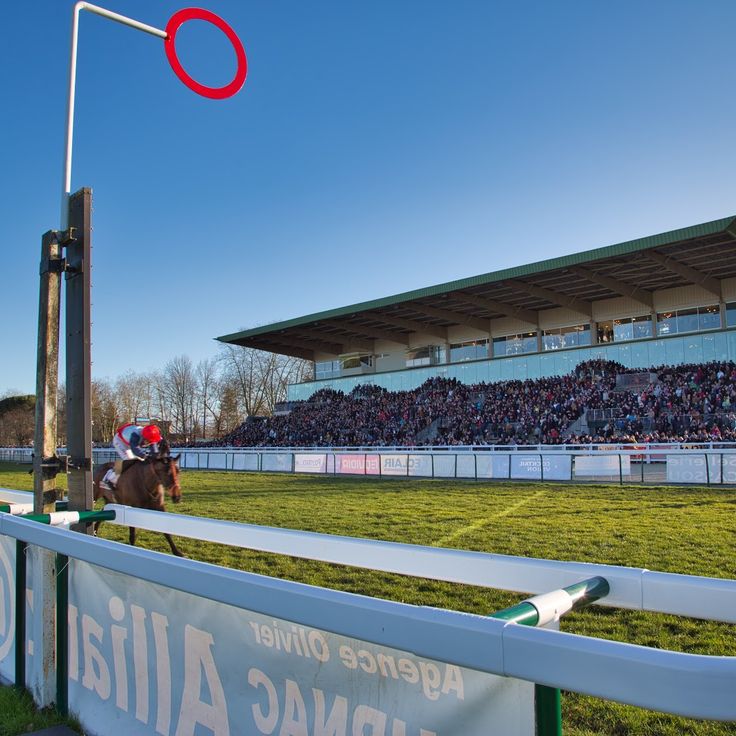
The Hippodrome de Pau was established in 1842 and ranks among the city's traditional equestrian facilities. The complex features a 2,100-foot (640-meter) sand track, stables and training areas for thoroughbred racing. Located on the southern edge of the city, the racecourse has been a fixture of local sporting culture since its founding. The facility hosts regular horse races and draws visitors from across the region.
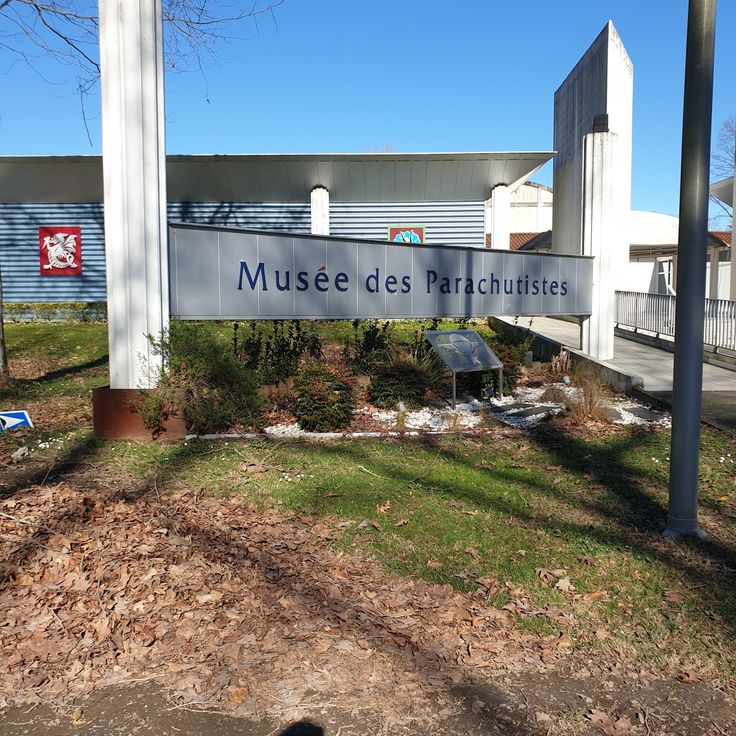
This memorial was inaugurated in 1962 to honor French paratroopers who died in service. The monument includes a stele and commemorative plaques that pay tribute to these soldiers in Pau, a city with longstanding connections to military aviation.
This museum in Pau documents the history of the French Resistance and deportation during World War II. The collection includes documents, personal items and testimonies that illuminate life in the Pyrénées-Atlantiques between 1939 and 1945. The exhibition covers the occupation period, resistance against the Vichy regime and persecution of the Jewish population. The museum sits in central Pau and offers insight into the local history of these years.
The Office de Tourisme Pau Pyrénées provides visitors with information about the city and its landmarks. This municipal facility offers brochures, answers questions about accommodations and events, and organizes guided tours of Pau. The tourist office serves as a starting point for travelers seeking to learn about the city's royal history, the château, the Boulevard des Pyrénées, and other monuments throughout the area.
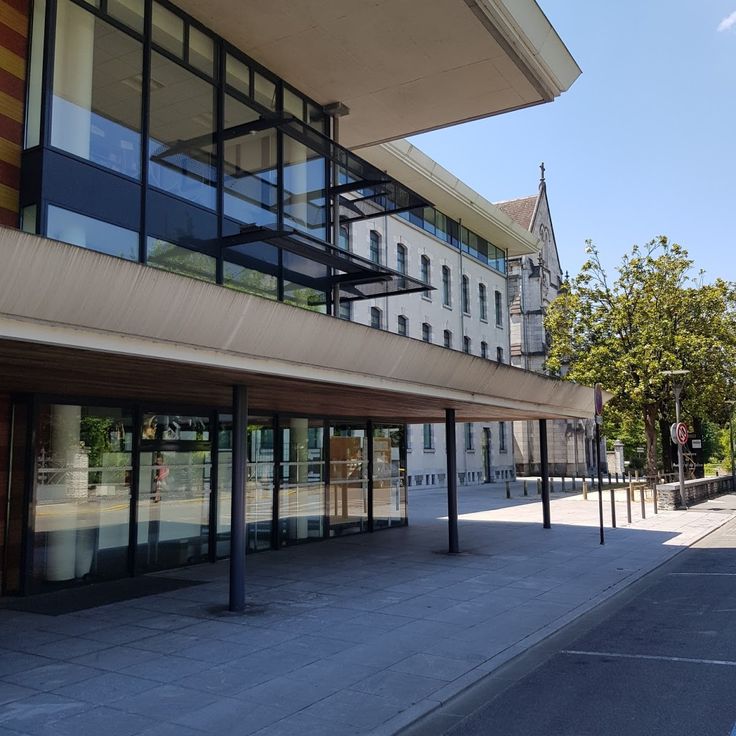
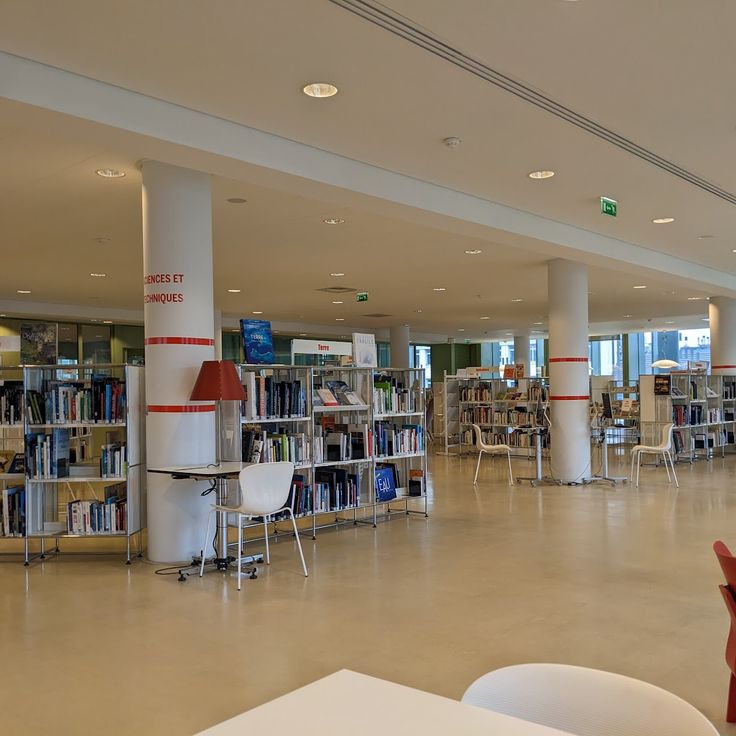
The Médiathèque André Labarrère spans six floors on Place Marguerite Laborde and houses extensive collections of books, films and music recordings along with multiple reading spaces. This municipal cultural facility, named after the former mayor, serves as a central resource for education and culture in the city, complementing the historic monuments of Pau with contemporary library architecture.
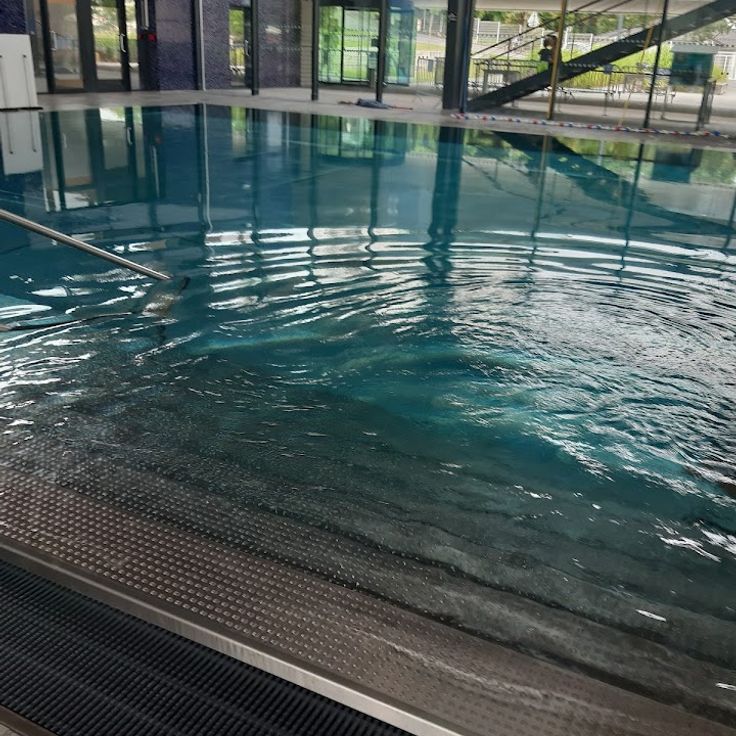
The Stade Nautique features three swimming pools, a wellness area and aquatic activities for all age groups. This municipal facility complements Pau's sports infrastructure, which includes the hippodrome and motor racing circuit. The pools serve training, recreation and public swimming. The complex stands apart from the city's historical monuments, such as the fourteenth-century castle and the Boulevard des Pyrénées.
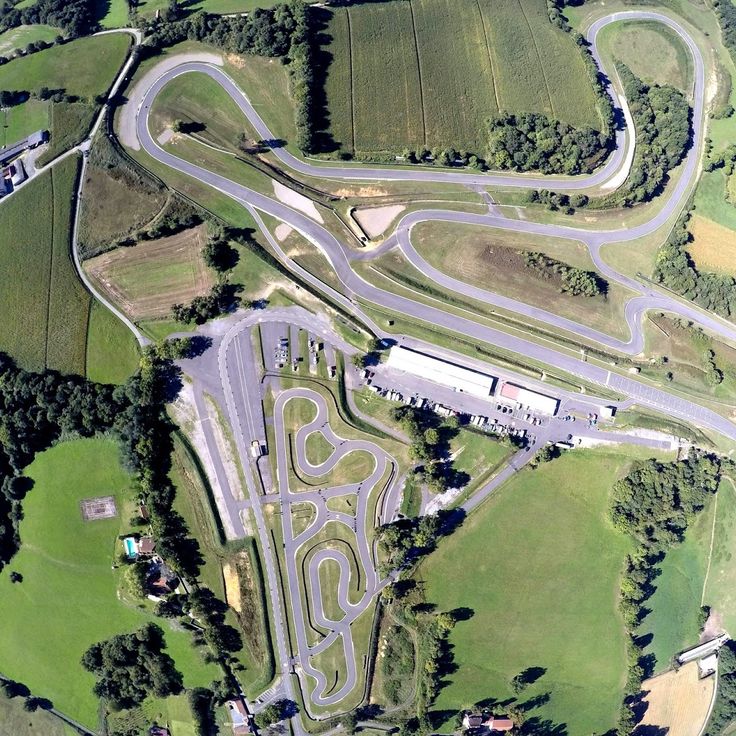
The Circuit Pau Arnos is a 1.9-mile (3-kilometer) racing track for motorsports near the city. The facility operates a racing school and hosts regular competitions. The circuit complements Pau's motorsport heritage, which includes the historic street course in the city center.
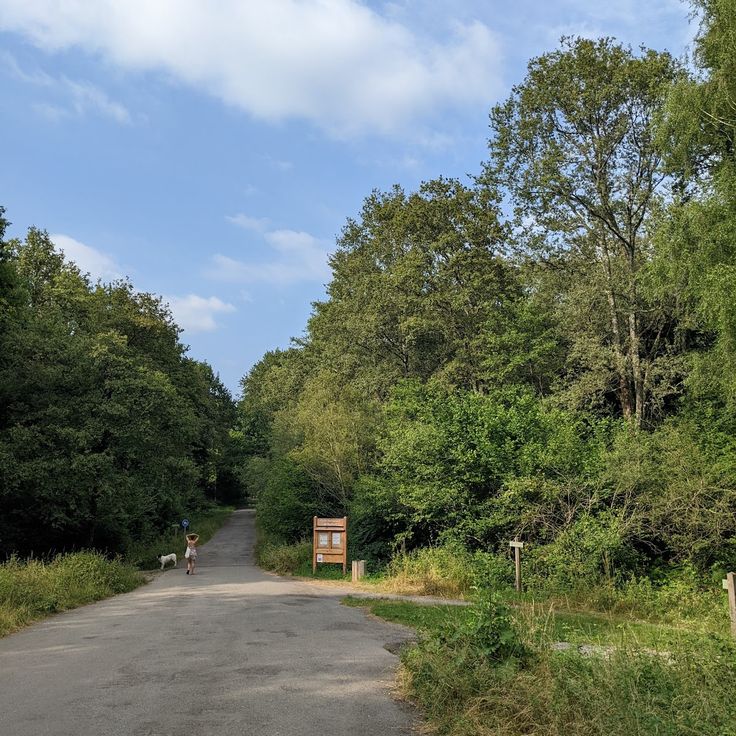
The Forêt de Bastard is a 740-acre (300-hectare) municipal forest featuring marked trails for walking and cycling along with picnic areas, part of Pau's heritage, composed primarily of oak trees and maritime pines.
The Palais des Sports is a municipal sports facility in Pau featuring a hardwood basketball court and seating capacity for approximately 7,500 spectators. The venue includes parking for around 400 vehicles and hosts sporting events and other gatherings in the city.
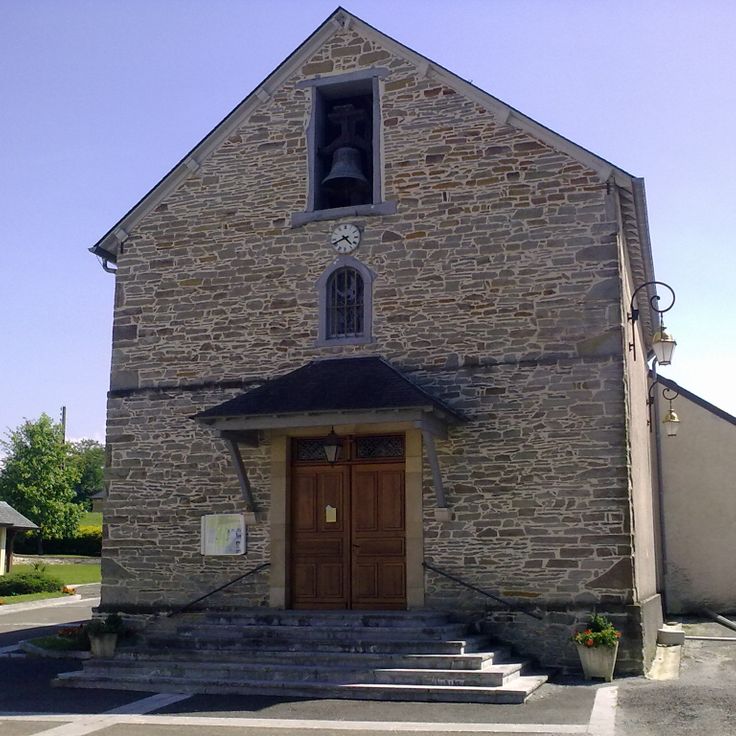
The Église Saint-Joseph was built during the 20th century with a central nave and two side aisles. A large mosaic decorates the wall behind the main altar. This church stands among the religious buildings that illustrate Pau's urban development.
The Notre Dame du Bout du Pont church dates from the 19th century and displays reproductions of the Sistine Chapel frescoes on its vaults. The paintings depict biblical scenes and give the church interior an unusual visual character. This building is part of the religious structures that shape the architectural heritage of Pau.
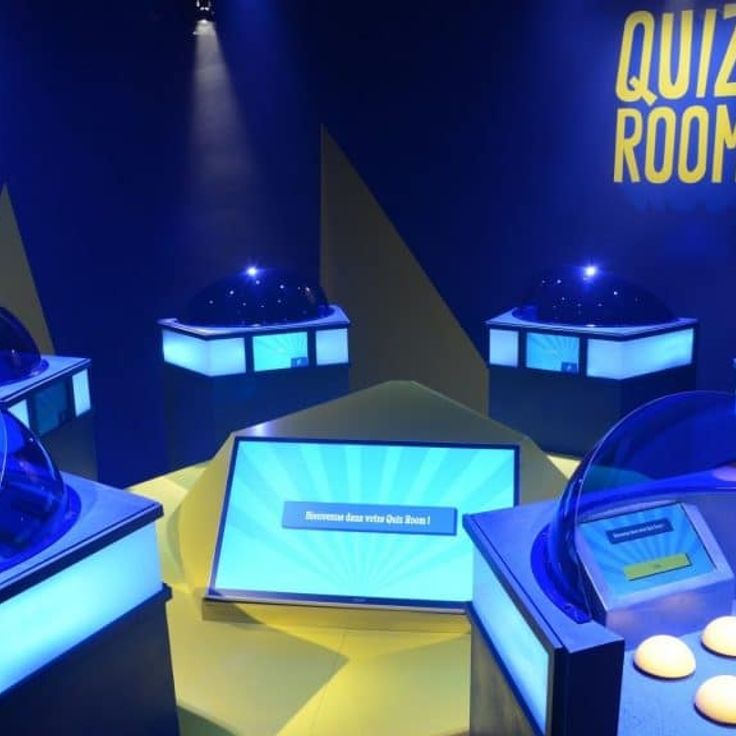
The Quiz Room Pau is an interactive entertainment venue in the historic royal city. This facility operates with live hosts and uses buzzer systems for quiz games modeled after television game shows. Participants compete in groups answering questions across various categories. The concept combines team competition with real-time moderation and offers an alternative to traditional leisure activities in Pau.
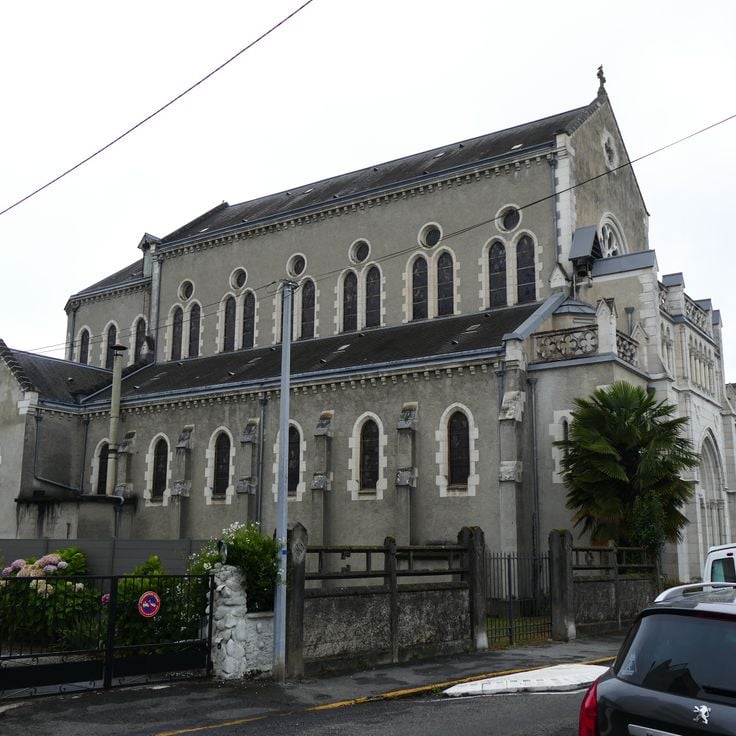
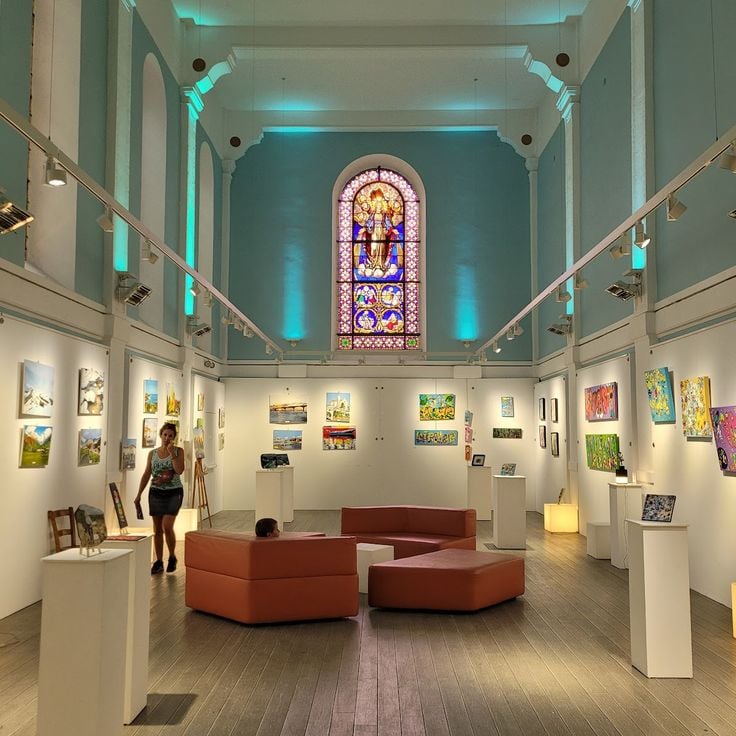
This nineteenth-century chapel was originally built for religious purposes before being converted into a venue for exhibitions, concerts and artistic performances, contributing to Pau's cultural offerings.
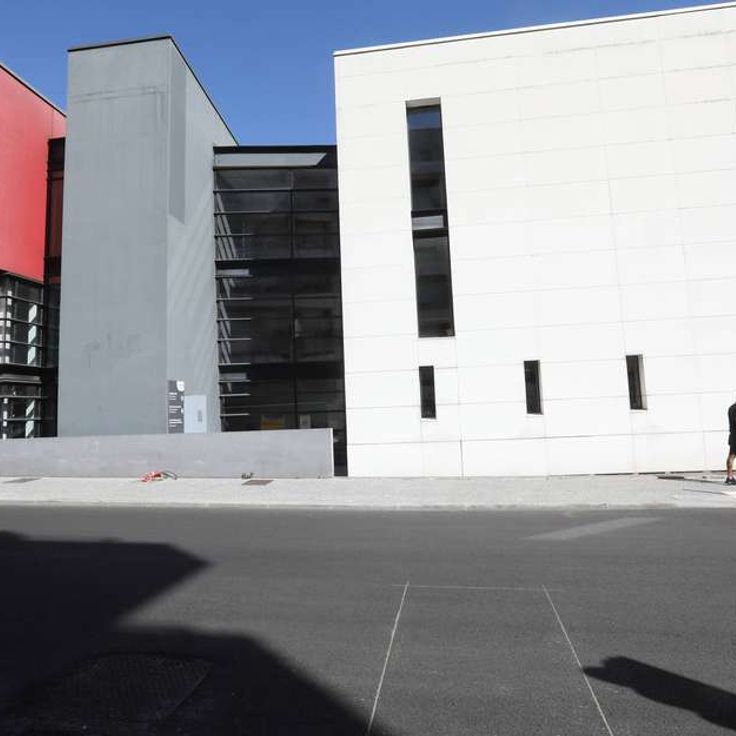
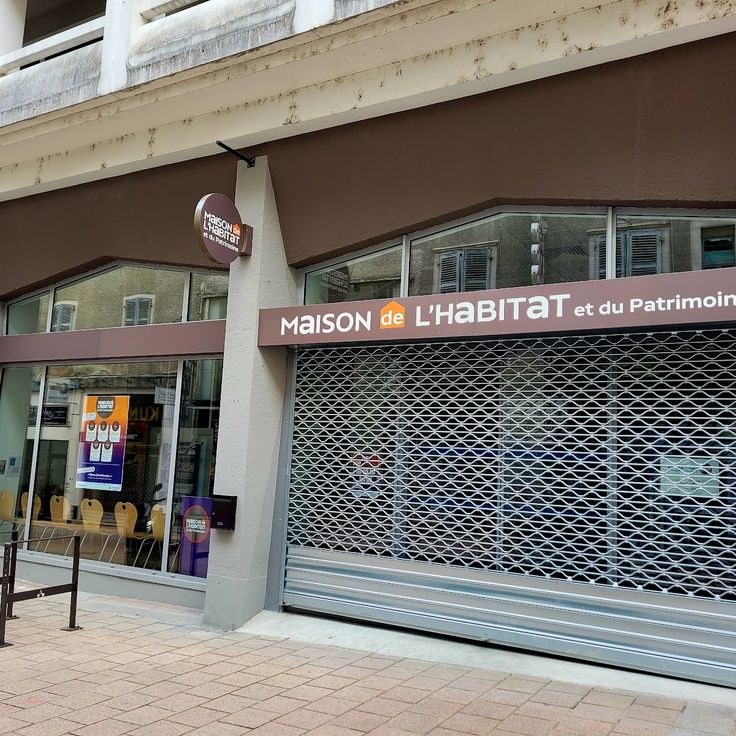
The Maison de l'Habitat serves as a resource center for housing renovation, construction and improvement projects. The facility provides technical documentation on building standards, energy efficiency and regulatory requirements. Architects, engineers and specialized advisors assist property owners and builders with funding programs, material selection and planning procedures. The center organizes events and workshops on sustainable construction and home improvement.
The Conservatoire de Pau, a municipal institution for artistic education, offers instruction in music, dance and dramatic arts for students of all levels. This institution contributes to the cultural life of the former royal residence city and complements the artistic heritage represented by the Musée des Beaux-Arts and other historical sites in town.
The Château de Pau served as the residence of the Kings of Navarre during the Middle Ages before its transformation into a royal palace. The interior houses extensive collections of tapestries and period furniture that provide insight into courtly life across several centuries. As the birthplace of Henry IV, the structure links regional history with French royal heritage and demonstrates the architectural evolution from medieval fortress to ceremonial palace.
This boulevard extends roughly 1.2 miles (2 kilometers) from the castle to the Palais Beaumont and offers direct views of the Pyrenees range. The promenade connects the city's main historical buildings and allows visitors to take in the entire mountain panorama.
Parc Beaumont is a 19th-century public park in central Pau. The grounds include maintained walking paths, a bandstand, a children's playground, the municipal casino, a palm house and an artificial lake. The park combines historical garden design with recreational facilities and serves as an important green space for residents and visitors to the city.
This market hall in downtown Pau houses a permanent food market with stalls selling local products and several restaurants specializing in regional cuisine. The hall provides residents and visitors with a place to purchase fresh produce from the surrounding area and experience the culinary traditions of the region.
This central square has served as Pau's main public gathering space since the 19th century. The surrounding buildings date from that era and house shops in ground-floor arcades. A monumental fountain anchors the square, named after French statesman Georges Clemenceau. The pedestrian area connects historic districts and lies near the château.
This funicular railway has connected the train station to Place Royale since 1908, climbing 98 feet (30 meters) over a distance of 328 feet (100 meters). The public transit link continues to serve a practical role for residents and visitors moving between the lower and upper parts of town.
The Musée des Beaux-Arts in Pau occupies a private mansion and displays European paintings, sculptures and decorative objects from the 14th to the 19th centuries. The collections include French, Italian, Spanish and Dutch works, with paintings by El Greco, Rubens and Degas among others. The museum also presents regional art from the Pyrenees and hosts temporary exhibitions on European art history.
The Church of Saint-Martin is a religious building dating from the 13th century, reconstructed in 1871 in neo-Gothic style. The structure features stained glass windows and a bell tower rising 177 feet (54 meters) above the city. Located in the historic center of Pau, the church reflects the architectural evolution of the city during the 19th century.
This 18th-century townhouse marks the birthplace of Jean-Baptiste Bernadotte in 1763, who rose to become a Marshal of the French Empire before ascending to the throne as King of Sweden and Norway. The museum traces his progression from lawyer's son in Pau to founder of Sweden's current ruling dynasty. Displays include personal belongings, military decorations and documents that chronicle his transformation from revolutionary soldier to European monarch. The building preserves the character of a middle-class residence from the pre-Revolutionary period.
This commemorative structure in the Bois Louis displays the names of all Tour de France winners. The monument provides visitors with an overview of the history of cycling's most important race and honors the achievements of riders who have claimed overall victory since the first edition in 1903. The location in the city forest connects sports history with a recreational area.
The Haras National is a national stud farm in Gelos, established in 1808 across 13 hectares (32 acres). The facility preserves historic stables from the early 19th century, a tack room with traditional equipment, and several training grounds for horses. The stud farm played an important role in the development of horse breeding in southwestern France and documents the region's long tradition in equitation. Today, visitors can explore the architecture and history of French horse breeding.
The Zénith in Pau is a concert and performance venue located in the northern district of the city. The hall accommodates around 4,500 spectators and expands the cultural offerings of a town historically defined by its royal heritage and historic monuments. The Zénith hosts national and international artists across various musical genres as well as theatrical productions. Its modern architecture contrasts with the historic buildings of the city center, such as the castle and Palais Beaumont, reflecting the cultural development of Pau through the 20th and 21st centuries.
The Palais Beaumont was built in 1900 as a casino and now serves as a convention center. The building houses the La Belle Époque restaurant, a reception hall, and is surrounded by gardens. The turn-of-the-century architecture displays characteristic elements of that period and fits into Pau's historic urban landscape.
The Parlement de Navarre is a 16th-century administrative building that once served as the seat of Béarn's court of justice, featuring a neoclassical facade and an interior courtyard. This structure reflects Pau's royal past and complements the city's historic monuments including the château and other significant buildings from various periods.
Place Royale sits in central Pau and connects the upper town to the railway district via a funicular inaugurated in 1908. This rectangular square is lined with hotels and residential buildings from the 19th century, constructed during Pau's development as a resort for European aristocracy. From here, views extend south toward the Pyrenees range, visible on clear days from Pic du Midi to Pic d'Anie.
The medieval town of Lescar stands on a hill roughly 5 miles (8 kilometers) northwest of Pau, preserving remains dating to the 10th century. The 12th-century Romanesque cathedral of Notre-Dame forms the architectural centerpiece, featuring a mosaic floor and royal tombs of Navarre. Sections of the original fortifications still mark the course of the former town walls. The elevated position provided strategic protection and control over the surrounding plain.
Saint-Jacques Church was built in the 19th century in the neogothic style and features a five-bay nave, colored stained glass windows and a Cavaillé-Coll organ that illustrates the craftsmanship of religious buildings in Pau.
The Hippodrome de Pau was established in 1842 and ranks among the city's traditional equestrian facilities. The complex features a 2,100-foot (640-meter) sand track, stables and training areas for thoroughbred racing. Located on the southern edge of the city, the racecourse has been a fixture of local sporting culture since its founding. The facility hosts regular horse races and draws visitors from across the region.
This memorial was inaugurated in 1962 to honor French paratroopers who died in service. The monument includes a stele and commemorative plaques that pay tribute to these soldiers in Pau, a city with longstanding connections to military aviation.
This museum in Pau documents the history of the French Resistance and deportation during World War II. The collection includes documents, personal items and testimonies that illuminate life in the Pyrénées-Atlantiques between 1939 and 1945. The exhibition covers the occupation period, resistance against the Vichy regime and persecution of the Jewish population. The museum sits in central Pau and offers insight into the local history of these years.
The Office de Tourisme Pau Pyrénées provides visitors with information about the city and its landmarks. This municipal facility offers brochures, answers questions about accommodations and events, and organizes guided tours of Pau. The tourist office serves as a starting point for travelers seeking to learn about the city's royal history, the château, the Boulevard des Pyrénées, and other monuments throughout the area.
The Médiathèque André Labarrère spans six floors on Place Marguerite Laborde and houses extensive collections of books, films and music recordings along with multiple reading spaces. This municipal cultural facility, named after the former mayor, serves as a central resource for education and culture in the city, complementing the historic monuments of Pau with contemporary library architecture.
The Stade Nautique features three swimming pools, a wellness area and aquatic activities for all age groups. This municipal facility complements Pau's sports infrastructure, which includes the hippodrome and motor racing circuit. The pools serve training, recreation and public swimming. The complex stands apart from the city's historical monuments, such as the fourteenth-century castle and the Boulevard des Pyrénées.
The Circuit Pau Arnos is a 1.9-mile (3-kilometer) racing track for motorsports near the city. The facility operates a racing school and hosts regular competitions. The circuit complements Pau's motorsport heritage, which includes the historic street course in the city center.
The Forêt de Bastard is a 740-acre (300-hectare) municipal forest featuring marked trails for walking and cycling along with picnic areas, part of Pau's heritage, composed primarily of oak trees and maritime pines.
The Palais des Sports is a municipal sports facility in Pau featuring a hardwood basketball court and seating capacity for approximately 7,500 spectators. The venue includes parking for around 400 vehicles and hosts sporting events and other gatherings in the city.
The Église Saint-Joseph was built during the 20th century with a central nave and two side aisles. A large mosaic decorates the wall behind the main altar. This church stands among the religious buildings that illustrate Pau's urban development.
The Notre Dame du Bout du Pont church dates from the 19th century and displays reproductions of the Sistine Chapel frescoes on its vaults. The paintings depict biblical scenes and give the church interior an unusual visual character. This building is part of the religious structures that shape the architectural heritage of Pau.
The Quiz Room Pau is an interactive entertainment venue in the historic royal city. This facility operates with live hosts and uses buzzer systems for quiz games modeled after television game shows. Participants compete in groups answering questions across various categories. The concept combines team competition with real-time moderation and offers an alternative to traditional leisure activities in Pau.
This nineteenth-century chapel was originally built for religious purposes before being converted into a venue for exhibitions, concerts and artistic performances, contributing to Pau's cultural offerings.
The Maison de l'Habitat serves as a resource center for housing renovation, construction and improvement projects. The facility provides technical documentation on building standards, energy efficiency and regulatory requirements. Architects, engineers and specialized advisors assist property owners and builders with funding programs, material selection and planning procedures. The center organizes events and workshops on sustainable construction and home improvement.
The Conservatoire de Pau, a municipal institution for artistic education, offers instruction in music, dance and dramatic arts for students of all levels. This institution contributes to the cultural life of the former royal residence city and complements the artistic heritage represented by the Musée des Beaux-Arts and other historical sites in town.
The Château de Pau served as the residence of the Kings of Navarre during the Middle Ages before its transformation into a royal palace. The interior houses extensive collections of tapestries and period furniture that provide insight into courtly life across several centuries. As the birthplace of Henry IV, the structure links regional history with French royal heritage and demonstrates the architectural evolution from medieval fortress to ceremonial palace.
This boulevard extends roughly 1.2 miles (2 kilometers) from the castle to the Palais Beaumont and offers direct views of the Pyrenees range. The promenade connects the city's main historical buildings and allows visitors to take in the entire mountain panorama.
Parc Beaumont is a 19th-century public park in central Pau. The grounds include maintained walking paths, a bandstand, a children's playground, the municipal casino, a palm house and an artificial lake. The park combines historical garden design with recreational facilities and serves as an important green space for residents and visitors to the city.
This market hall in downtown Pau houses a permanent food market with stalls selling local products and several restaurants specializing in regional cuisine. The hall provides residents and visitors with a place to purchase fresh produce from the surrounding area and experience the culinary traditions of the region.
This central square has served as Pau's main public gathering space since the 19th century. The surrounding buildings date from that era and house shops in ground-floor arcades. A monumental fountain anchors the square, named after French statesman Georges Clemenceau. The pedestrian area connects historic districts and lies near the château.
This funicular railway has connected the train station to Place Royale since 1908, climbing 98 feet (30 meters) over a distance of 328 feet (100 meters). The public transit link continues to serve a practical role for residents and visitors moving between the lower and upper parts of town.
The Musée des Beaux-Arts in Pau occupies a private mansion and displays European paintings, sculptures and decorative objects from the 14th to the 19th centuries. The collections include French, Italian, Spanish and Dutch works, with paintings by El Greco, Rubens and Degas among others. The museum also presents regional art from the Pyrenees and hosts temporary exhibitions on European art history.
The Church of Saint-Martin is a religious building dating from the 13th century, reconstructed in 1871 in neo-Gothic style. The structure features stained glass windows and a bell tower rising 177 feet (54 meters) above the city. Located in the historic center of Pau, the church reflects the architectural evolution of the city during the 19th century.
This 18th-century townhouse marks the birthplace of Jean-Baptiste Bernadotte in 1763, who rose to become a Marshal of the French Empire before ascending to the throne as King of Sweden and Norway. The museum traces his progression from lawyer's son in Pau to founder of Sweden's current ruling dynasty. Displays include personal belongings, military decorations and documents that chronicle his transformation from revolutionary soldier to European monarch. The building preserves the character of a middle-class residence from the pre-Revolutionary period.
This commemorative structure in the Bois Louis displays the names of all Tour de France winners. The monument provides visitors with an overview of the history of cycling's most important race and honors the achievements of riders who have claimed overall victory since the first edition in 1903. The location in the city forest connects sports history with a recreational area.
The Haras National is a national stud farm in Gelos, established in 1808 across 13 hectares (32 acres). The facility preserves historic stables from the early 19th century, a tack room with traditional equipment, and several training grounds for horses. The stud farm played an important role in the development of horse breeding in southwestern France and documents the region's long tradition in equitation. Today, visitors can explore the architecture and history of French horse breeding.
The Zénith in Pau is a concert and performance venue located in the northern district of the city. The hall accommodates around 4,500 spectators and expands the cultural offerings of a town historically defined by its royal heritage and historic monuments. The Zénith hosts national and international artists across various musical genres as well as theatrical productions. Its modern architecture contrasts with the historic buildings of the city center, such as the castle and Palais Beaumont, reflecting the cultural development of Pau through the 20th and 21st centuries.
The Palais Beaumont was built in 1900 as a casino and now serves as a convention center. The building houses the La Belle Époque restaurant, a reception hall, and is surrounded by gardens. The turn-of-the-century architecture displays characteristic elements of that period and fits into Pau's historic urban landscape.
The Parlement de Navarre is a 16th-century administrative building that once served as the seat of Béarn's court of justice, featuring a neoclassical facade and an interior courtyard. This structure reflects Pau's royal past and complements the city's historic monuments including the château and other significant buildings from various periods.
Place Royale sits in central Pau and connects the upper town to the railway district via a funicular inaugurated in 1908. This rectangular square is lined with hotels and residential buildings from the 19th century, constructed during Pau's development as a resort for European aristocracy. From here, views extend south toward the Pyrenees range, visible on clear days from Pic du Midi to Pic d'Anie.
The medieval town of Lescar stands on a hill roughly 5 miles (8 kilometers) northwest of Pau, preserving remains dating to the 10th century. The 12th-century Romanesque cathedral of Notre-Dame forms the architectural centerpiece, featuring a mosaic floor and royal tombs of Navarre. Sections of the original fortifications still mark the course of the former town walls. The elevated position provided strategic protection and control over the surrounding plain.
Saint-Jacques Church was built in the 19th century in the neogothic style and features a five-bay nave, colored stained glass windows and a Cavaillé-Coll organ that illustrates the craftsmanship of religious buildings in Pau.
The Hippodrome de Pau was established in 1842 and ranks among the city's traditional equestrian facilities. The complex features a 2,100-foot (640-meter) sand track, stables and training areas for thoroughbred racing. Located on the southern edge of the city, the racecourse has been a fixture of local sporting culture since its founding. The facility hosts regular horse races and draws visitors from across the region.
This memorial was inaugurated in 1962 to honor French paratroopers who died in service. The monument includes a stele and commemorative plaques that pay tribute to these soldiers in Pau, a city with longstanding connections to military aviation.
This museum in Pau documents the history of the French Resistance and deportation during World War II. The collection includes documents, personal items and testimonies that illuminate life in the Pyrénées-Atlantiques between 1939 and 1945. The exhibition covers the occupation period, resistance against the Vichy regime and persecution of the Jewish population. The museum sits in central Pau and offers insight into the local history of these years.
The Office de Tourisme Pau Pyrénées provides visitors with information about the city and its landmarks. This municipal facility offers brochures, answers questions about accommodations and events, and organizes guided tours of Pau. The tourist office serves as a starting point for travelers seeking to learn about the city's royal history, the château, the Boulevard des Pyrénées, and other monuments throughout the area.
The Médiathèque André Labarrère spans six floors on Place Marguerite Laborde and houses extensive collections of books, films and music recordings along with multiple reading spaces. This municipal cultural facility, named after the former mayor, serves as a central resource for education and culture in the city, complementing the historic monuments of Pau with contemporary library architecture.
The Stade Nautique features three swimming pools, a wellness area and aquatic activities for all age groups. This municipal facility complements Pau's sports infrastructure, which includes the hippodrome and motor racing circuit. The pools serve training, recreation and public swimming. The complex stands apart from the city's historical monuments, such as the fourteenth-century castle and the Boulevard des Pyrénées.
The Circuit Pau Arnos is a 1.9-mile (3-kilometer) racing track for motorsports near the city. The facility operates a racing school and hosts regular competitions. The circuit complements Pau's motorsport heritage, which includes the historic street course in the city center.
The Forêt de Bastard is a 740-acre (300-hectare) municipal forest featuring marked trails for walking and cycling along with picnic areas, part of Pau's heritage, composed primarily of oak trees and maritime pines.
The Palais des Sports is a municipal sports facility in Pau featuring a hardwood basketball court and seating capacity for approximately 7,500 spectators. The venue includes parking for around 400 vehicles and hosts sporting events and other gatherings in the city.
The Église Saint-Joseph was built during the 20th century with a central nave and two side aisles. A large mosaic decorates the wall behind the main altar. This church stands among the religious buildings that illustrate Pau's urban development.
The Notre Dame du Bout du Pont church dates from the 19th century and displays reproductions of the Sistine Chapel frescoes on its vaults. The paintings depict biblical scenes and give the church interior an unusual visual character. This building is part of the religious structures that shape the architectural heritage of Pau.
The Quiz Room Pau is an interactive entertainment venue in the historic royal city. This facility operates with live hosts and uses buzzer systems for quiz games modeled after television game shows. Participants compete in groups answering questions across various categories. The concept combines team competition with real-time moderation and offers an alternative to traditional leisure activities in Pau.
This nineteenth-century chapel was originally built for religious purposes before being converted into a venue for exhibitions, concerts and artistic performances, contributing to Pau's cultural offerings.
The Maison de l'Habitat serves as a resource center for housing renovation, construction and improvement projects. The facility provides technical documentation on building standards, energy efficiency and regulatory requirements. Architects, engineers and specialized advisors assist property owners and builders with funding programs, material selection and planning procedures. The center organizes events and workshops on sustainable construction and home improvement.
The Conservatoire de Pau, a municipal institution for artistic education, offers instruction in music, dance and dramatic arts for students of all levels. This institution contributes to the cultural life of the former royal residence city and complements the artistic heritage represented by the Musée des Beaux-Arts and other historical sites in town.