Between forgotten theaters and private collections turned into museums, London shows its true side to those who go off the main paths.
London offers far more than Tower Bridge and Buckingham Palace. Away from the main attractions, numerous sites remain unfamiliar even to many locals. This selection includes the ruins of St Dunstan-in-the-East, where a medieval church has been transformed into a public garden, the Sir John Soane's Museum with its antiquities and architectural fragments, and Dennis Severs' House, a Georgian townhouse preserved as a lived-in time capsule.
The collection features gardens such as Isabella Plantation in Richmond Park and Kyoto Garden in Holland Park, historic buildings like the 14th-century Charterhouse and St Bartholomew the Great, London's oldest parish church. It also covers unusual museums including the Old Operating Theatre, Europe's oldest surviving surgical theater, and industrial monuments like Crossness Pumping Station with its Victorian steam engines. Leadenhall Market displays Victorian architecture in the financial district, while God's Own Junkyard in Walthamstow exhibits thousands of neon signs.
Other sites range from the BAPS Shri Swaminarayan Mandir Hindu temple in Neasden to Wilton's Music Hall, London's oldest music hall, and the Victorian dinosaur sculptures at Crystal Palace Park. Little Venice presents canals lined with houseboats, the Freud Museum preserves the psychoanalyst's London home, and Keats House commemorates the Romantic poet. These locations provide insights into history, architecture, and culture beyond the standard tourist circuit.
Between forgotten theaters and private collections turned into museums, London shows its true side to those who go off the main paths.
London offers far more than Tower Bridge and Buckingham Palace. Away from the main attractions, numerous sites remain unfamiliar even to many locals. This selection includes the ruins of St Dunstan-in-the-East, where a medieval church has been transformed into a public garden, the Sir John Soane's Museum with its antiquities and architectural fragments, and Dennis Severs' House, a Georgian townhouse preserved as a lived-in time capsule.
The collection features gardens such as Isabella Plantation in Richmond Park and Kyoto Garden in Holland Park, historic buildings like the 14th-century Charterhouse and St Bartholomew the Great, London's oldest parish church. It also covers unusual museums including the Old Operating Theatre, Europe's oldest surviving surgical theater, and industrial monuments like Crossness Pumping Station with its Victorian steam engines. Leadenhall Market displays Victorian architecture in the financial district, while God's Own Junkyard in Walthamstow exhibits thousands of neon signs.
Other sites range from the BAPS Shri Swaminarayan Mandir Hindu temple in Neasden to Wilton's Music Hall, London's oldest music hall, and the Victorian dinosaur sculptures at Crystal Palace Park. Little Venice presents canals lined with houseboats, the Freud Museum preserves the psychoanalyst's London home, and Keats House commemorates the Romantic poet. These locations provide insights into history, architecture, and culture beyond the standard tourist circuit.
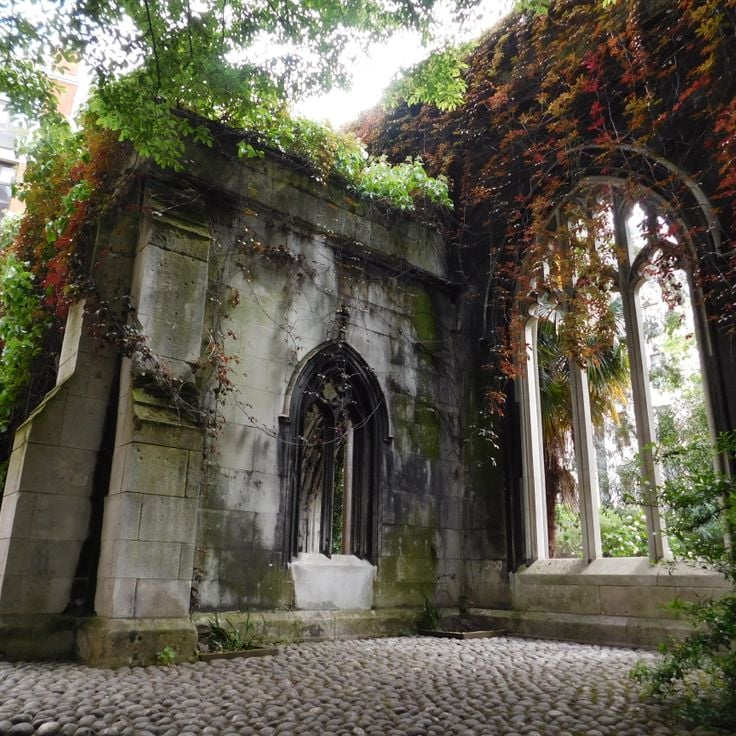
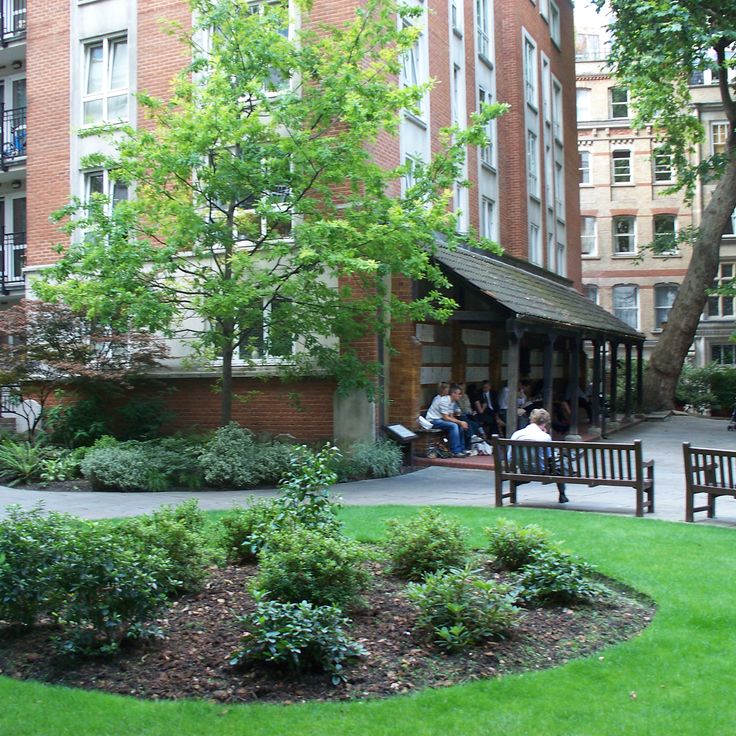
This public garden occupies the ruins of a 17th-century church and contains plants and benches. The remains of the church were converted into an urban garden after World War II, providing visitors with a retreat in the City of London.
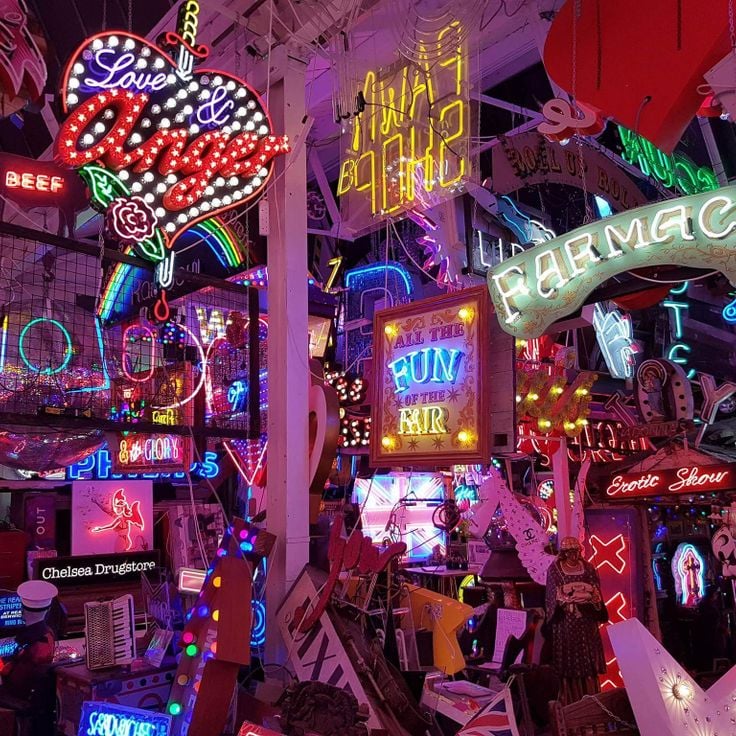
Here you will find a collection of neon signs that covers several decades and brings together thousands of neon lights installed in an old warehouse in Walthamstow. The exhibition traces the history of British neon advertising from the 1950s to today, showing the work of artist Chris Bracey, who made pieces for movies, music videos, and commercial projects. Visitors can walk among illuminated letters, film props, and vintage advertising signs in a space without a traditional exhibition setup.
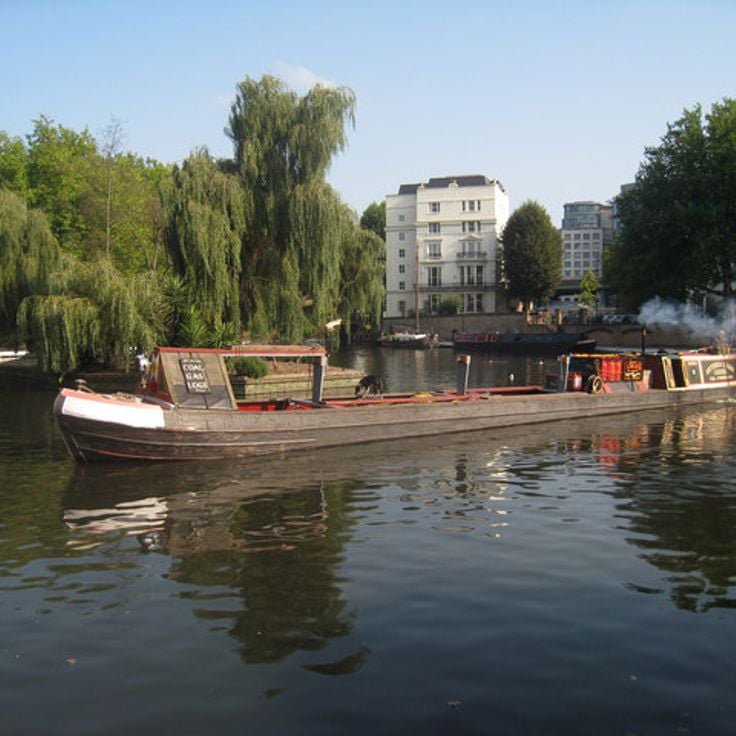
A network of canals at the junction of Regent's Canal and Grand Union Canal, with water routes where barges, restaurants, and cafes are moored. The small bridges and the tree-lined banks create a calm setting away from busier parts of the city. Visitors can walk along the paved paths or stop at the waterside spots.
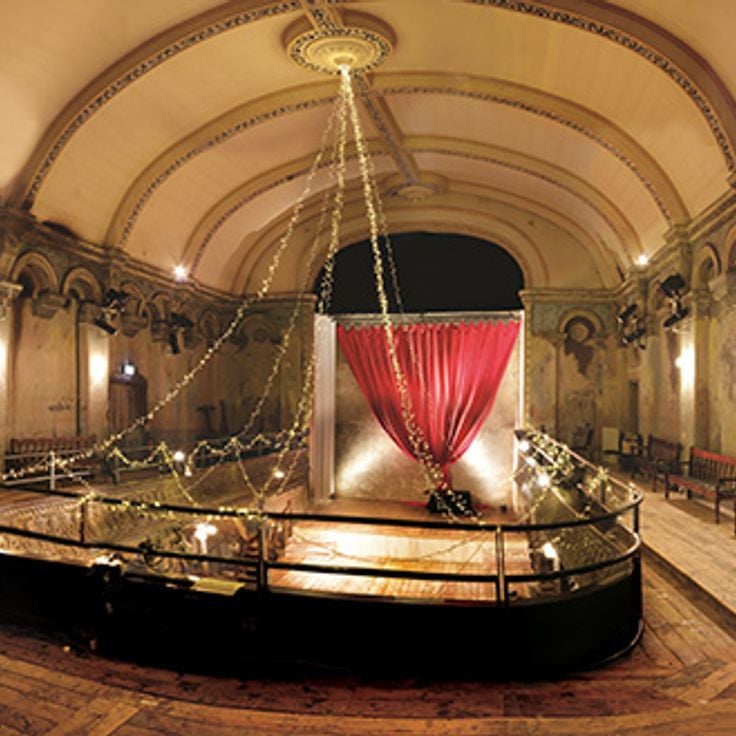
This music hall from 1859 preserves its original architecture and hosts performances spanning music, theater and artistic events. The East End venue stands as one of London's oldest surviving music theaters and attracts visitors seeking historic performance spaces beyond the major West End theaters.
The Leighton House Museum preserves the Victorian home of painter Frederic Leighton, including his studio, a picture gallery and the Arab Hall, a chamber decorated with Middle Eastern tiles. The collection features works by Leighton and his Pre-Raphaelite contemporaries, along with objects the artist acquired during his travels. The building itself represents one of the most notable artist residences of nineteenth-century London.
In this public park, you will see a special collection of more than fifty hand-painted ceramic plaques. They honor people who have died trying to save others since 1900. The memorial was started by the Victorian artist George Frederic Watts. It records rescue efforts during fires, floods, and other emergencies. The park itself has lawns and benches in a quiet place away from the main tourist routes.
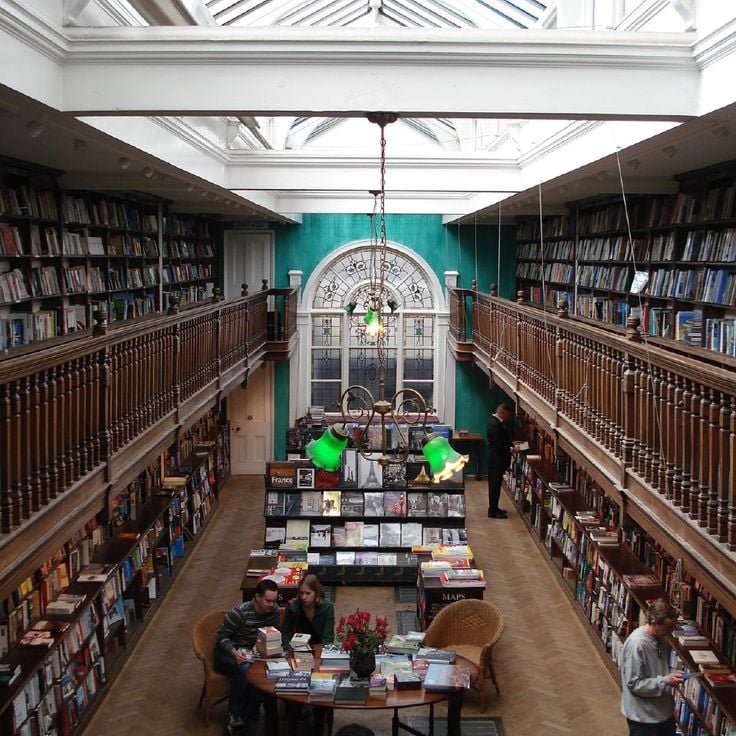
This bookshop retains its original Edwardian architecture, with a timber gallery, oak paneling and skylights running through three floors. The collection includes international literature and travel guides organized by destination, offering both contemporary and out-of-print editions. The long, narrow building dates from 1912 and was purpose-built as a bookshop.
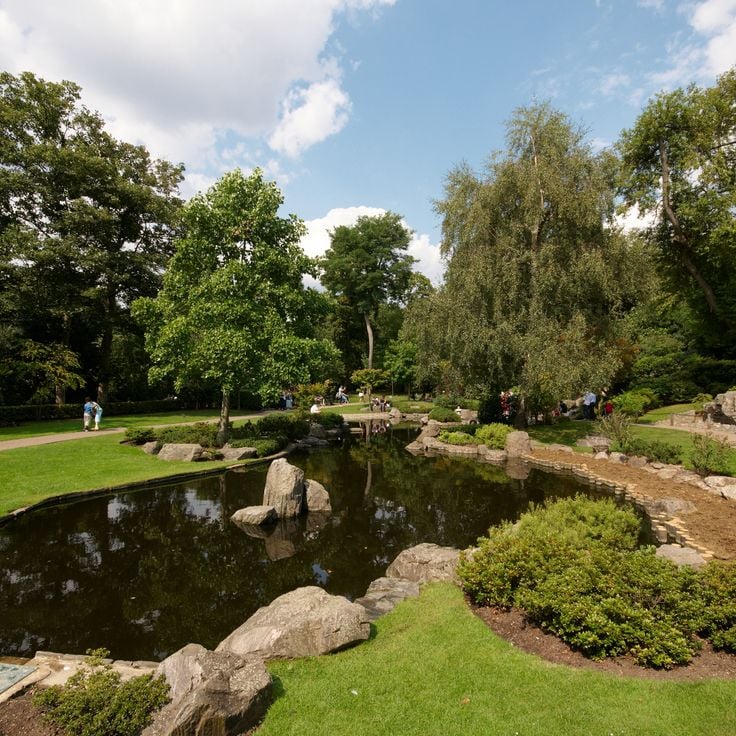
A beautiful Japanese garden was created in 1991 as a gift from Kyoto. It shows a traditional layout with a pond filled with carp, stone lanterns, and a waterfall. Visitors from London can get a sense of eastern garden art here.
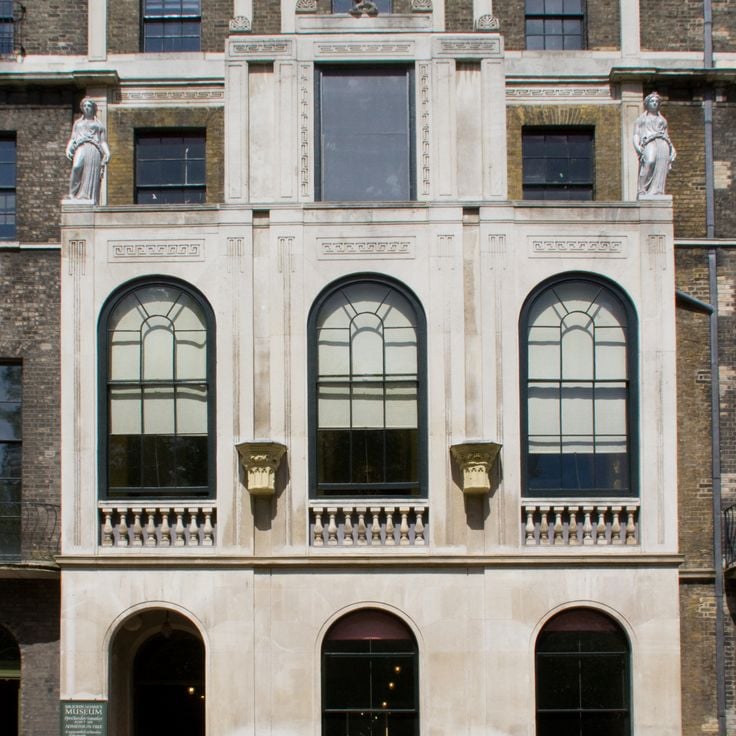
This museum in Lincoln's Inn Fields preserves the original arrangement of an early 19th-century scholar's house. The rooms contain architectural fragments from various periods, an Egyptian sarcophagus and works by Canaletto and Hogarth. The collection also includes classical sculptures, drawings and decorative elements that the architect assembled during his career.
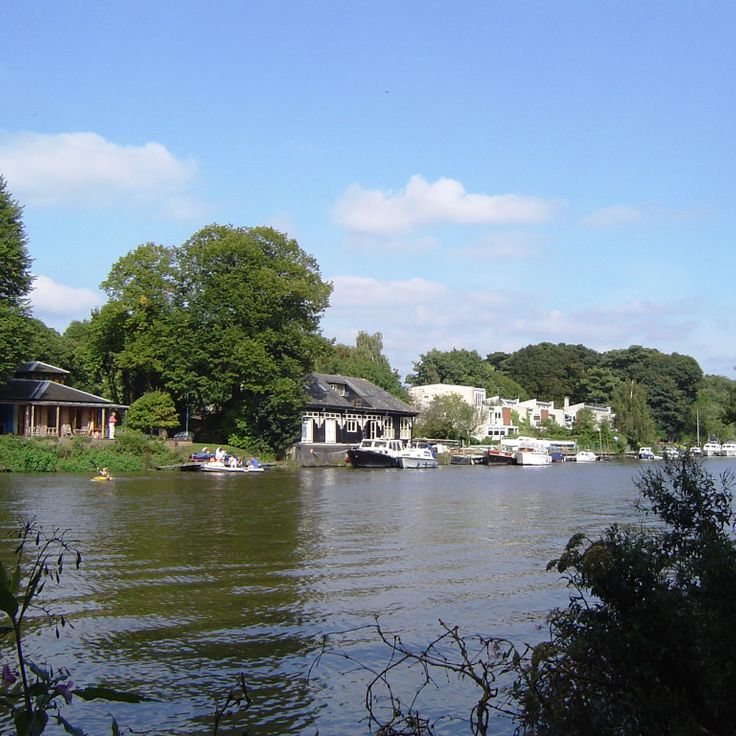
Eel Pie Island sits in the Thames at Twickenham and is home to roughly 120 residents along with several artist studios that open to visitors twice a year. This private island gained recognition in the 1960s for rock concerts held at the former Eel Pie Island Hotel, where acts including The Rolling Stones, The Who and David Bowie performed. Access to the island is via a narrow footbridge, and the residential properties and studios can only be visited on designated open days.
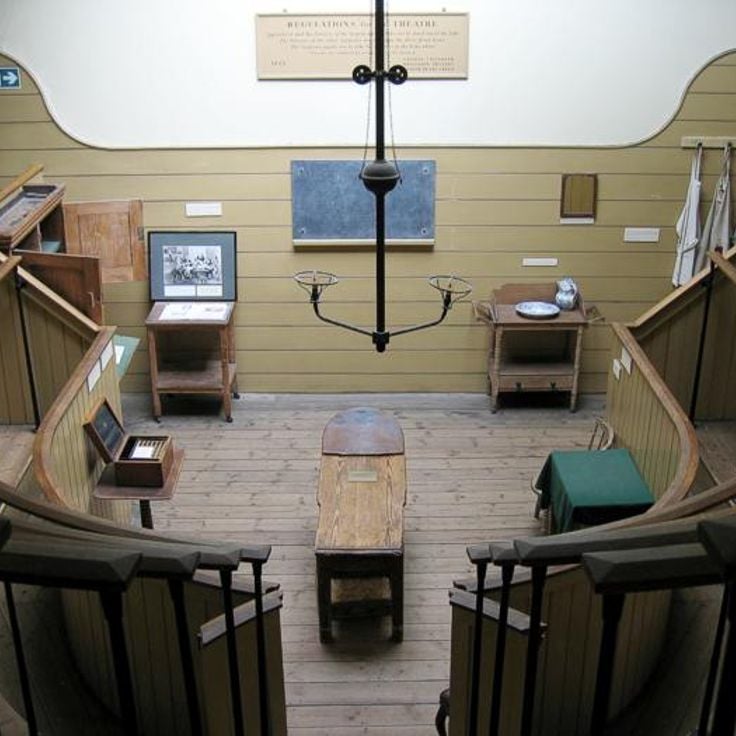
This medical museum occupies a church attic and displays surgical instruments and medical equipment from the nineteenth century. The collection documents the history of surgery during an era when operations were performed without anesthesia. The space originally served as an operating theater for students of the nearby St Thomas Hospital and now preserves authentic tools and exhibits from this period in medical history.
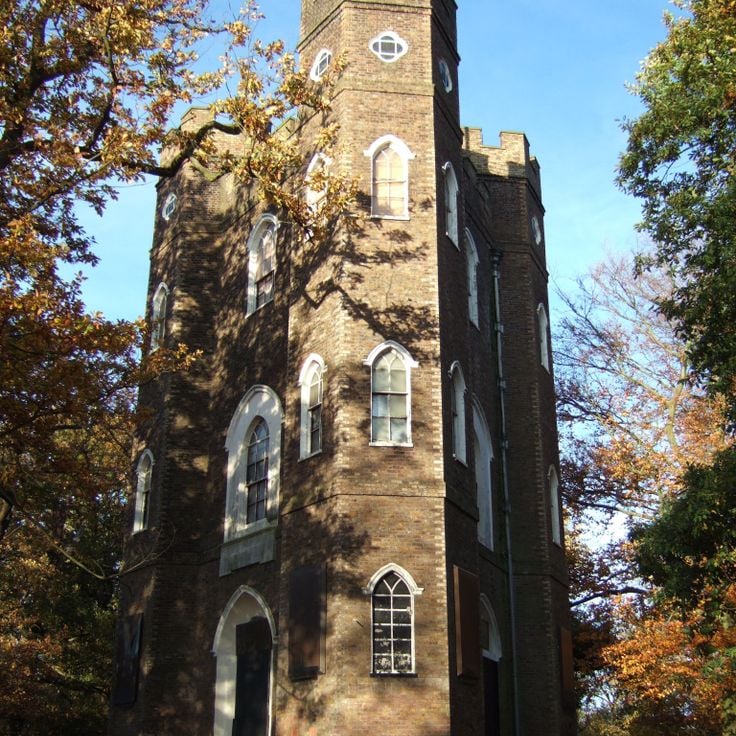
You can only look at this triangular tower on Shooter's Hill. It was built in 1784, in a Gothic style with battlements and arched windows, and offers views over the city up to seven counties.
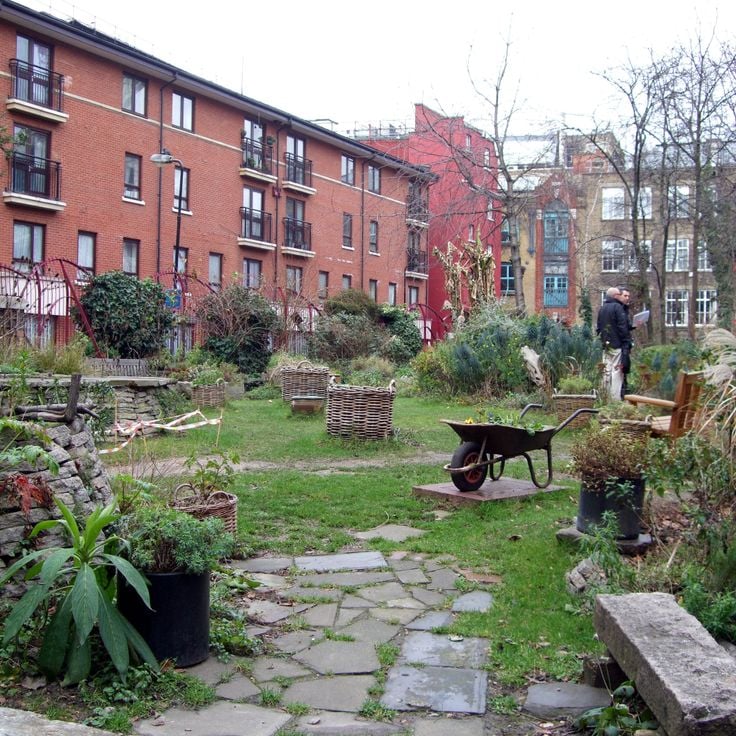
This community garden between theaters and restaurants in London's West End supports native plants and urban foxes. The Phoenix Garden provides a retreat from the busy streets of the theater district on a small plot. Volunteers maintain the grounds, designed as an ecological project for local flora and fauna.
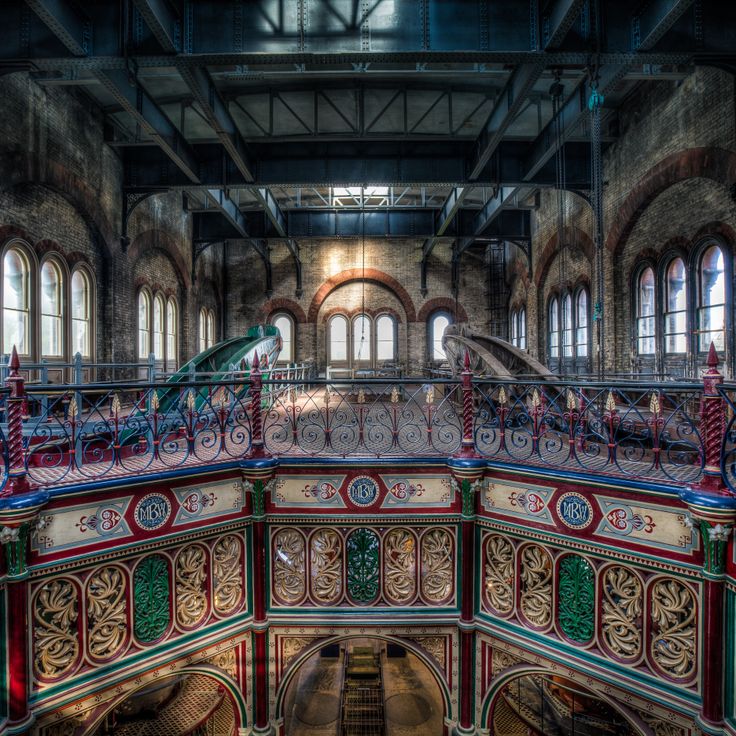
A Victorian installation from 1865 houses steam machines from the original building period. The cast iron decorations on the walls show the decorative standards of Victorian engineering. The pumping station was built to manage London's sewer system and features preserved machines along with technical details from the nineteenth century.
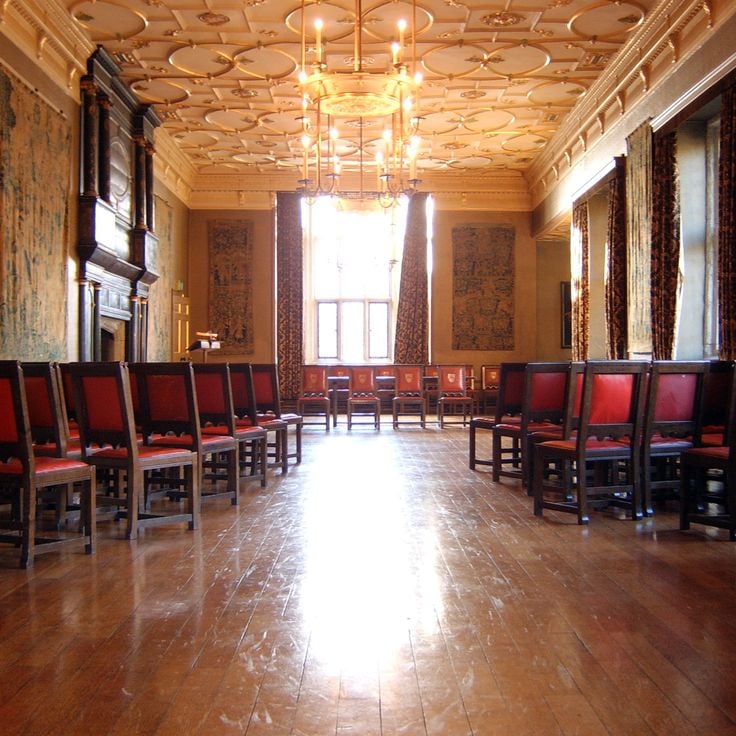
A complex from the 14th century houses a large Tudor hall and a chapel. The building has served as a monastery and then as a school through the years, holding important signs of London's medieval and modern history. Guided tours allow visitors to learn about the different periods of use of the site.
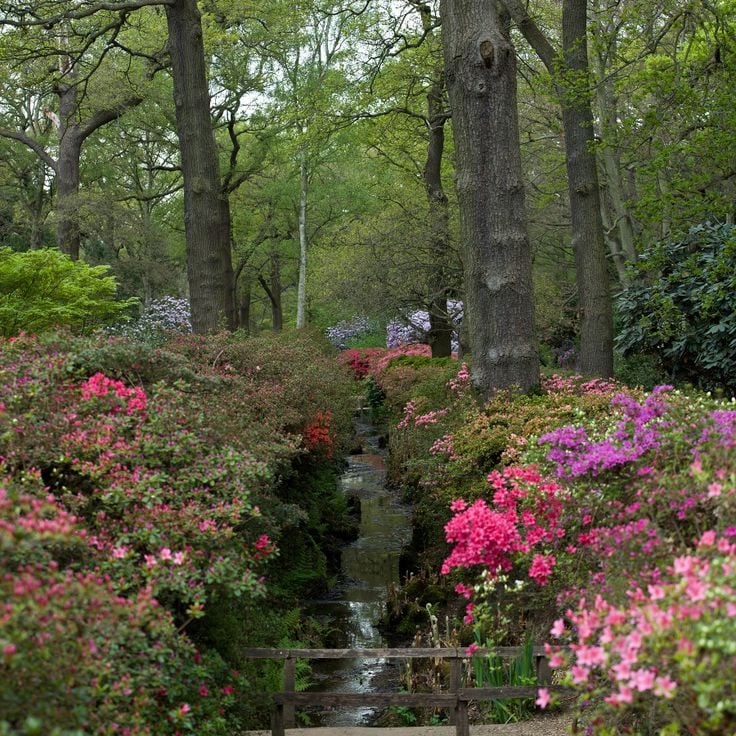
This garden occupies around 40 acres within Richmond Park. The Isabella Plantation holds extensive collections of azaleas and rhododendrons planted among mature oaks, with blooms appearing in various colors depending on the season. Developed progressively since the 1950s, the garden now includes several ponds, streams and informal pathways through naturalistic plantings that attract visitors seeking a quieter corner of the capital.
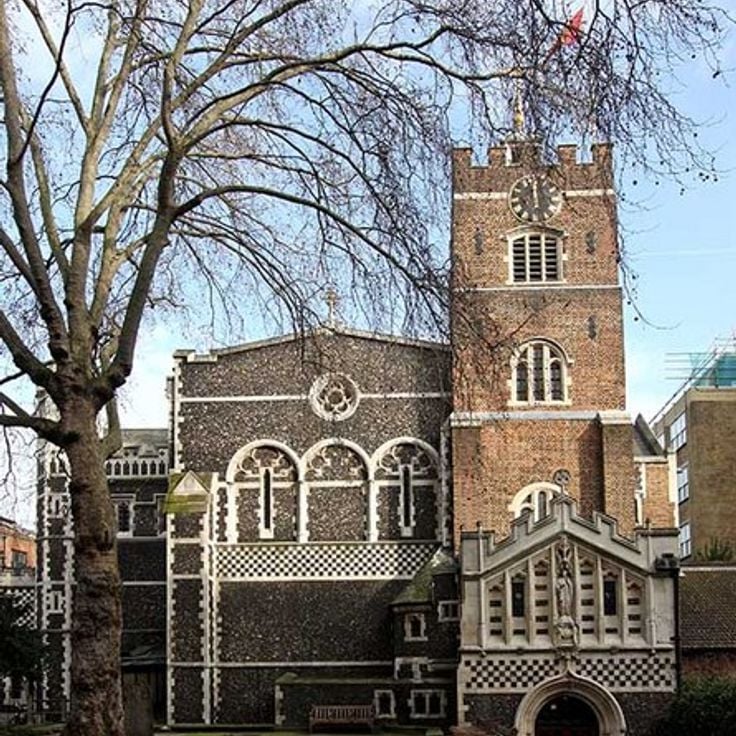
Founded in 1123, this church combines Norman and Gothic architectural elements in a cross-shaped plan with large stone columns. St. Bartholomew the Great is one of the oldest religious buildings still standing in the British capital and shows centuries of church building in its structure. It is located outside the usual tourist routes.
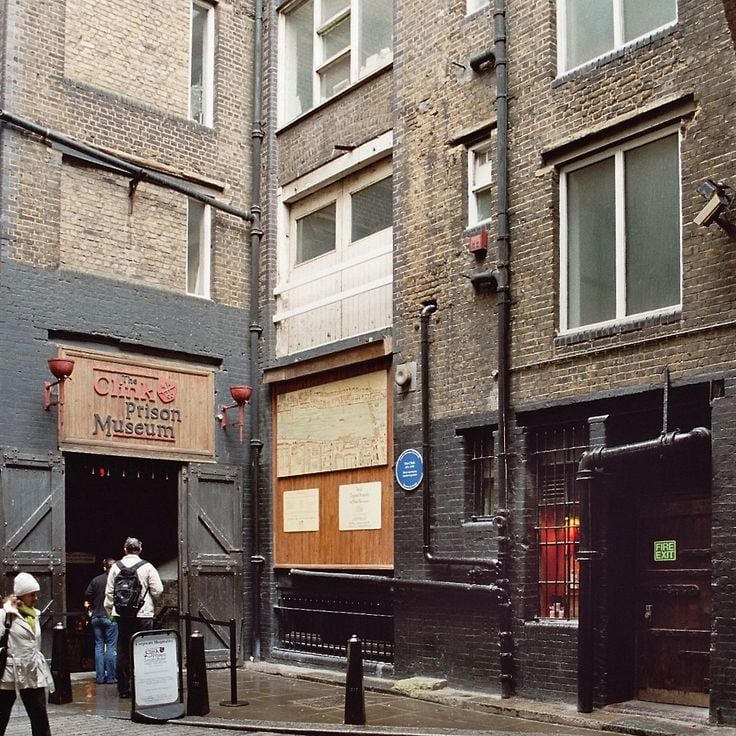
This museum occupies the site of the original prison and presents methods of punishment and conditions of incarceration from the 12th century until its closure in the 19th century. The exhibition includes torture devices, period documents and reconstructed cells. The location on the south bank of the Thames once belonged to the Bishop of Winchester's estate, which maintained its own judicial authority. Visitors learn about the treatment of heretics, prostitutes and other prisoners in one of London's most notorious detention facilities.
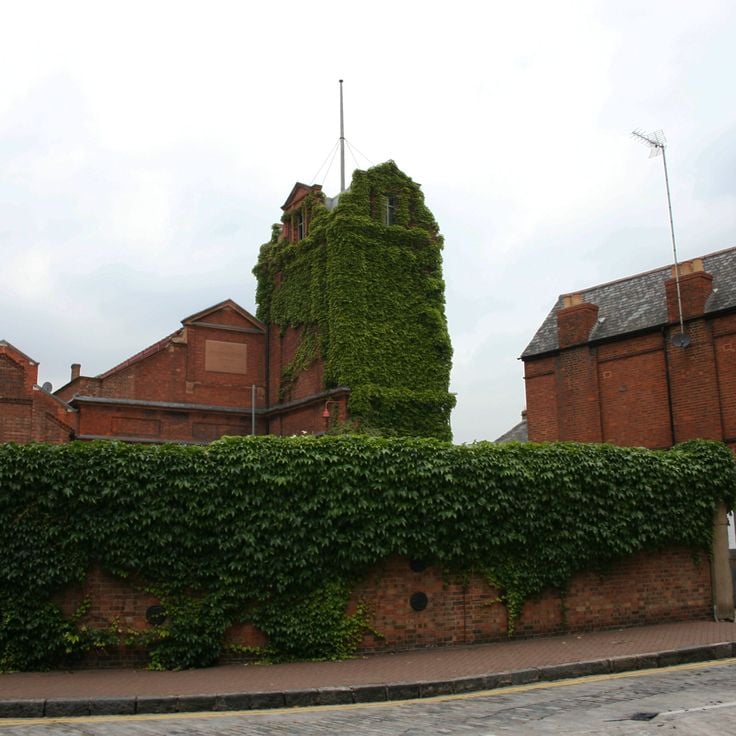
The nineteenth-century pumping station in the Wapping area of London keeps its original steam engines and industrial equipment. The old hydraulic factory has been turned into a restaurant and exhibition space while keeping the historic machinery as part of the building. This building shows the industrial structures that helped London grow during the Victorian era.
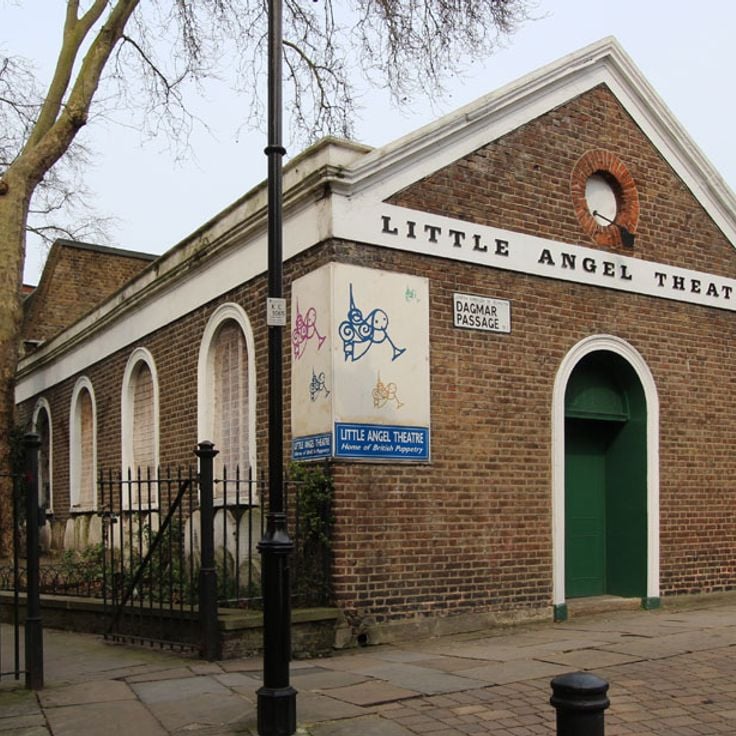
The Islington Theater has been showing puppet shows for children and adults since 1961. It also offers puppet-making workshops and focuses on both modern and traditional performances. The Little Angel Theatre is one of the few permanent puppet theaters in London and has a hall for about 100 people.
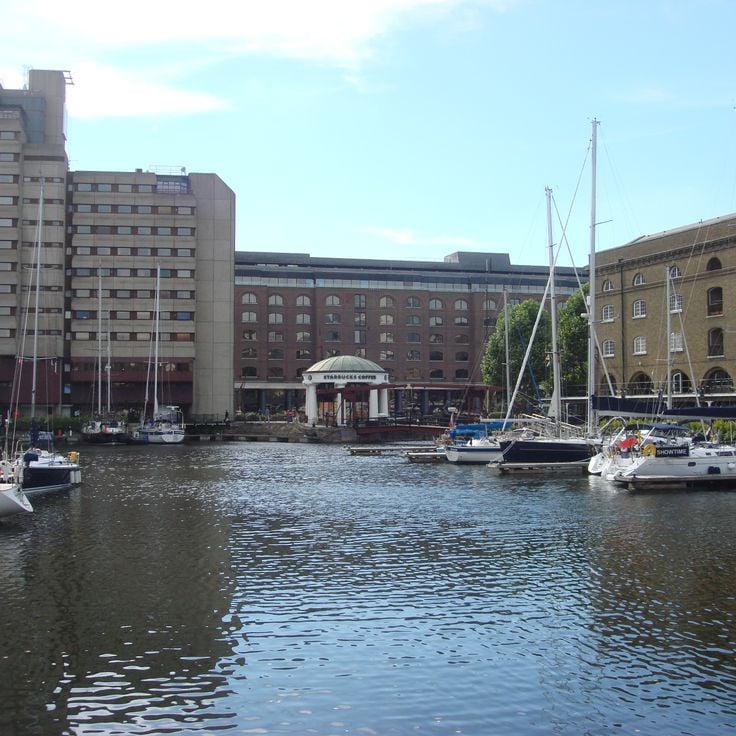
This historic harbor dating from 1828 evolved from commercial docks into a marina with restaurants and offices housed in converted warehouses along the Thames. The complex sits east of the Tower of London and features pedestrian areas around water basins where private boats are moored. Original dock structures were preserved and transformed into residential and commercial spaces while maintaining the historic port architecture. The site now functions as a mixed use neighborhood with Thames access.
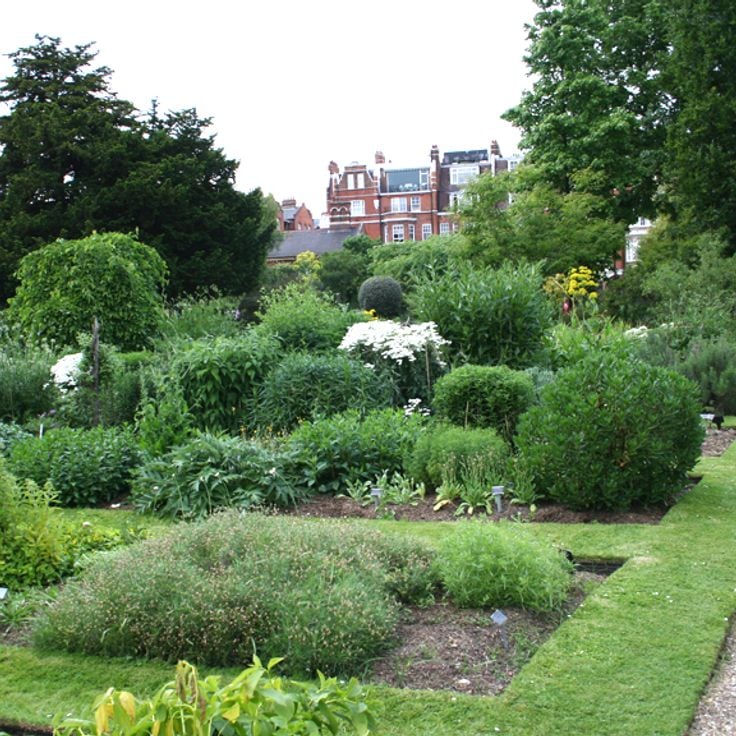
The Chelsea Physic Garden dates from 1673 and houses collections of medicinal plants and exotic species. Guided tours explain the medical uses of various plant species. This institution has served pharmaceutical research and education since its founding and now preserves one of Europe's oldest botanical collections.
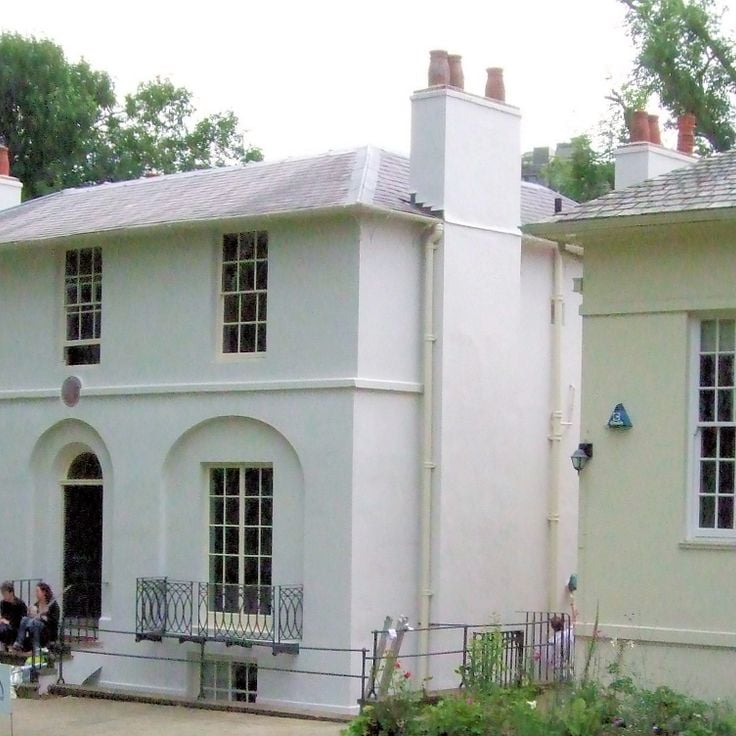
This 1815 residence displays manuscripts, books and personal possessions of poet John Keats. Keats lived here from 1818 to 1820 and wrote some of his best known works, including "Ode to a Nightingale".
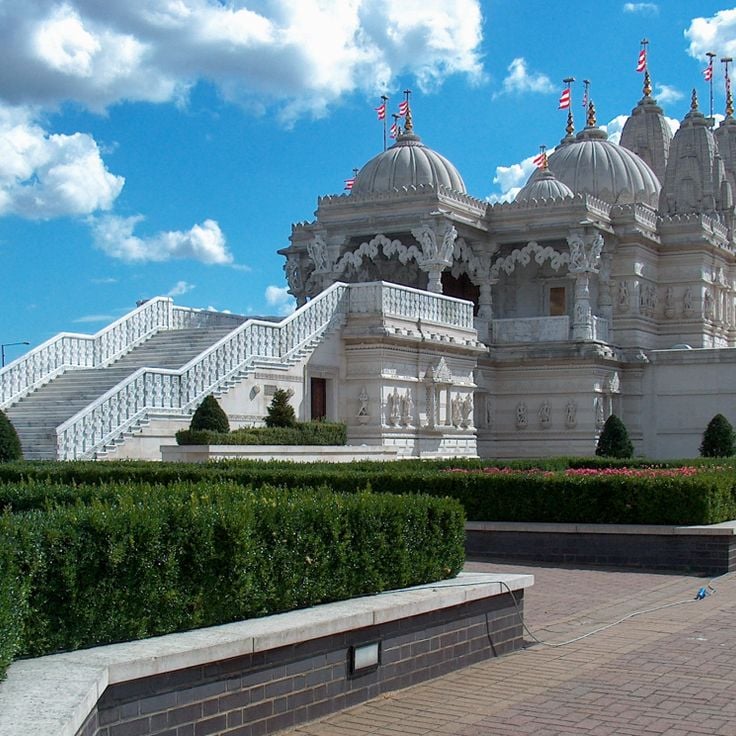
Come and see this Hindu temple in Neasden. It opened in 1995 as the first traditional mandir in Europe. The temple draws visitors with its hand-carved architecture made from Indian limestone and Italian marble. The complex has exhibition areas about Hindu culture, a prayer hall, and well-kept gardens. These show some of the religious practices of the Swaminarayan community.
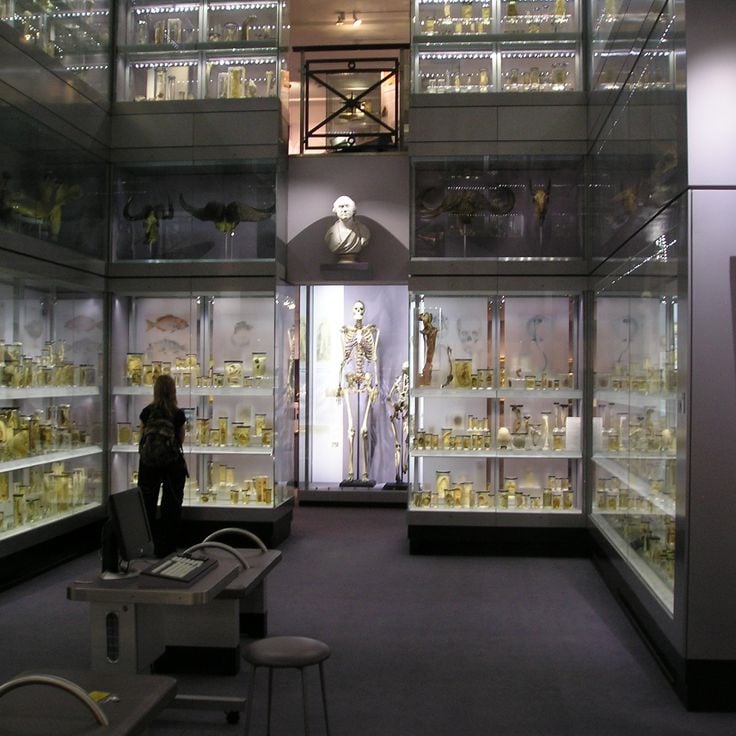
The Hunterian Museum presents anatomical specimens, surgical instruments and pathological artifacts from the Royal College of Surgeons collection. This medical institution documents the development of surgery since 1799, displaying exhibits on anatomy and pathology. The collection includes preserved human and animal organs, historical operating instruments and objects related to medical science history. The museum holdings originated from surgeon John Hunter's private collection.
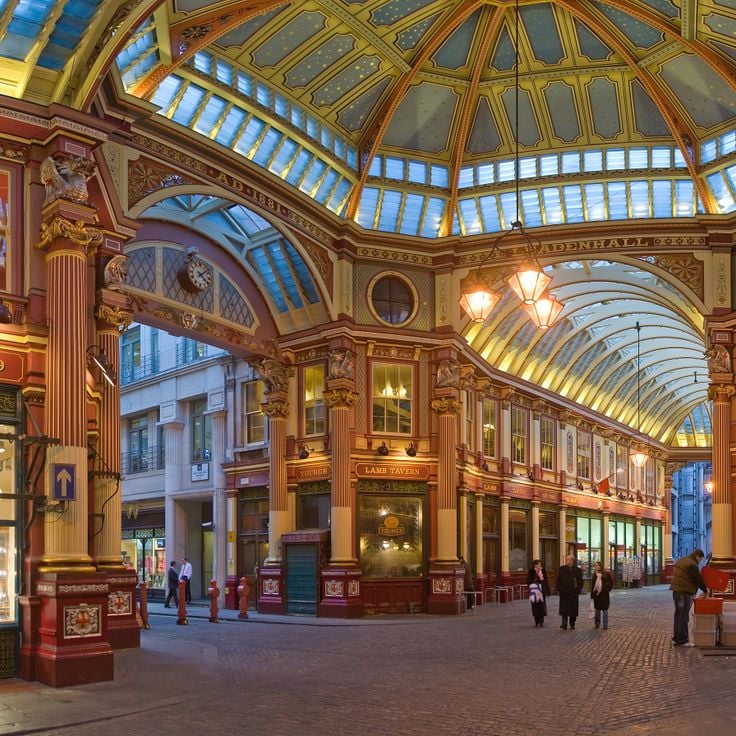
This Victorian market hall from 1881 displays the era's typical iron architecture with red and green painted framework beneath a glass roof. The Leadenhall Market now houses shops, restaurants and cafes in one of London's oldest trading districts, standing on the site of the Roman forum.
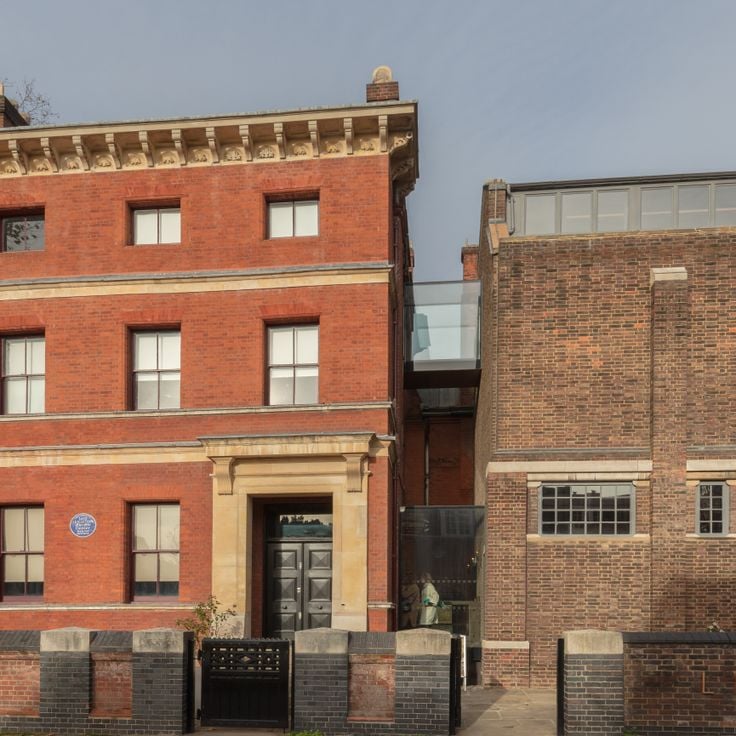
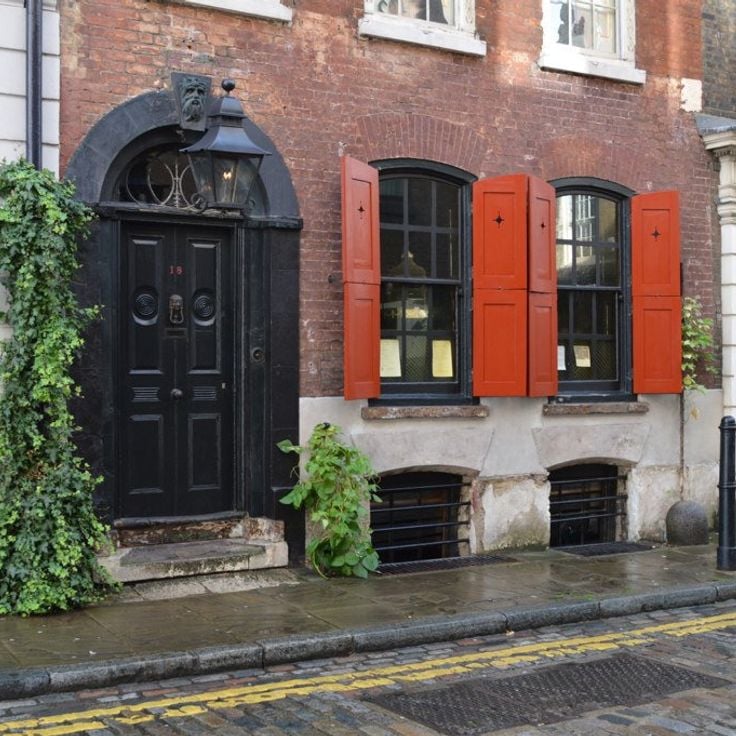
This Georgian house in Spitalfields recreates family life from 1724 to 1914. It shows rooms furnished with original items, everyday objects, and sensory installations. The rooms seem to have been left just now by the people who lived there, with warm cups of tea, lit candles, and the smell of fresh bread in the air.
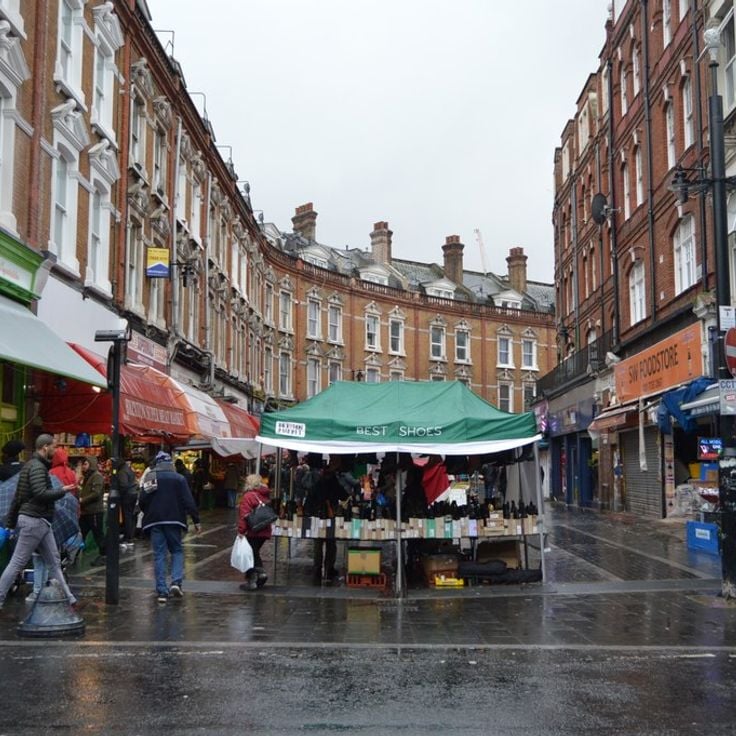
This shopping street in Brixton became the first in London to install electric lighting in 1880. Electric Avenue developed into a major commercial center and remains an active shopping district today, with numerous stores reflecting the multicultural character of the neighborhood.
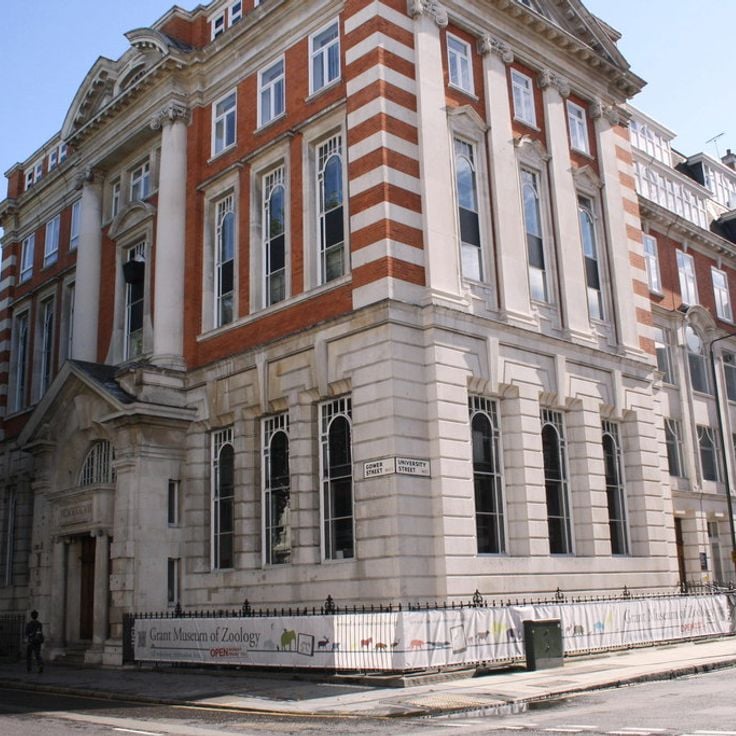
The Grant Museum of Zoology displays 68,000 specimens from the university's natural history collections. The exhibition includes skeletons, anatomical preparations and animals preserved in alcohol, among them examples of the extinct Tasmanian Tiger and the Dodo.
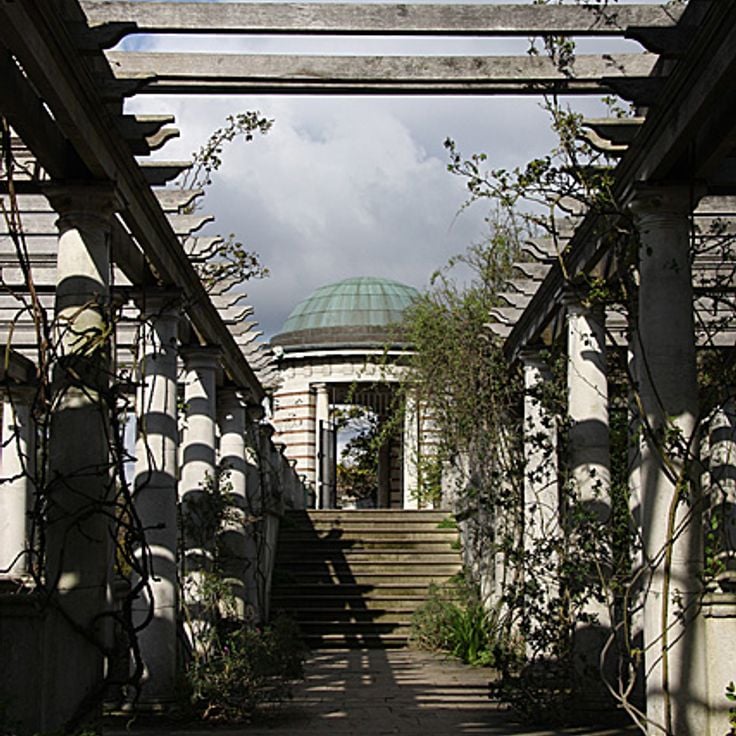
This 1905 garden complex extends along a 250-foot colonnade (820 feet) featuring elevated walkways and botanical plantings. The structure combines formal garden architecture with natural vegetation across a sloping terrain. Visitors can walk through covered passages overgrown with climbing plants and take in views across the surrounding landscape.
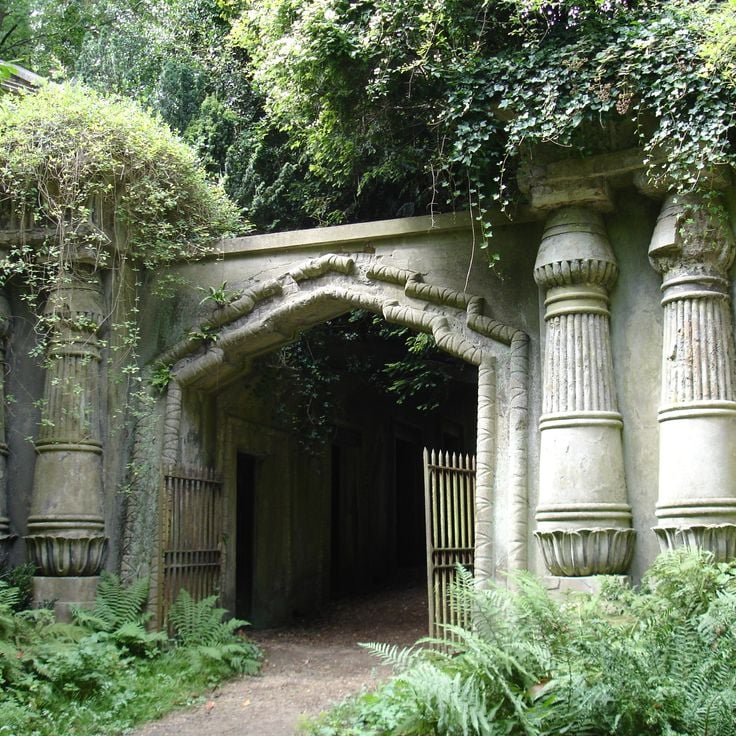
Walking through this cemetery open since 1839 in the north of London, you get a chill. It holds about 170,000 graves spread over 15 acres of wooded area. The site has west and east sections and is the resting place of Karl Marx, George Eliot, Douglas Adams, and George Michael. The Victorian west part includes the Egyptian Avenue and the Terrace Catacomb Circle, which are only accessible on guided tours. The east part, open to visitors, is maintained by volunteers and shows the overgrown plants that cover the place.
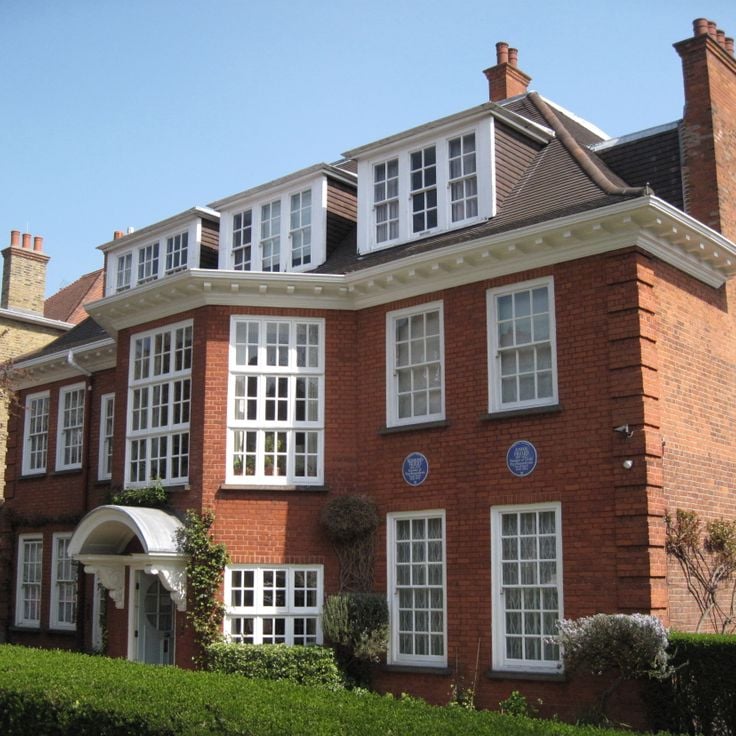
This museum house served as Sigmund Freud's final residence from 1938 until his death in 1939 after fleeing Vienna. The rooms display his personal library of over two thousand books, Viennese furniture from his Berggasse practice, and his collection of ancient Greek, Roman and Egyptian objects. The original psychoanalytic couch stands in his former study, where he received patients and worked on his final writings until shortly before his death.
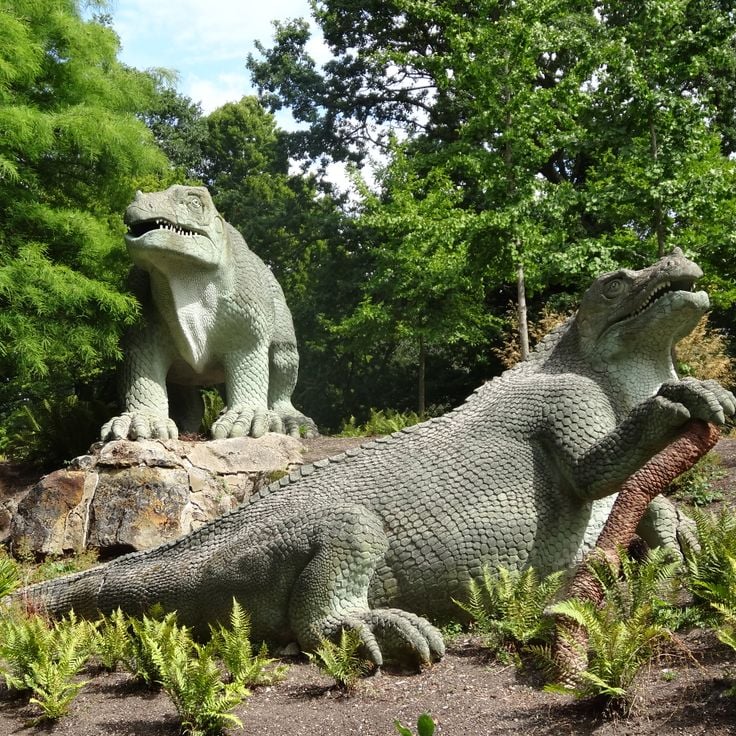
Discover the many concrete sculptures displayed in the park. They were made in 1854 under the guidance of paleontologists and were the first life-sized reconstructions of extinct animals, including dinosaurs, marine reptiles, and prehistoric mammals. They show how people understood these animals at that time.
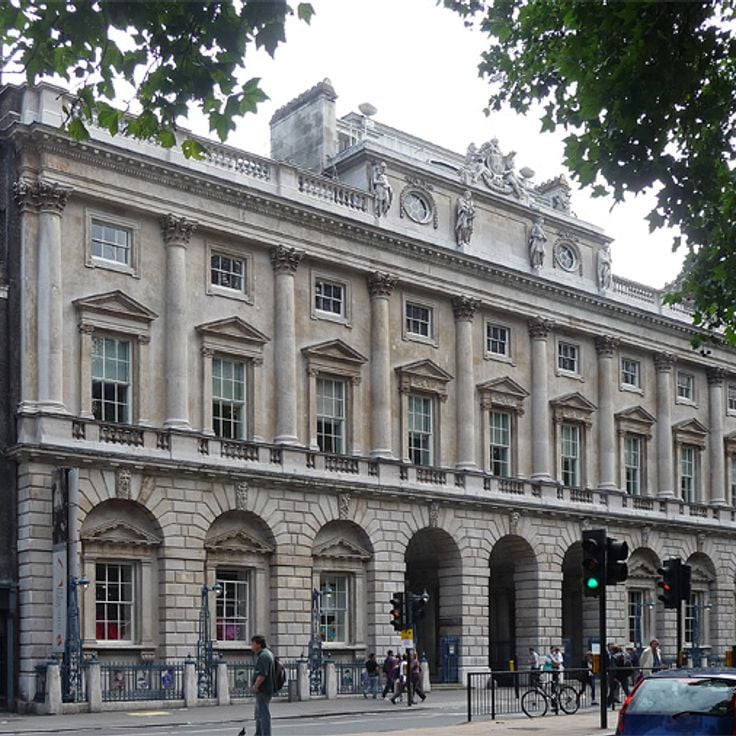
This Georgian complex built in 1776 hosts rotating art exhibitions, concerts and cultural events throughout the year. The central courtyard contains 55 fountains that play in summer and transform into an ice rink during winter months. The 19-acre (7.6-hectare) estate stretches between the Strand and the Thames, housing several museums and regular outdoor film screenings.
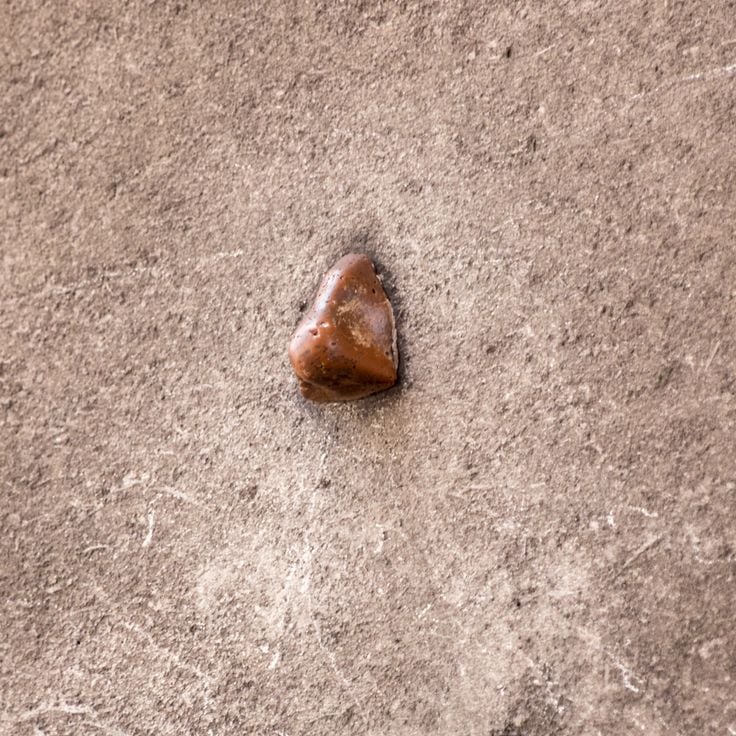
A very original art installation from 1997 that consists of plaster casts of noses attached to different walls in the neighborhood. The artist Rick Buckley created this work to protest against the increasing surveillance by cameras in public spaces. The seven noses are spread out across several streets and require a walk through Soho to see them all.
This public garden occupies the ruins of a 17th-century church and contains plants and benches. The remains of the church were converted into an urban garden after World War II, providing visitors with a retreat in the City of London.
Here you will find a collection of neon signs that covers several decades and brings together thousands of neon lights installed in an old warehouse in Walthamstow. The exhibition traces the history of British neon advertising from the 1950s to today, showing the work of artist Chris Bracey, who made pieces for movies, music videos, and commercial projects. Visitors can walk among illuminated letters, film props, and vintage advertising signs in a space without a traditional exhibition setup.
A network of canals at the junction of Regent's Canal and Grand Union Canal, with water routes where barges, restaurants, and cafes are moored. The small bridges and the tree-lined banks create a calm setting away from busier parts of the city. Visitors can walk along the paved paths or stop at the waterside spots.
This music hall from 1859 preserves its original architecture and hosts performances spanning music, theater and artistic events. The East End venue stands as one of London's oldest surviving music theaters and attracts visitors seeking historic performance spaces beyond the major West End theaters.
The Leighton House Museum preserves the Victorian home of painter Frederic Leighton, including his studio, a picture gallery and the Arab Hall, a chamber decorated with Middle Eastern tiles. The collection features works by Leighton and his Pre-Raphaelite contemporaries, along with objects the artist acquired during his travels. The building itself represents one of the most notable artist residences of nineteenth-century London.
In this public park, you will see a special collection of more than fifty hand-painted ceramic plaques. They honor people who have died trying to save others since 1900. The memorial was started by the Victorian artist George Frederic Watts. It records rescue efforts during fires, floods, and other emergencies. The park itself has lawns and benches in a quiet place away from the main tourist routes.
This bookshop retains its original Edwardian architecture, with a timber gallery, oak paneling and skylights running through three floors. The collection includes international literature and travel guides organized by destination, offering both contemporary and out-of-print editions. The long, narrow building dates from 1912 and was purpose-built as a bookshop.
A beautiful Japanese garden was created in 1991 as a gift from Kyoto. It shows a traditional layout with a pond filled with carp, stone lanterns, and a waterfall. Visitors from London can get a sense of eastern garden art here.
This museum in Lincoln's Inn Fields preserves the original arrangement of an early 19th-century scholar's house. The rooms contain architectural fragments from various periods, an Egyptian sarcophagus and works by Canaletto and Hogarth. The collection also includes classical sculptures, drawings and decorative elements that the architect assembled during his career.
Eel Pie Island sits in the Thames at Twickenham and is home to roughly 120 residents along with several artist studios that open to visitors twice a year. This private island gained recognition in the 1960s for rock concerts held at the former Eel Pie Island Hotel, where acts including The Rolling Stones, The Who and David Bowie performed. Access to the island is via a narrow footbridge, and the residential properties and studios can only be visited on designated open days.
This medical museum occupies a church attic and displays surgical instruments and medical equipment from the nineteenth century. The collection documents the history of surgery during an era when operations were performed without anesthesia. The space originally served as an operating theater for students of the nearby St Thomas Hospital and now preserves authentic tools and exhibits from this period in medical history.
You can only look at this triangular tower on Shooter's Hill. It was built in 1784, in a Gothic style with battlements and arched windows, and offers views over the city up to seven counties.
This community garden between theaters and restaurants in London's West End supports native plants and urban foxes. The Phoenix Garden provides a retreat from the busy streets of the theater district on a small plot. Volunteers maintain the grounds, designed as an ecological project for local flora and fauna.
A Victorian installation from 1865 houses steam machines from the original building period. The cast iron decorations on the walls show the decorative standards of Victorian engineering. The pumping station was built to manage London's sewer system and features preserved machines along with technical details from the nineteenth century.
A complex from the 14th century houses a large Tudor hall and a chapel. The building has served as a monastery and then as a school through the years, holding important signs of London's medieval and modern history. Guided tours allow visitors to learn about the different periods of use of the site.
This garden occupies around 40 acres within Richmond Park. The Isabella Plantation holds extensive collections of azaleas and rhododendrons planted among mature oaks, with blooms appearing in various colors depending on the season. Developed progressively since the 1950s, the garden now includes several ponds, streams and informal pathways through naturalistic plantings that attract visitors seeking a quieter corner of the capital.
Founded in 1123, this church combines Norman and Gothic architectural elements in a cross-shaped plan with large stone columns. St. Bartholomew the Great is one of the oldest religious buildings still standing in the British capital and shows centuries of church building in its structure. It is located outside the usual tourist routes.
This museum occupies the site of the original prison and presents methods of punishment and conditions of incarceration from the 12th century until its closure in the 19th century. The exhibition includes torture devices, period documents and reconstructed cells. The location on the south bank of the Thames once belonged to the Bishop of Winchester's estate, which maintained its own judicial authority. Visitors learn about the treatment of heretics, prostitutes and other prisoners in one of London's most notorious detention facilities.
The nineteenth-century pumping station in the Wapping area of London keeps its original steam engines and industrial equipment. The old hydraulic factory has been turned into a restaurant and exhibition space while keeping the historic machinery as part of the building. This building shows the industrial structures that helped London grow during the Victorian era.
The Islington Theater has been showing puppet shows for children and adults since 1961. It also offers puppet-making workshops and focuses on both modern and traditional performances. The Little Angel Theatre is one of the few permanent puppet theaters in London and has a hall for about 100 people.
This historic harbor dating from 1828 evolved from commercial docks into a marina with restaurants and offices housed in converted warehouses along the Thames. The complex sits east of the Tower of London and features pedestrian areas around water basins where private boats are moored. Original dock structures were preserved and transformed into residential and commercial spaces while maintaining the historic port architecture. The site now functions as a mixed use neighborhood with Thames access.
The Chelsea Physic Garden dates from 1673 and houses collections of medicinal plants and exotic species. Guided tours explain the medical uses of various plant species. This institution has served pharmaceutical research and education since its founding and now preserves one of Europe's oldest botanical collections.
This 1815 residence displays manuscripts, books and personal possessions of poet John Keats. Keats lived here from 1818 to 1820 and wrote some of his best known works, including "Ode to a Nightingale".
Come and see this Hindu temple in Neasden. It opened in 1995 as the first traditional mandir in Europe. The temple draws visitors with its hand-carved architecture made from Indian limestone and Italian marble. The complex has exhibition areas about Hindu culture, a prayer hall, and well-kept gardens. These show some of the religious practices of the Swaminarayan community.
The Hunterian Museum presents anatomical specimens, surgical instruments and pathological artifacts from the Royal College of Surgeons collection. This medical institution documents the development of surgery since 1799, displaying exhibits on anatomy and pathology. The collection includes preserved human and animal organs, historical operating instruments and objects related to medical science history. The museum holdings originated from surgeon John Hunter's private collection.
This Victorian market hall from 1881 displays the era's typical iron architecture with red and green painted framework beneath a glass roof. The Leadenhall Market now houses shops, restaurants and cafes in one of London's oldest trading districts, standing on the site of the Roman forum.
This Georgian house in Spitalfields recreates family life from 1724 to 1914. It shows rooms furnished with original items, everyday objects, and sensory installations. The rooms seem to have been left just now by the people who lived there, with warm cups of tea, lit candles, and the smell of fresh bread in the air.
This shopping street in Brixton became the first in London to install electric lighting in 1880. Electric Avenue developed into a major commercial center and remains an active shopping district today, with numerous stores reflecting the multicultural character of the neighborhood.
The Grant Museum of Zoology displays 68,000 specimens from the university's natural history collections. The exhibition includes skeletons, anatomical preparations and animals preserved in alcohol, among them examples of the extinct Tasmanian Tiger and the Dodo.
This 1905 garden complex extends along a 250-foot colonnade (820 feet) featuring elevated walkways and botanical plantings. The structure combines formal garden architecture with natural vegetation across a sloping terrain. Visitors can walk through covered passages overgrown with climbing plants and take in views across the surrounding landscape.
Walking through this cemetery open since 1839 in the north of London, you get a chill. It holds about 170,000 graves spread over 15 acres of wooded area. The site has west and east sections and is the resting place of Karl Marx, George Eliot, Douglas Adams, and George Michael. The Victorian west part includes the Egyptian Avenue and the Terrace Catacomb Circle, which are only accessible on guided tours. The east part, open to visitors, is maintained by volunteers and shows the overgrown plants that cover the place.
This museum house served as Sigmund Freud's final residence from 1938 until his death in 1939 after fleeing Vienna. The rooms display his personal library of over two thousand books, Viennese furniture from his Berggasse practice, and his collection of ancient Greek, Roman and Egyptian objects. The original psychoanalytic couch stands in his former study, where he received patients and worked on his final writings until shortly before his death.
Discover the many concrete sculptures displayed in the park. They were made in 1854 under the guidance of paleontologists and were the first life-sized reconstructions of extinct animals, including dinosaurs, marine reptiles, and prehistoric mammals. They show how people understood these animals at that time.
This Georgian complex built in 1776 hosts rotating art exhibitions, concerts and cultural events throughout the year. The central courtyard contains 55 fountains that play in summer and transform into an ice rink during winter months. The 19-acre (7.6-hectare) estate stretches between the Strand and the Thames, housing several museums and regular outdoor film screenings.
A very original art installation from 1997 that consists of plaster casts of noses attached to different walls in the neighborhood. The artist Rick Buckley created this work to protest against the increasing surveillance by cameras in public spaces. The seven noses are spread out across several streets and require a walk through Soho to see them all.
This public garden occupies the ruins of a 17th-century church and contains plants and benches. The remains of the church were converted into an urban garden after World War II, providing visitors with a retreat in the City of London.
Here you will find a collection of neon signs that covers several decades and brings together thousands of neon lights installed in an old warehouse in Walthamstow. The exhibition traces the history of British neon advertising from the 1950s to today, showing the work of artist Chris Bracey, who made pieces for movies, music videos, and commercial projects. Visitors can walk among illuminated letters, film props, and vintage advertising signs in a space without a traditional exhibition setup.
A network of canals at the junction of Regent's Canal and Grand Union Canal, with water routes where barges, restaurants, and cafes are moored. The small bridges and the tree-lined banks create a calm setting away from busier parts of the city. Visitors can walk along the paved paths or stop at the waterside spots.
This music hall from 1859 preserves its original architecture and hosts performances spanning music, theater and artistic events. The East End venue stands as one of London's oldest surviving music theaters and attracts visitors seeking historic performance spaces beyond the major West End theaters.
The Leighton House Museum preserves the Victorian home of painter Frederic Leighton, including his studio, a picture gallery and the Arab Hall, a chamber decorated with Middle Eastern tiles. The collection features works by Leighton and his Pre-Raphaelite contemporaries, along with objects the artist acquired during his travels. The building itself represents one of the most notable artist residences of nineteenth-century London.
In this public park, you will see a special collection of more than fifty hand-painted ceramic plaques. They honor people who have died trying to save others since 1900. The memorial was started by the Victorian artist George Frederic Watts. It records rescue efforts during fires, floods, and other emergencies. The park itself has lawns and benches in a quiet place away from the main tourist routes.
This bookshop retains its original Edwardian architecture, with a timber gallery, oak paneling and skylights running through three floors. The collection includes international literature and travel guides organized by destination, offering both contemporary and out-of-print editions. The long, narrow building dates from 1912 and was purpose-built as a bookshop.
A beautiful Japanese garden was created in 1991 as a gift from Kyoto. It shows a traditional layout with a pond filled with carp, stone lanterns, and a waterfall. Visitors from London can get a sense of eastern garden art here.
This museum in Lincoln's Inn Fields preserves the original arrangement of an early 19th-century scholar's house. The rooms contain architectural fragments from various periods, an Egyptian sarcophagus and works by Canaletto and Hogarth. The collection also includes classical sculptures, drawings and decorative elements that the architect assembled during his career.
Eel Pie Island sits in the Thames at Twickenham and is home to roughly 120 residents along with several artist studios that open to visitors twice a year. This private island gained recognition in the 1960s for rock concerts held at the former Eel Pie Island Hotel, where acts including The Rolling Stones, The Who and David Bowie performed. Access to the island is via a narrow footbridge, and the residential properties and studios can only be visited on designated open days.
This medical museum occupies a church attic and displays surgical instruments and medical equipment from the nineteenth century. The collection documents the history of surgery during an era when operations were performed without anesthesia. The space originally served as an operating theater for students of the nearby St Thomas Hospital and now preserves authentic tools and exhibits from this period in medical history.
You can only look at this triangular tower on Shooter's Hill. It was built in 1784, in a Gothic style with battlements and arched windows, and offers views over the city up to seven counties.
This community garden between theaters and restaurants in London's West End supports native plants and urban foxes. The Phoenix Garden provides a retreat from the busy streets of the theater district on a small plot. Volunteers maintain the grounds, designed as an ecological project for local flora and fauna.
A Victorian installation from 1865 houses steam machines from the original building period. The cast iron decorations on the walls show the decorative standards of Victorian engineering. The pumping station was built to manage London's sewer system and features preserved machines along with technical details from the nineteenth century.
A complex from the 14th century houses a large Tudor hall and a chapel. The building has served as a monastery and then as a school through the years, holding important signs of London's medieval and modern history. Guided tours allow visitors to learn about the different periods of use of the site.
This garden occupies around 40 acres within Richmond Park. The Isabella Plantation holds extensive collections of azaleas and rhododendrons planted among mature oaks, with blooms appearing in various colors depending on the season. Developed progressively since the 1950s, the garden now includes several ponds, streams and informal pathways through naturalistic plantings that attract visitors seeking a quieter corner of the capital.
Founded in 1123, this church combines Norman and Gothic architectural elements in a cross-shaped plan with large stone columns. St. Bartholomew the Great is one of the oldest religious buildings still standing in the British capital and shows centuries of church building in its structure. It is located outside the usual tourist routes.
This museum occupies the site of the original prison and presents methods of punishment and conditions of incarceration from the 12th century until its closure in the 19th century. The exhibition includes torture devices, period documents and reconstructed cells. The location on the south bank of the Thames once belonged to the Bishop of Winchester's estate, which maintained its own judicial authority. Visitors learn about the treatment of heretics, prostitutes and other prisoners in one of London's most notorious detention facilities.
The nineteenth-century pumping station in the Wapping area of London keeps its original steam engines and industrial equipment. The old hydraulic factory has been turned into a restaurant and exhibition space while keeping the historic machinery as part of the building. This building shows the industrial structures that helped London grow during the Victorian era.
The Islington Theater has been showing puppet shows for children and adults since 1961. It also offers puppet-making workshops and focuses on both modern and traditional performances. The Little Angel Theatre is one of the few permanent puppet theaters in London and has a hall for about 100 people.
This historic harbor dating from 1828 evolved from commercial docks into a marina with restaurants and offices housed in converted warehouses along the Thames. The complex sits east of the Tower of London and features pedestrian areas around water basins where private boats are moored. Original dock structures were preserved and transformed into residential and commercial spaces while maintaining the historic port architecture. The site now functions as a mixed use neighborhood with Thames access.
The Chelsea Physic Garden dates from 1673 and houses collections of medicinal plants and exotic species. Guided tours explain the medical uses of various plant species. This institution has served pharmaceutical research and education since its founding and now preserves one of Europe's oldest botanical collections.
This 1815 residence displays manuscripts, books and personal possessions of poet John Keats. Keats lived here from 1818 to 1820 and wrote some of his best known works, including "Ode to a Nightingale".
Come and see this Hindu temple in Neasden. It opened in 1995 as the first traditional mandir in Europe. The temple draws visitors with its hand-carved architecture made from Indian limestone and Italian marble. The complex has exhibition areas about Hindu culture, a prayer hall, and well-kept gardens. These show some of the religious practices of the Swaminarayan community.
The Hunterian Museum presents anatomical specimens, surgical instruments and pathological artifacts from the Royal College of Surgeons collection. This medical institution documents the development of surgery since 1799, displaying exhibits on anatomy and pathology. The collection includes preserved human and animal organs, historical operating instruments and objects related to medical science history. The museum holdings originated from surgeon John Hunter's private collection.
This Victorian market hall from 1881 displays the era's typical iron architecture with red and green painted framework beneath a glass roof. The Leadenhall Market now houses shops, restaurants and cafes in one of London's oldest trading districts, standing on the site of the Roman forum.
This Georgian house in Spitalfields recreates family life from 1724 to 1914. It shows rooms furnished with original items, everyday objects, and sensory installations. The rooms seem to have been left just now by the people who lived there, with warm cups of tea, lit candles, and the smell of fresh bread in the air.
This shopping street in Brixton became the first in London to install electric lighting in 1880. Electric Avenue developed into a major commercial center and remains an active shopping district today, with numerous stores reflecting the multicultural character of the neighborhood.
The Grant Museum of Zoology displays 68,000 specimens from the university's natural history collections. The exhibition includes skeletons, anatomical preparations and animals preserved in alcohol, among them examples of the extinct Tasmanian Tiger and the Dodo.
This 1905 garden complex extends along a 250-foot colonnade (820 feet) featuring elevated walkways and botanical plantings. The structure combines formal garden architecture with natural vegetation across a sloping terrain. Visitors can walk through covered passages overgrown with climbing plants and take in views across the surrounding landscape.
Walking through this cemetery open since 1839 in the north of London, you get a chill. It holds about 170,000 graves spread over 15 acres of wooded area. The site has west and east sections and is the resting place of Karl Marx, George Eliot, Douglas Adams, and George Michael. The Victorian west part includes the Egyptian Avenue and the Terrace Catacomb Circle, which are only accessible on guided tours. The east part, open to visitors, is maintained by volunteers and shows the overgrown plants that cover the place.
This museum house served as Sigmund Freud's final residence from 1938 until his death in 1939 after fleeing Vienna. The rooms display his personal library of over two thousand books, Viennese furniture from his Berggasse practice, and his collection of ancient Greek, Roman and Egyptian objects. The original psychoanalytic couch stands in his former study, where he received patients and worked on his final writings until shortly before his death.
Discover the many concrete sculptures displayed in the park. They were made in 1854 under the guidance of paleontologists and were the first life-sized reconstructions of extinct animals, including dinosaurs, marine reptiles, and prehistoric mammals. They show how people understood these animals at that time.
This Georgian complex built in 1776 hosts rotating art exhibitions, concerts and cultural events throughout the year. The central courtyard contains 55 fountains that play in summer and transform into an ice rink during winter months. The 19-acre (7.6-hectare) estate stretches between the Strand and the Thames, housing several museums and regular outdoor film screenings.
A very original art installation from 1997 that consists of plaster casts of noses attached to different walls in the neighborhood. The artist Rick Buckley created this work to protest against the increasing surveillance by cameras in public spaces. The seven noses are spread out across several streets and require a walk through Soho to see them all.
As you have seen in this collection, away from the main attractions, many sites remain little known even to locals. All these places give a view of the history, the buildings, and the culture that is not seen in guidebooks.