See the monuments around you in AROpen chests in the app
Around Us is built for your phone — point your camera at the streets and discover the monuments and places around you in augmented reality.Around Us is built for your phone — chests unlock when you walk, explore and capture nearby places.
Kiel is a port city on the Lübeck Bay where water and history shape the landscape. The city offers a mix of maritime locations, parks, and museums that reveal who Kiel is and what connects the people who live here. The Kiel Canal links the North Sea to the Baltic Sea, making the city crucial for shipping and trade. Visitors can wander through the green spaces of the Botanical Garden or Schrevenpark, watch life unfold at the harbor, and walk along the Kiellinie, where the city opens toward the water.
The museums tell different stories about the place. The Maritime Museum shows the city's connection to the sea, while the Molfsee Open-Air Museum displays traditional buildings and crafts. The GEOMAR Aquarium teaches about life below the surface. Churches like St. Nicholas and the City Hall speak to the city's long past. Beaches such as Falckenstein and Schilksee invite people to swim and spend time by the water, while lighthouses along the coast preserve maritime traditions.
Kiel presents itself as a city that lives on the water and tells stories about it. Whether walking through old shopping streets like Holsten, spending time in parks, or exploring maritime sites, you feel the close relationship between city and sea everywhere.
Kiel is a port city on the Lübeck Bay where water and history shape the landscape. The city offers a mix of maritime locations, parks, and museums that reveal who Kiel is and what connects the people who live here. The Kiel Canal links the North Sea to the Baltic Sea, making the city crucial for shipping and trade. Visitors can wander through the green spaces of the Botanical Garden or Schrevenpark, watch life unfold at the harbor, and walk along the Kiellinie, where the city opens toward the water.
The museums tell different stories about the place. The Maritime Museum shows the city's connection to the sea, while the Molfsee Open-Air Museum displays traditional buildings and crafts. The GEOMAR Aquarium teaches about life below the surface. Churches like St. Nicholas and the City Hall speak to the city's long past. Beaches such as Falckenstein and Schilksee invite people to swim and spend time by the water, while lighthouses along the coast preserve maritime traditions.
Kiel presents itself as a city that lives on the water and tells stories about it. Whether walking through old shopping streets like Holsten, spending time in parks, or exploring maritime sites, you feel the close relationship between city and sea everywhere.
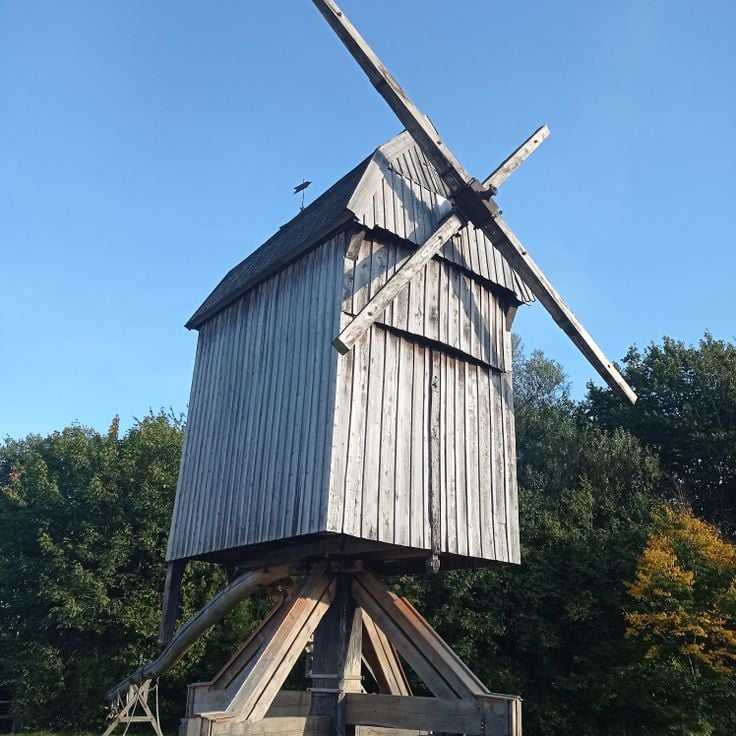
The Molfsee Open-Air Museum – State Museum of Ethnology displays everyday life in Schleswig-Holstein from past centuries. With over 60 historic buildings dating from the 16th to 19th centuries, visitors can learn how people lived and worked back then. Craftspeople demonstrate traditional techniques that were common in earlier times. This museum is one of Kiel's important cultural sites and tells the story of the region's rural past.
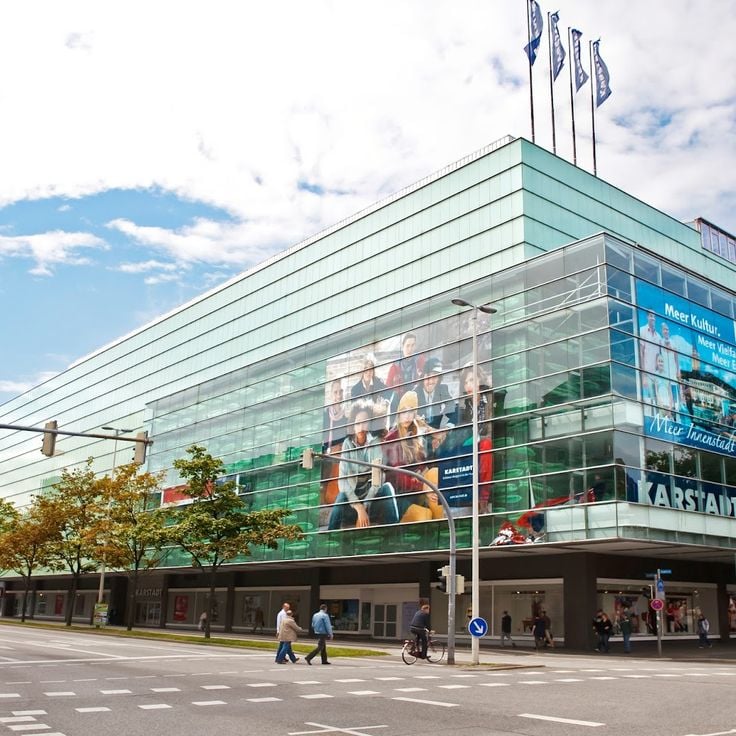
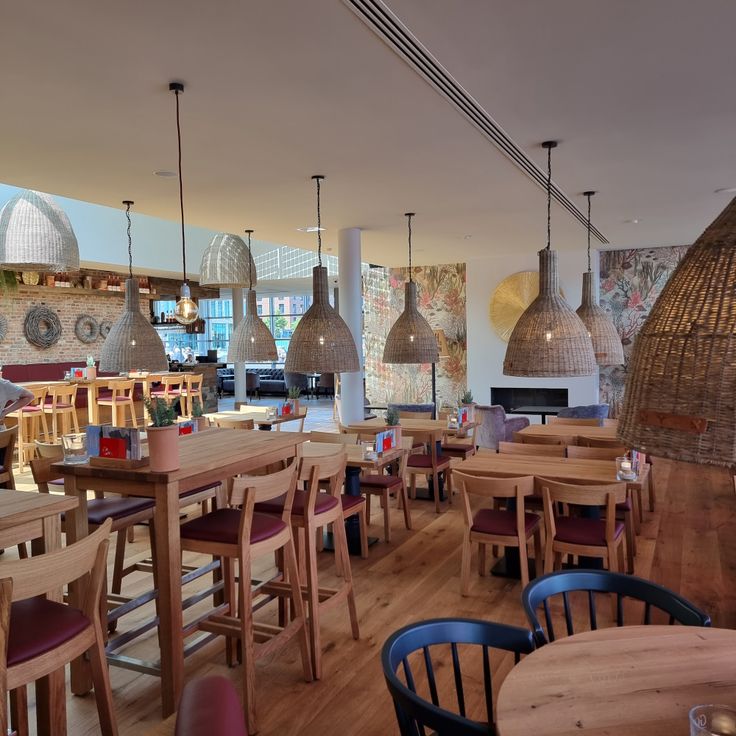
GALERIA Kiel is a five-story department store located in the city center. It offers fashion, cosmetics, and electronics across its floors. The store features a dining area with a terrace that overlooks Holstenstraße, the main pedestrian shopping street. This is one of the principal retail destinations in Kiel's downtown district.
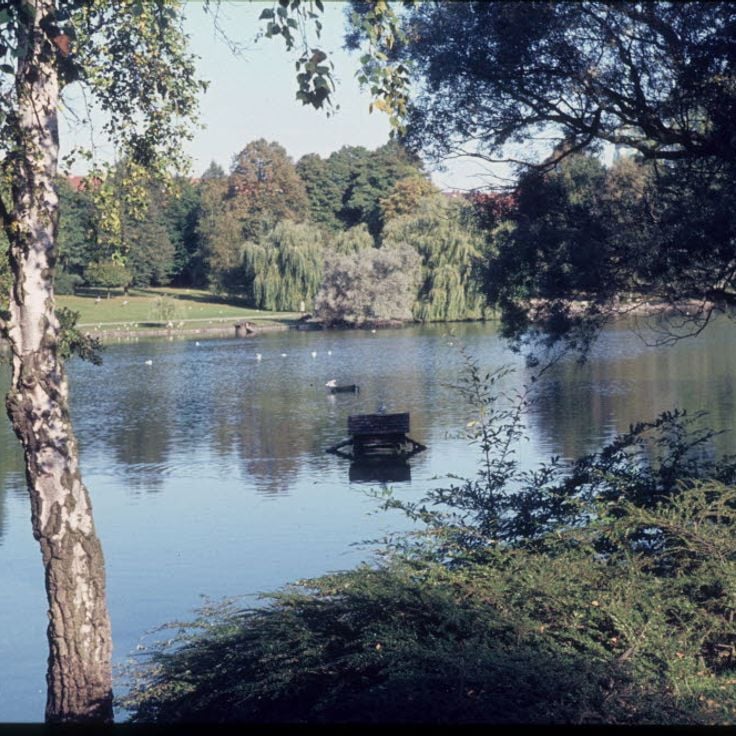
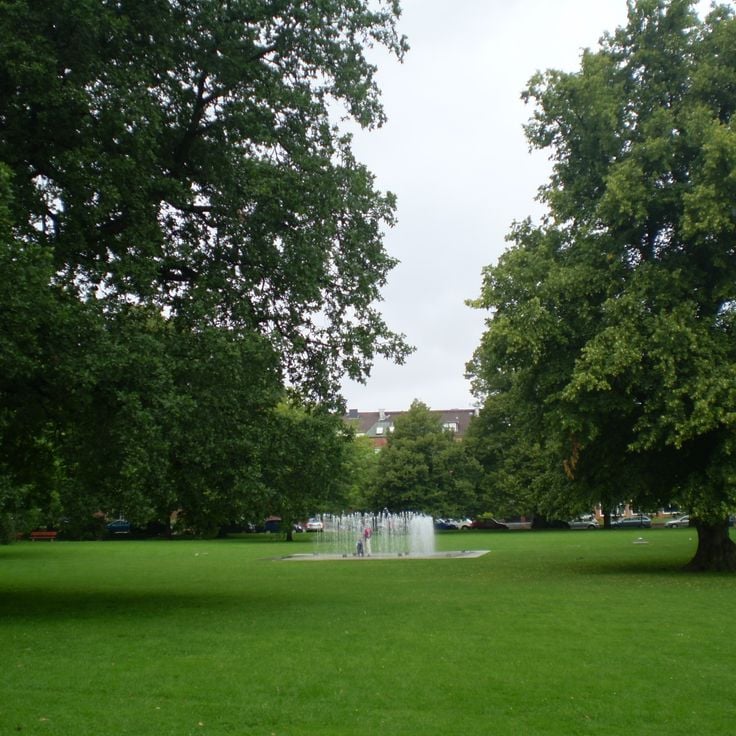
This park in Kiel is a green space created in 1888. It features formal French gardens, an artificial pond, and old oak trees that provide shade. A bandstand sits in the park, and many paths invite you to walk through. The place offers nature and quiet moments in the middle of the city.
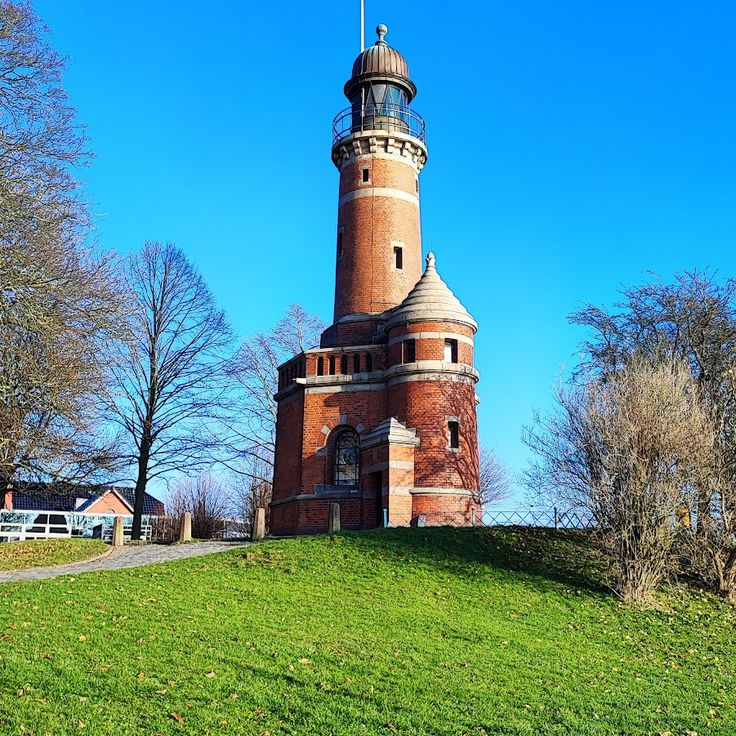
The Kiel-Holtenau Lighthouse is a 31-meter navigation tower built in 1895 that marks the entrance of the Kiel Canal to the Baltic Sea. As part of this maritime city's heritage, the lighthouse serves as a reference point for commercial ships and reflects Kiel's long connection to the sea and international shipping.
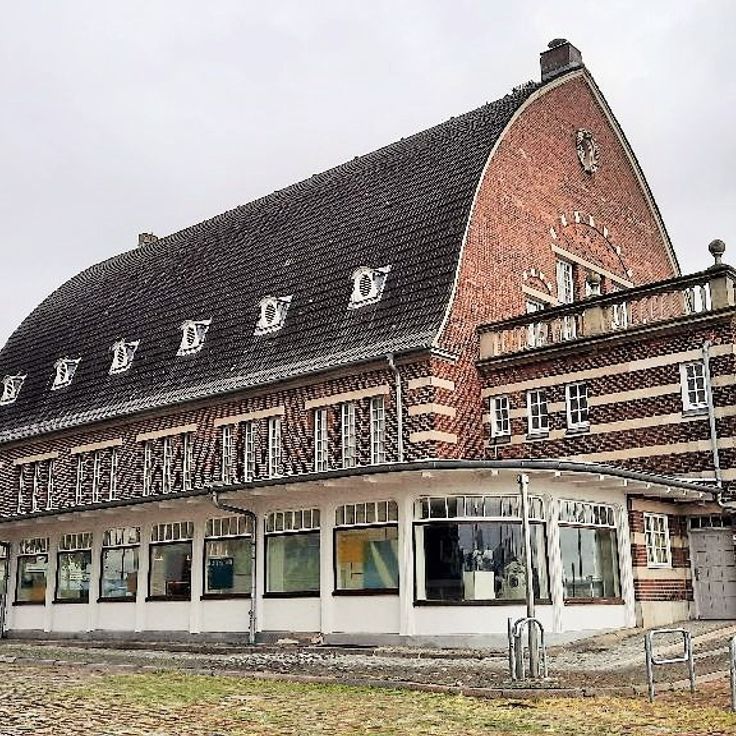
The Kiel Maritime Museum with Fish Market and Museum Bridge is a maritime complex that shows the history of shipping and the port. The museum holds collections of naval objects and maritime equipment. The traditional fish market sells fresh fish and local products. From the Museum Bridge, visitors can look out over the Kiel Canal and watch ships passing by.
Hörn is a renovated port district in Kiel that features restaurant terraces, waterfront cafés, a marina, and promenades along the quays. The site connects the city's maritime heritage with contemporary urban life and allows visitors to experience the fjord landscape from the water.
The Marina in Kiel is a mooring facility for racing sailboats, private yachts, and pleasure boats. As part of this collection of maritime sites, it reflects the city's deep connection to the Baltic Sea and its nautical traditions. The marina offers pontoon moorings, nautical services, and a coastal promenade where visitors can walk and watch the activity on the water.
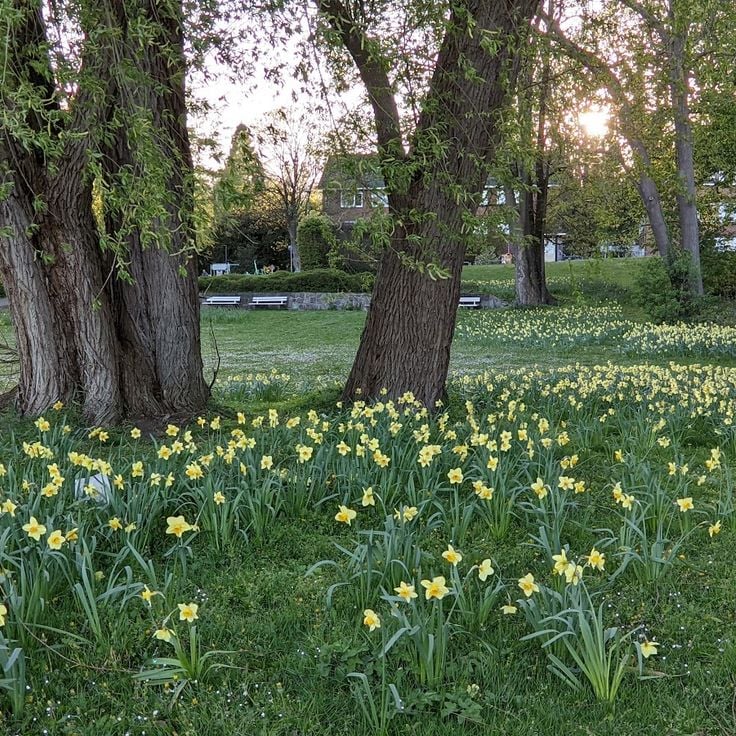
Hiroshima Park is a commemorative park in Kiel dedicated to world peace. The park features landscaped gardens, ornamental ponds, walking paths, and seating areas where visitors can rest. Trees and shrubs are planted throughout, creating shaded spaces. It offers a quiet place to reflect and walk, part of Kiel's cultural sites.
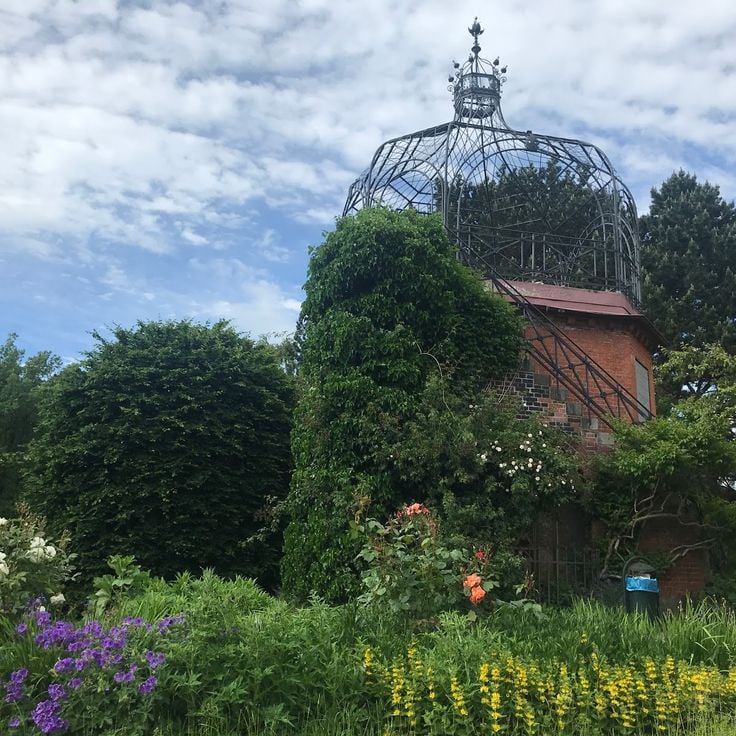
The Kiel Botanical Gardens is a university green space featuring heated greenhouses and specialized plant collections. Educational trails guide students and visitors through displays of European and tropical plant species. As part of Kiel's main attractions, this gardens reflects the city's commitment to science and nature alongside its maritime heritage.
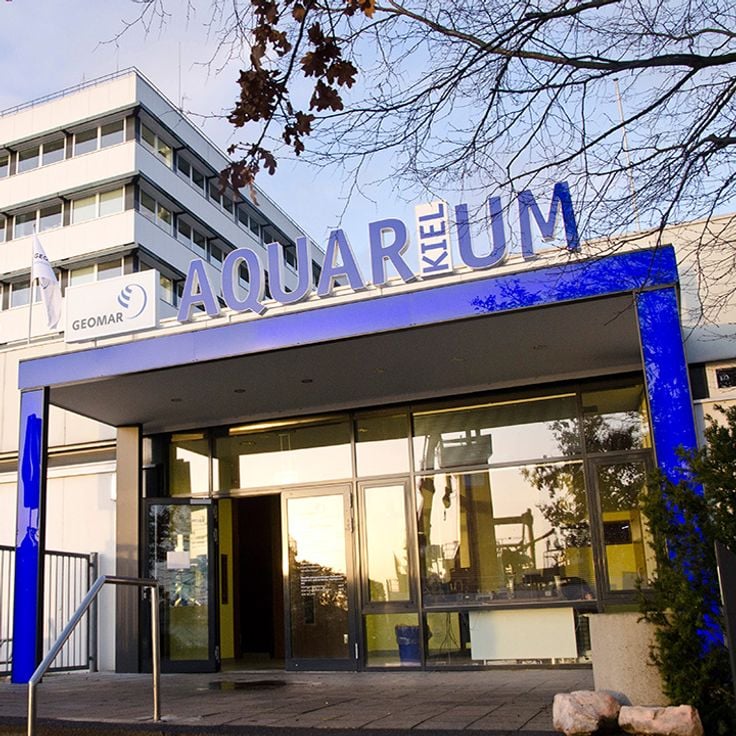
The GEOMAR Aquarium is a scientific center dedicated to marine research. Visitors can see live fish, crustaceans, and other organisms from the Baltic Sea displayed in reconstructed tanks. The aquarium helps explain the underwater world of the Baltic Sea and shows how important it is to the Kiel region.
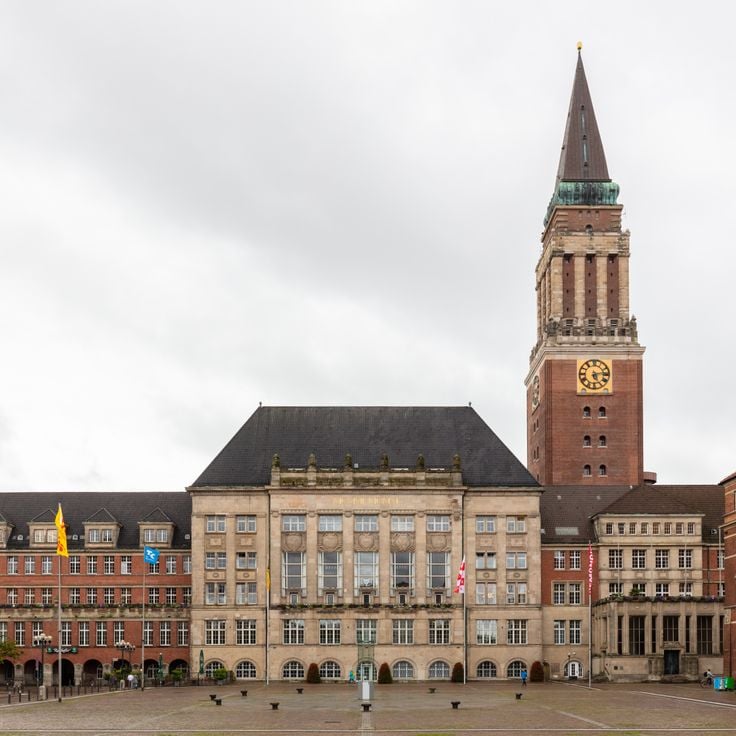
Kiel City Hall is a municipal building constructed between 1907 and 1911 and stands as one of the main attractions in this maritime city in northern Germany. The building reflects the city's architectural heritage and shapes the skyline with its tower rising 106 meters high. A public observation platform at the top offers views over the city and the coastal landscape.
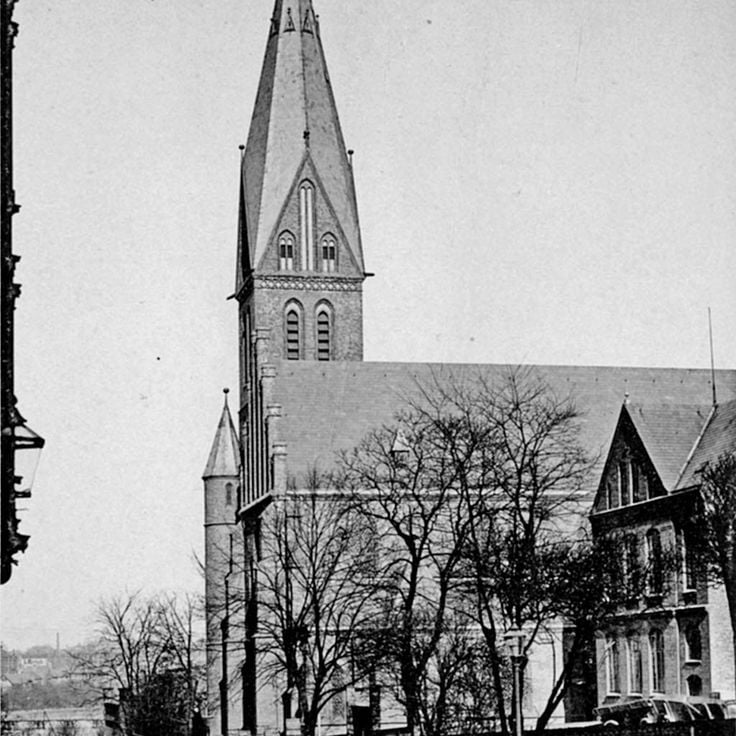
St. Nicholas Church is a Protestant church dating from the 13th century in Kiel, rebuilt after the war and now a major landmark in this Baltic Sea harbor city. Its spire rises prominently above the urban and harbor landscape, serving as a recognizable point of reference for both residents and visitors. The church was carefully reconstructed after World War II and remains an important religious and historical site that reflects the city's heritage. Inside, visitors can experience the peaceful interior and learn about the church's role in Kiel's past.
The Kiellinie is a waterfront promenade that extends for several kilometers along the fjord, introducing visitors to this maritime city. It offers opportunities to watch ships in the harbor and enjoy the green spaces by the water. This promenade shows Kiel's deep connection to the Baltic Sea and is an important place in the city's daily life.
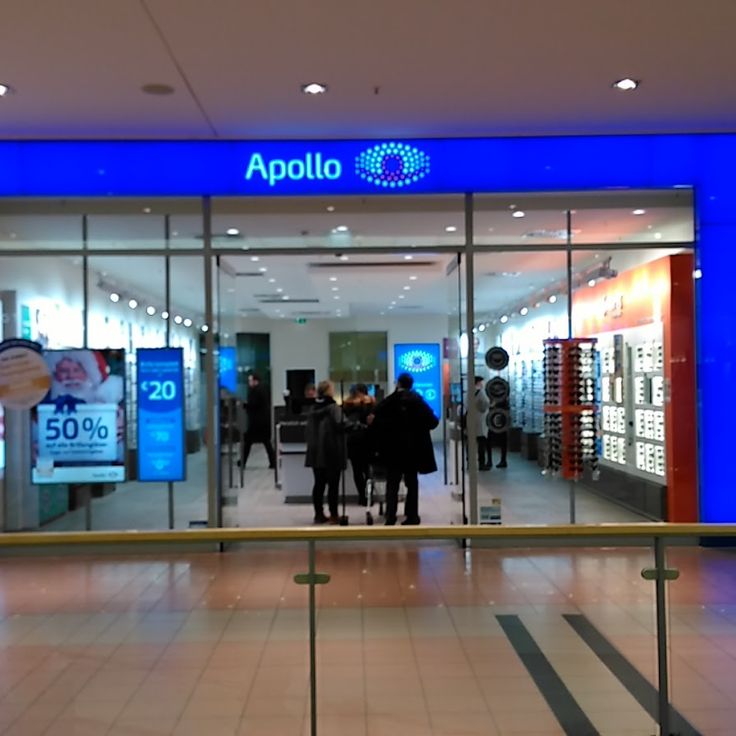
Citti-Park is a modern shopping center in Kiel that brings together more than a hundred specialty stores, dining areas, and a cinema across multiple covered levels. It serves as a central gathering place for shopping and leisure activities, reflecting the city's contemporary retail landscape.
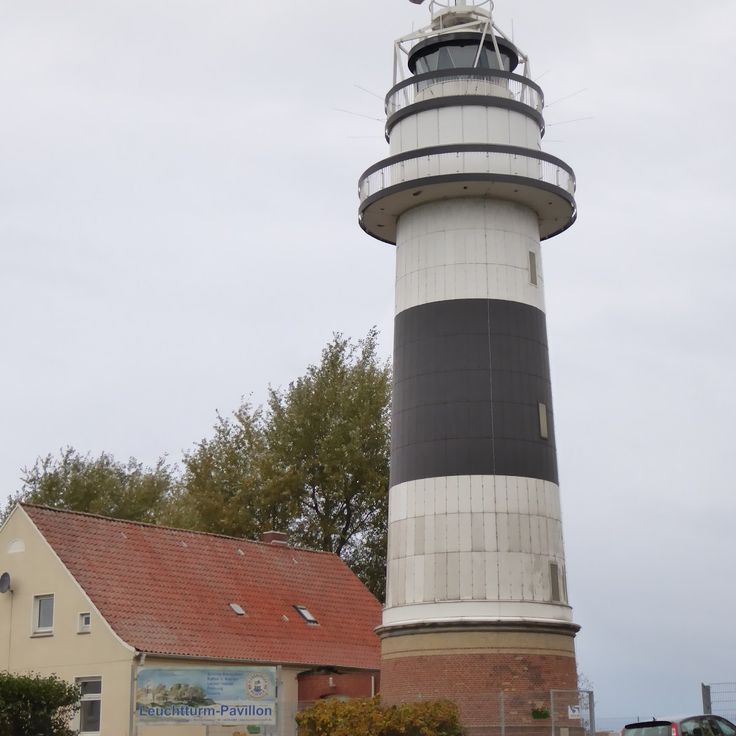
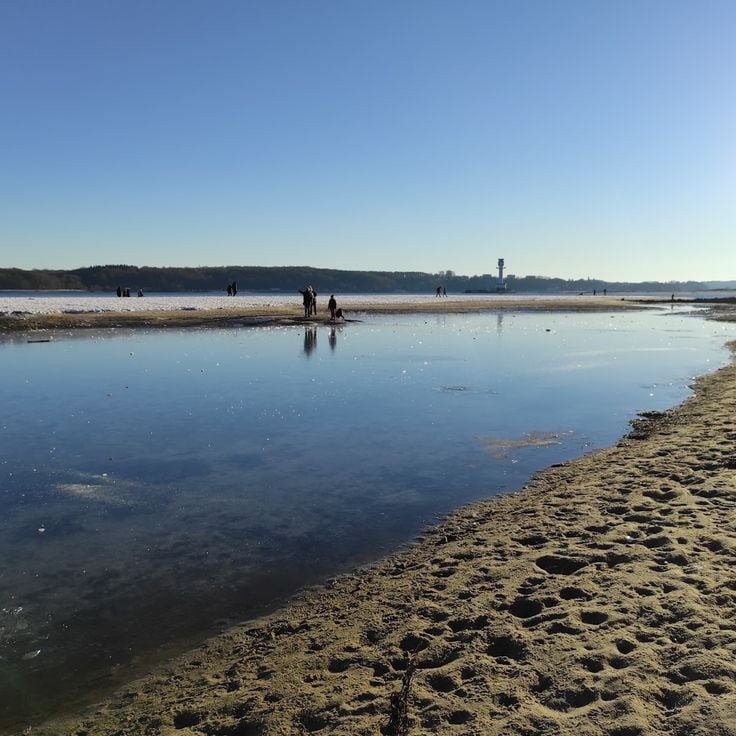
The Bülk Lighthouse is a maritime structure in Kiel that tells the story of the city's seafaring past. Built in 1865, this 36-meter-high tower stands at the entrance to the fjord and guided ships arriving from the Baltic Sea. Visitors can climb to the top and take in views of the bay and surrounding waters. For centuries, this lighthouse served as a critical beacon for vessels navigating to the harbor. Today it remains a place where you can learn about Kiel's shipping heritage and the role such towers played in the city's maritime life.
Falckenstein Beach is a swimming area in Kiel situated on the eastern coast of the fjord. The beach features sand, sanitary facilities, children's play areas, and shaded lounging spaces. This place serves as a local spot where residents and visitors come to swim and spend time by the water near the city.
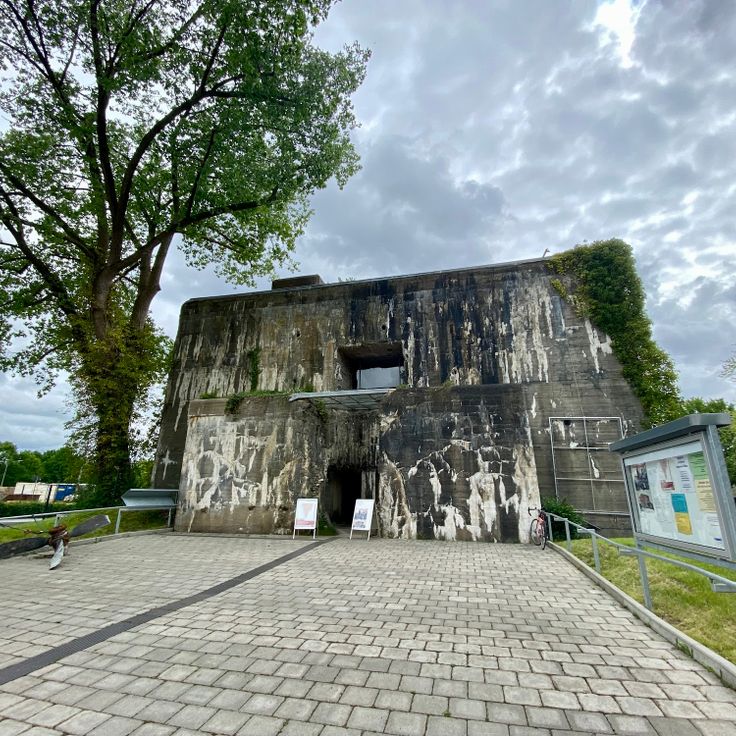
The Flandern Bunker is a former wartime underground shelter built during the Second World War in this maritime city on the Baltic Sea. After the conflict, the underground structure was converted into a memorial site. Today, exhibitions inside show documents and objects from this period of European history. The bunker helps visitors understand the impact of war on the city and remembers the people who sought refuge here.
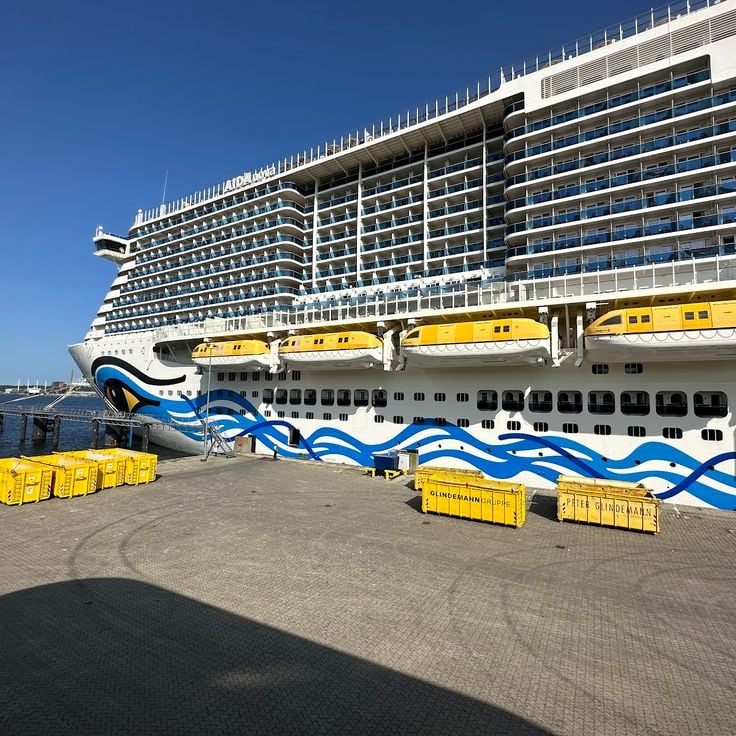
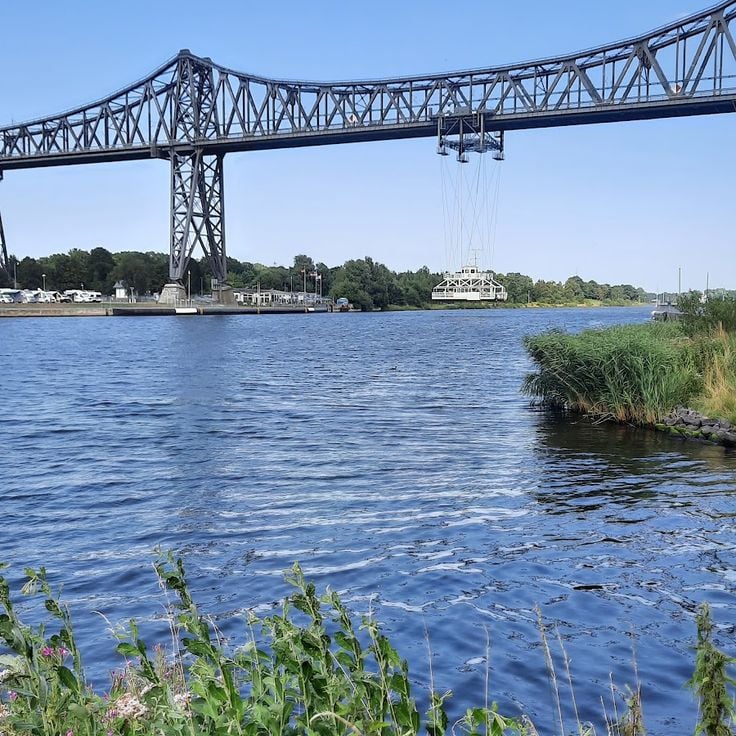
The Kiel Canal is an artificial waterway that connects Kiel to the North Sea. It was built to allow ships to cross the Jutland Peninsula without having to sail around Denmark. The canal stretches about 98 kilometers and is one of the most important shipping routes in Europe. Every day, cargo ships and large cruise ships pass through the canal. Along its banks, you can watch the active life of maritime traffic.
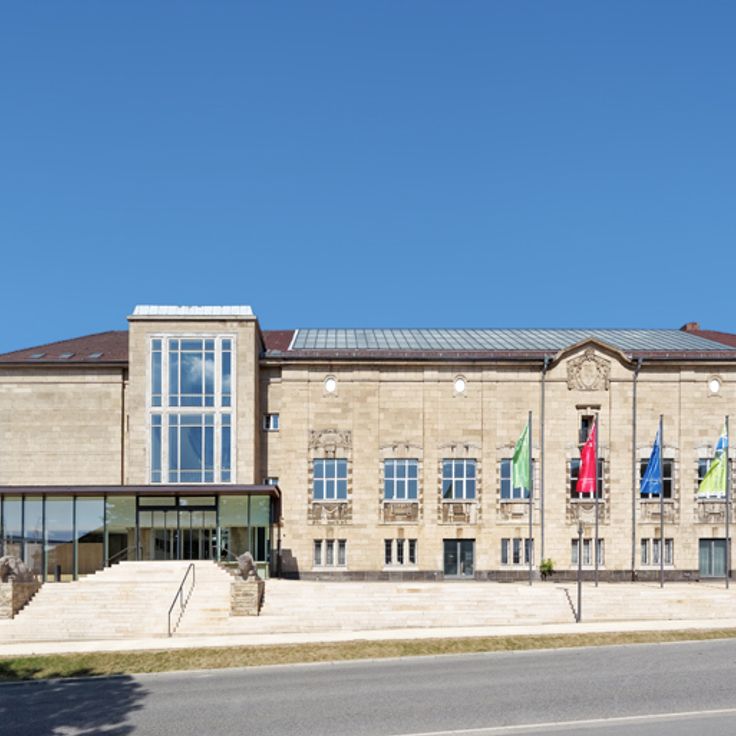
The Kunsthalle zu Kiel is a cultural institution in this maritime city devoted to fine arts. It regularly organizes temporary exhibitions of modern and traditional works by artists from the local region and the international scene. The museum contributes to Kiel's cultural identity and complements the range of cultural venues that reflect the city's heritage.
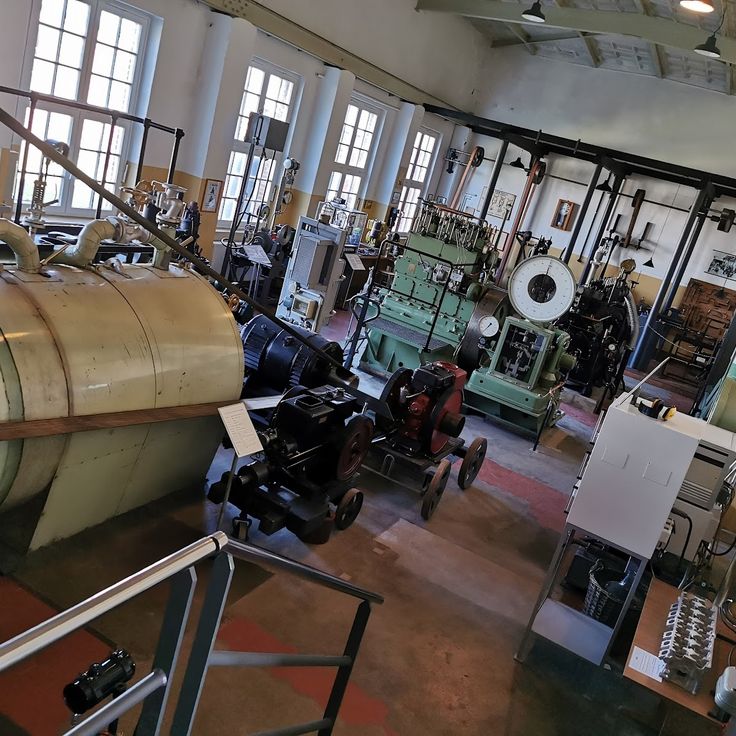
The Computer Museum presents the history of computer development through displays of vintage machines, historical computers, and electronic devices. The collection documents technological progress across several decades. As part of Kiel's cultural offerings, the museum allows visitors to explore how information technology has advanced over time.
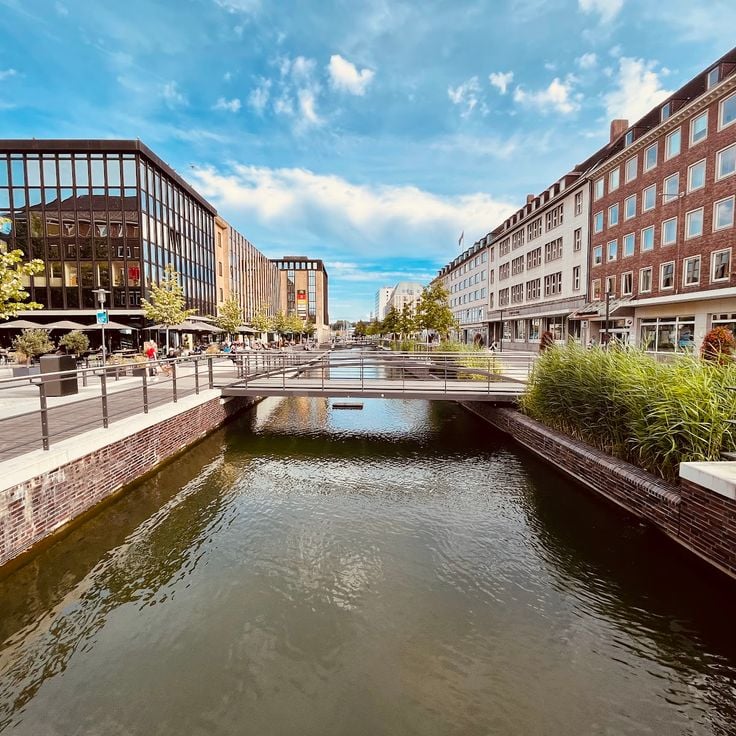
Holsten Street is the main shopping street in Kiel and has been converted into a pedestrian zone. It displays the city's history through buildings from different periods of German architecture. Along the street you will find traditional shops, local restaurants, and cafés. The street is where residents and visitors shop, walk, and gather together. It feels lively and serves as the heart of city life in Kiel.
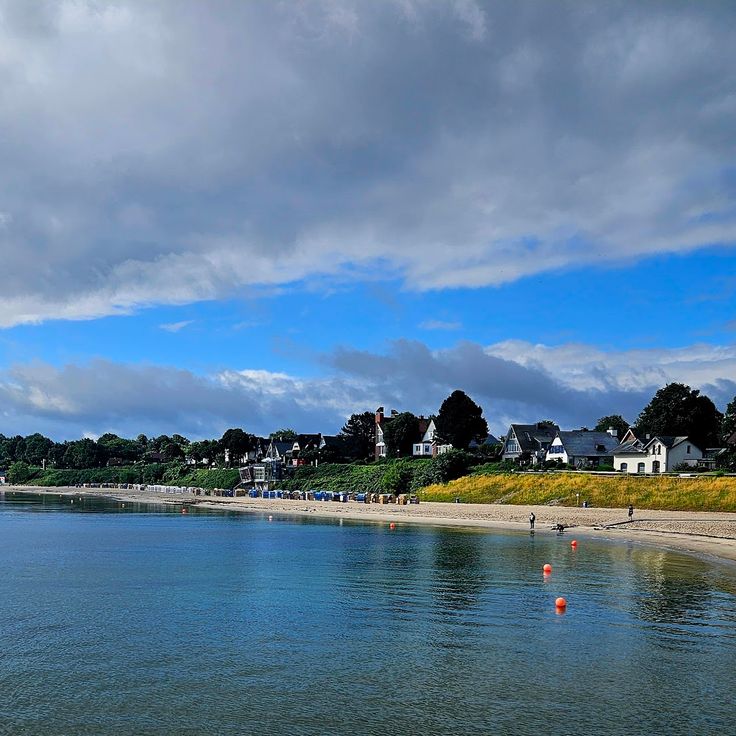
Schilksee Beach is an aquatic recreation area on the Baltic Sea shore in Kiel. The beach features changing rooms, playgrounds, and rental services for sailing and other water sports. This location shows how the city makes use of its maritime setting and offers visitors different ways to enjoy activities on the water.
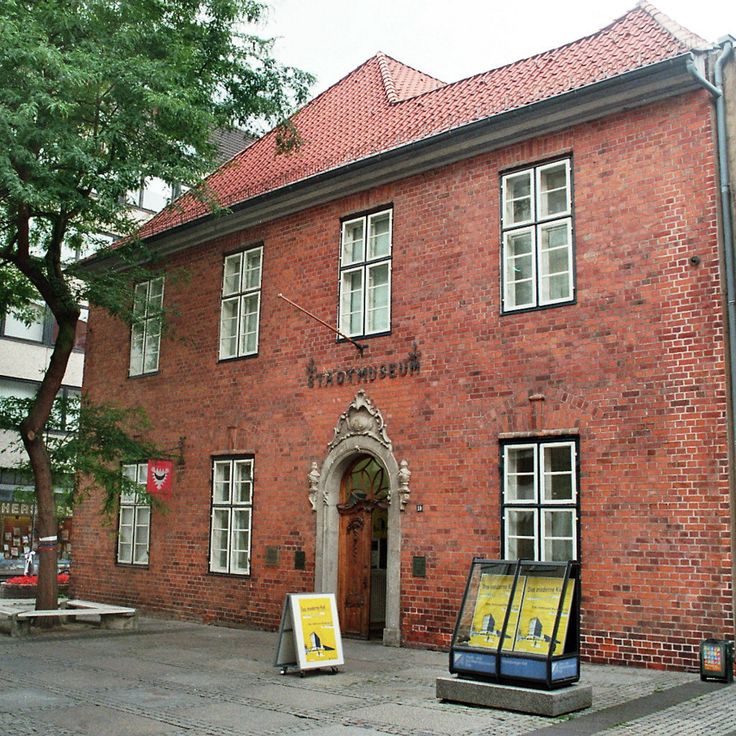
The Warleberger Hof City Museum is a cultural institution housed in a historic building that tells the story of Kiel. It features permanent exhibitions on urban development, maritime traditions, and the regional craftsmanship of Schleswig-Holstein. The museum offers insight into the city's past and its connection to the Baltic Sea.
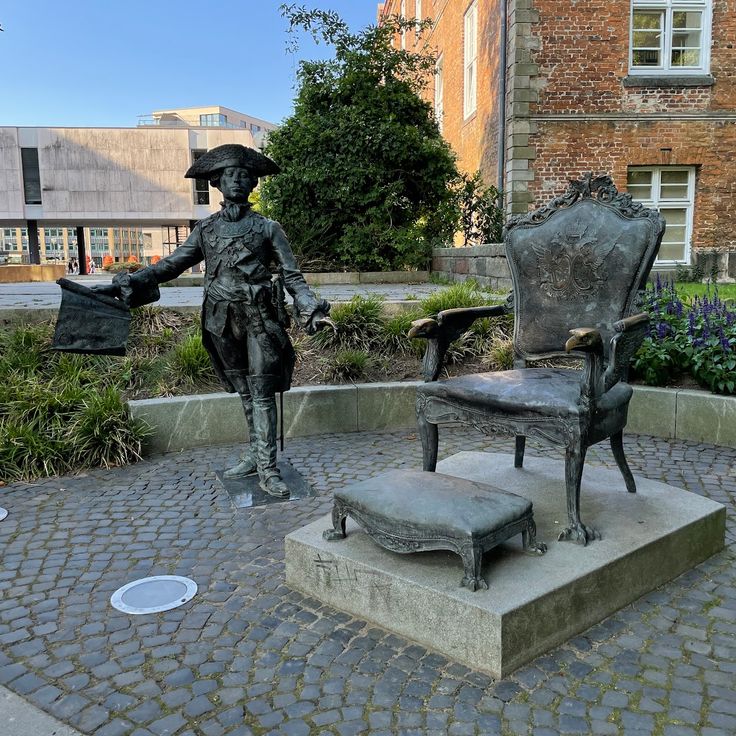
The Monument to Tsar Peter III is a commemorative sculpture in Kiel that honors a Russian ruler and reflects the historical ties between Russia and the Duchy of Holstein during the 18th century. As part of Kiel's main tourist attractions, this monument shows the diverse cultural and political connections that shaped the city.
The Molfsee Open-Air Museum – State Museum of Ethnology displays everyday life in Schleswig-Holstein from past centuries. With over 60 historic buildings dating from the 16th to 19th centuries, visitors can learn how people lived and worked back then. Craftspeople demonstrate traditional techniques that were common in earlier times. This museum is one of Kiel's important cultural sites and tells the story of the region's rural past.
GALERIA Kiel is a five-story department store located in the city center. It offers fashion, cosmetics, and electronics across its floors. The store features a dining area with a terrace that overlooks Holstenstraße, the main pedestrian shopping street. This is one of the principal retail destinations in Kiel's downtown district.
This park in Kiel is a green space created in 1888. It features formal French gardens, an artificial pond, and old oak trees that provide shade. A bandstand sits in the park, and many paths invite you to walk through. The place offers nature and quiet moments in the middle of the city.
The Kiel-Holtenau Lighthouse is a 31-meter navigation tower built in 1895 that marks the entrance of the Kiel Canal to the Baltic Sea. As part of this maritime city's heritage, the lighthouse serves as a reference point for commercial ships and reflects Kiel's long connection to the sea and international shipping.
The Kiel Maritime Museum with Fish Market and Museum Bridge is a maritime complex that shows the history of shipping and the port. The museum holds collections of naval objects and maritime equipment. The traditional fish market sells fresh fish and local products. From the Museum Bridge, visitors can look out over the Kiel Canal and watch ships passing by.
Hörn is a renovated port district in Kiel that features restaurant terraces, waterfront cafés, a marina, and promenades along the quays. The site connects the city's maritime heritage with contemporary urban life and allows visitors to experience the fjord landscape from the water.
The Marina in Kiel is a mooring facility for racing sailboats, private yachts, and pleasure boats. As part of this collection of maritime sites, it reflects the city's deep connection to the Baltic Sea and its nautical traditions. The marina offers pontoon moorings, nautical services, and a coastal promenade where visitors can walk and watch the activity on the water.
Hiroshima Park is a commemorative park in Kiel dedicated to world peace. The park features landscaped gardens, ornamental ponds, walking paths, and seating areas where visitors can rest. Trees and shrubs are planted throughout, creating shaded spaces. It offers a quiet place to reflect and walk, part of Kiel's cultural sites.
The Kiel Botanical Gardens is a university green space featuring heated greenhouses and specialized plant collections. Educational trails guide students and visitors through displays of European and tropical plant species. As part of Kiel's main attractions, this gardens reflects the city's commitment to science and nature alongside its maritime heritage.
The GEOMAR Aquarium is a scientific center dedicated to marine research. Visitors can see live fish, crustaceans, and other organisms from the Baltic Sea displayed in reconstructed tanks. The aquarium helps explain the underwater world of the Baltic Sea and shows how important it is to the Kiel region.
Kiel City Hall is a municipal building constructed between 1907 and 1911 and stands as one of the main attractions in this maritime city in northern Germany. The building reflects the city's architectural heritage and shapes the skyline with its tower rising 106 meters high. A public observation platform at the top offers views over the city and the coastal landscape.
St. Nicholas Church is a Protestant church dating from the 13th century in Kiel, rebuilt after the war and now a major landmark in this Baltic Sea harbor city. Its spire rises prominently above the urban and harbor landscape, serving as a recognizable point of reference for both residents and visitors. The church was carefully reconstructed after World War II and remains an important religious and historical site that reflects the city's heritage. Inside, visitors can experience the peaceful interior and learn about the church's role in Kiel's past.
The Kiellinie is a waterfront promenade that extends for several kilometers along the fjord, introducing visitors to this maritime city. It offers opportunities to watch ships in the harbor and enjoy the green spaces by the water. This promenade shows Kiel's deep connection to the Baltic Sea and is an important place in the city's daily life.
Citti-Park is a modern shopping center in Kiel that brings together more than a hundred specialty stores, dining areas, and a cinema across multiple covered levels. It serves as a central gathering place for shopping and leisure activities, reflecting the city's contemporary retail landscape.
The Bülk Lighthouse is a maritime structure in Kiel that tells the story of the city's seafaring past. Built in 1865, this 36-meter-high tower stands at the entrance to the fjord and guided ships arriving from the Baltic Sea. Visitors can climb to the top and take in views of the bay and surrounding waters. For centuries, this lighthouse served as a critical beacon for vessels navigating to the harbor. Today it remains a place where you can learn about Kiel's shipping heritage and the role such towers played in the city's maritime life.
Falckenstein Beach is a swimming area in Kiel situated on the eastern coast of the fjord. The beach features sand, sanitary facilities, children's play areas, and shaded lounging spaces. This place serves as a local spot where residents and visitors come to swim and spend time by the water near the city.
The Flandern Bunker is a former wartime underground shelter built during the Second World War in this maritime city on the Baltic Sea. After the conflict, the underground structure was converted into a memorial site. Today, exhibitions inside show documents and objects from this period of European history. The bunker helps visitors understand the impact of war on the city and remembers the people who sought refuge here.
The Kiel Canal is an artificial waterway that connects Kiel to the North Sea. It was built to allow ships to cross the Jutland Peninsula without having to sail around Denmark. The canal stretches about 98 kilometers and is one of the most important shipping routes in Europe. Every day, cargo ships and large cruise ships pass through the canal. Along its banks, you can watch the active life of maritime traffic.
The Kunsthalle zu Kiel is a cultural institution in this maritime city devoted to fine arts. It regularly organizes temporary exhibitions of modern and traditional works by artists from the local region and the international scene. The museum contributes to Kiel's cultural identity and complements the range of cultural venues that reflect the city's heritage.
The Computer Museum presents the history of computer development through displays of vintage machines, historical computers, and electronic devices. The collection documents technological progress across several decades. As part of Kiel's cultural offerings, the museum allows visitors to explore how information technology has advanced over time.
Holsten Street is the main shopping street in Kiel and has been converted into a pedestrian zone. It displays the city's history through buildings from different periods of German architecture. Along the street you will find traditional shops, local restaurants, and cafés. The street is where residents and visitors shop, walk, and gather together. It feels lively and serves as the heart of city life in Kiel.
Schilksee Beach is an aquatic recreation area on the Baltic Sea shore in Kiel. The beach features changing rooms, playgrounds, and rental services for sailing and other water sports. This location shows how the city makes use of its maritime setting and offers visitors different ways to enjoy activities on the water.
The Warleberger Hof City Museum is a cultural institution housed in a historic building that tells the story of Kiel. It features permanent exhibitions on urban development, maritime traditions, and the regional craftsmanship of Schleswig-Holstein. The museum offers insight into the city's past and its connection to the Baltic Sea.
The Monument to Tsar Peter III is a commemorative sculpture in Kiel that honors a Russian ruler and reflects the historical ties between Russia and the Duchy of Holstein during the 18th century. As part of Kiel's main tourist attractions, this monument shows the diverse cultural and political connections that shaped the city.
The Molfsee Open-Air Museum – State Museum of Ethnology displays everyday life in Schleswig-Holstein from past centuries. With over 60 historic buildings dating from the 16th to 19th centuries, visitors can learn how people lived and worked back then. Craftspeople demonstrate traditional techniques that were common in earlier times. This museum is one of Kiel's important cultural sites and tells the story of the region's rural past.
GALERIA Kiel is a five-story department store located in the city center. It offers fashion, cosmetics, and electronics across its floors. The store features a dining area with a terrace that overlooks Holstenstraße, the main pedestrian shopping street. This is one of the principal retail destinations in Kiel's downtown district.
This park in Kiel is a green space created in 1888. It features formal French gardens, an artificial pond, and old oak trees that provide shade. A bandstand sits in the park, and many paths invite you to walk through. The place offers nature and quiet moments in the middle of the city.
The Kiel-Holtenau Lighthouse is a 31-meter navigation tower built in 1895 that marks the entrance of the Kiel Canal to the Baltic Sea. As part of this maritime city's heritage, the lighthouse serves as a reference point for commercial ships and reflects Kiel's long connection to the sea and international shipping.
The Kiel Maritime Museum with Fish Market and Museum Bridge is a maritime complex that shows the history of shipping and the port. The museum holds collections of naval objects and maritime equipment. The traditional fish market sells fresh fish and local products. From the Museum Bridge, visitors can look out over the Kiel Canal and watch ships passing by.
Hörn is a renovated port district in Kiel that features restaurant terraces, waterfront cafés, a marina, and promenades along the quays. The site connects the city's maritime heritage with contemporary urban life and allows visitors to experience the fjord landscape from the water.
The Marina in Kiel is a mooring facility for racing sailboats, private yachts, and pleasure boats. As part of this collection of maritime sites, it reflects the city's deep connection to the Baltic Sea and its nautical traditions. The marina offers pontoon moorings, nautical services, and a coastal promenade where visitors can walk and watch the activity on the water.
Hiroshima Park is a commemorative park in Kiel dedicated to world peace. The park features landscaped gardens, ornamental ponds, walking paths, and seating areas where visitors can rest. Trees and shrubs are planted throughout, creating shaded spaces. It offers a quiet place to reflect and walk, part of Kiel's cultural sites.
The Kiel Botanical Gardens is a university green space featuring heated greenhouses and specialized plant collections. Educational trails guide students and visitors through displays of European and tropical plant species. As part of Kiel's main attractions, this gardens reflects the city's commitment to science and nature alongside its maritime heritage.
The GEOMAR Aquarium is a scientific center dedicated to marine research. Visitors can see live fish, crustaceans, and other organisms from the Baltic Sea displayed in reconstructed tanks. The aquarium helps explain the underwater world of the Baltic Sea and shows how important it is to the Kiel region.
Kiel City Hall is a municipal building constructed between 1907 and 1911 and stands as one of the main attractions in this maritime city in northern Germany. The building reflects the city's architectural heritage and shapes the skyline with its tower rising 106 meters high. A public observation platform at the top offers views over the city and the coastal landscape.
St. Nicholas Church is a Protestant church dating from the 13th century in Kiel, rebuilt after the war and now a major landmark in this Baltic Sea harbor city. Its spire rises prominently above the urban and harbor landscape, serving as a recognizable point of reference for both residents and visitors. The church was carefully reconstructed after World War II and remains an important religious and historical site that reflects the city's heritage. Inside, visitors can experience the peaceful interior and learn about the church's role in Kiel's past.
The Kiellinie is a waterfront promenade that extends for several kilometers along the fjord, introducing visitors to this maritime city. It offers opportunities to watch ships in the harbor and enjoy the green spaces by the water. This promenade shows Kiel's deep connection to the Baltic Sea and is an important place in the city's daily life.
Citti-Park is a modern shopping center in Kiel that brings together more than a hundred specialty stores, dining areas, and a cinema across multiple covered levels. It serves as a central gathering place for shopping and leisure activities, reflecting the city's contemporary retail landscape.
The Bülk Lighthouse is a maritime structure in Kiel that tells the story of the city's seafaring past. Built in 1865, this 36-meter-high tower stands at the entrance to the fjord and guided ships arriving from the Baltic Sea. Visitors can climb to the top and take in views of the bay and surrounding waters. For centuries, this lighthouse served as a critical beacon for vessels navigating to the harbor. Today it remains a place where you can learn about Kiel's shipping heritage and the role such towers played in the city's maritime life.
Falckenstein Beach is a swimming area in Kiel situated on the eastern coast of the fjord. The beach features sand, sanitary facilities, children's play areas, and shaded lounging spaces. This place serves as a local spot where residents and visitors come to swim and spend time by the water near the city.
The Flandern Bunker is a former wartime underground shelter built during the Second World War in this maritime city on the Baltic Sea. After the conflict, the underground structure was converted into a memorial site. Today, exhibitions inside show documents and objects from this period of European history. The bunker helps visitors understand the impact of war on the city and remembers the people who sought refuge here.
The Kiel Canal is an artificial waterway that connects Kiel to the North Sea. It was built to allow ships to cross the Jutland Peninsula without having to sail around Denmark. The canal stretches about 98 kilometers and is one of the most important shipping routes in Europe. Every day, cargo ships and large cruise ships pass through the canal. Along its banks, you can watch the active life of maritime traffic.
The Kunsthalle zu Kiel is a cultural institution in this maritime city devoted to fine arts. It regularly organizes temporary exhibitions of modern and traditional works by artists from the local region and the international scene. The museum contributes to Kiel's cultural identity and complements the range of cultural venues that reflect the city's heritage.
The Computer Museum presents the history of computer development through displays of vintage machines, historical computers, and electronic devices. The collection documents technological progress across several decades. As part of Kiel's cultural offerings, the museum allows visitors to explore how information technology has advanced over time.
Holsten Street is the main shopping street in Kiel and has been converted into a pedestrian zone. It displays the city's history through buildings from different periods of German architecture. Along the street you will find traditional shops, local restaurants, and cafés. The street is where residents and visitors shop, walk, and gather together. It feels lively and serves as the heart of city life in Kiel.
Schilksee Beach is an aquatic recreation area on the Baltic Sea shore in Kiel. The beach features changing rooms, playgrounds, and rental services for sailing and other water sports. This location shows how the city makes use of its maritime setting and offers visitors different ways to enjoy activities on the water.
The Warleberger Hof City Museum is a cultural institution housed in a historic building that tells the story of Kiel. It features permanent exhibitions on urban development, maritime traditions, and the regional craftsmanship of Schleswig-Holstein. The museum offers insight into the city's past and its connection to the Baltic Sea.
The Monument to Tsar Peter III is a commemorative sculpture in Kiel that honors a Russian ruler and reflects the historical ties between Russia and the Duchy of Holstein during the 18th century. As part of Kiel's main tourist attractions, this monument shows the diverse cultural and political connections that shaped the city.