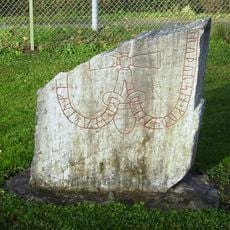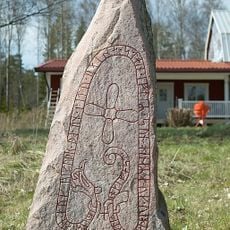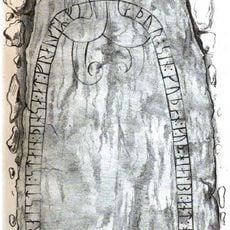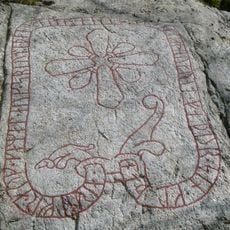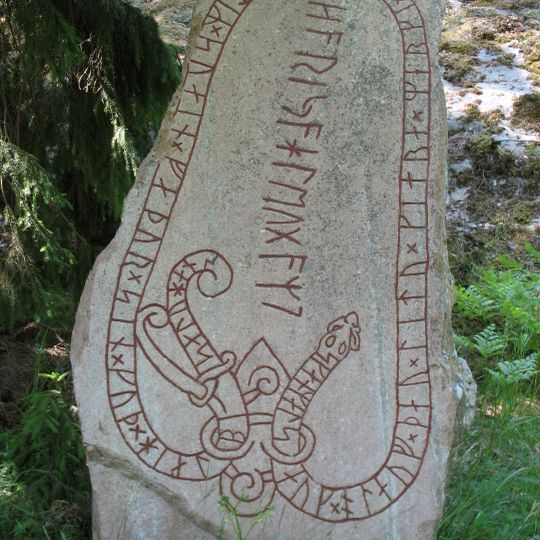
Skåäng Runestone, Norse runestone in Trosa Municipality, Sweden
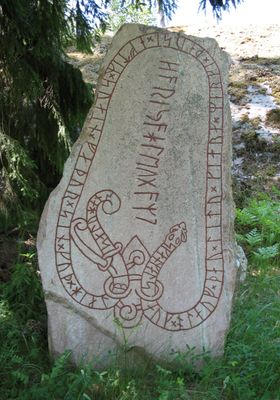
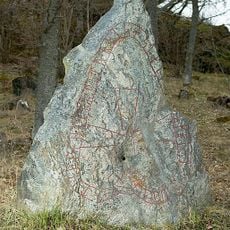
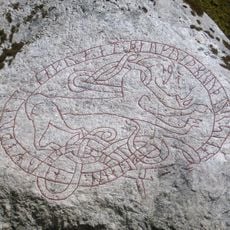
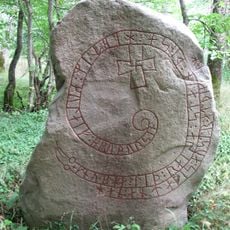
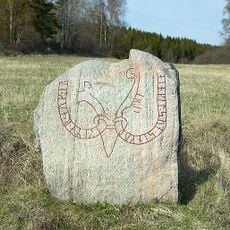
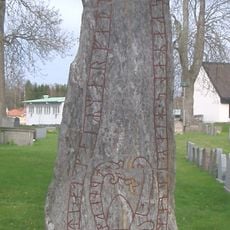
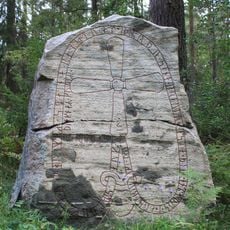
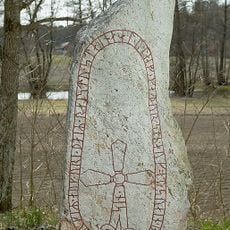
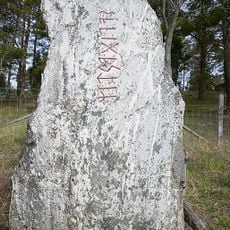
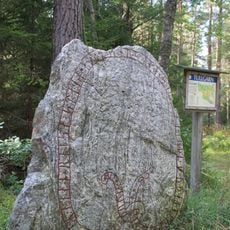
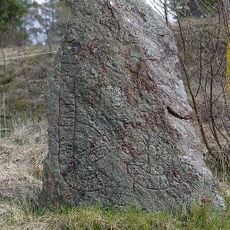
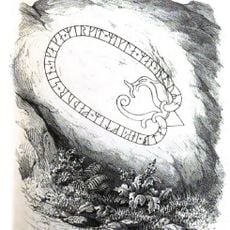
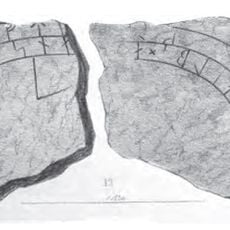
The Skåäng Runestone displays two separate runic inscriptions carved into its surface at different times. One uses the older futhark script while the other comes from the Viking Age and employs the younger futhark alphabet.
The stone received its second inscription during the Viking Age when Skammhals and Ólôf added text to commemorate their father Sveinn. This later carving shows how important it was to honor family members in stone.
The name Leugaz carved into the stone means oath taker and reflects the social roles that mattered in Norse communities during the Iron Age. The inscription gives us insight into what responsibilities were valued in those times.
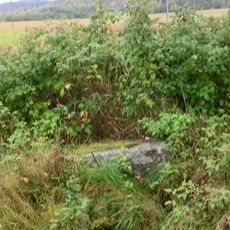
The stone stands at its original location in Skåäng and can be reached by marked paths. Both runic inscriptions are clearly visible from the front, allowing good views of the different script styles.
Scholars did not notice the central Proto-Norse inscription until 1867, even though the stone had been discovered in 1830. This delay reveals how challenging it can be to read and understand ancient runic texts correctly.
The community of curious travelers
AroundUs brings together thousands of curated places, local tips, and hidden gems, enriched daily by 92,957 contributors worldwide.