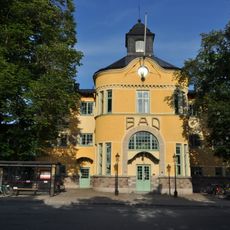
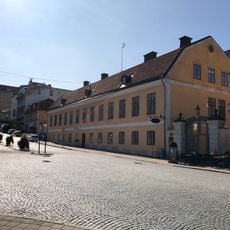
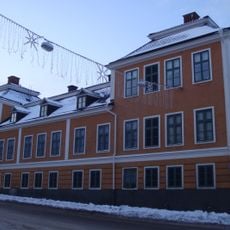
Blekinge museum, County museum in Karlskrona, Sweden.
Blekinge Museum is a county museum in Karlskrona that collects and displays objects, documents, and exhibitions about the regional history of Blekinge. Its collections document how this part of southeastern Sweden developed across different time periods.
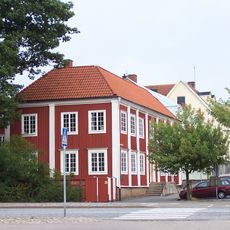
Blekinge museum was founded in 1899 by the Blekinge Antiquarian Society, and its operations were taken over by the Blekinge Museum Society. In 1929 that society merged with the Blekinge Heritage Association, formed in 1923, into the Blekinge Museum and Heritage Association. Since 1972 the museum has occupied Grevagården near Fisktorget in Karlskrona, with the Wachtmeisterska Palace, built 1703–1705, as its main building.
The museum publishes the yearbook Blekingeboken every year since 1923, called Blekingebygder from 1923 to 1926. Its profile areas are the coast and archipelago, the naval city of Karlskrona World Heritage Site and Blekinge's Danish period. A permanent exhibition covers the World Heritage Site, and since June 2024 the base exhibition "Tillbaka till forntiden" presents the Stone and Bronze Ages, including an over 8,000-year-old dog skeleton from Ljungaviken.
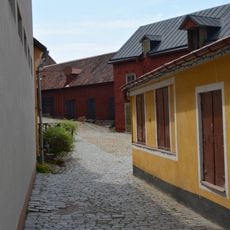
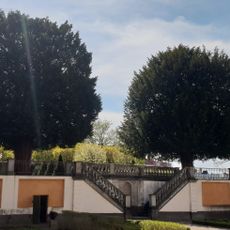
The museum occupies Grevagården near Fisktorget in central Karlskrona, with the Wachtmeisterska palatset (1703–1705) as its main building. Parts reopened in 2022 after water damage and mould forced closure in October 2020. The site includes exhibition rooms, a shop, a playground, a baroque garden and a fact room with literature and archives.
The museum runs an annual photography contest called Årets Blekingebild where local photographers share their personal views of the region. These works show how people today see the landscape and daily life in Blekinge.
The community of curious travelers
AroundUs brings together thousands of curated places, local tips, and hidden gems, enriched daily by 93,388 contributors worldwide.