Grad Castle, Medieval castle in Grad, Slovenia
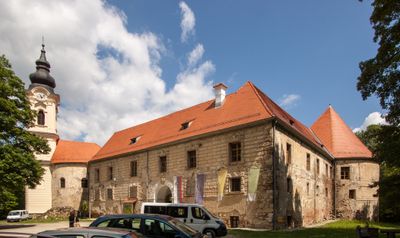
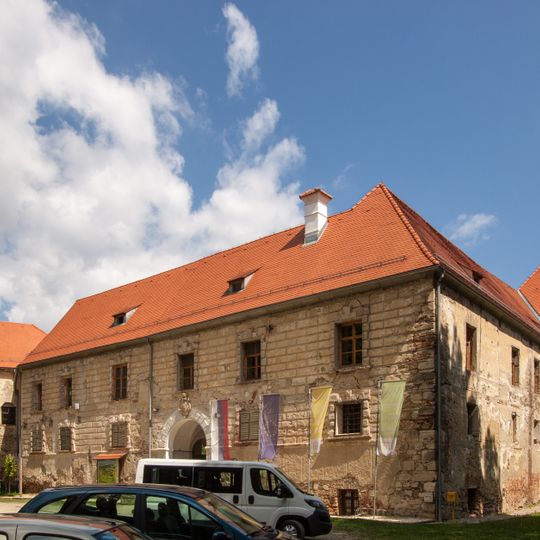
Grad Castle stands on a steep hill of basaltic tuff in the Goričko region near the Austrian and Hungarian borders. Its irregular pentagonal wings enclose a large inner courtyard that contains a hill, and the complex shows Romanesque, late Gothic, Renaissance and Baroque elements. A 16th-century tower with walls four metres thick holds a chapel, given a Baroque bell tower in 1751. The cellars descend up to three levels.
The castle dates to 1208, when King Andrew II of Hungary granted the fief to Nicholas of Vas, though the earliest written record mentioning it appears in 1271. Over the following centuries, several noble families took ownership and expanded the complex, each leaving their mark on its current form.
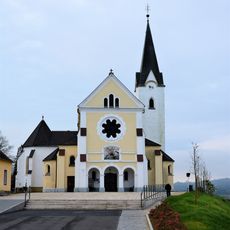
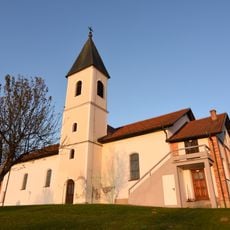
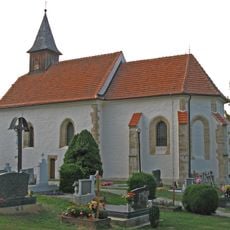
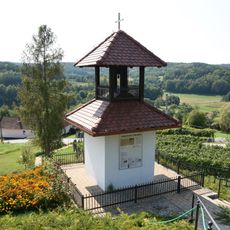
The castle chapel in the south tower is semicircular and was used by Mikloš Küzmič, a Catholic priest who wrote in the Prekmurje dialect. A Baroque bell tower was added to the 16th-century great tower in 1751. Since 2005 the castle has housed the public institute of Goričko Landscape Park, and the courtyard rooms display folk crafts and local history collections.
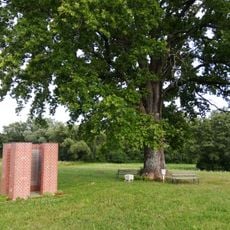
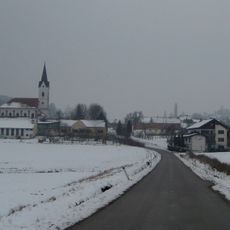
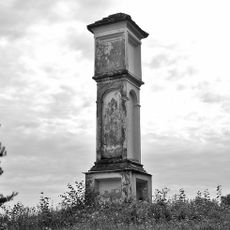
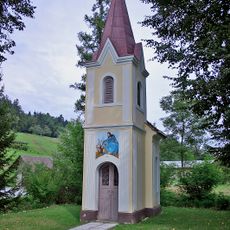
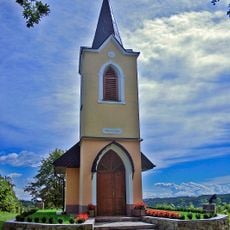
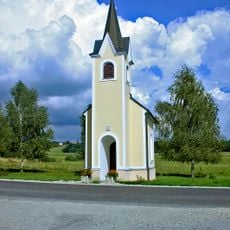
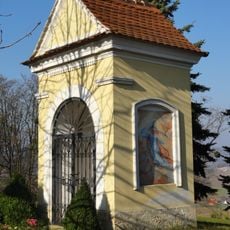
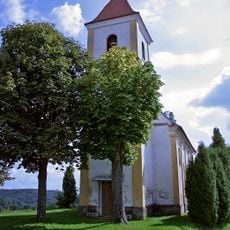
The castle stands on a steep hill of basaltic tuff in the village of Grad, near the Austrian and Hungarian borders. The Rába-Őrség-Goričko Nature Park information centre is housed here, and some rooms have been converted into hotel rooms and conference halls. A classicist chapel built as a noble burial place stands 1.5 km from the castle.
Both the castle and the village around it share the name Grad, which simply means castle in Slovenian, so the full meaning of the place name is effectively Castle-Castle. This kind of naming overlap is rare among fortifications in Europe and tends to surprise visitors when they first hear it.
The community of curious travelers
AroundUs brings together thousands of curated places, local tips, and hidden gems, enriched daily by 94,474 contributors worldwide.