Partizánske, town in Slovakia
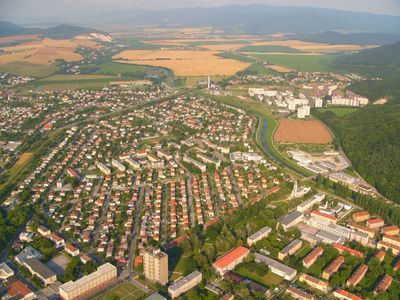
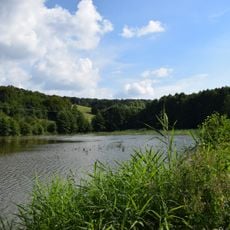
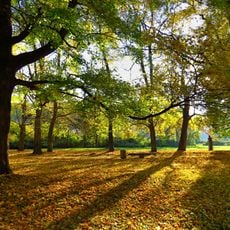
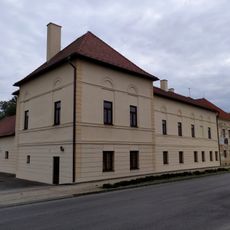
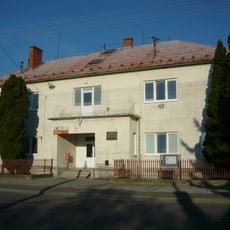
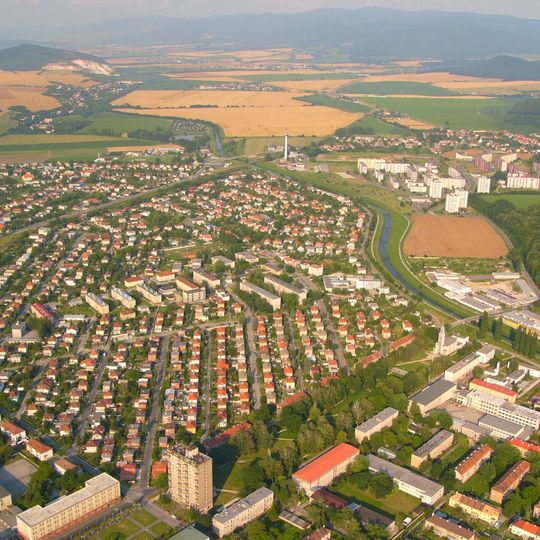
Partizanské is a town in Slovakia built in the early 20th century as a planned industrial center around a large shoe factory. It shows a clear grid layout with straight streets, brick worker housing, factory buildings still standing along main roads, and parks placed throughout to provide green space within the working town.
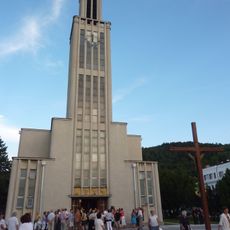
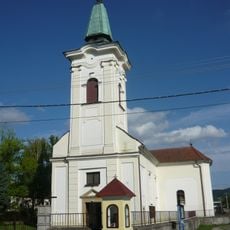
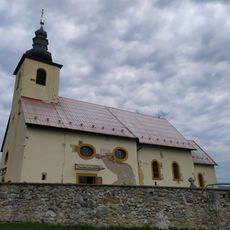
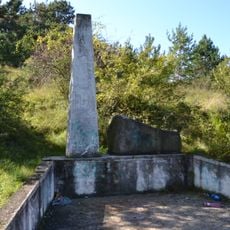
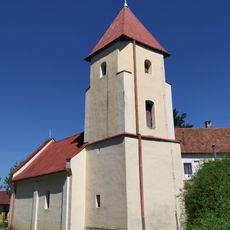
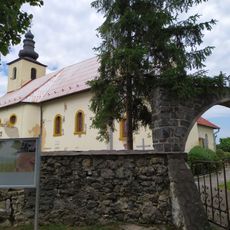
The town began in the late 1930s when businessman Jan Antonín Baťa built a shoe factory, leading to the creation of a worker settlement around it. After World War II, the factory came under state control, and the settlement was renamed Partizánske in 1949, the same period when socialist apartment blocks and a church were constructed.
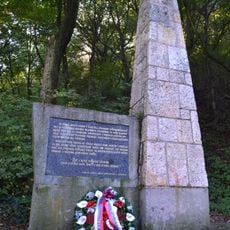
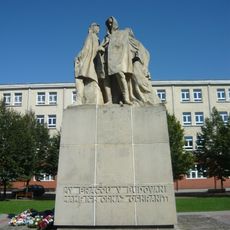
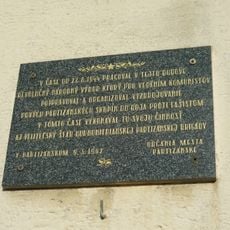
The town was renamed Partizanské in 1949 to honor resistance fighters, and this legacy shapes how residents gather today. Local festivals and events bring people together in the main square, where traditional music, food, and stories keep the community's past alive and present.
A small train station connects the town center to the surrounding area and makes it easy to arrive, with the town spreading out along main roads from this point. The straight streets and distributed parks allow for easy navigation and spots to rest while walking through.
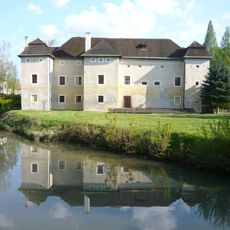
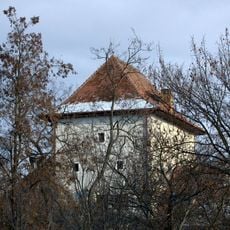
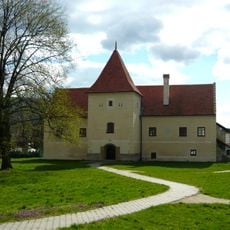
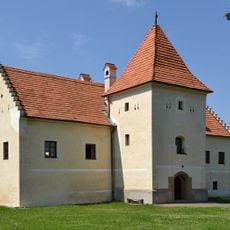
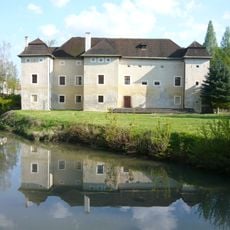
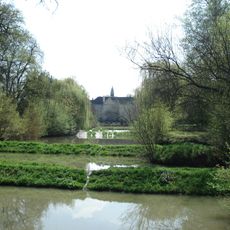
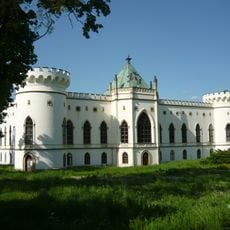
A notable feature nearby is Šimonovany Castle, a water fortress from the 13th century later rebuilt as a noble residence with Romanesque and Gothic styles. This older monument shows a longer regional history that predates and contrasts with the town's 20th-century industrial origins.
The community of curious travelers
AroundUs brings together thousands of curated places, local tips, and hidden gems, enriched daily by 92,131 contributors worldwide.