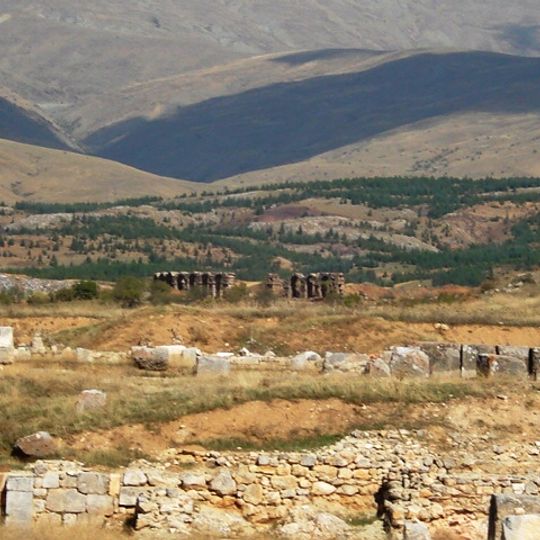
Antioch of Pisidia, Archaeological site in Yalvaç, Turkey
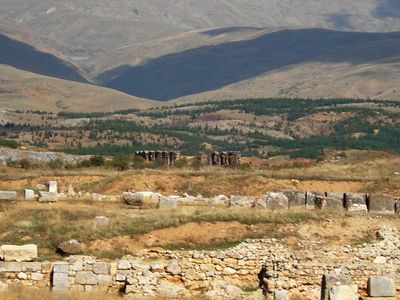
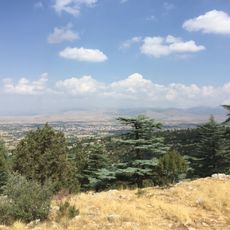
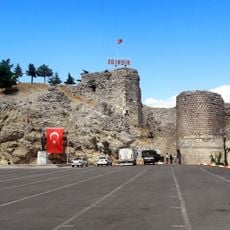
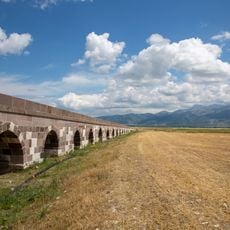
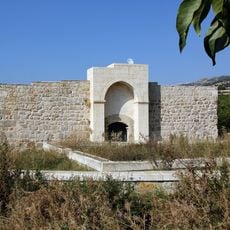
Antioch of Pisidia was an ancient city whose remains are scattered across terraced hillsides at around 1,200 meters elevation near present-day Yalvaç. The excavated site reveals the foundations of ancient streets, religious buildings, and public structures that once stood along the Anthius River valley.
The settlement was founded around 300 BCE and later became a Roman colony called Colonia Caesarea, serving as a key administrative center. This dual heritage reflects the transition from Greek to Roman control over the region.
The Great Basilica, constructed in the 4th century, represents one of the earliest monumental churches in Anatolia with preserved apse and nave structures.
The site sits on hilly terrain and can be explored on foot, though sturdy shoes are advisable because of uneven surfaces throughout. The best time to visit is between March and November when weather conditions are mild and dry.
A large basilica from the 4th century remains partially standing with preserved apse and nave sections, representing one of Anatolia's oldest monumental church buildings. This early Christian structure shows how the city transformed religiously after the empire's adoption of Christianity.
The community of curious travelers
AroundUs brings together thousands of curated places, local tips, and hidden gems, enriched daily by 91,669 contributors worldwide.