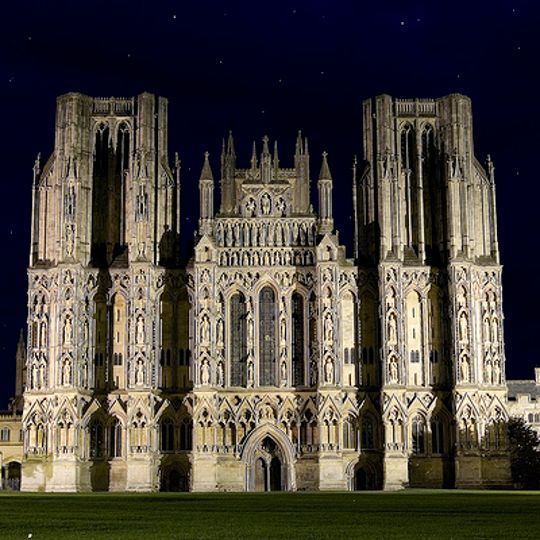
Wells Cathedral, Anglican cathedral in Wells, England
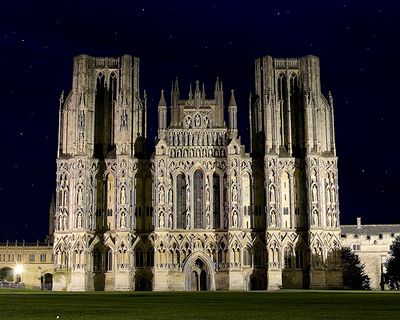
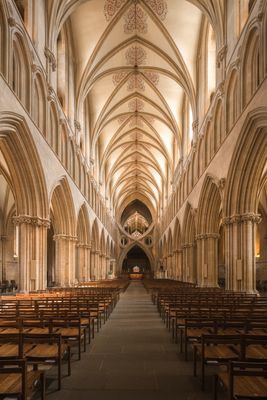
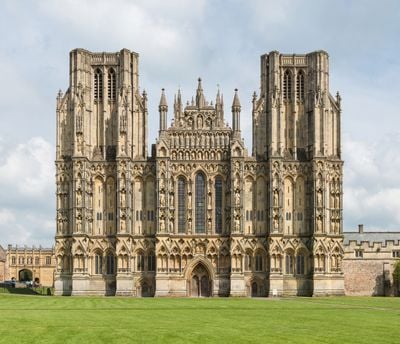
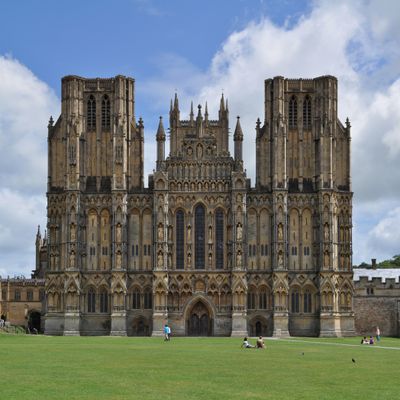
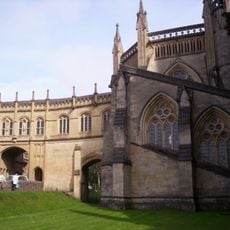
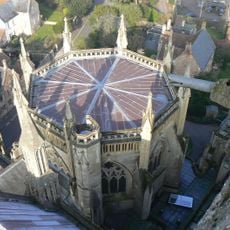
Wells Cathedral is a 12th-century Gothic church in southwest England, known for its stone west front decorated with over 300 sculptures. The building rises 55 meters high and shows a cross-shaped plan with three aisles, tall pointed arches, and a courtyard surrounded by medieval buildings.
Construction began around 1175 under Bishop Reginald Fitz Jocelin, and Wells is considered the earliest Gothic church fully fitted with pointed arches. The nave was completed and consecrated in 1239 under Jocelin of Wells, and cathedral status was granted in 1245. The west towers were added between 1385 and 1410, with the upper stage of the south tower built from 1367 to 1386 under architect William Wynford.
The name Wells comes from the springs that gave the settlement its water. The cathedral kept a choir of boys from the 10th century, and Wells Cathedral School traces its founding to educating those choristers, though the claim is disputed. The choristers' school was among the institutions Jocelin of Wells established.
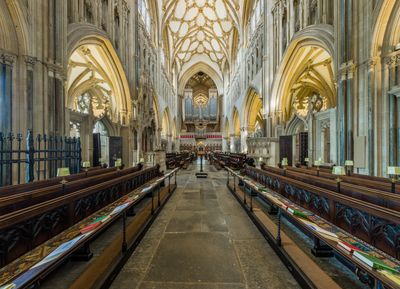
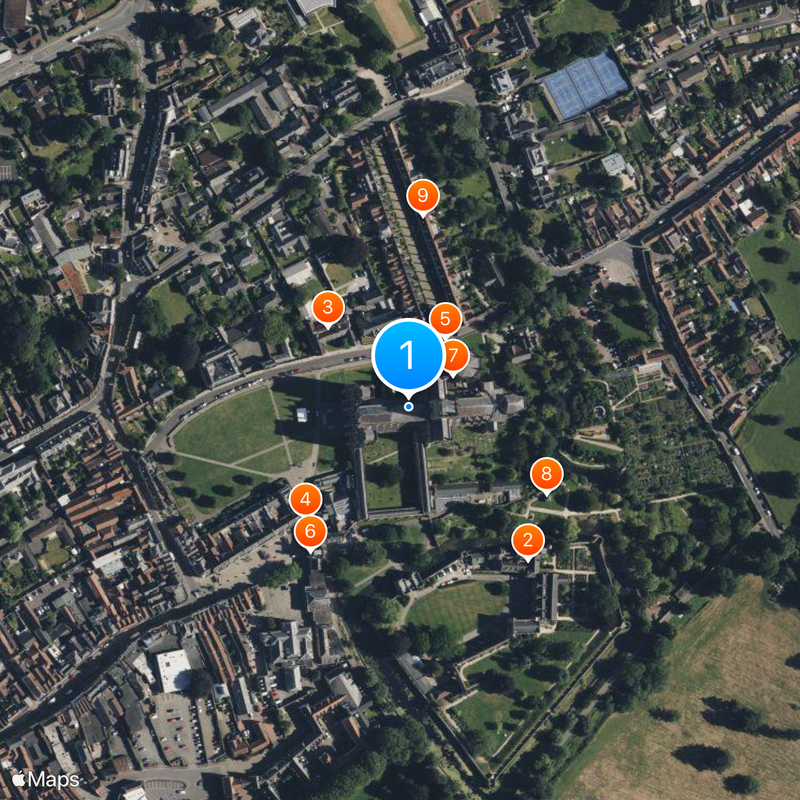
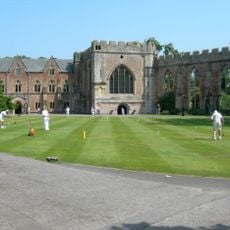
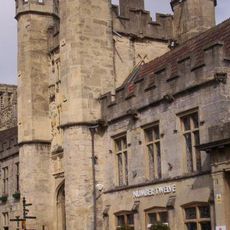
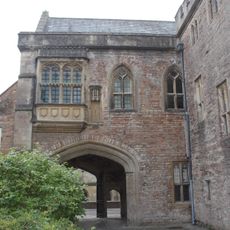
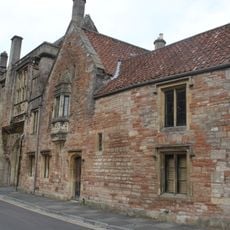
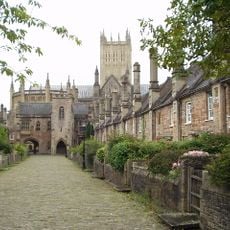
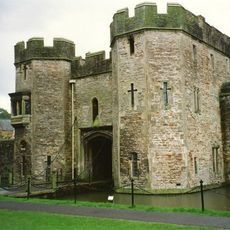
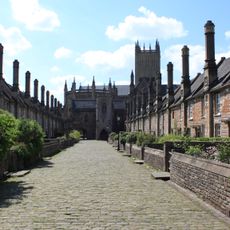
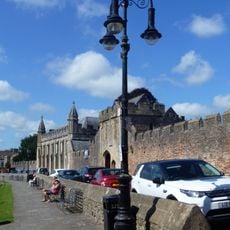
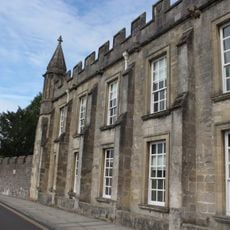
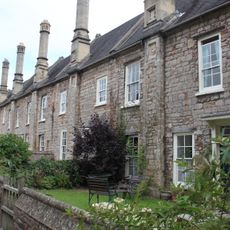
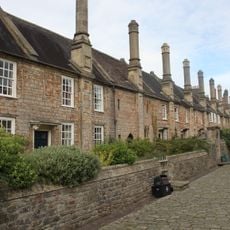
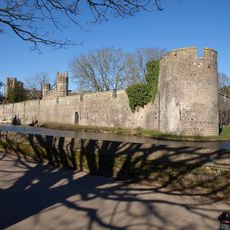
The cathedral stands on a green lawn in the centre of Wells, with the Bishop's Palace and the fifteenth-century Vicars' Close in the surrounding precincts. The west front faces the lawn, and the interior is entered beneath its triple-arched doorway. The nave, with dark wooden pews on a stone floor, leads to the wooden screen and organ at the far end.
In the choir aisle stands Europe's second oldest working clock from the 14th century, where mechanical knights strike the bells every quarter hour. The astronomical display shows the moon phases and was originally fitted with figures that reenacted a medieval jousting tournament.
The community of curious travelers
AroundUs brings together thousands of curated places, local tips, and hidden gems, enriched daily by 93,360 contributors worldwide.