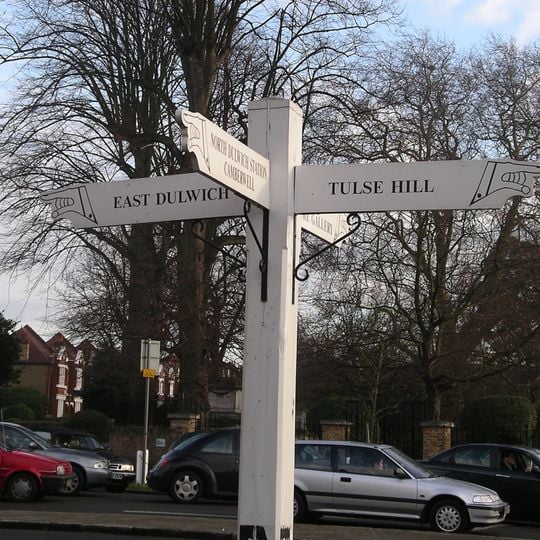
Dulwich, Historic district in South London, England.
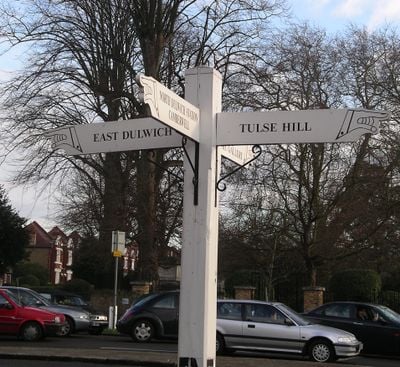
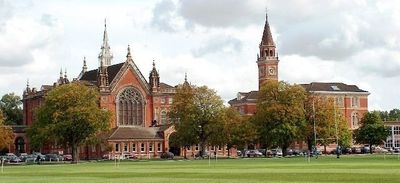
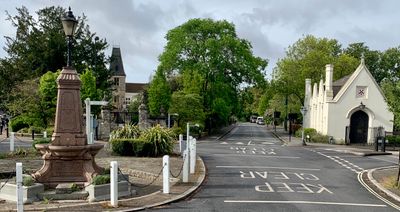
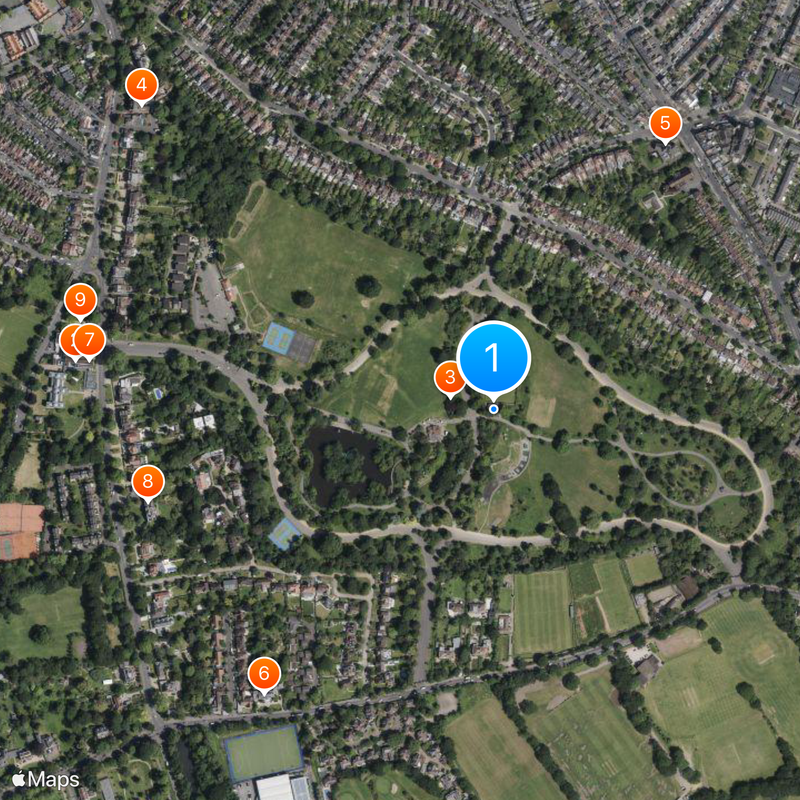
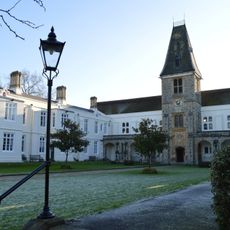
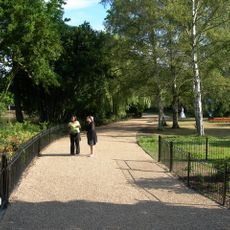
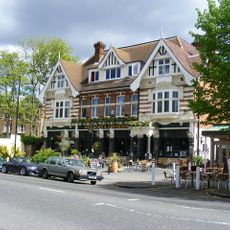
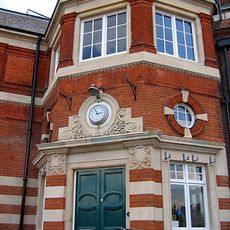
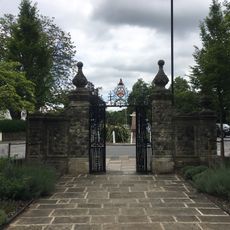
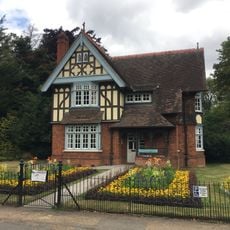
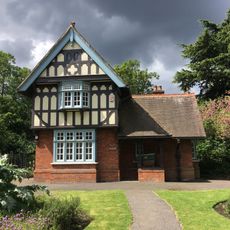
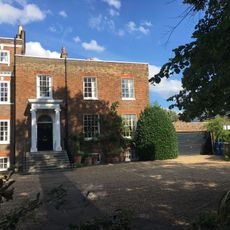
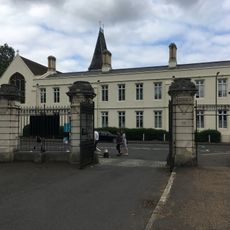
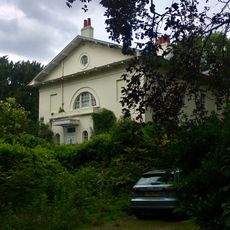
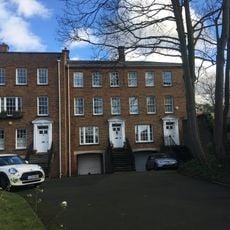
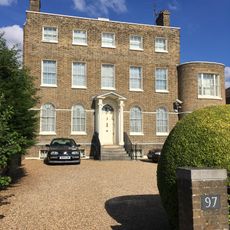
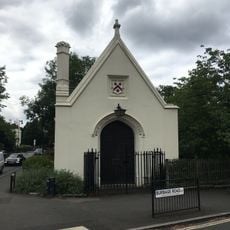
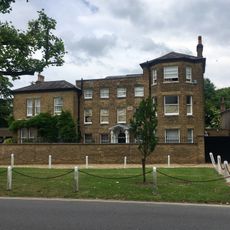
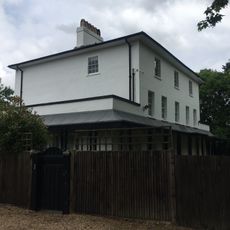
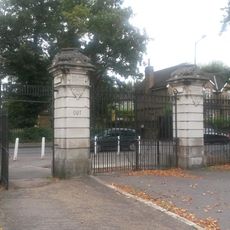
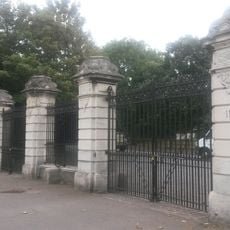
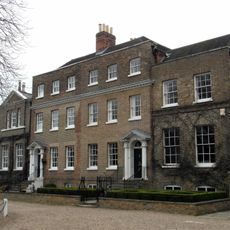
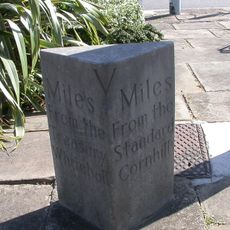
This district stretches across a valley between Forest Hill and Denmark Hill and includes three main sections: Dulwich Village, East Dulwich, and West Dulwich. The area features green spaces, residential streets, and historic buildings that shape the local character.
The name appears first in the year 967, when King Edgar granted the land called Dilwihs, a meadow with wild dill, to Earl Aelfheah. The area later developed into an estate and remained largely rural for centuries.
The Dulwich Picture Gallery from 1814 holds the title of England's first public art gallery and displays European masterworks from the 1600s. The building stands in a quiet setting between residential streets and green spaces with its distinctive architecture.
Several railway stations connect the area to central London, including East Dulwich, North Dulwich, and West Dulwich. Many bus lines complement the service and make getting around the neighborhood easier.
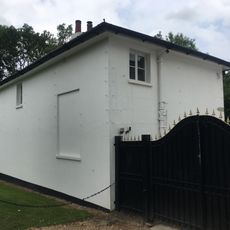
The Concrete House at 549 Lordship Lane dates back to 1873 and shows early techniques of concrete construction in England. The building stands as a rare example of experimental building methods from that era.
The community of curious travelers
AroundUs brings together thousands of curated places, local tips, and hidden gems, enriched daily by 91,125 contributors worldwide.