Salem, Historical seaport city in Essex County, Massachusetts, United States.
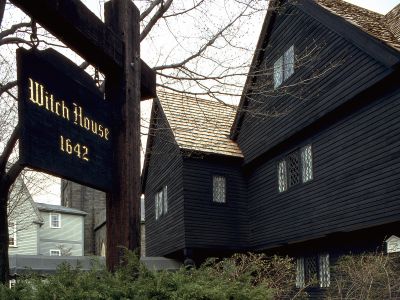
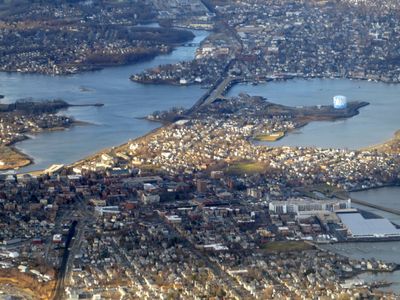
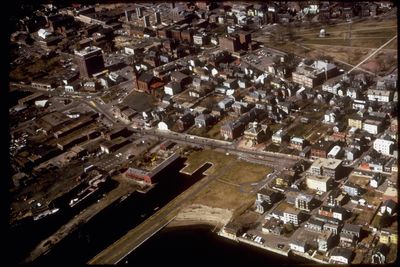
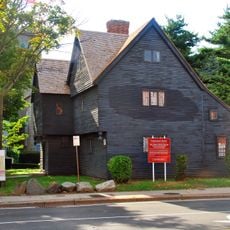
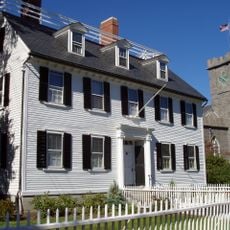
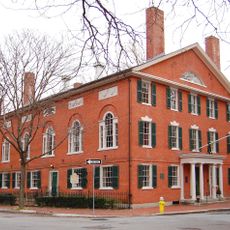
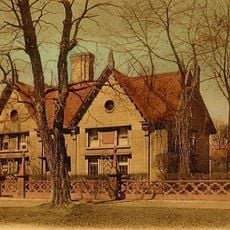
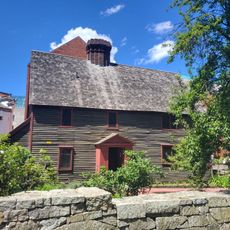
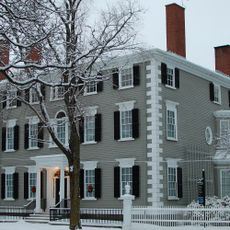
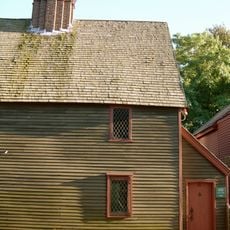
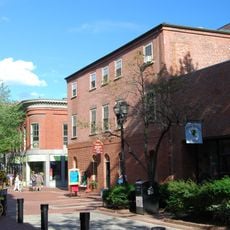
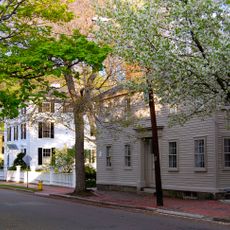
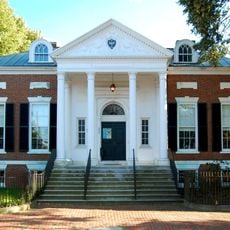
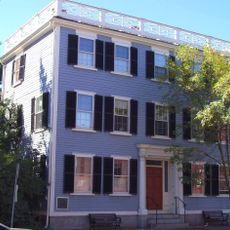
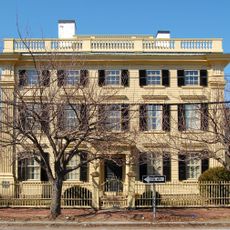
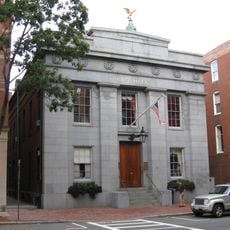
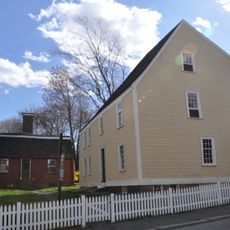
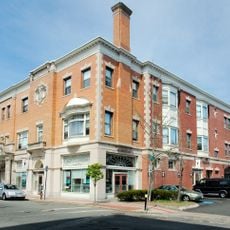
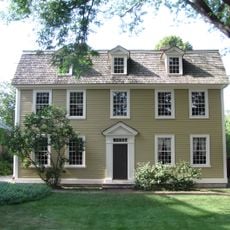
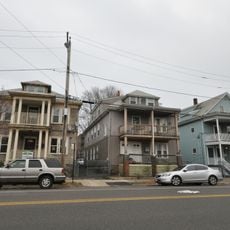
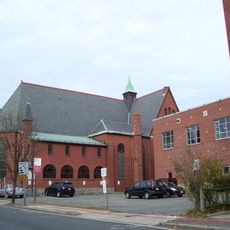
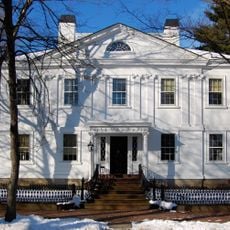
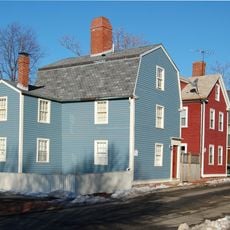
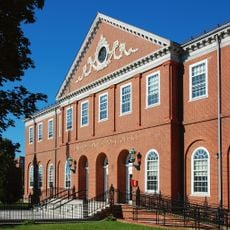
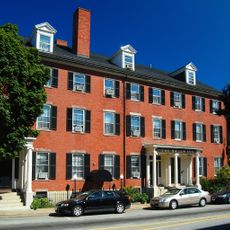
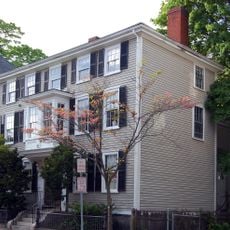
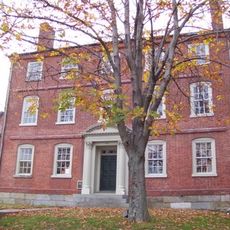
This coastal settlement in Essex County extends across 21 square kilometers (8 square miles) along the bay. Historic districts display colonial wooden houses, 19th-century brick buildings and preserved harbor structures. Residential neighborhoods alternate with commercial streets, while parks and waterfront walkways provide access to the shore.
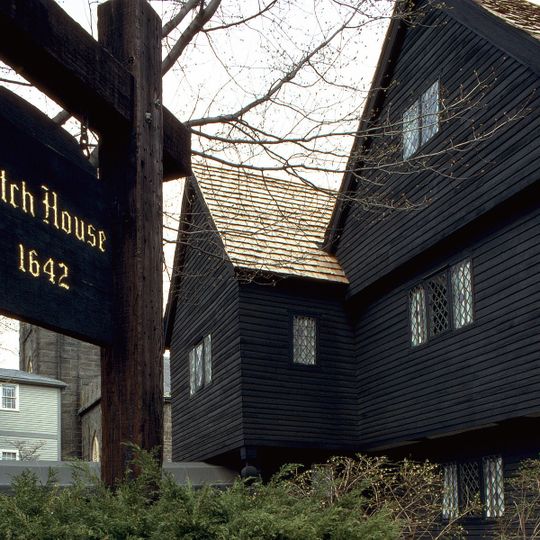
Roger Conant founded the settlement in 1626 with fishermen from Cape Ann. During the 1690s, European witch persecution reached New England, with trials here in 1692 resulting in the execution of several residents. Later, the port developed into a maritime trade center that prospered through the 19th century and now preserves its colonial past.
The city served for centuries as a major trading hub connecting North America with distant markets. Captains and merchants built wealth through imports of spices, textiles and porcelain, shaping local architecture and social structure. Today, museums and preserved trading buildings draw visitors seeking to understand this maritime past.
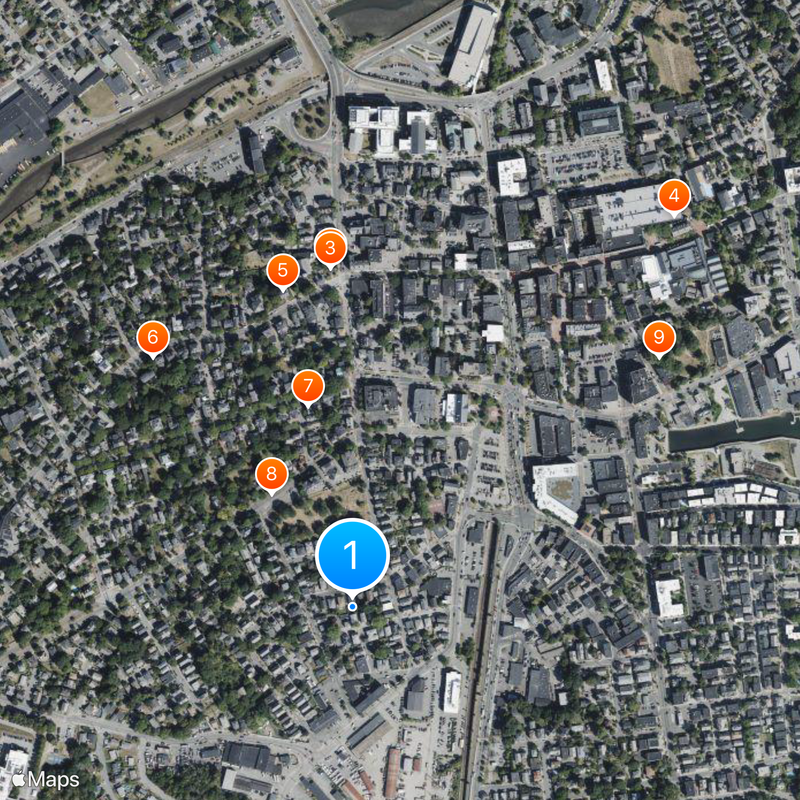
Regional trains connect the city with Boston in about 30 minutes. Many historic sites concentrate in a walkable area near the harbor. Visits in October mean large crowds due to Halloween events. Parking remains limited during this period, with public transportation offering better alternatives. Several museums charge admission fees, though some offer free days.
Researchers identified Proctor's Ledge only in 2016 as the actual execution site of the witch trials, after centuries of incorrect locations being cited. A small memorial with interpretive panels now marks the spot where 19 people were hanged between June and September 1692, including 14 women and 5 men of varying ages.
The community of curious travelers
AroundUs brings together thousands of curated places, local tips, and hidden gems, enriched daily by 90,737 contributors worldwide.