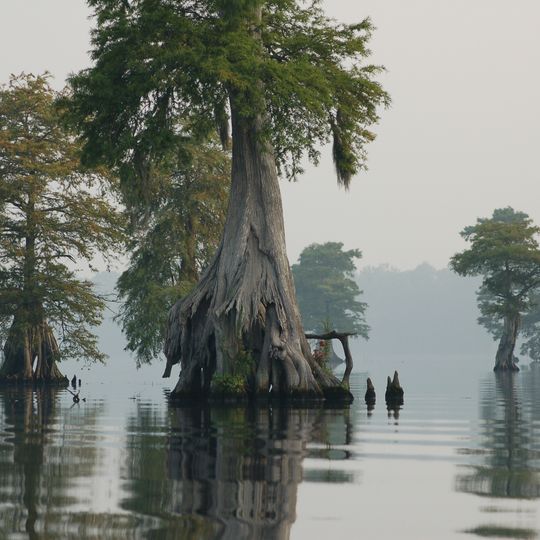
Great Dismal Swamp, Wildlife refuge in Virginia and North Carolina, US
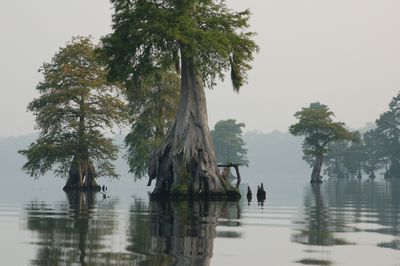
Great Dismal Swamp is a wildlife refuge and wetland spanning Virginia and North Carolina, covering around 113,000 acres of dense forest, swamp, and natural upland sections. The landscape features cypress and tupelo trees, with a web of waterways threading through peat soil and shadowy woodland patches.
English surveyor William Byrd gave the region its name in 1728, when the wetland once stretched across roughly 2,000 square miles. During the 19th century much of the area was drained and logged, until conservation efforts in the 20th century led to the creation of today's protected zone.
The name reflects an era when wetlands were seen as unwelcoming, yet for freedom seekers the refuge provided shelter and resources. Their hidden settlements lasted into 1860, leaving traces still visible in remote sections of the terrain.
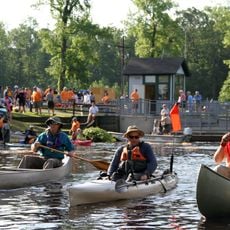
Visitors can explore the area on foot or by water, and insect repellent along with weather-appropriate clothing is recommended for comfort. Trails wind through different habitats, and early morning or late afternoon offers the best chance to spot wildlife.
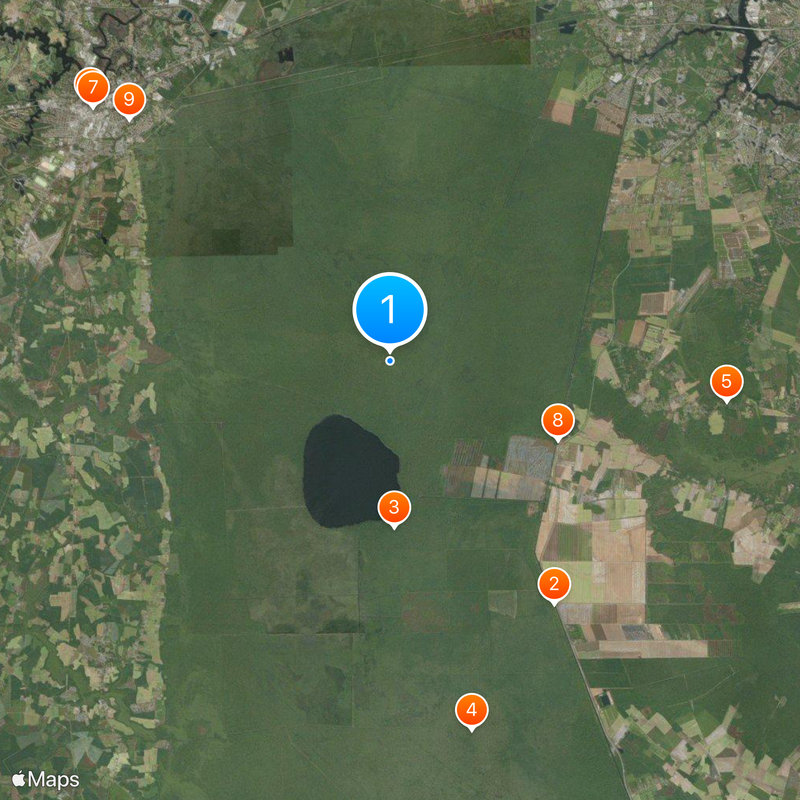
Lake Drummond, a natural freshwater lake roughly 3 miles (5 kilometers) across, sits in the heart of the swamp and feeds the historic Dismal Swamp Canal. That canal has served as a waterway for over two centuries, still linking two river systems today.
The community of curious travelers
AroundUs brings together thousands of curated places, local tips, and hidden gems, enriched daily by 91,135 contributors worldwide.