Lake Hitchcock, Glacial lake in Connecticut Valley, United States
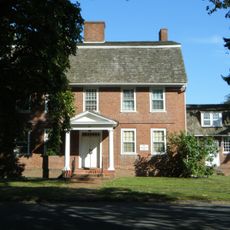
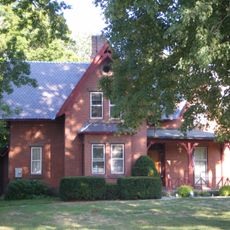
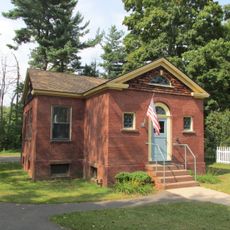
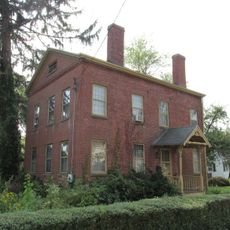
Lake Hitchcock was a massive glacial lake that stretched from Rocky Hill, Connecticut, to St. Johnsbury, Vermont, filling the entire Connecticut River Valley. Sediments deposited on the lake floor created distinctive yearly layers that were later used by settlers for brick manufacturing.
The lake formed roughly 15,000 years ago when meltwater from the Laurentide Ice Sheet accumulated behind a natural dam at Rocky Hill. This development marked a significant phase in the region's geological history following the last ice age.
Native American communities preserved oral traditions about the existence of this large lake in the Connecticut River Valley, matching geological findings.
Traces of this ancient lake can be seen today through the sediment layers visible in the riverbanks, particularly where the yearly layer patterns are clear. The best places to observe these geological signs are the steep banks along the Connecticut River, where the layers are distinctly exposed.
The lake water held fine suspended silt that tinted it a milky turquoise, while icebergs from the retreating glacier drifted across its surface. This combination of colored water and floating ice created a landscape far different from the verdant terrain visible today.
The community of curious travelers
AroundUs brings together thousands of curated places, local tips, and hidden gems, enriched daily by 90,795 contributors worldwide.