Alovera, municipality of Spain
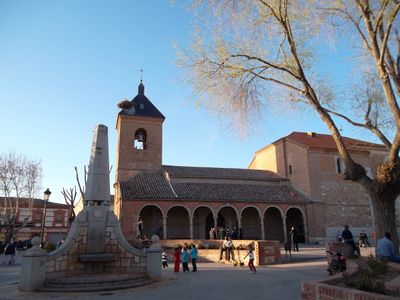
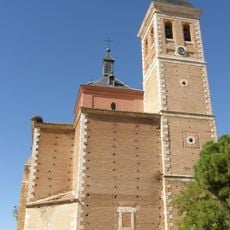
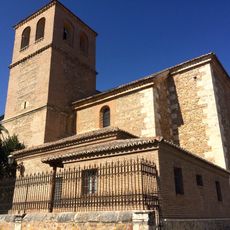
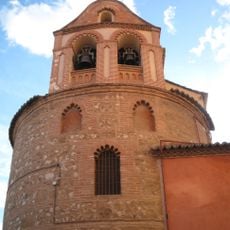
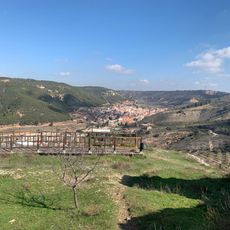
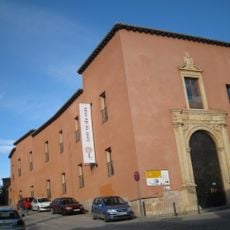
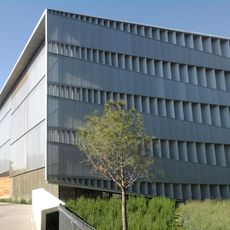
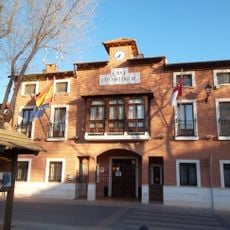
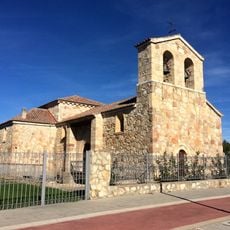
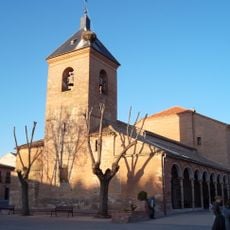
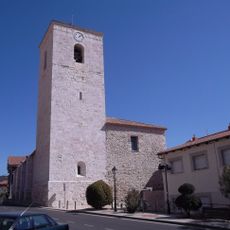
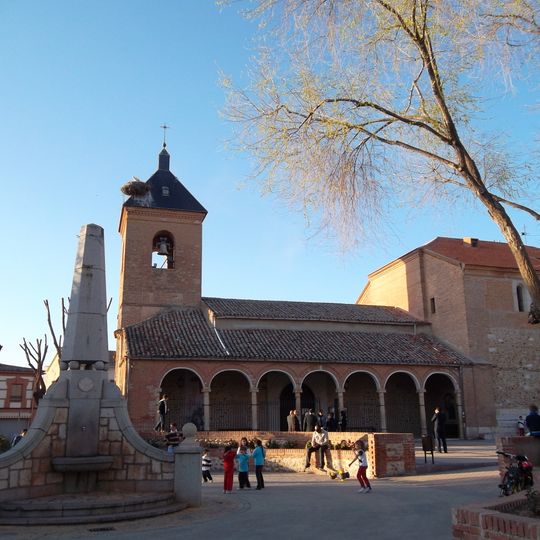
Alovera is a small town in Guadalajara province situated on the Henares plain, featuring quiet streets and simple houses typical of rural areas. The town has developed from purely agricultural land into a growing residential community with schools, clinics, cultural centers, and parks, while its oldest structures like the Church of Saint Michael with its tall bell tower and three naves still define the center.
Alovera was originally farmland whose ancient origins are confirmed by a Roman tomb from about 2000 years ago inscribed with the names of the couple Pompeyo Fusco. Later Visigothic settlers left behind ornate brooches and religious artifacts, and written records begin in the 1500s with lands owned by religious monasteries.
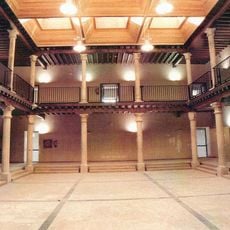
Alovera reflects its medieval past through exhibitions about King Alfonso X and his chancery that visitors can explore. The local celebrations such as the Virgin of Peace festivities and the colorful parade in early January bring residents together and show how religious traditions shape community life.
The best way to explore Alovera is on foot through the central streets or by car to reach parks and green areas in the outer sections. There are bus connections to Guadalajara, Madrid, and nearby towns, as well as school crossings with sensors and lighting for safe walking.
In 1999 a Roman stone was discovered in Alovera with the names of an ancient married couple carved into it, showing this small village has roots reaching back to the time of the Roman Empire. These archaeological finds are now displayed in the Madrid museum and tell quiet stories about people who lived here two thousand years ago.
The community of curious travelers
AroundUs brings together thousands of curated places, local tips, and hidden gems, enriched daily by 60,000 contributors worldwide.