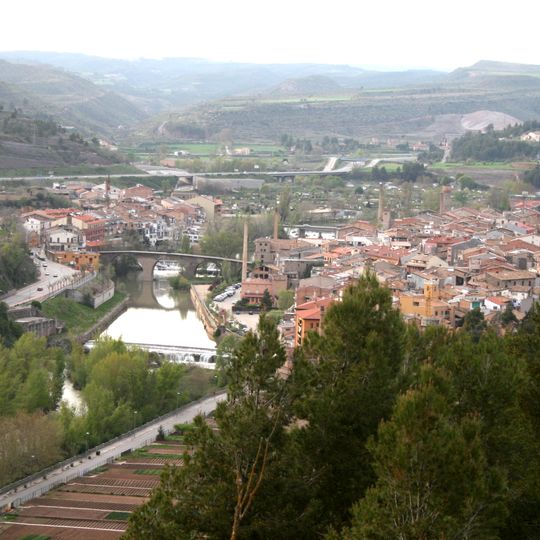
Sallent de Llobregat, municipality in Catalonia, Spain
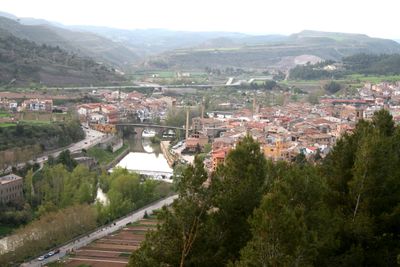
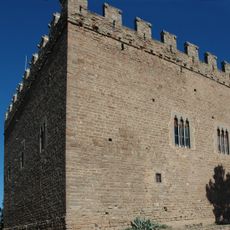
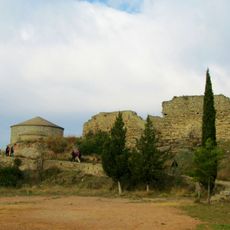
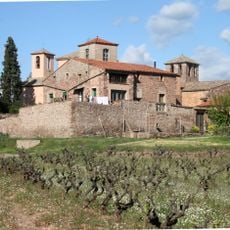
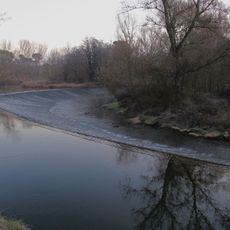
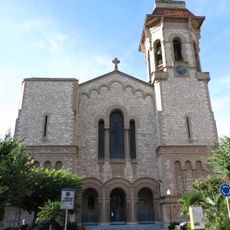
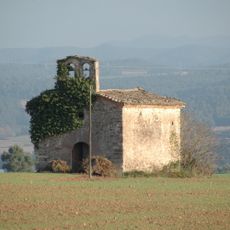
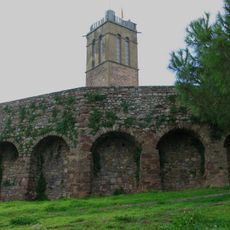
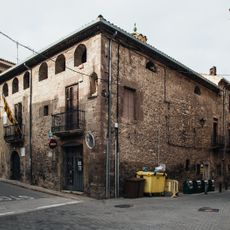
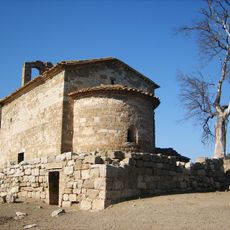
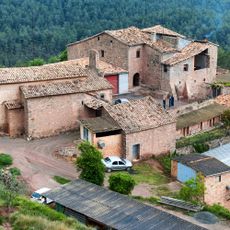
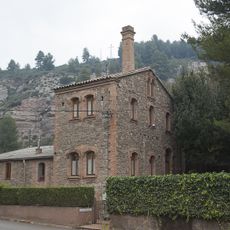
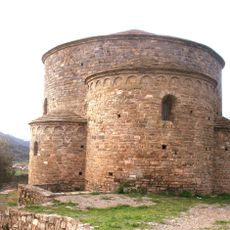
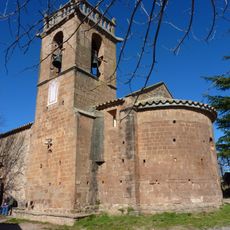
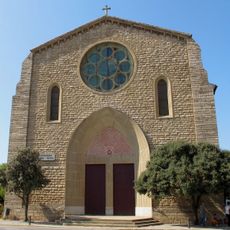
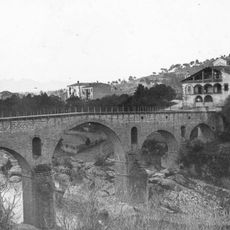
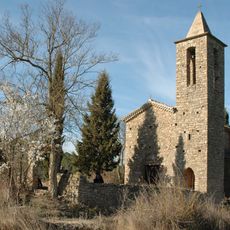
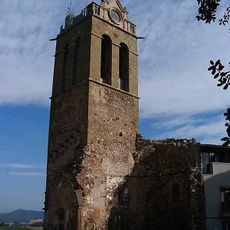
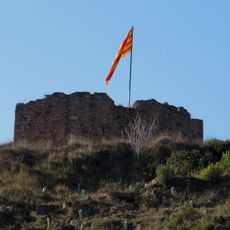
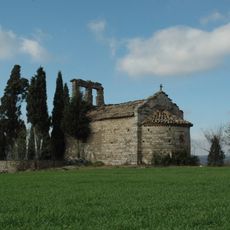
Sallent de Llobregat is a small town in the Bages region of Catalonia, situated along the Llobregat river that divides it into two areas. Narrow streets and stone buildings reflect its medieval past, with the church of Santa María de Cornet dating from the 12th century and remnants of a castle from the 13th century that once belonged to the bishops of Vich standing on higher ground.
Evidence suggests Iberian settlement existed here more than 2,000 years ago, with documents from around 1000 showing the town was protected by a castle that later belonged to the bishops of Vich from the 13th century onward. The town experienced hardship during the War of Spanish Succession, leaving visible marks that reflect the resilience of its people.
The name Sallent comes from the Latin word for salt springs, and the town has long served as a gathering place for religious processions and local festivals. The Corpus celebration has taken place here since 1325, and the Enramades festival each year brings the community together through decorations, processions, and shared customs that connect people to their shared identity.
Getting here is straightforward by car or public transportation, and the location works well for day trips or overnight stays in the area. Visitors can find simple accommodations nearby and enjoy local shops, cafes, and walking paths through and around the town at a relaxed pace.
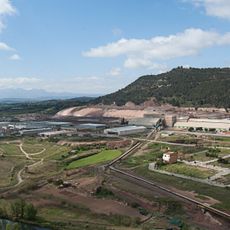
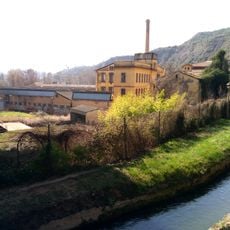
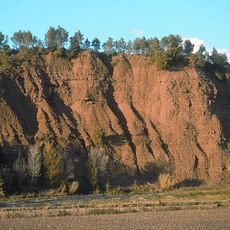
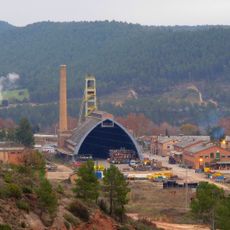
Salt mining shaped this place for centuries, with salt deposits formed millions of years ago when the area was part of an ancient ocean basin that disappeared as the Pyrenees grew. This geological heritage is visible today in the landscape and explains why the very name of the town refers to salt springs.
The community of curious travelers
AroundUs brings together thousands of curated places, local tips, and hidden gems, enriched daily by 60,000 contributors worldwide.