Castile, Historical region in central Spain
Castile is a historical region on the central plateau of Spain that covers more than a quarter of the Iberian Peninsula. The territory sits at an average elevation of 700 meters and today includes the communities of Castile and León and Castile-La Mancha with Madrid at its center.
The region began around 800 as a small district near the Cantabrian Mountains and grew through military campaigns against Moorish lands during the Middle Ages. The Castilian dialect evolved into the Spanish language and later spread throughout Spain and Latin America.
The name comes from the many fortifications built during the Christian reconquest. These strongholds shaped the landscape so deeply that the region became known as the land of castles.
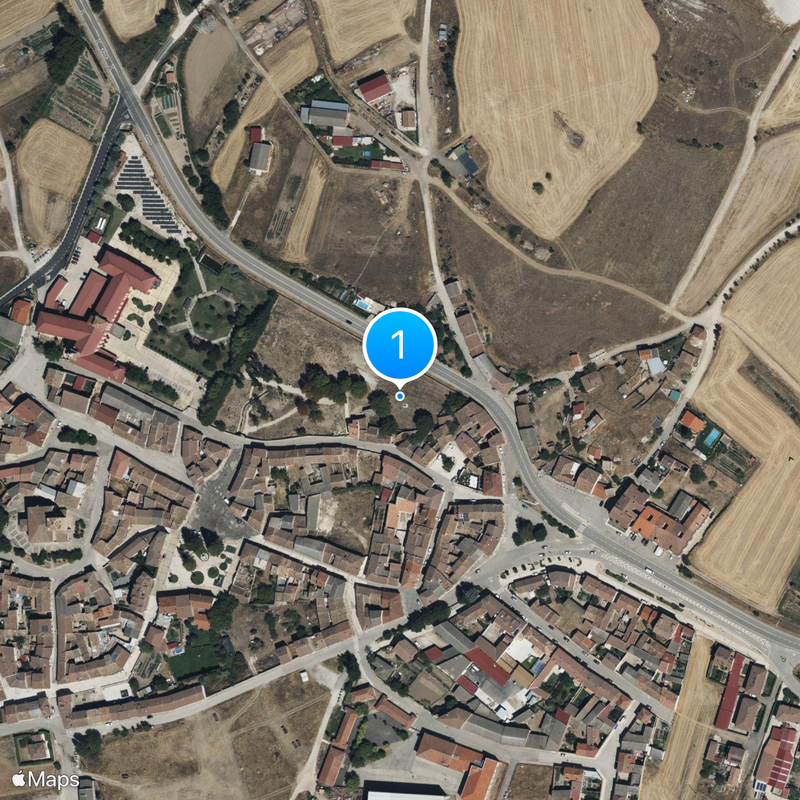
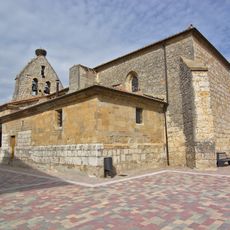
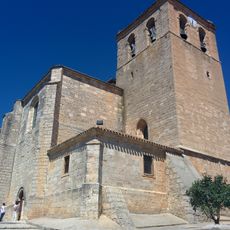
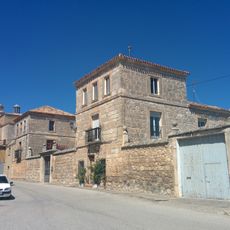
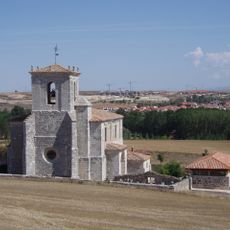
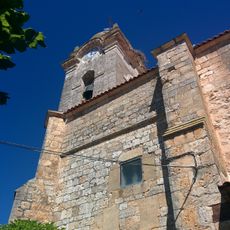
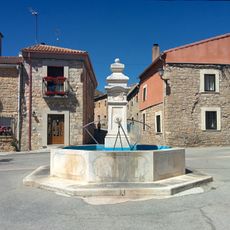
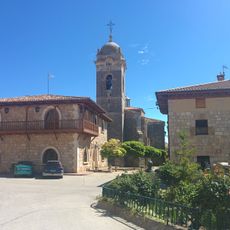
The modern region covers wide plateaus with long distances between towns and a continental climate bringing hot summers and cold winters. Drives through the area reveal vast wheat fields, vineyards, and old villages built from clay and stone.
Castilian cooking favors simple dishes like roasted suckling pig and lamb cooked slowly in wood-fired ovens. Many villages still have old windmills standing on hills that Don Quixote once mistook for giants.
The community of curious travelers
AroundUs brings together thousands of curated places, local tips, and hidden gems, enriched daily by 91,912 contributors worldwide.