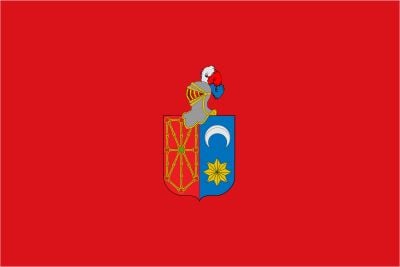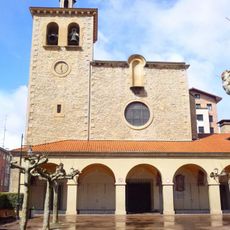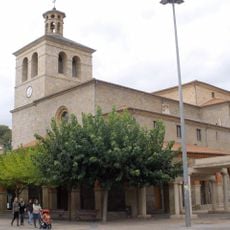
Villava-Atarrabia, human settlement in Cuenca de Pamplona, Navarre, Spain
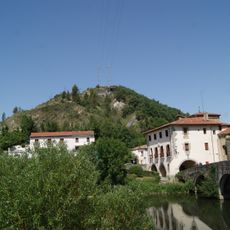
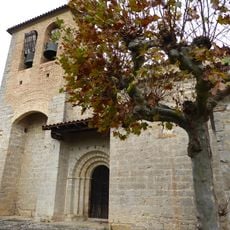
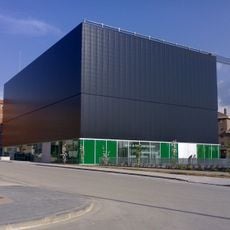
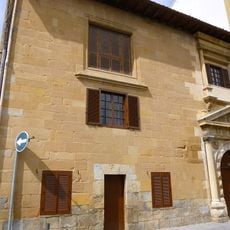
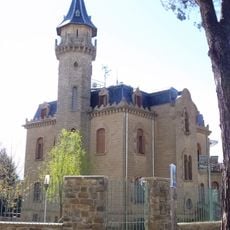
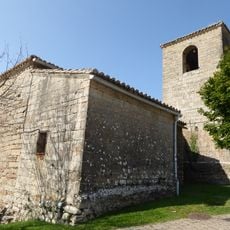
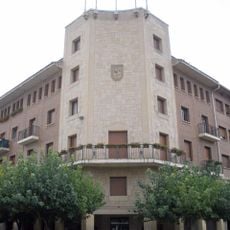
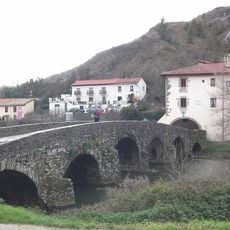
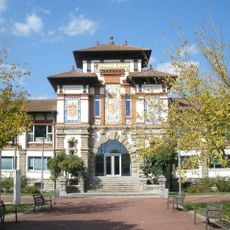
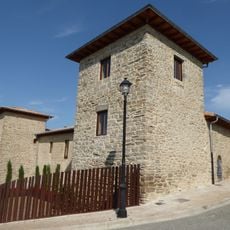
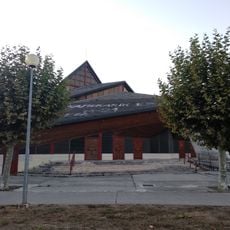
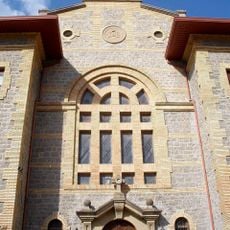
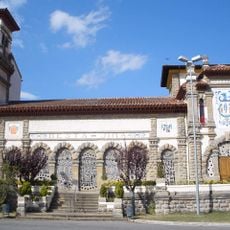
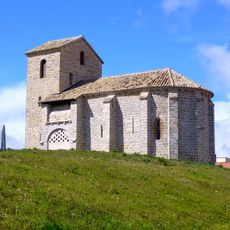
Villava-Atarrabia is a municipality in Navarre situated just a few kilometers from Pamplona on flat terrain beside the Ulzama river. The settlement displays a mixed layout with a historic core featuring narrow streets like Calle Mayor, medieval structures, and modern residential areas that have expanded since the 19th century.
The municipality was founded in 1184 by King Sancho VI the Wise to create a new settlement called Villa nova next to the existing village of Atarrabia. The community received a fuero, a privilege granting its residents special rights that established strong local autonomy.
Villava-Atarrabia carries its Basque name Atarrabia with cultural significance, as efforts to revive the Euskera language have become central to local identity. The old town displays this connection through traditional architecture and spaces like the frontón, where pelota, an ancient Basque ball game, is still played today.
The location sits directly on the main Camino de Santiago route and is easily walkable from Roncesvalles, with Calle Mayor serving as the central passage. Visitors find rest areas, shops, and resting spots along the route that are set up specifically for pilgrims.
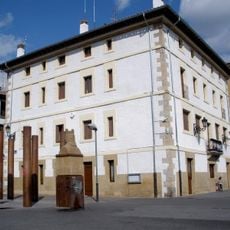
A medieval stone called Rollo jurisdiccional marks the symbolic center of local power and autonomy that still stands today. This boundary marker was a symbol of the community's independence and reminds visitors of the historic importance of self-governance in the town.
The community of curious travelers
AroundUs brings together thousands of curated places, local tips, and hidden gems, enriched daily by 90,846 contributors worldwide.