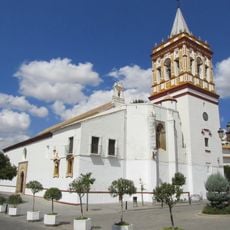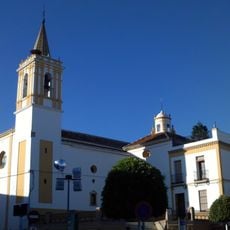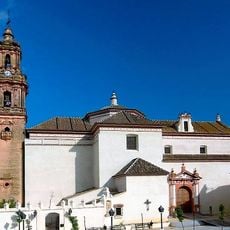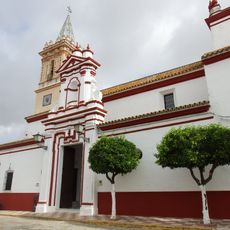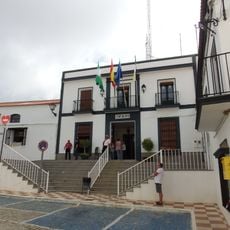
Pilas, municipality of Spain
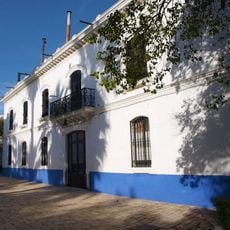
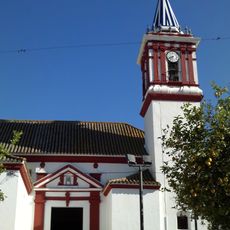
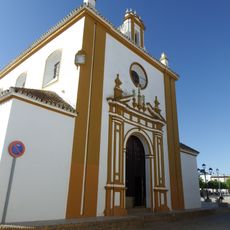
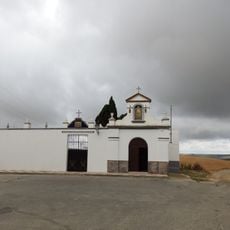
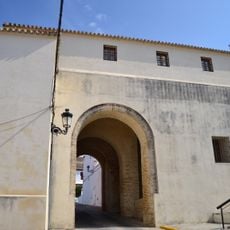
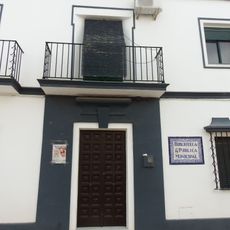
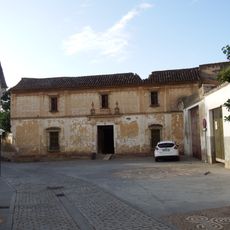
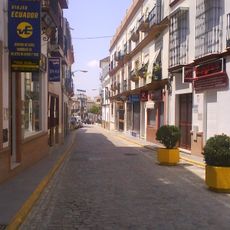
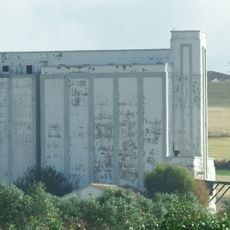
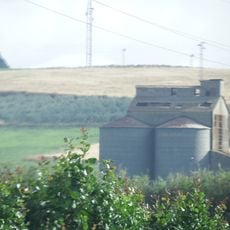
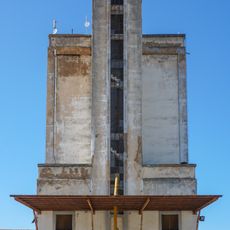
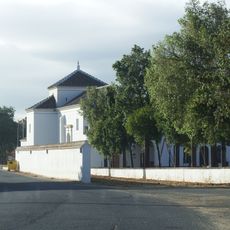
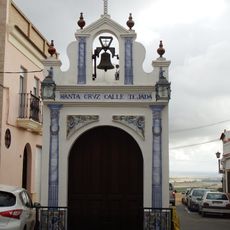
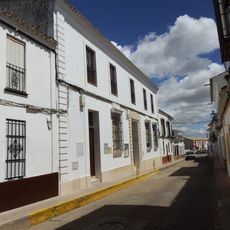
Pilas is a small town in Seville Province roughly halfway between Seville and the coast. It sits in a flat, quiet landscape near Doñana National Park and is known for its traditional layout with narrow streets, local squares, and buildings that reflect its history as a trading center.
Pilas was an important settlement during Roman times known for oil production. After the Moorish period, when King Alfonso X named the town in 1248, it developed from the 15th to 16th centuries into a major trading hub for oil, ceramics, and soap exported as far as the Americas.
The name Pilas was given by King Alfonso X in 1248. Today the town remains a place where religious traditions thrive, especially devotion to the Virgin del Rocío, whose replica is carried through the streets during processions that bring the community together.
From Seville, the town is reachable by car in about 30 minutes via the A-49 motorway, and the coast is about 45 minutes away. Buses run regularly from Seville's Plaza de Armas Bus Station, though it is helpful to check evening departure times since connections end early.
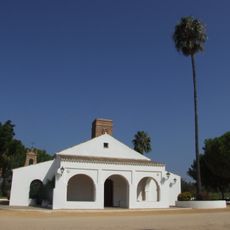
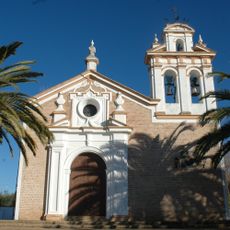
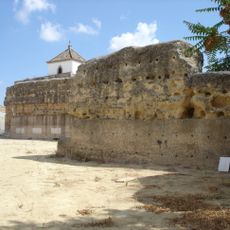
The famous painter Bartolomé Esteban Murillo married a woman from Pilas in the 17th century, giving the town an artistic connection to Spanish art history. The Ermita de Belén also preserves Moorish structures from the 11th century that survived later renovations and remain visible as traces of that period.
The community of curious travelers
AroundUs brings together thousands of curated places, local tips, and hidden gems, enriched daily by 92,149 contributors worldwide.