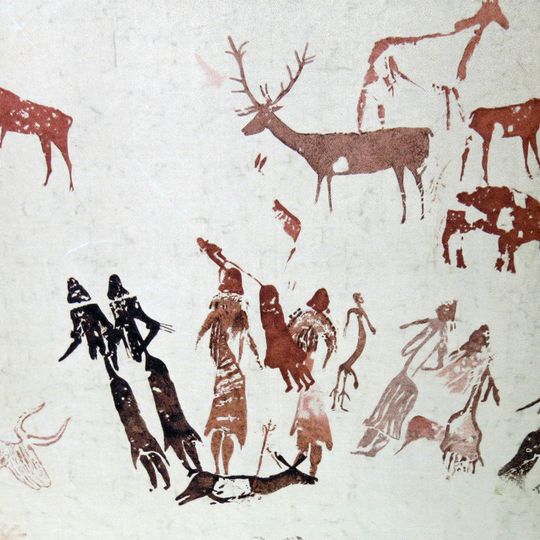
Rock Art of the Mediterranean Basin on the Iberian Peninsula, Rock art in Spain
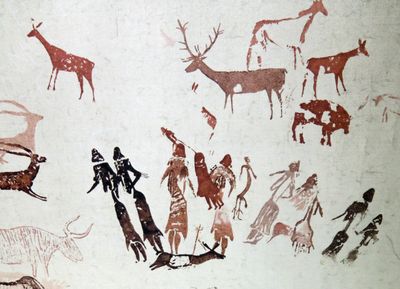
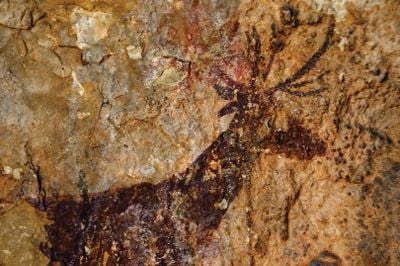
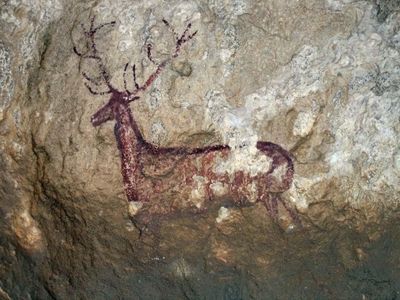
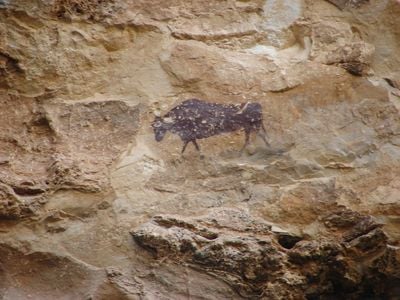
The rock paintings of the Spanish Levante are a large collection of prehistoric images on rock surfaces throughout the region behind the Mediterranean coast. These artworks are found at over 700 protected sites and depict scenes of people, animals, and hunting activities created with natural pigments including ochre, charcoal, and minerals.
The paintings were first discovered in 1903 in Teruel and identified by researcher Juan Cabré as works from the early farming period. Based on the absence of Ice Age animal depictions, they were dated to around 6000 years ago, and the collection received UNESCO World Heritage status in 1998.
The paintings depict people engaged in hunting, fighting, and daily work, offering a window into early community life. These images likely served ritual purposes or recorded important events in the lives of ancient inhabitants.
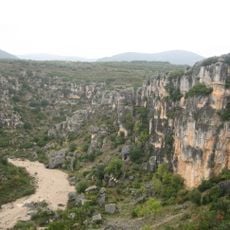
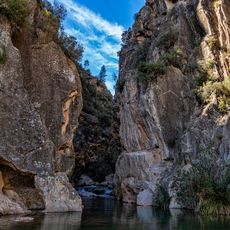
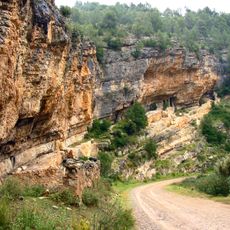
The paintings are located on rock surfaces, some positioned high above ground or beneath overhangs, accessible from various regions. Visitors should wear comfortable shoes as terrain can be uneven and bring water, since exploration takes time and shade is limited.
Many of the paintings depict curved bow weapons, a key feature indicating the early farming period. These details provide a rare glimpse into technological development and were crucial for accurately dating these ancient artworks.
The community of curious travelers
AroundUs brings together thousands of curated places, local tips, and hidden gems, enriched daily by 92,383 contributors worldwide.