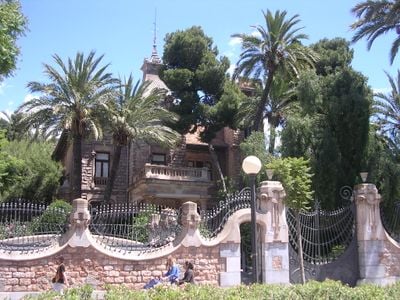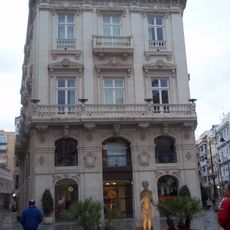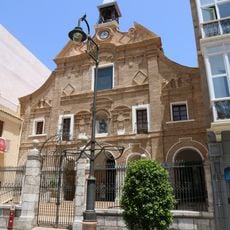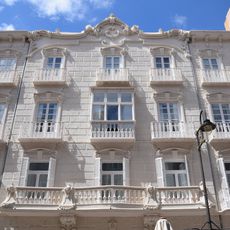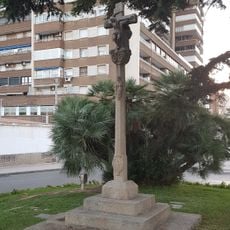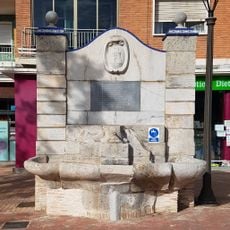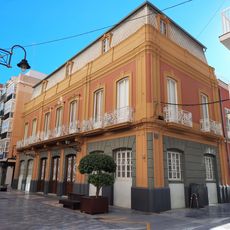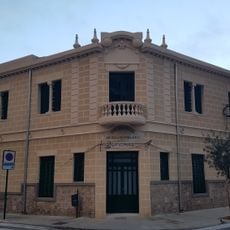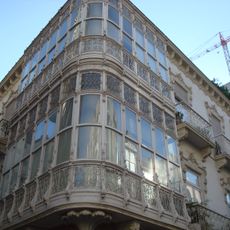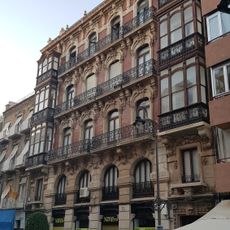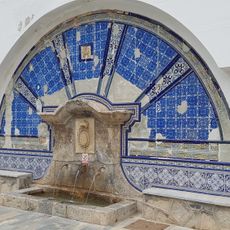
Casa Zapata, Art Nouveau mansion in Plaza de España, Cartagena, Spain
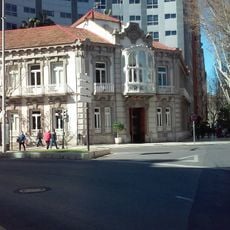
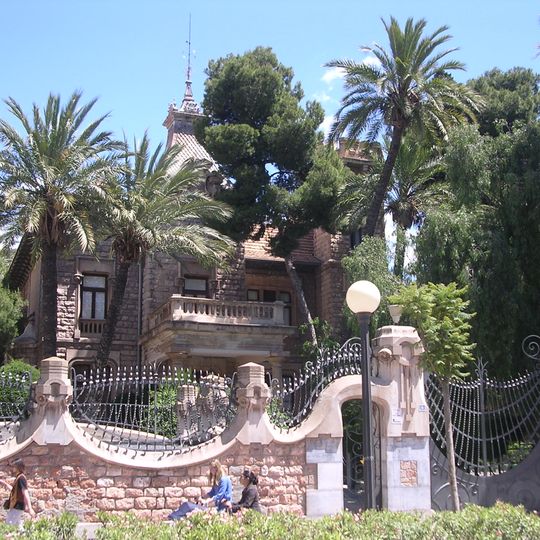
Casa Zapata is a building on Plaza de España in Cartagena that combines multiple architectural styles, blending Gothic Revival elements with Art Nouveau features and Moorish influences. Its facade displays intricately carved stonework, flowing lines, and decorative details that define the entire exterior.
Designed by architect Víctor Beltri i Roqueta in the early 20th century, it marks a pivotal moment in Spanish architecture between traditional and modern design approaches. This style reflected a broader artistic movement that merged historical references with new creative principles.
It now functions as part of Colegio Santa Joaquina de Vedruna, blending its school operations with the preservation of an architectural landmark in central Cartagena. The facade continues to speak to the artistic ambitions of the Belle-Epoque period that remain alive in this space.
The building sits in the center of Plaza de España and is well served by public transit, with several bus lines stopping at the square. The school grounds are not constantly open to the public, but the striking facade can be admired from outside.
The facade features deliberately asymmetrical shapes and nature-inspired curves that set it apart from the more geometric structures surrounding the square. These irregular lines were a deliberate design statement of modernity against rigid academic conventions.
The community of curious travelers
AroundUs brings together thousands of curated places, local tips, and hidden gems, enriched daily by 91,615 contributors worldwide.