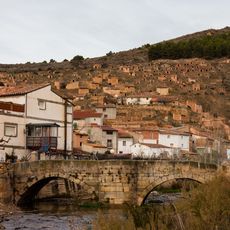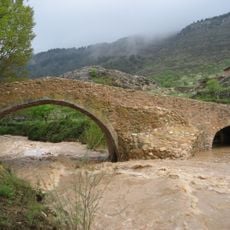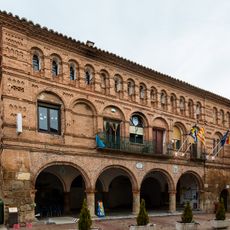
Peñalcázar, depopulated of Spain in the municipality of La Quiñonería
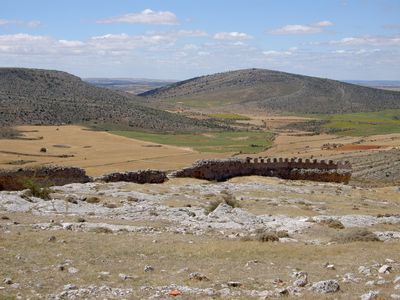
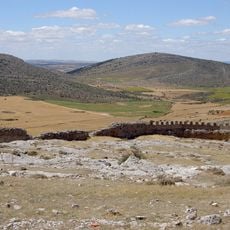
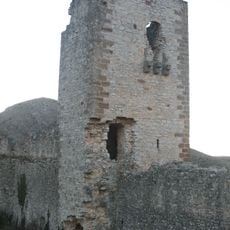
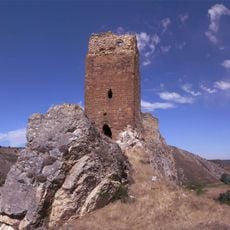
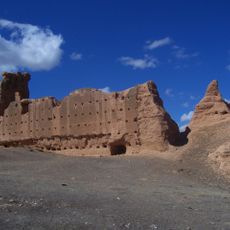
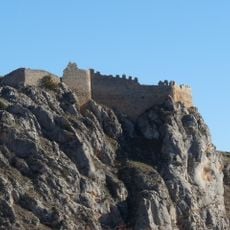
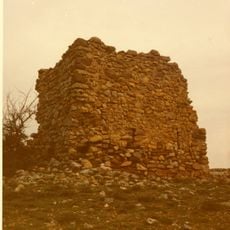
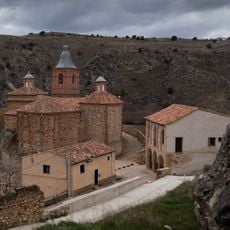
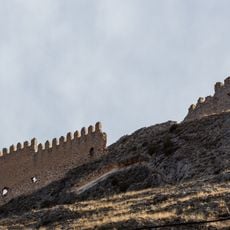
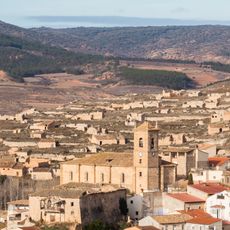
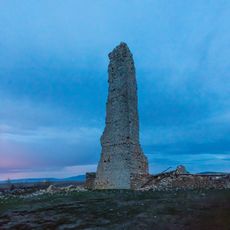
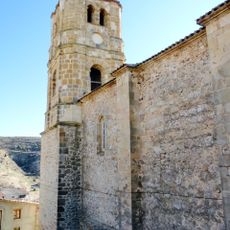
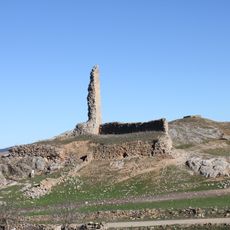
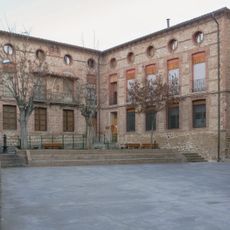
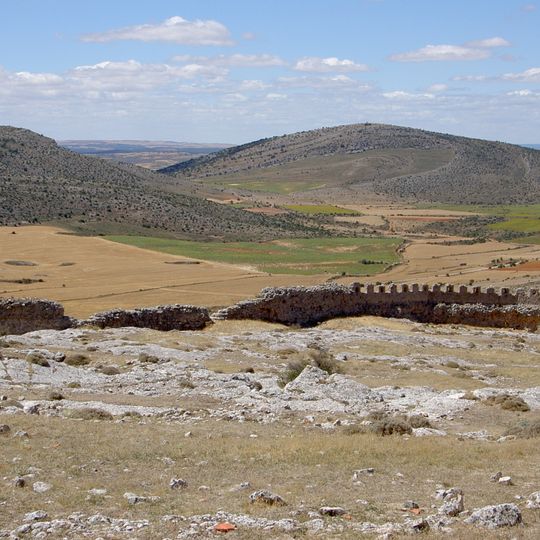
Peñalcázar is an abandoned village and fortress in Quiñonería situated on a rocky plateau roughly 100 feet (30 meters) high, positioned above 4,000 feet (1,200 meters) in elevation in the Castile and Leon region. The site retains sections of its defensive walls and contains ruins of the San Miguel church, an 18th-century chapel, and fragments of the Alcazar fortress, with some crenellations of the medieval fortifications still intact.
Peñalcázar began as a Celtiberian settlement in pre-Roman times and later became known to the Romans as Centóbriga before becoming an Arab center. In 974, the Moors built the fortress Al-qasr, which Christian Count García Fernández of Castile conquered that same year, after which it served as an important border post between Castile and Aragon.
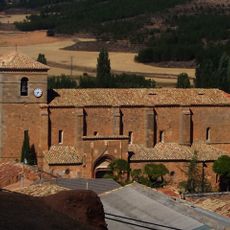
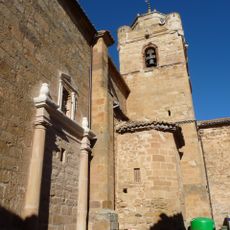
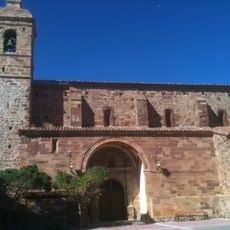
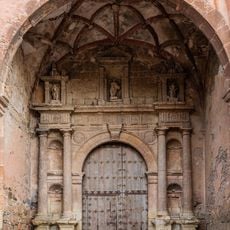
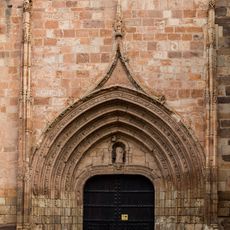
The name Peñalcázar comes from the Arabic Al-qasr, meaning fortress, reflecting the Moorish past visible in the site's foundation. The ruins of the San Miguel church with its Gothic-Renaissance style show the spiritual importance this mountain settlement held for those who once lived here.
The site is accessible only on foot via a steep path starting from Quiñonería, and visitors should wear sturdy shoes and be physically prepared. Bring plenty of water and supplies since there are no shops or facilities nearby, and explore the ruins respectfully to avoid causing further damage to this fragile location.
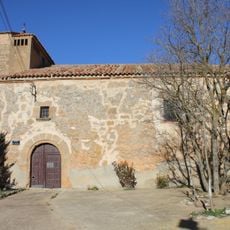
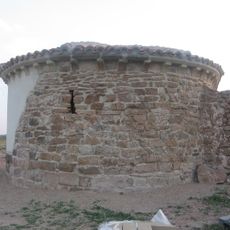
Beneath the north face of the rocky outcrop sits a small 18th-century chapel that visitors often miss, along with a snow storage structure used to preserve ice during summer months. These practical buildings reveal how mountain residents adapted to their harsh environment and managed daily life.
The community of curious travelers
AroundUs brings together thousands of curated places, local tips, and hidden gems, enriched daily by 60,000 contributors worldwide.