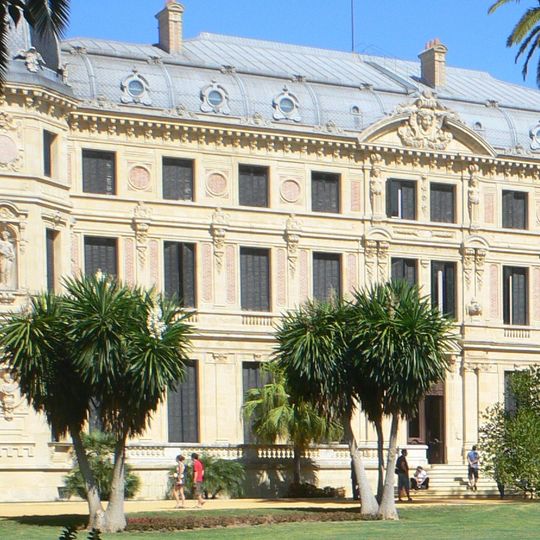
Recreo de las Cadenas, 19th-century palatial building in Jerez de la Frontera, Spain
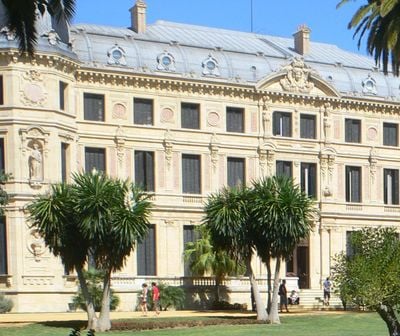
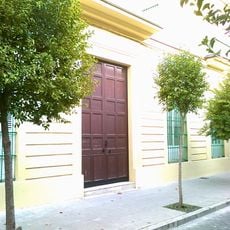
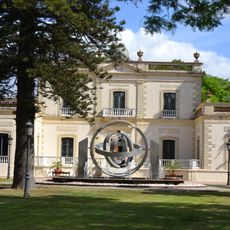
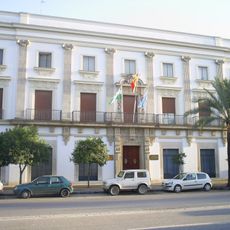
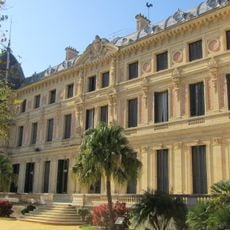
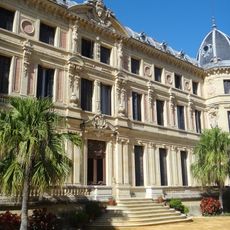
Recreo de las Cadenas is a 19th-century palatial residence in Jerez de la Frontera featuring an eclectic architectural style combining stone and brick elements. The main facade displays eight columns, ornamental masks on the pediments, and detailed decorative work that reflects the design sophistication of its era.
The palace was commissioned between 1861 and 1868 by the French-born wine merchant Julián Pemartín y Laborde, grandfather of the writer José María Pemán, whose family crest crowns the entrance gate grille. Its design is attributed to the French architect Charles Garnier, though another theory credits Samuel Revel. It later passed to the Dukes of Abrantes, Carmen de Carvajal y Alcázar and Francisco de Borja Zuleta de Reales, from whom the building took its name.
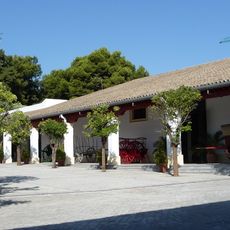
The building now houses the Royal Andalusian School of Equestrian Art, where visitors can witness the living tradition of classical horsemanship and its deep roots in Andalusian heritage. The space serves as a center for preserving Spanish equestrian disciplines.
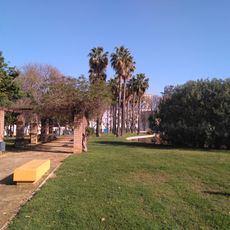
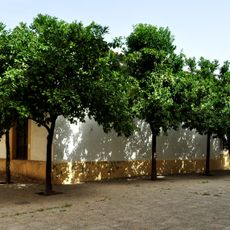
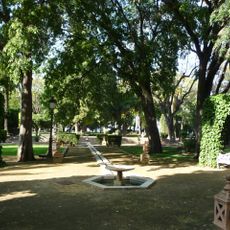
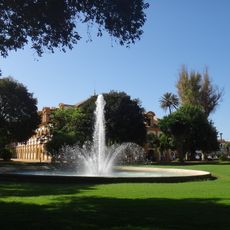
The palace stands on the Camino de Lebrija, now absorbed by the city's growth rather than in the historic centre by the Alcázar. It is the seat of the Real Escuela Andaluza del Arte Ecuestre, so visits depend on the school's activities and some areas may be closed. The gardens, with their Indian trees and central illuminated fountain, are part of the grounds.
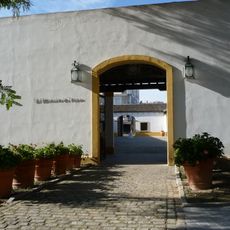
The palace's interior holds a chapel that served Jerez's sizeable Protestant community, most of them tied to the wine trade in the 19th century. The family crest of Julián Pemartín y Laborde crowns the grille of the entrance gate.
The community of curious travelers
AroundUs brings together thousands of curated places, local tips, and hidden gems, enriched daily by 94,226 contributors worldwide.