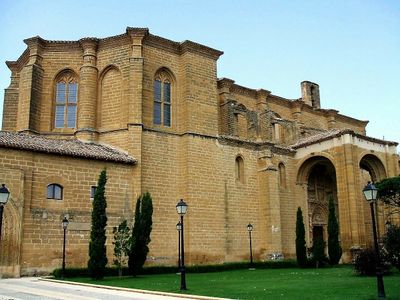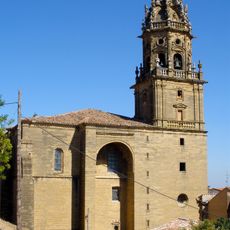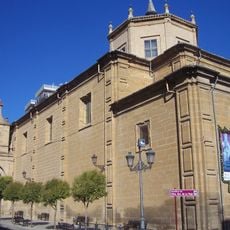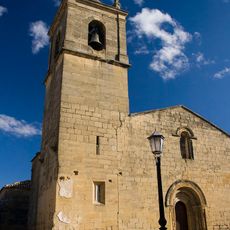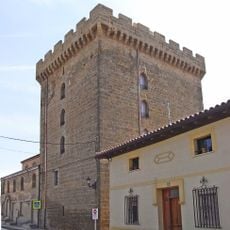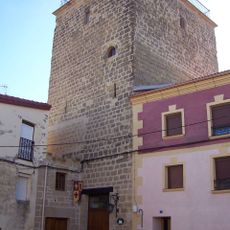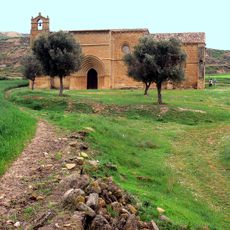
Monastery of Santa Maria de la Piedad, Gothic monastery in Casalarreina, Spain.
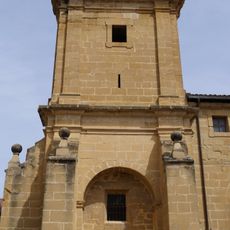
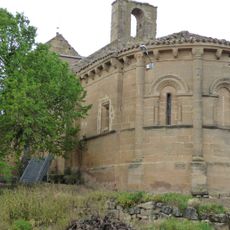
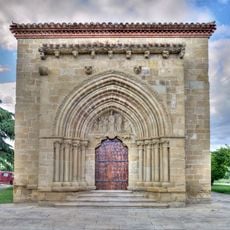
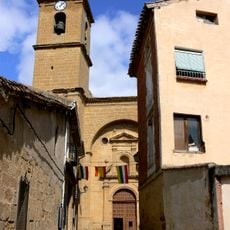
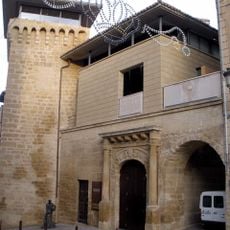
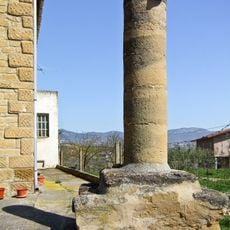
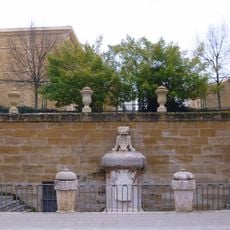
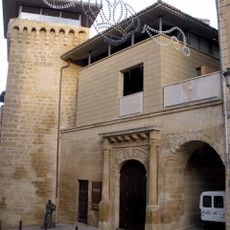
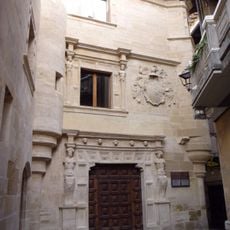
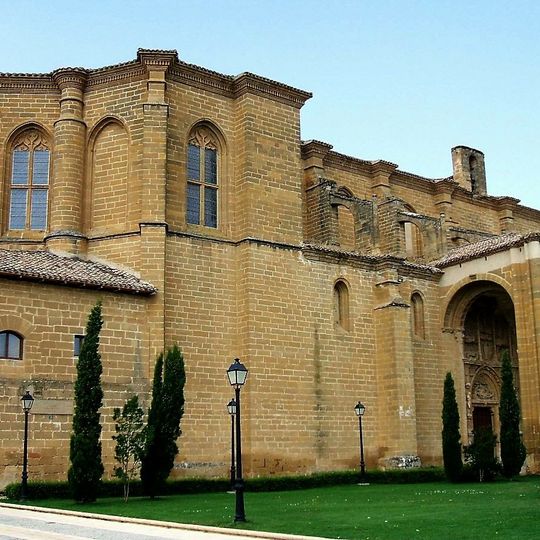
The Monastery of Santa Maria de la Piedad is a Dominican convent begun in 1514 in Isabelline Gothic and Plateresque Renaissance styles, built of ashlar stone. Its single-nave church has a trefoil chevet and complex ribbed vaults, including a four-leaf clover pattern over the presbytery. The Plateresque north portal, from the workshop of Felipe Vigarny, is carved like a retable with a Pietà in the tympanum and a pelican at its apex.
Construction began on 10 April 1514 by order of Juan Fernández de Velasco, bishop of Calahorra and Palencia, after Pope Julius II granted permission in 1509. The bishop died in 1520, and a family dispute over the religious order halted works. The church was consecrated on 13 March 1522 during the visit of Pope-elect Adrian VI, and in 1523 the building was handed to Dominican nuns. Works ceased in 1524.
The monastery remains an active community where Dominican nuns live in contemplation today. The religious artworks and carefully designed interior spaces reflect how Spanish spirituality was expressed through architecture and decoration.
The monastery sits at Plaza de Santo Domingo 5 in the heart of Casalarreina and is straightforward to locate. The grounds are maintained by Dominican nuns who reside there as part of their religious community.
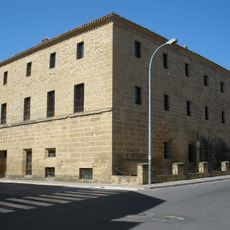
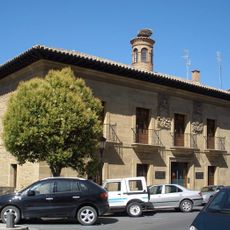
The monastery is the only one in Spain inaugurated by a pope: the church was consecrated on 13 March 1522 during the visit of Pope-elect Adrian VI, who stayed overnight in Casalarreina on his way to Rome. The unfinished complex also housed a girls' school, and its former building now serves as the Hospedería Señorío de Casalarreina.
The community of curious travelers
AroundUs brings together thousands of curated places, local tips, and hidden gems, enriched daily by 94,758 contributors worldwide.