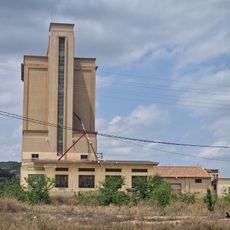
El Bovalar, Archaeological site in Seròs, Spain
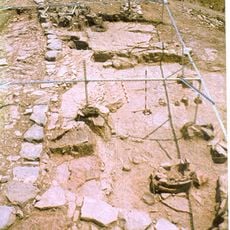
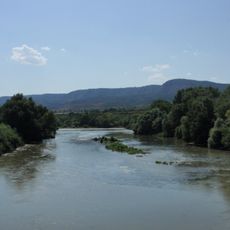
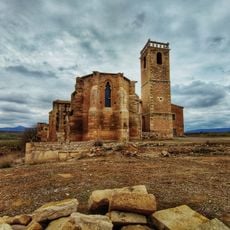
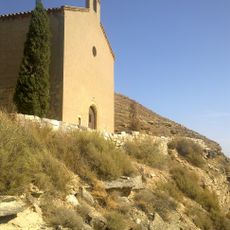
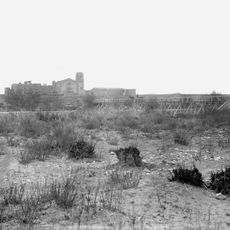
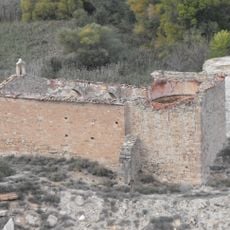
El Bovalar is a Visigothic archaeological site 2 km east of Seròs, across the Segre river. Its basilica, a rectangular building of 26 by 12.3 m, had three naves separated by columns whose bases remain, a tripartite apse and an annex baptistery with a square plan and a dome on small columns. Around it stand the stone and rammed-earth houses of a small village, each with two or three rooms opening onto a corridor, and a necropolis of monolithic sarcophagi and slate or limestone slab tombs.
The basilica probably dates from the late 4th century and stayed in use until the Muslim invasion; the village beside it grew up later, and its final phase, when the villagers used the temple, belongs to the last years of the Visigothic kingdom of Toledo. Coins of the last Visigothic kings found on the site, up to Akhila, point to destruction by a great fire after 713-714. The site was discovered in 1943 and excavated from 1968.
The site shows how people earned their living through farming and crafts. Tools, grain, a mill for pressing oil, and woolworking equipment reveal the daily activities and trades that sustained the community.
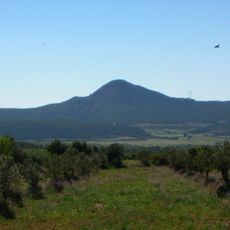
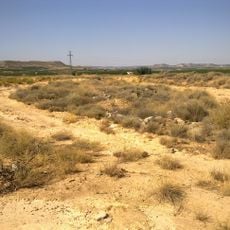
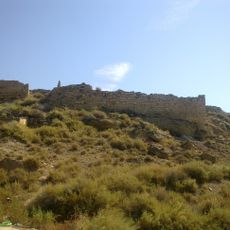
The site sits on flat ground with ruins that are easy to walk around and observe from different angles. Bring sturdy shoes and be prepared for limited shade, especially during warmer months.
The village was destroyed by a fire after 713–714, and ten gold trientes found by 1982 date the end: one of Egica, three of Egica-Vitiza, five of Witiza and one of Achila II. A bronze Coptic-workshop cruet for consecrated wine and a censer with a domed lid topped by a bird came from the site.
The community of curious travelers
AroundUs brings together thousands of curated places, local tips, and hidden gems, enriched daily by 93,406 contributors worldwide.