Cueva de las Maravillas, Archaeological cave in Gandia, Spain.
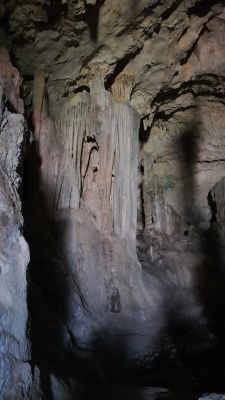
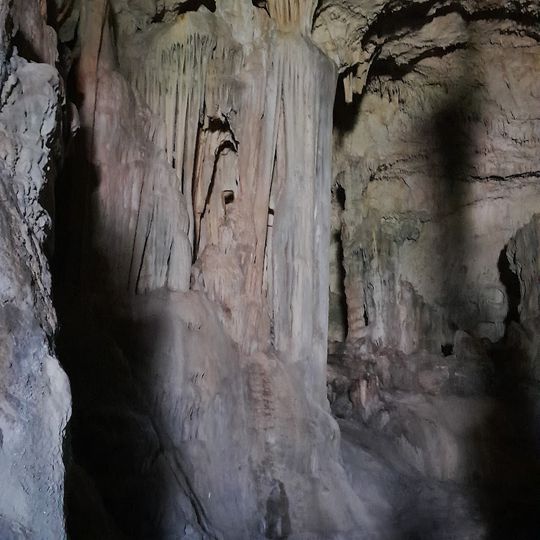
Cueva de las Maravillas is an archaeological site in Gandia comprising multiple chambers with stalactites and stalagmites formed through geological processes spanning millions of years. The cave contains traces of human occupation and artistic activity from prehistoric times.
The cave was inhabited by humans during the Upper Paleolithic period, as evidenced by artifact layers from different cultural phases. These deposits show that the site was regularly visited and used over an extended timeframe.
The cave walls display fifteen different animal representations, including horses, aurochs, oxen, goats, and deer, painted in prehistoric times. These images reflect the wildlife that early inhabitants knew and hunted in this region.
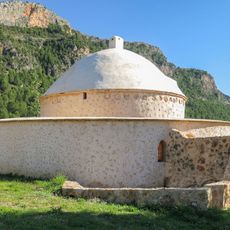
The cave is currently not open to the public and remains protected by a security fence. Visitors can view the site from outside while archaeological work and evaluation processes continue.
The cave contains marine elements in its rock formations, indicating that the Mediterranean Sea once reached this inland location in ancient times. This reveals that the coastline and landscape have shifted significantly since the cave was inhabited.
The community of curious travelers
AroundUs brings together thousands of curated places, local tips, and hidden gems, enriched daily by 92,638 contributors worldwide.