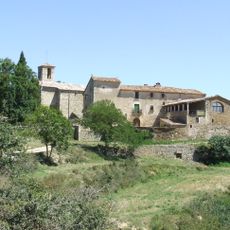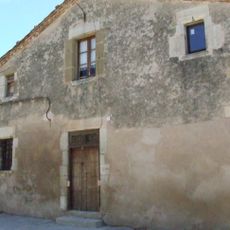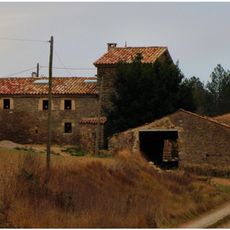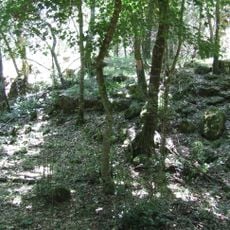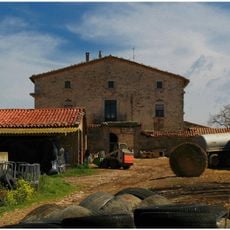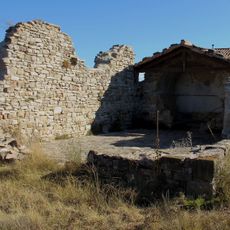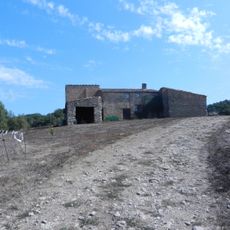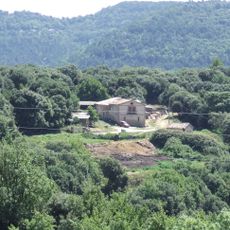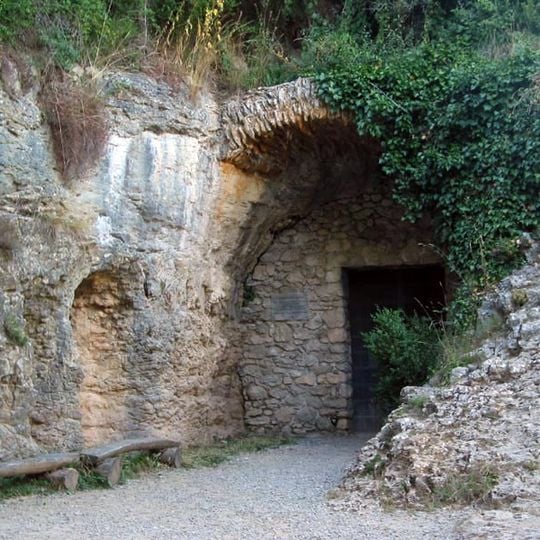
Cova del Toll, Prehistoric cave and archaeological site in Moià, Spain
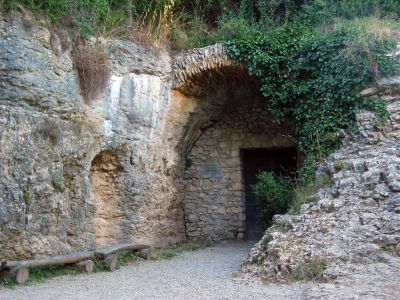
Cova del Toll is a limestone cave system with multiple chambers extending for about two kilometers at an elevation of roughly 760 meters. The passages contain layered deposits from different time periods, holding the remains of animals, human tools, and other artifacts throughout their depth.
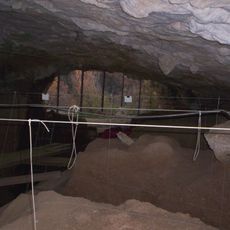
Scientific excavations began in the 1950s and uncovered evidence of human habitation dating back to the Middle Paleolithic period. The findings show that over thousands of years this location served as a gathering place for hunter-gatherers and large predators including cave bears and hyenas.
The name comes from the Catalan word for cave, reflecting the central role this place held in local prehistory and identity. Visitors can observe how humans and animals shared these spaces and left their marks across different time periods.
Visitors can join guided tours through the cave system and explore an attached museum displaying findings and background information. Plan to spend adequate time and wear suitable footwear, as paths through the cave are uneven and some passages are tight.
The cave holds more than 10 meters of stacked layers from different periods, creating a kind of historical record written in stone and bone. Within these layers, bear den sites and evidence of human hunting activities can be clearly distinguished from one another.
The community of curious travelers
AroundUs brings together thousands of curated places, local tips, and hidden gems, enriched daily by 90,850 contributors worldwide.