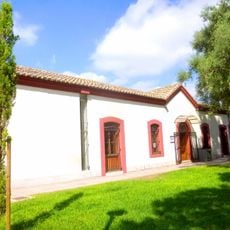
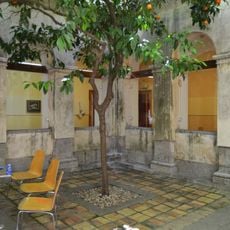
Museu Arqueològic de Gandia, Archaeological museum in the Hospital de Sant Marc, Gandia, Spain
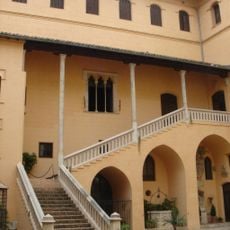
The Archaeological Museum of Gandia occupies a medieval Gothic building and displays objects spanning from the Stone Age through the Iron Age. The collection includes pottery, tools, and other items discovered at excavation sites throughout the surrounding region.
The museum was established in 1972 within a former hospital that the Borja family built during the Middle Ages. This connection to the powerful local family remains part of the building's story today.
The exhibits here tell the story of how people lived in this region thousands of years ago through objects found in local caves and archaeological sites. These artifacts show the daily life and skills of ancient communities that inhabited the area.
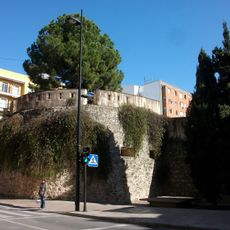
The museum occupies the Gothic Hospital de Sant Marc at the southeast corner of Gandia's medieval walls, on the left bank of the Serpis. The permanent exhibition is arranged chronologically from the Paleolithic to the Iron Age, so follow it in order to make sense of the finds from Bolomor, Parpalló and Maravillas caves.
The Parpalló cave collection is the core of the museum: thousands of painted and engraved stone plaquettes from the Upper Palaeolithic, among the largest sets of portable art in Europe. The cave lies near Gandia, and its finds were studied by the archaeologist Luis Pericot. Look for the small plaquettes painted with deer and horses.
The community of curious travelers
AroundUs brings together thousands of curated places, local tips, and hidden gems, enriched daily by 94,746 contributors worldwide.