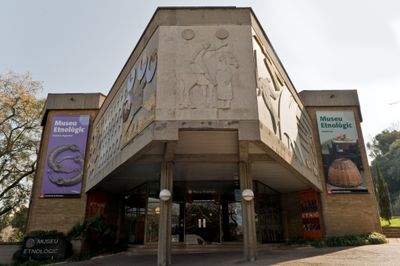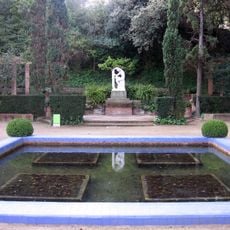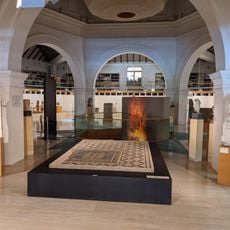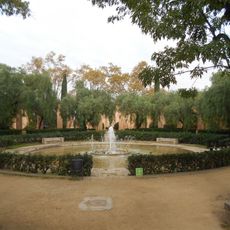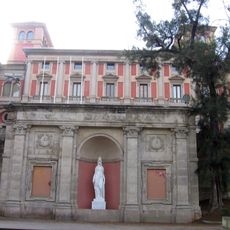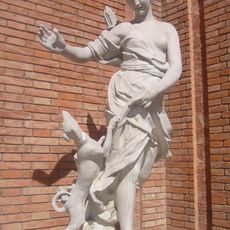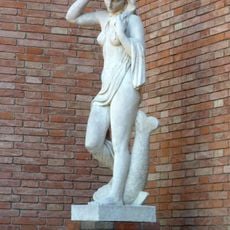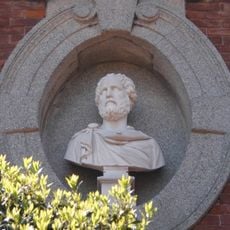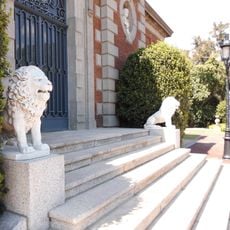
Museo Etnológico de Barcelona, Ethnology museum in Montjuïc district, Barcelona, Spain.
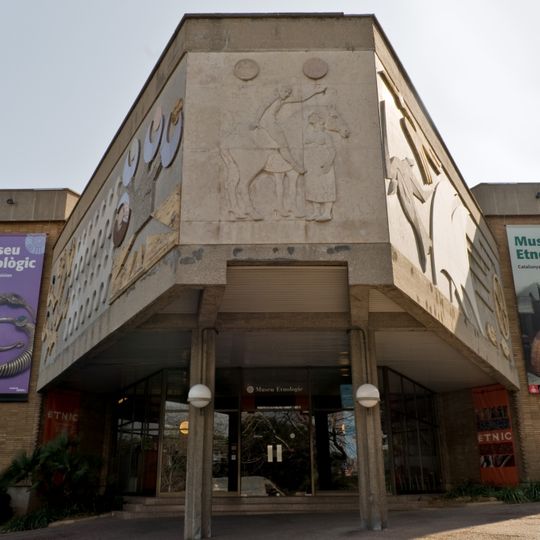
Museo Etnológico is a museum in Barcelona that displays ethnographic and archaeological collections from five continents organized by thematic exhibitions. The building itself features hexagonal modules that divide the exhibition space into distinct sections.
The museum was created in 1962 from the merger of the Museum of Popular Industries and Arts with the Ethnological Museum. This combination allowed for expanded collections and a broader perspective on human cultures.
The permanent exhibition presents six large objects symbolizing different cultural domains, surrounded by artifacts representing how diverse communities shape their world. Visitors can see how these pieces reflect the ways people express themselves through material culture.
The museum has two sites: the Montjuïc building on Passeig de Santa Madrona, 16-22, and the Montcada site. The Montjuïc building, inaugurated in 1973, is organised in hexagonal modules, so allow time to move between sections. The museum belongs to the Network of Ethnology Museums of Catalonia and is the largest of the eight in surface and collections.
The museum holds one of the most valuable collections of Japanese mingei folk art outside Japan, gathered in the mid-20th century by the sculptor and ethnologist Eudald Serra, a collaborator of the museum. He also acted as intermediary for the donation of the Australian ethnographic collections, and with the businessman Albert Folch the New Guinea pieces were acquired.
The community of curious travelers
AroundUs brings together thousands of curated places, local tips, and hidden gems, enriched daily by 93,411 contributors worldwide.