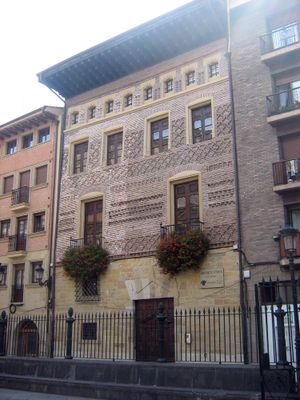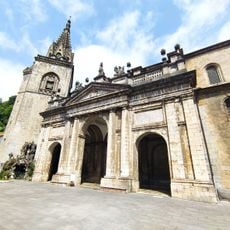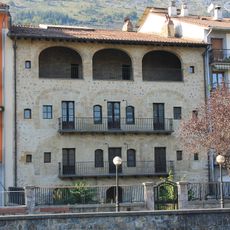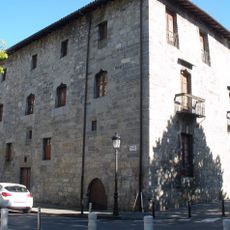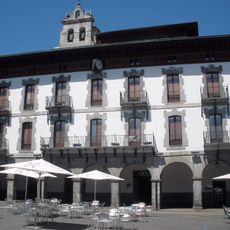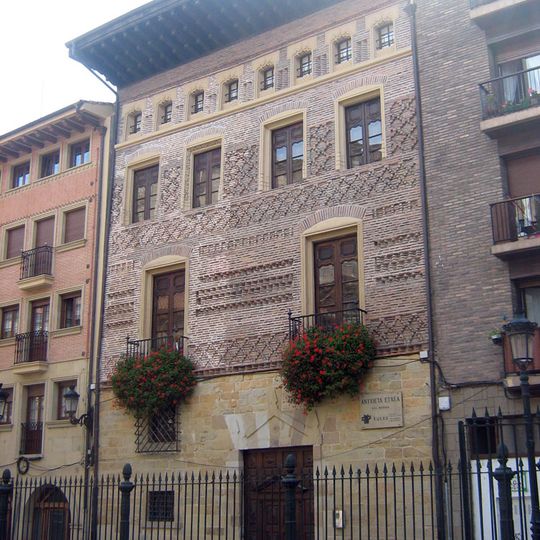
Antxieta Palace, Gothic palace in Azpeitia, Spain.
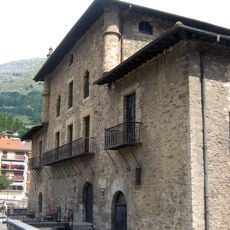
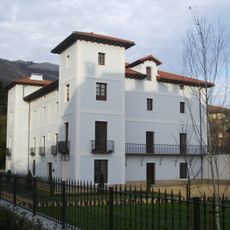
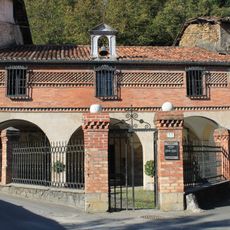
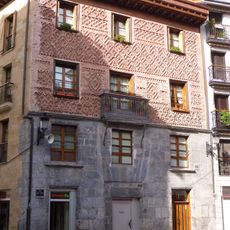
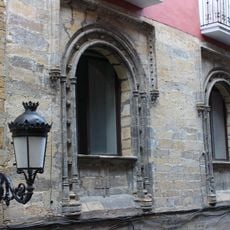
Antxieta Palace is a rectangular building made of cut stone with a distinctive masonry façade, combining Gothic and Mudéjar stylistic elements. The structure was later expanded with Renaissance features and now serves as a protected cultural site in the town.
The palace gained prominence in the 15th century as the birthplace of Juan de Anchieta, who later served as chapel master under the Catholic Monarchs. The Renaissance façade was commissioned in the 16th century by this celebrated sculptor, leaving his personal mark on the structure.
The building displays a mix of Mudéjar, Gothic, and Renaissance elements that reflect the diverse cultural influences in the Basque region. This blend is visible in the details of the façade and interior spaces, where you can see the different architectural styles side by side.
Access to the palace today is shaped by its function as a center for people with intellectual disabilities, which was adapted following comprehensive renovations by a banking organization. It is advisable to check ahead for specific opening hours and access rules before visiting.
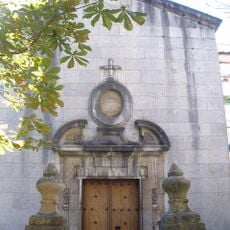
The 16th-century Mudéjar façade is a rare example of this building style in northern Spain, featuring intricate stone ornaments. The style was uncommon in this region at that time, making the palace particularly interesting for those who appreciate architectural history.
The community of curious travelers
AroundUs brings together thousands of curated places, local tips, and hidden gems, enriched daily by 90,790 contributors worldwide.