Sant Genís de Palafolls, Romanesque church in Palafolls, Spain
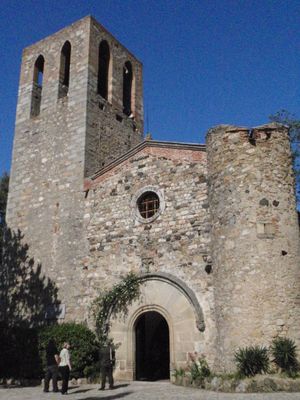
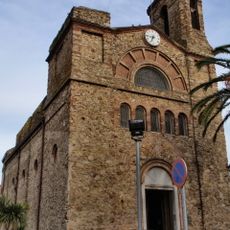
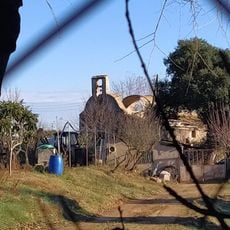
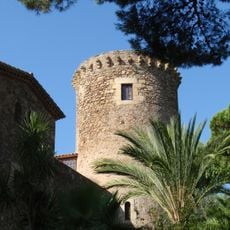
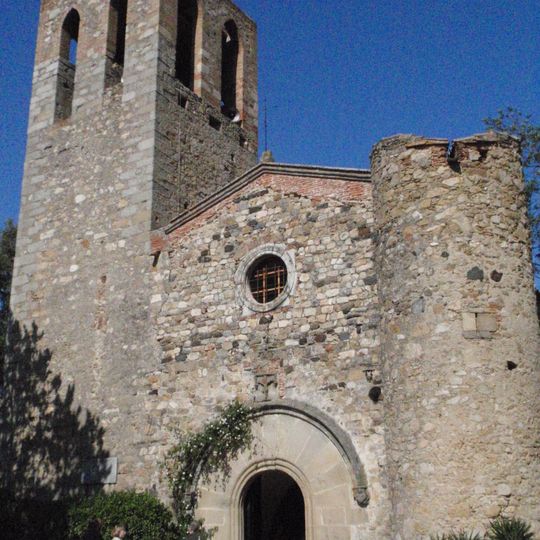
Sant Genís de Palafolls is a fortified parish church of the 11th century, consecrated in 1079 by Bishop Berenguer Guifré of Girona. It has one nave under a barrel vault, with a second nave added on the north side and a chapel on the south. Lombard bands run along the south exterior, the flat apse now serves as the sacristy, and the west door dates from the 16th century.
The parish is mentioned in a precept of Louis, King of France, in favour of the monastery of Sant Pere de Rodes in 947, under the name Sant Genís de Vilelles. The Romanesque church dates from the 11th century and was consecrated in 1079 by Berenguer Guifré, bishop of Girona. Reform works began in 1502, adding the north nave, the south chapel and the 16th-century west door.
The village takes its name from the church, formerly called Sant Genís de Vilelles. The parish church is dedicated to Saint Genesius, and the fortified building was declared a Cultural Asset of National Interest. The annual village festival is held in his honour.
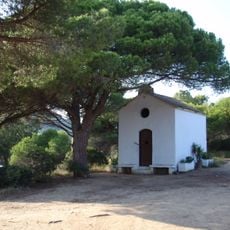
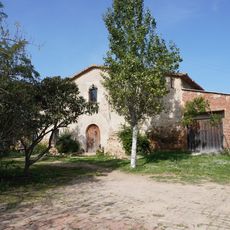
The church is reached by a one-kilometre access road that leaves the N-II at kilometre marker 683.6; the N-II is a conventional road here, not a motorway. The building stands in open country outside the town, so arriving by car is the usual option and the immediate surroundings are rural rather than enclosed.
The Romanesque carving of the Mare de Déu de les Dones came from Palafolls Castle and disappeared in 1957, so nothing of it remains in the church today. The parish is first named in a 947 precept of Louis, King of France, in favour of Sant Pere de Rodes.
The community of curious travelers
AroundUs brings together thousands of curated places, local tips, and hidden gems, enriched daily by 94,630 contributors worldwide.