Penya del Moro, Archaeological site in Sant Feliu de Llobregat, Spain
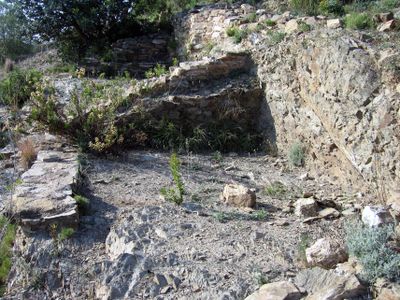
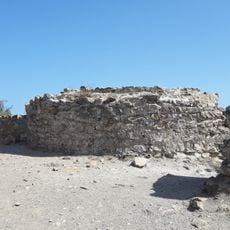
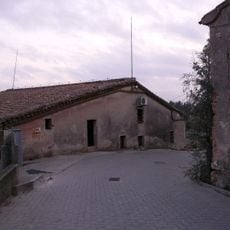
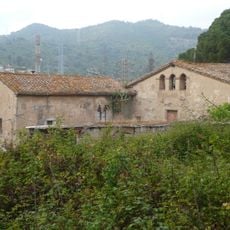
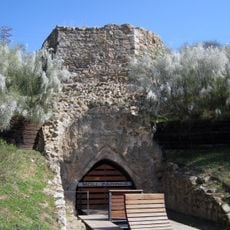
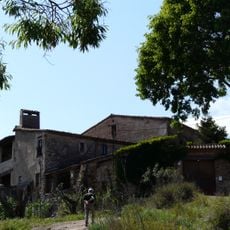
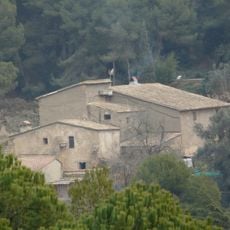
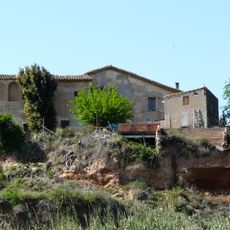
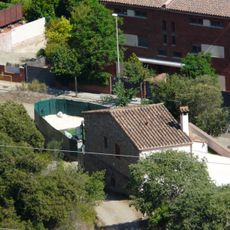
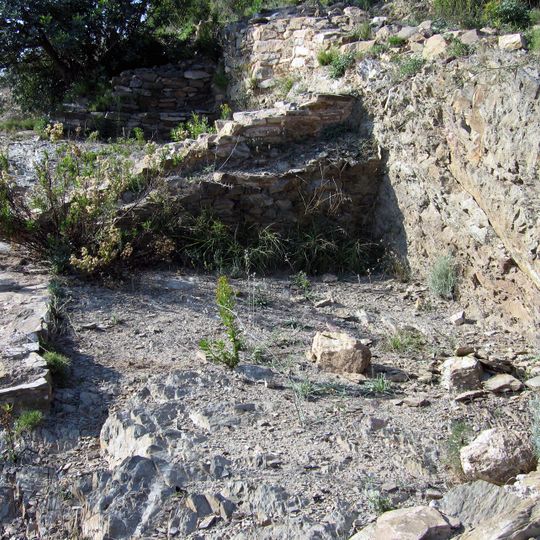
Penya del Moro is an archaeological site on a hilltop in Sant Feliu de Llobregat featuring rectangular houses carved into rock with rammed earth walls. The settlement spreads across the elevated terrain, revealing clearly visible traces of these early construction techniques.
The settlement began in the 7th century BCE and developed through two distinct building phases until the 4th century BCE. Major changes between the 6th and 5th centuries, and later between the 5th and 4th centuries, show how the community adapted and expanded its structures.
The inscriptions on discovered objects reveal a blend of Iberian and Greek writing systems, indicating active trade and cultural exchange. This linguistic mixing speaks to a community open to foreign influences and connected within Mediterranean trading networks.
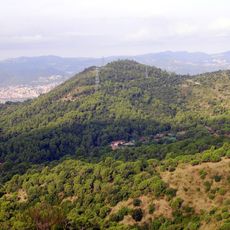
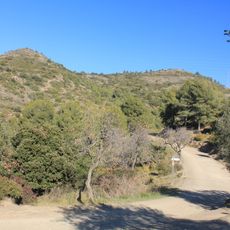
The site is accessible via a network of walking paths that allow visitors to explore the remains while taking in the surrounding landscape. The paths are relatively easy to navigate, and the elevated position offers good views for orientation.
Excavations revealed evidence of ritual sacrifices of sheep and goats, along with infant burials accompanied by valuable objects. These findings point to religious practices and burial rituals that held deep significance for the community.
The community of curious travelers
AroundUs brings together thousands of curated places, local tips, and hidden gems, enriched daily by 92,546 contributors worldwide.