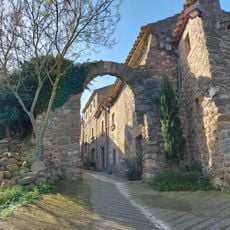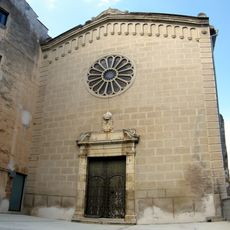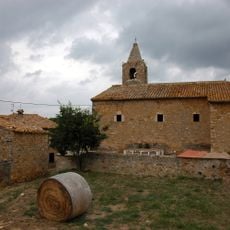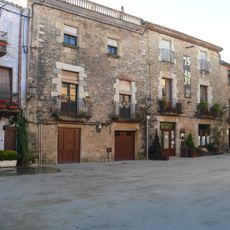
Clots de Sant Julià, Archaeological site in Forallac, Spain
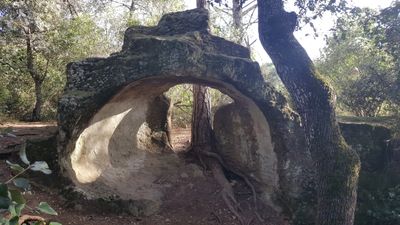
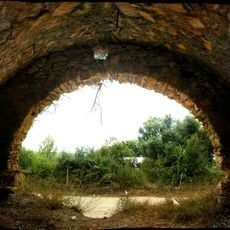
Clots de Sant Julià is an ancient stone quarry with multiple extraction areas reaching depths of around 10 meters below ground level. The site spreads across different zones where you can see how workers cut and removed stone in ancient times.
The quarry's origin is very old: Roman and pre-Roman finds have been made, though no deep archaeological excavation has yet established its history with certainty. It has been speculated that the walls of the pre-Roman town of Puig de Sant Andreu d'Ullastret or Empúries could have been built with stone from the Clots, and that Peratallada was also built with this stone. In 2006 the site was declared a Cultural Asset of National Interest, linked to the Iberian city of Ullastret.
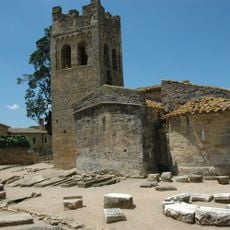
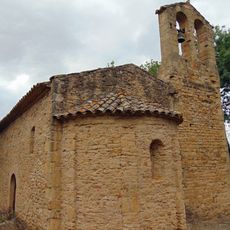
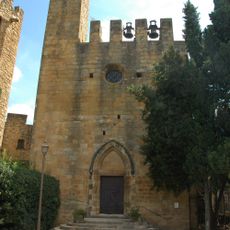
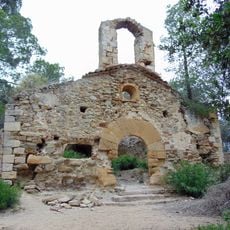
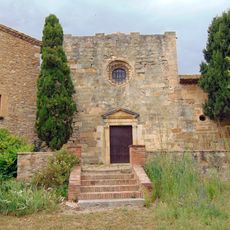
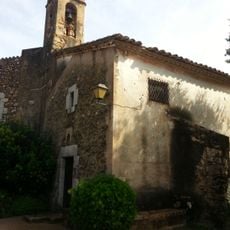
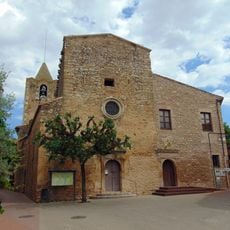
The chapel here shows how the space became a place of worship over time, with carved symbols marking spiritual transformation. The smooth walls reveal how people used the stone itself as a sacred setting.
The site is reachable from Sant Esteve Church in Canapost by following marked paths on the GR-92.1 trail. Wear comfortable shoes and prepare for uneven ground, especially in the deeper quarry areas.
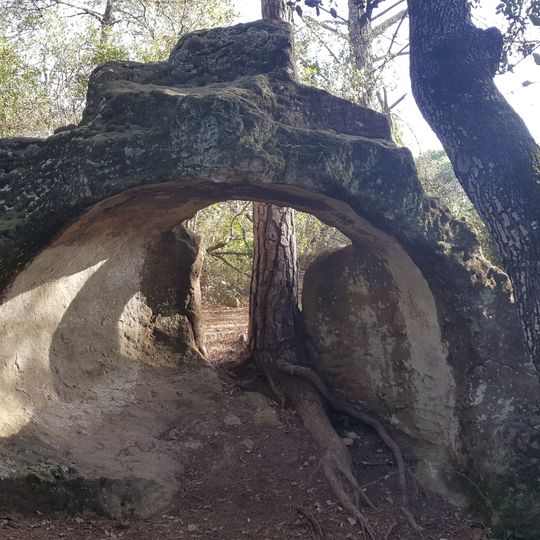
The name Sant Julià may itself point to a very old place of worship, and the site is also called Pont de la Bruixa, the Witch's Bridge. Beside the seat called Tron de la Reina, oral tradition places a flat surface about one metre long used for sacrifices, with a U-shaped channel possibly cut to catch the blood.
The community of curious travelers
AroundUs brings together thousands of curated places, local tips, and hidden gems, enriched daily by 94,302 contributors worldwide.