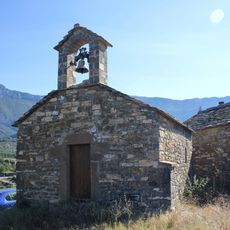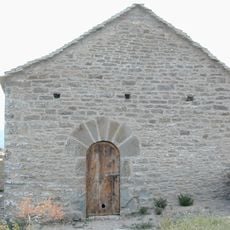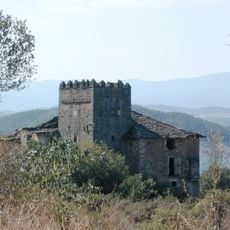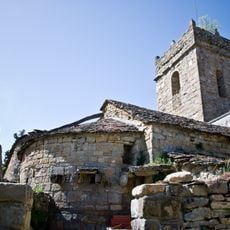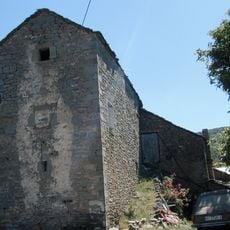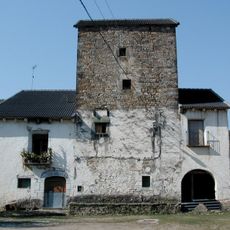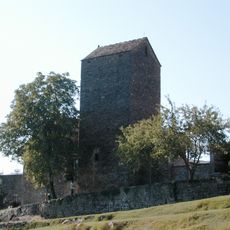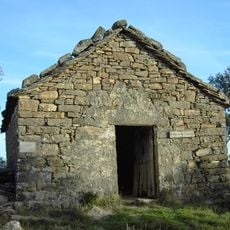
Aínsa, Historic grouping in Aragon, Spain.
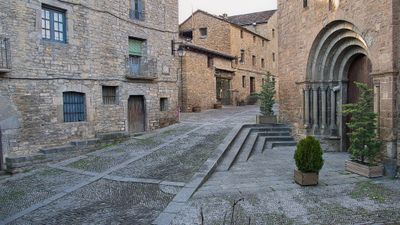
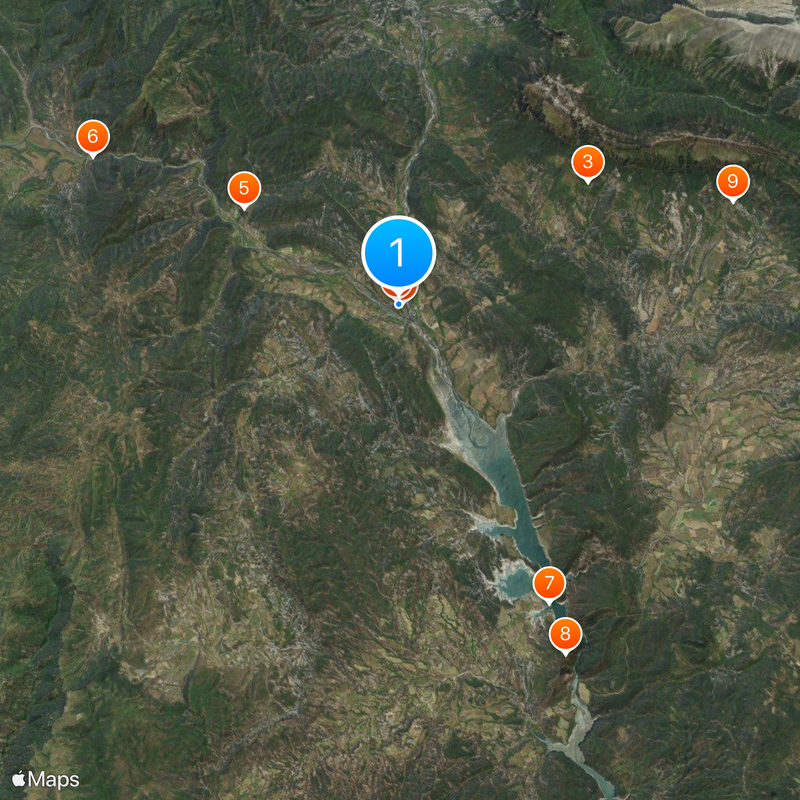
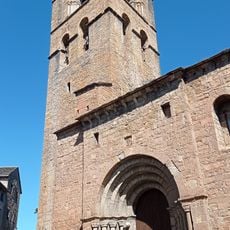
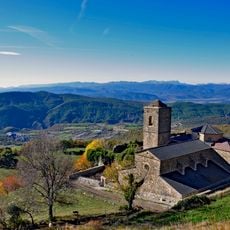
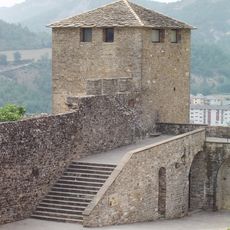
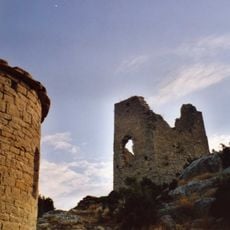
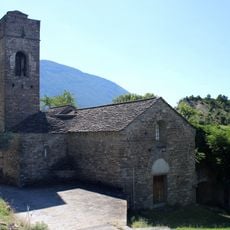
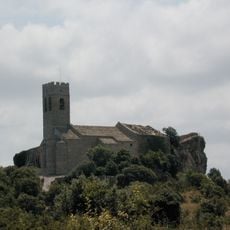
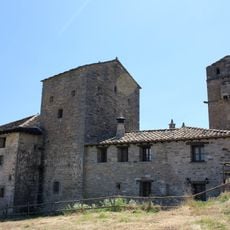
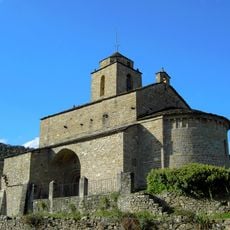
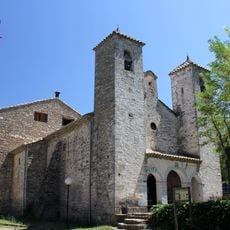
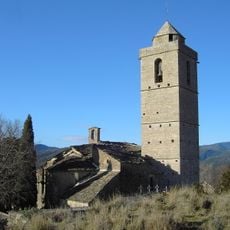
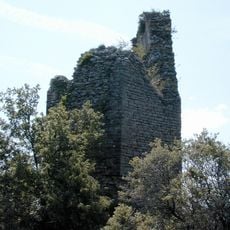
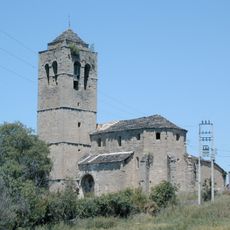
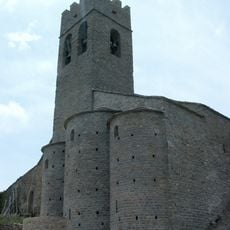
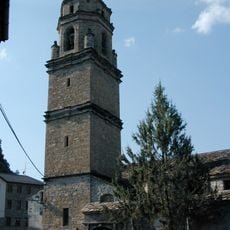
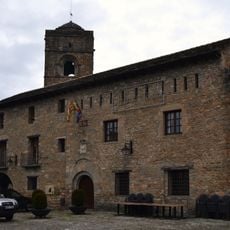
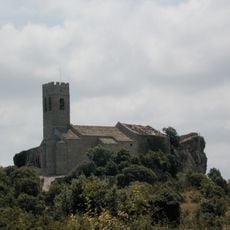
Aínsa is a medieval town in the Sobrarbe comarca of Huesca, Aragon, set on a promontory above the confluence of the Cinca and Ara rivers. Its old quarter, a historic-artistic site since 1965, is formed by two nearly parallel streets, Calle Mayor and Calle Santa Cruz, which lead to the Plaza Mayor. West of the square stands the castle, begun in the 11th century, with the pentagonal Torre del Tenente and a large parade ground. The Romanesque church of Santa María, consecrated in 1181, has a tower with arrow slits.
Aínsa's castle dates from the 11th century and formed part of a defensive line of Christian territory reaching Abizanda; the walled town grew around it as the capital of the county of Sobrarbe, later part of the kingdom of Aragon. In 1124 Alfonso I el Batallador granted a carta puebla giving residents the fuero of Jaca. The historic centre has been a conjunto histórico-artístico since 1965.
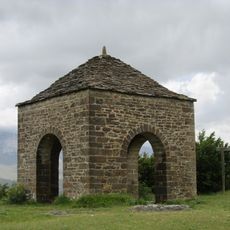
The town's name appears as L'Aínsa in Aragonese, and the local fiesta honours the legend of the fiery cross: the town's coat of arms shows a holm oak crowned by a cross, and the Cruz Cubierta shrine built in 1665 marks the spot. Aínsa has belonged to the association Los Pueblos Más Bonitos de España since 2015 and was named Capital of Rural Tourism in 2018.
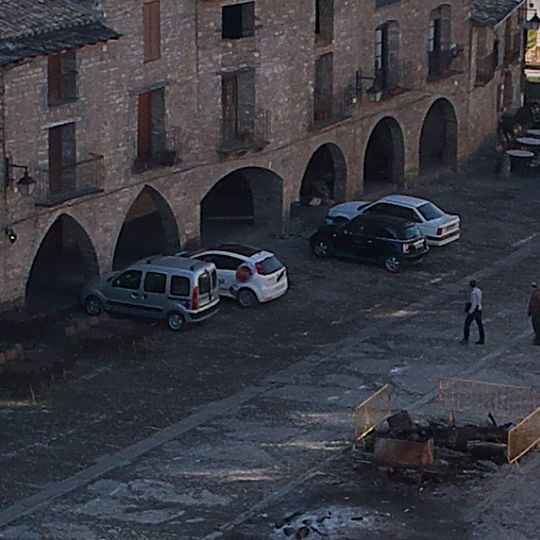
The old town occupies a promontory above the confluence of the Cinca and Ara rivers, reached on foot through the near-parallel Calle Mayor and Calle Santa Cruz, which meet at the Plaza Mayor. The castle stands west of the square on a broad esplanade. The streets are narrow and paved, so leave the car below and walk up.
The castle's Torre del Tenente has a pentagonal plan and now houses an ecomuseum; the church tower, unusually large for Aragonese Romanesque, is pierced by arrow slits built for defence. The church was consecrated in 1181.
The community of curious travelers
AroundUs brings together thousands of curated places, local tips, and hidden gems, enriched daily by 93,410 contributors worldwide.