Madina Albalat, human settlement in Spain
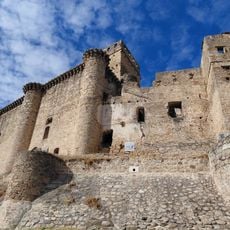
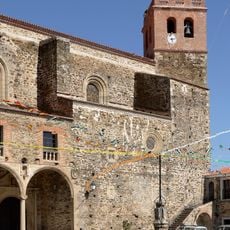
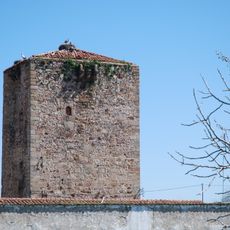
Madina Albalat is an abandoned village and archaeological site in Caceres Province near Romangordo, with ruins of walls, towers, and residential structures from the medieval period. The remains spread across open terrain and are built from mud brick and stone, showing multiple phases of construction and repair over centuries.
The settlement was founded in the early Islamic period as a fortified post to control a river crossing at the Tajo and remained occupied until the middle of the 12th century. The walls and towers were reinforced and rebuilt multiple times before the site was destroyed during a siege by Christian forces.
The site displays traces of daily life from centuries past, with remains of homes, workshops, and cooking areas that reveal how people organized their settlement. The pottery and tools found here show what trades people practiced and how they used local materials for work and survival.
The site is easy to reach and located near the A-5 highway between Madrid and Badajoz with parking available right at the entrance. There are no facilities such as shops or guided tours, so visitors should bring water, wear comfortable shoes, and stay on marked paths to protect the ruins.
The ruins were systematically excavated starting in 2009 by archaeologists from Spain and France, uncovering gaming pieces and pottery from across the peninsula that reveal the residents were connected to wider trade networks. These findings show that despite its remote location, the settlement was linked to a broader economic and cultural world.
The community of curious travelers
AroundUs brings together thousands of curated places, local tips, and hidden gems, enriched daily by 90,844 contributors worldwide.