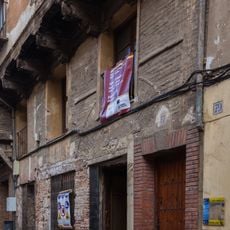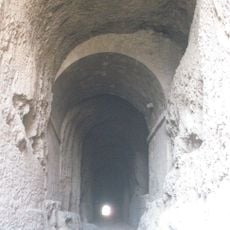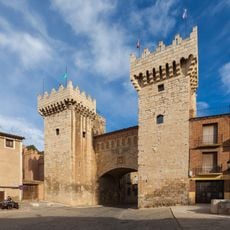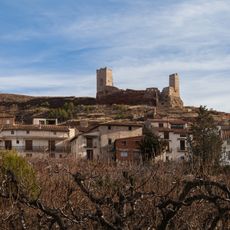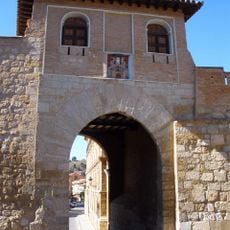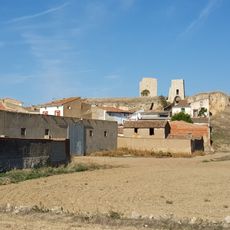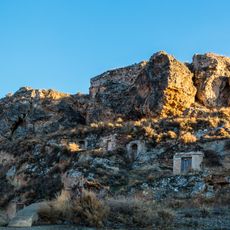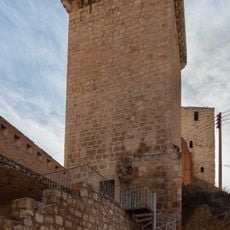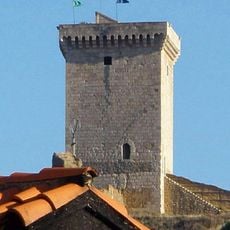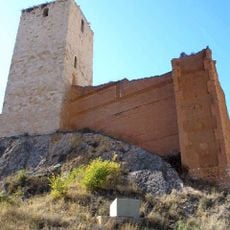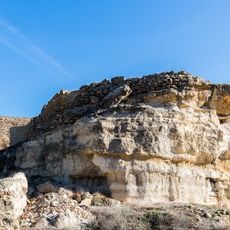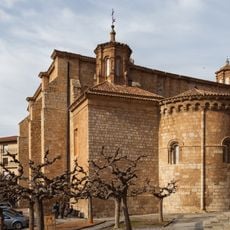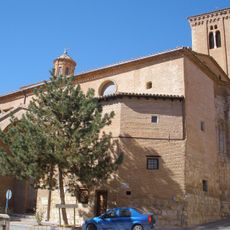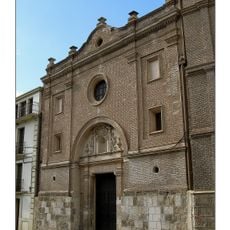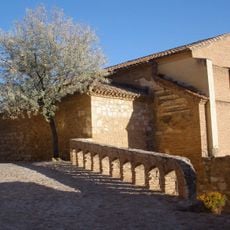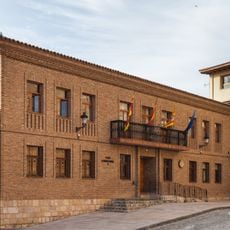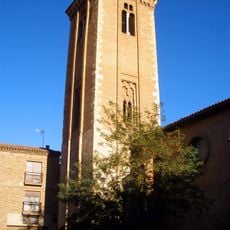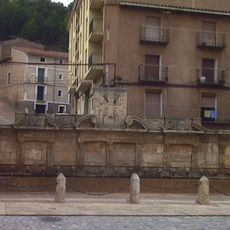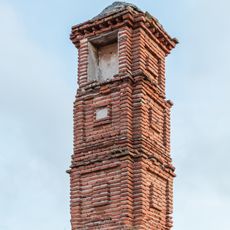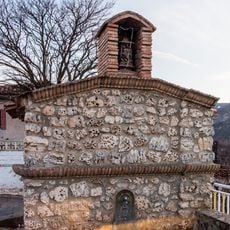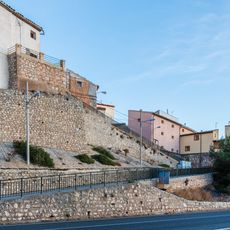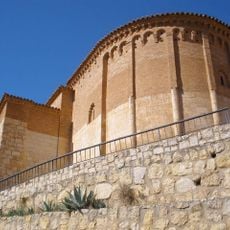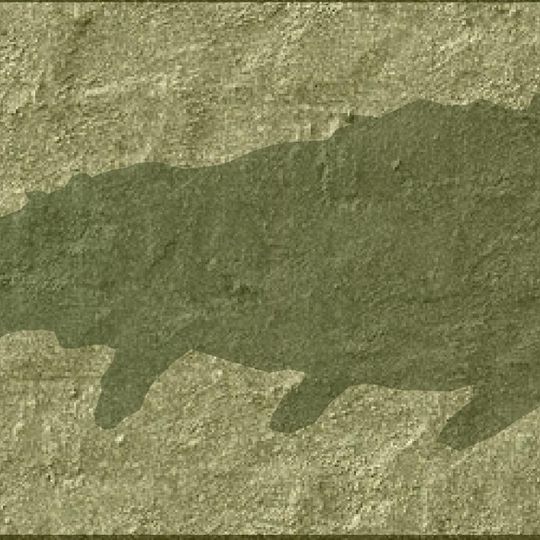
Murero paleontological sites, Paleontological site in Murero, Spain.
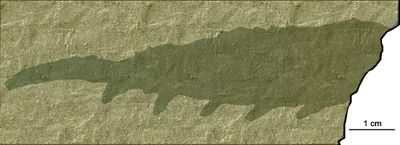
Murero paleontological sites are rock formations in northeastern Spain that expose layers of stone going back millions of years. These deposits reveal the remains of ancient sea creatures and other organisms preserved in the rock strata.
In 1862, paleontologist Edouard de Verneuil discovered the first fossils at this location and recognized their connection to earlier finds from Bohemia. The site later became recognized as an important record of how life changed across geological time.
The Spanish government designated these paleontological sites as a Cultural Heritage Site in 1997, recognizing their scientific and educational value.
The site is studied by scientists from the University of Zaragoza and other institutions who continue to excavate and examine its layers. Visitors should understand that this is an active research location, not a typical museum or tourist attraction.
Over eighty trilobite species have been found at this location, including some of the oldest known evidence of sexual dimorphism in animals. This discovery helps scientists understand how life forms differed in the distant past.
The community of curious travelers
AroundUs brings together thousands of curated places, local tips, and hidden gems, enriched daily by 60,000 contributors worldwide.