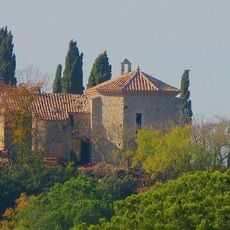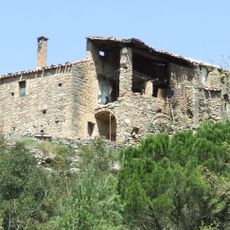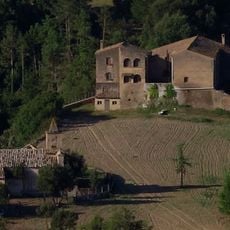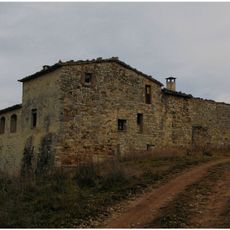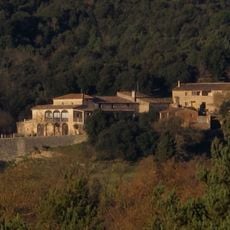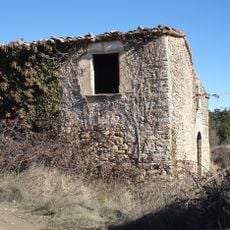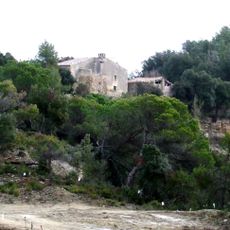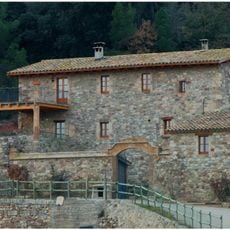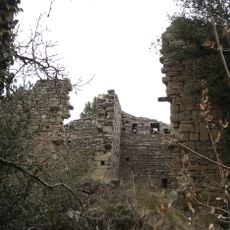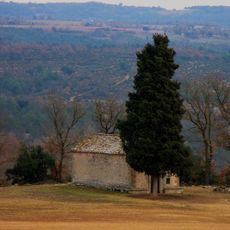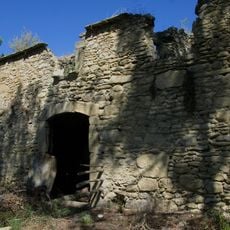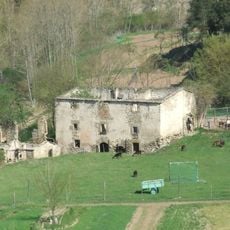
Molí de Brotons, Historic watermill in Castellcir, Spain.
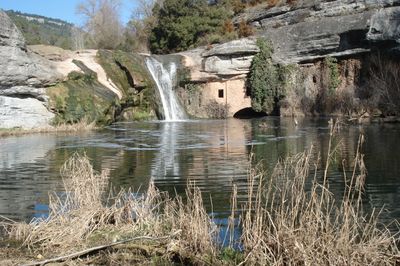
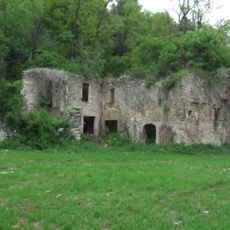
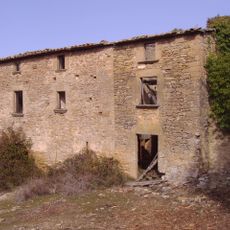
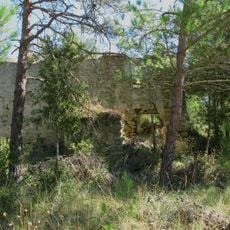
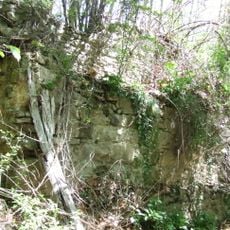
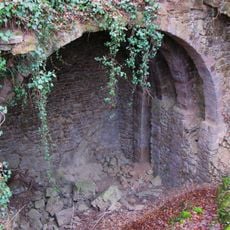
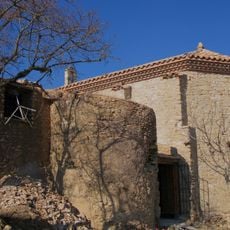
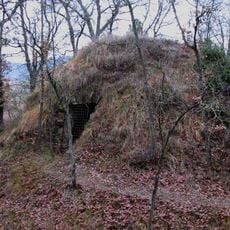
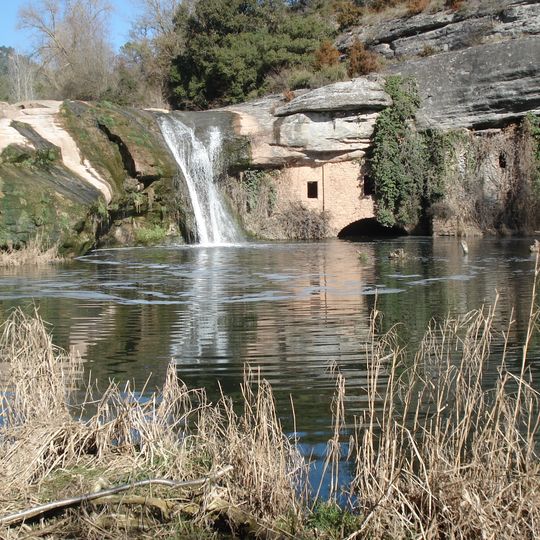
Molí de Brotons stands beside the Marfà river at around 545 meters elevation and features the remains of two small rooms and an opening for the water wheel. The structure blends into the landscape and natural rock formations along the riverbank.
The mill operated from 1608 until the mid-1800s, serving the agricultural needs of the local community. A major flood in 1863 caused it to be abandoned.
The mill shows traditional Catalan water-powered milling methods that are still visible in how it was built. You can see how people in this area once used the river's flow to grind grain.
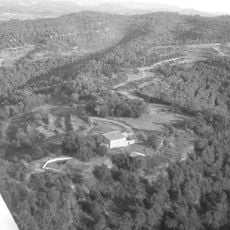
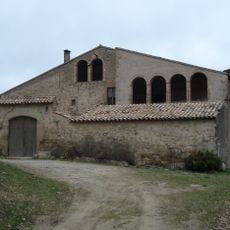
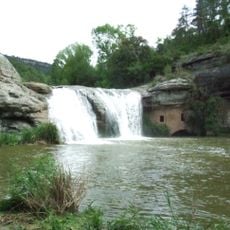
The mill ruins lie on the left bank of the Marfà stream, northeast of the Masia de Marfà and close to the Mare de Déu de la Tosca chapel and the Molí de Marfà, at the Salt de la Tosca. Access is on foot along the valley of Marfà paths; the site is unmarked and the semi-troglodytic remains sit at stream level, so wear sturdy footwear and avoid the streambed after rain.
The mill is semi-troglodytic: it was built into the balmes, the rock overhangs at the level of the Marfà stream bed, right by the Salt de la Tosca. Its name Molí de la Tosca comes from this same spot. The 1863 flood that ended its working life swept a baby in a wooden crib out of the mill and killed the miller's eight family members.
The community of curious travelers
AroundUs brings together thousands of curated places, local tips, and hidden gems, enriched daily by 95,436 contributors worldwide.