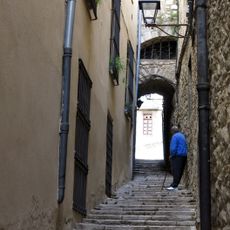
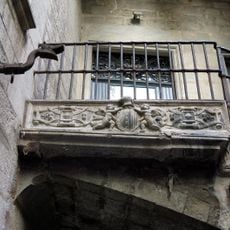
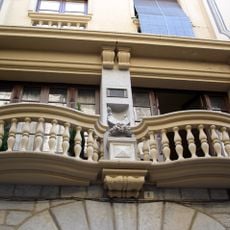
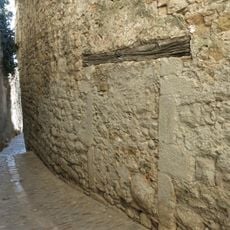
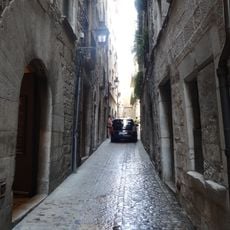
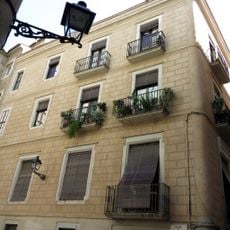
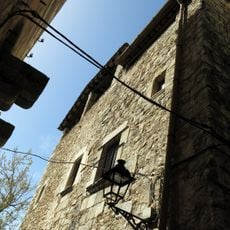
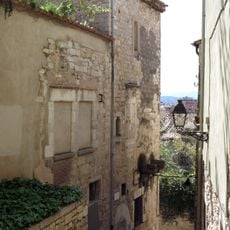
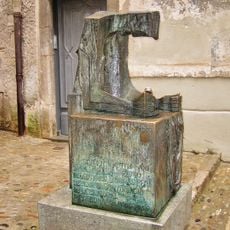
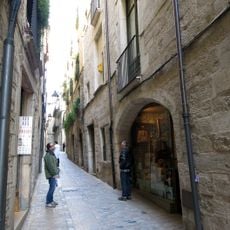
Museo de Historia de los Judíos, Jewish heritage museum in Gothic Quarter, Girona, Spain
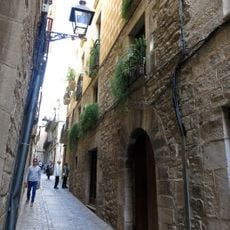
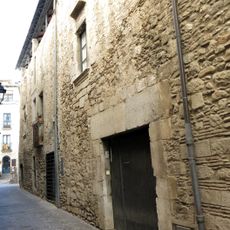
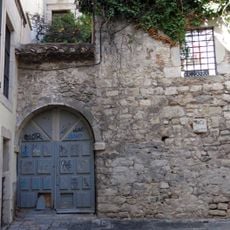
The Museo de Historia de los Judíos occupies the Bonastruc ça Porta centre, on the site of Girona's 15th-century synagogue and its annexes. Its eleven rooms trace the community from the 11th century to 1492, and 2012–13 excavations uncovered a 13th-century house later used as the Jewish butcher's shop.
The building stands on the location of Girona's final synagogue, which operated until 1492 when Spanish rulers ordered the expulsion of all Jews from their territories. This moment ended centuries of continuous Jewish presence in the region.
The room on festivals shows objects still used today in Jewish holidays, alongside pieces from centuries past. A ketubah records the marriage of David, son of Messul·lam de Gallac, and Astruga, daughter of Abraham ben Jucef of Castelló d'Empúries — the only Hebrew marriage contract found in the Girona region. Silver filigree earrings recall the private life of women in the call.
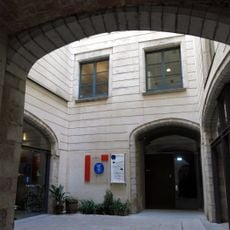
The museum occupies the Bonastruc ça Porta centre inside Girona's Jewish quarter, with the ritual bath (micvé) remains on the second floor across the inner courtyard. The 2012–13 excavations in that courtyard uncovered a 13th-century house later used as the community's kosher butcher shop until 1492.
The collection includes original Hebrew tombstones recovered from the Jewish cemetery of Montjuïc that provide direct evidence of medieval Jewish life in Girona. These stones carry inscriptions preserving the names and dates of people whose memory might otherwise be forgotten.
The community of curious travelers
AroundUs brings together thousands of curated places, local tips, and hidden gems, enriched daily by 94,757 contributors worldwide.